
Tag

Engine Bay Mods

Browsing

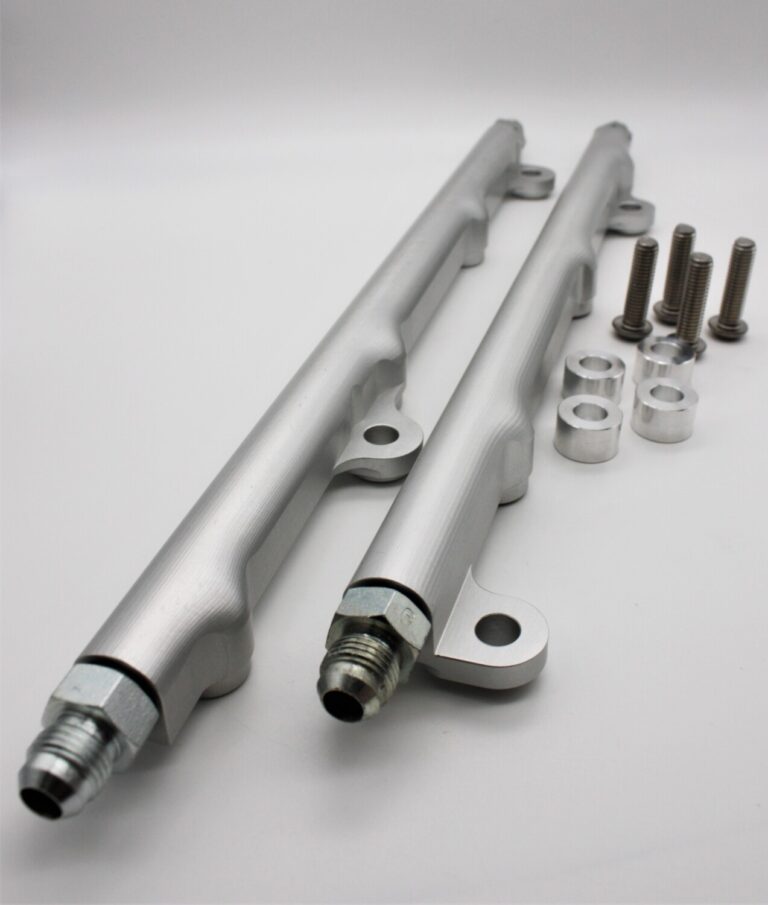
Our 350z Fuel Rails are machined from billet T6061 Aluminum stock. The rail has a larger bore diameter than stock, allowing fuel flow to increase 350% more over stock (as seen above). The rail comes clear anodized to help protect against the elements. The rail is tapped to accept dash 6 fittings. Our rails are unique in the fact that you can either use your stock injectors or use taller aftermarket bosch style injectors to upgrade your fuel system. The rail comes with four dash 6 O-ring to dash 6 AN fittings, aluminum spacers to allow use with either style injectors, and stainless button head hardware.

Important Note: These fuel rails fit the 2002-2008 VQ35DE Nissan Maxima. Additionally, 350z injectors fit on Maxima rail with no issue. A 350z rail is not needed if just changing the injectors.

Price: $175.00

Loading

Community Member Credit: Maximeltman

Notes:

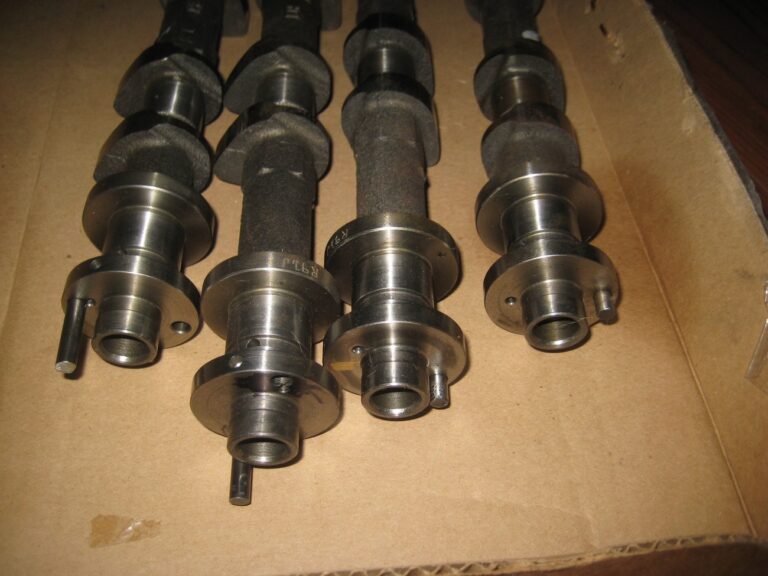
  • Includes the vq35 secondary gears & chains, and vq30 primaries, and crankshaft gear misc vq35 lifters. These are what my engine came with and it does work this way. You don’t need cam spacers.
  • These came from an engine that I bought a few years ago, and it was prepped (or so I was told by the person who sold it to me) by Tilly, and the way he did it required the 3.5 secondary gears, so it’s just the standard degree for the 3.5 swaps.

Loading

Community Member Credit: Jungmin Jungmin

Since the radiator coolant conducts electricity, the stray voltage will travel through it to find a ground. To prevent this from happening make sure the engine and frame are correctly grounded.

Install:

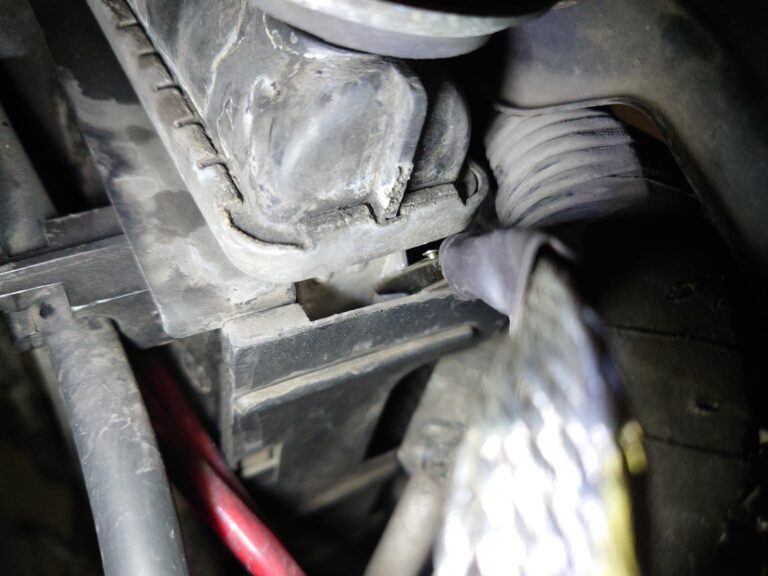
  • I used 460mm (18.11in) flat braided wire with one end ring terminal just like regular ground wire and the other end alligator clip.
  • Alligator clip clamps to the radiator while ring terminal bolts onto the chassis ground point.

Readings:

I got better scan data on the effectiveness of the radiator ground. The car tested is SM525V so basically applicable to all A32 variants. *The car has 2 point custom ground, and the comparison is between additional radiator ground.

Radiator fan operating time reduced. Probably means the cooling effect has improved since coolant temperature is the same.

This is before the radiator ground. Highlighted data is injector operation. The 2 data points at the bottom are AFR alpha and AFR alpha (rear bank).
Before radiator ground: Injector operation 2.9ish ms, AFR alpha 104% and 102%

This is the data after radiator ground: Injector operation 2.8~2.7ish mS, AFR alpha 101% and 99%.

This is data from the same car with radiator ground.

Loading

Community Member Credit: Eddy

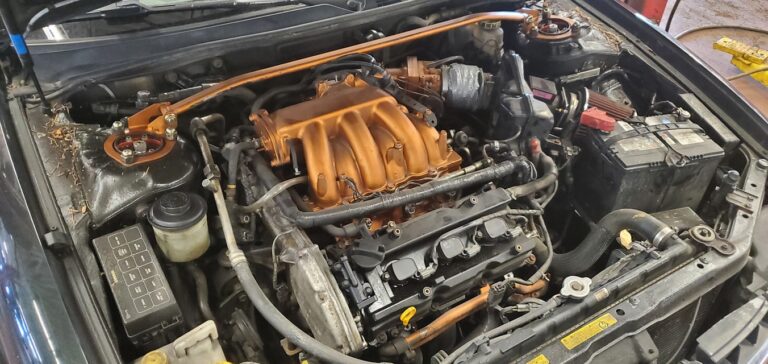
After swapping my 1998 4thgen Nissan Maxima with a 2020 Gen3 VQ35DE engine, I was not able to use a strut bar. But thanks to some information from Josh and Blandon, I was able to try a 6thgen Maxima Stillen strut bar and to my surprise, it fits 100%. Fits perfect and has no hood clearance issues. This strut bar should work with any VQ35DE swapped 4thgen. No modifications are needed.

Below are the ones I tried that did not fit: 

  • 1995-1999 Stillen Strut Bar (only works with VQ30DE)
  • 2004-2008 Racingline Strut Bar (Does not clear the upper manifold)

Additional Reference (via Blandon’s 4thgen)


Loading

Community Member Credit: schmellyfart

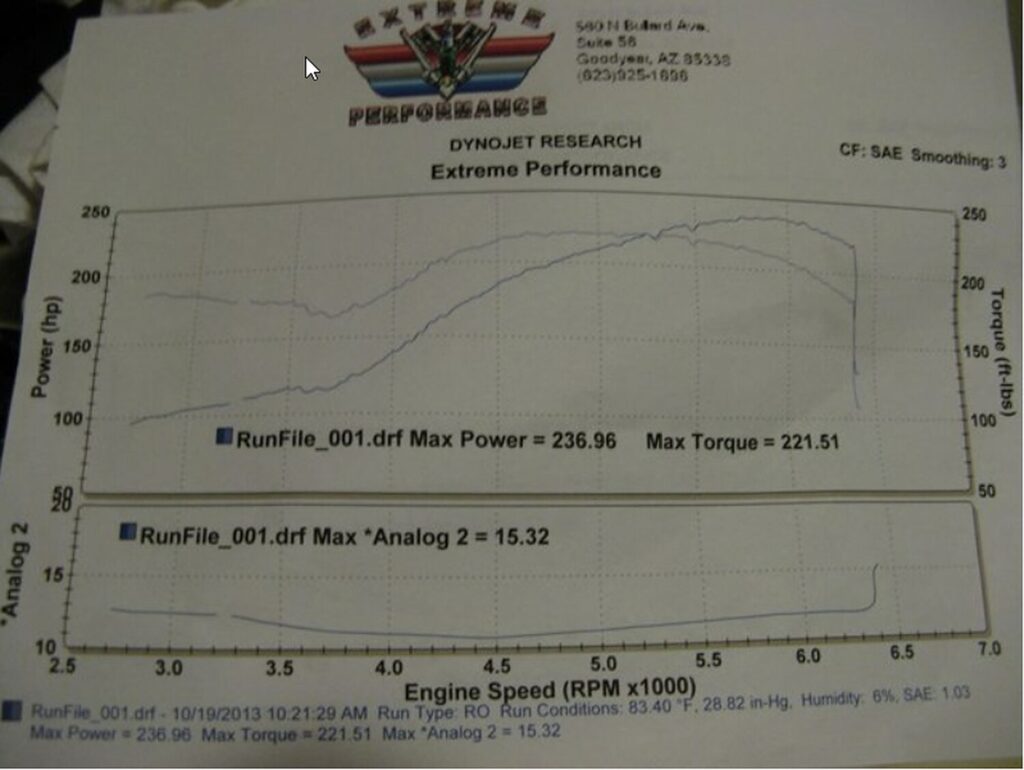
Finally got a chance to dyno the swap today. I decided to spring the extra $10 for an AFR reading since my EU is disconnected. Grand total: $30 for two pulls. Same shop/dyno I used for my previous pulls with the 3.0.

Minor changes that might affect readings:
  • New tires 245/50R16
  • Finally had the car aligned after the swap.

Current setup:
  • 2002 VQ35 w/3.0 timing, DE-K Injectors & FPR, return fuel setup
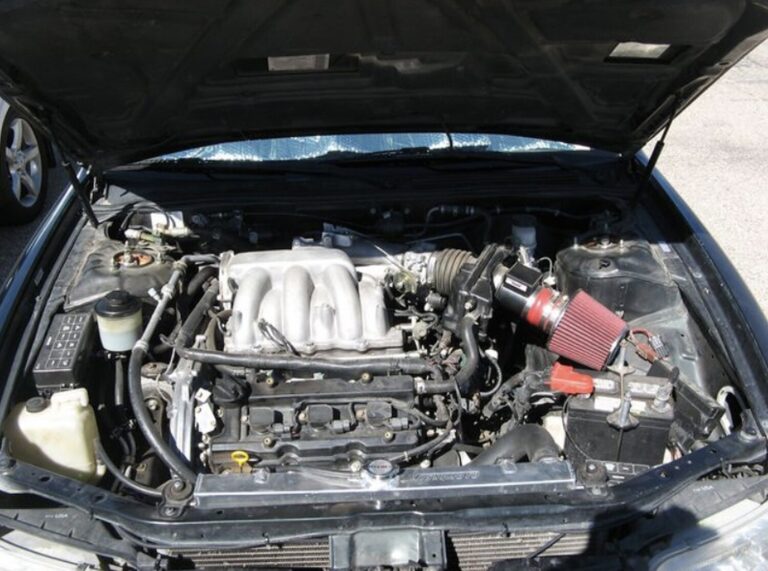
  • Stock 5th gen intake w/ BOMZ  cone filter
  • PFTB
  • NWP BOP
  • NWP 5pc spacers
  • Altima headers w/ 3″ y pipe back
  • VQ30 Spark Plugs
  • Fuel and timing are bone stock, no adjustments made.

236.96 WHP /221.51 WTQ

Loading

Owner: Bishnu Dinanauth

Year: 2000
Model: Maxima
Color: Black
Transmission: 5-Speed Manual
Trim: SE

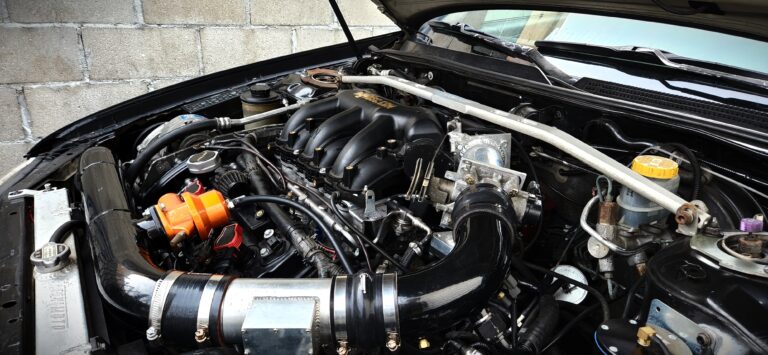
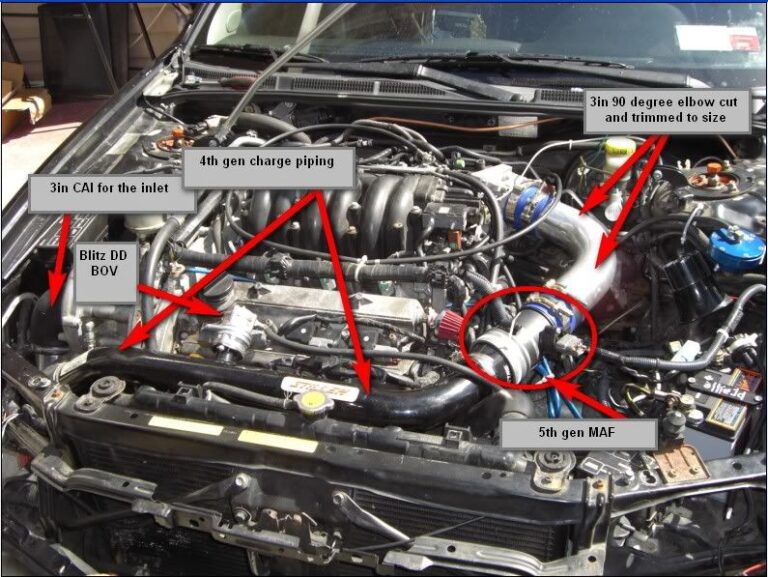
Ok, I started with my 5th gen kit and had to use to the 5th gen piping. This piping was nice and clean but I could not use an open air BOV since the MAF was on the uncharged side any air lost thereafter was registered as a leak and the car would stall. It was time to get creative and try to make some changes.

This setup was nice for a very dependable and worry-free boost application, I just think all that piping made the blower choke and not deliver to its full potential, mainly because of all the bends on the piping.

This is the way it is now, it is still not complete but its %85 there

My MAF is not going to stay this way. A member on here(absoundlab) is helping me out with a 3in MAF housing to make the 5th gen MAF capable of registering all the air that is going by. This pic is just the initial mock-up and not the final product, as I said before it’s only 85% done.

As for the supercharger air inlet, I used 3in piping and a 3in Fujita filter to make things work. I had to cut the part of the car where the windshield tank comes up and make the hole bigger to pass the pipe. Cutting this part of the car is not going to hurt it structurally.

3″ Piping

This is how the filter sits…..

Loading

Credit: Bishnu Dinanauth / secondtonone317

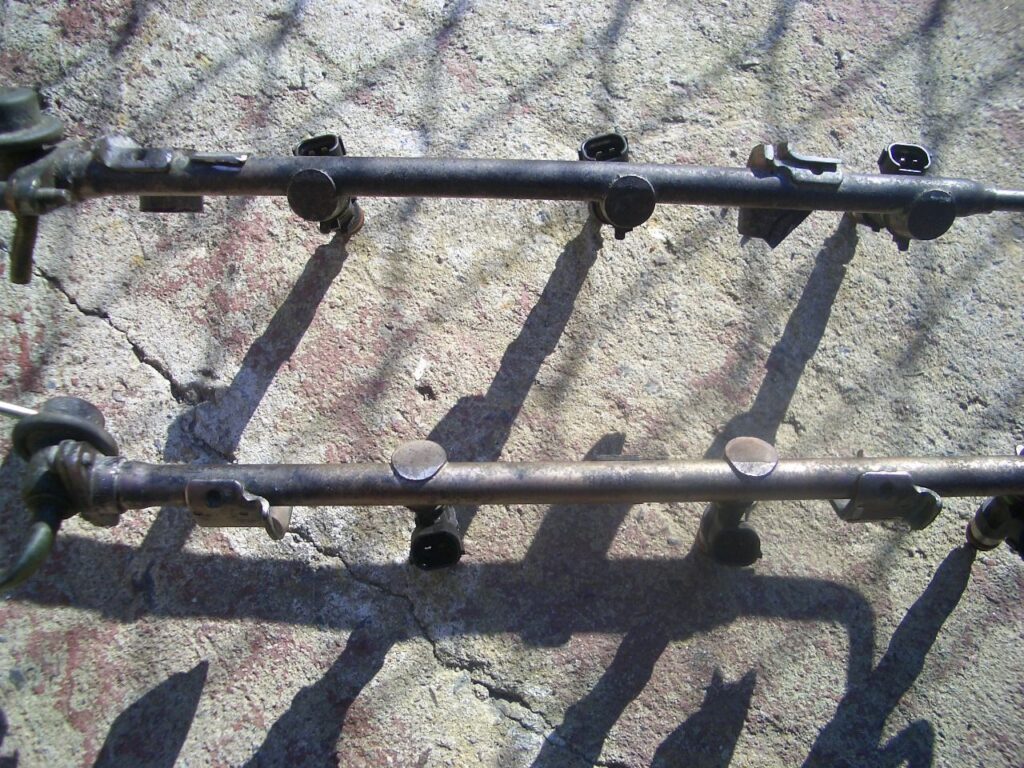
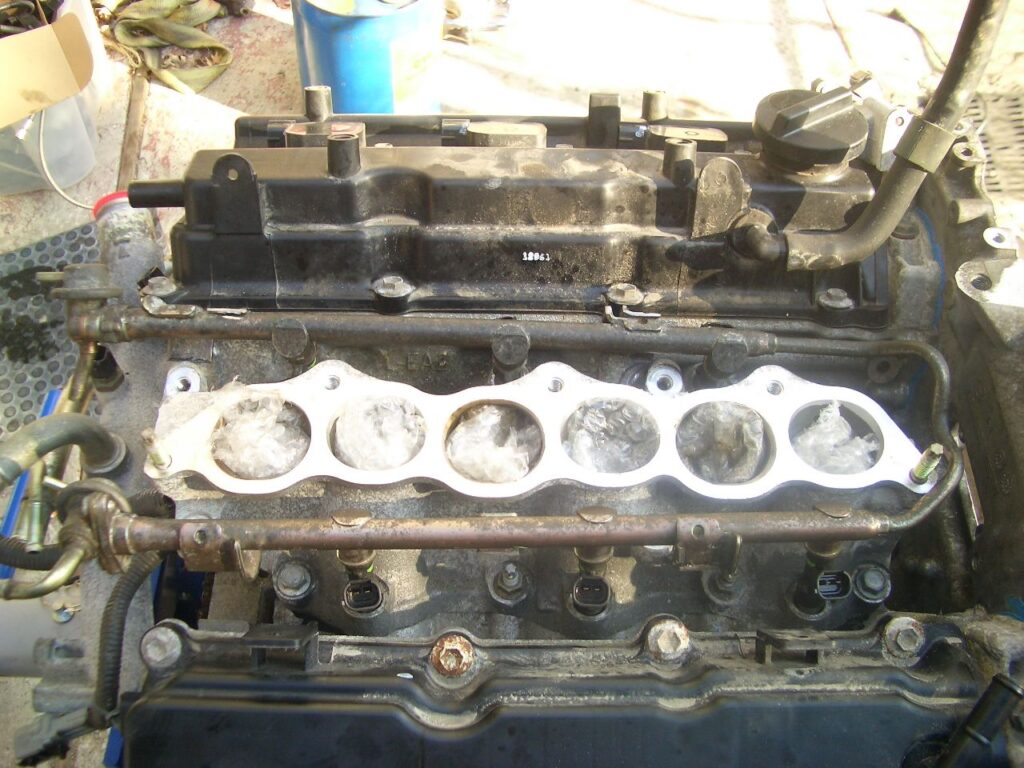
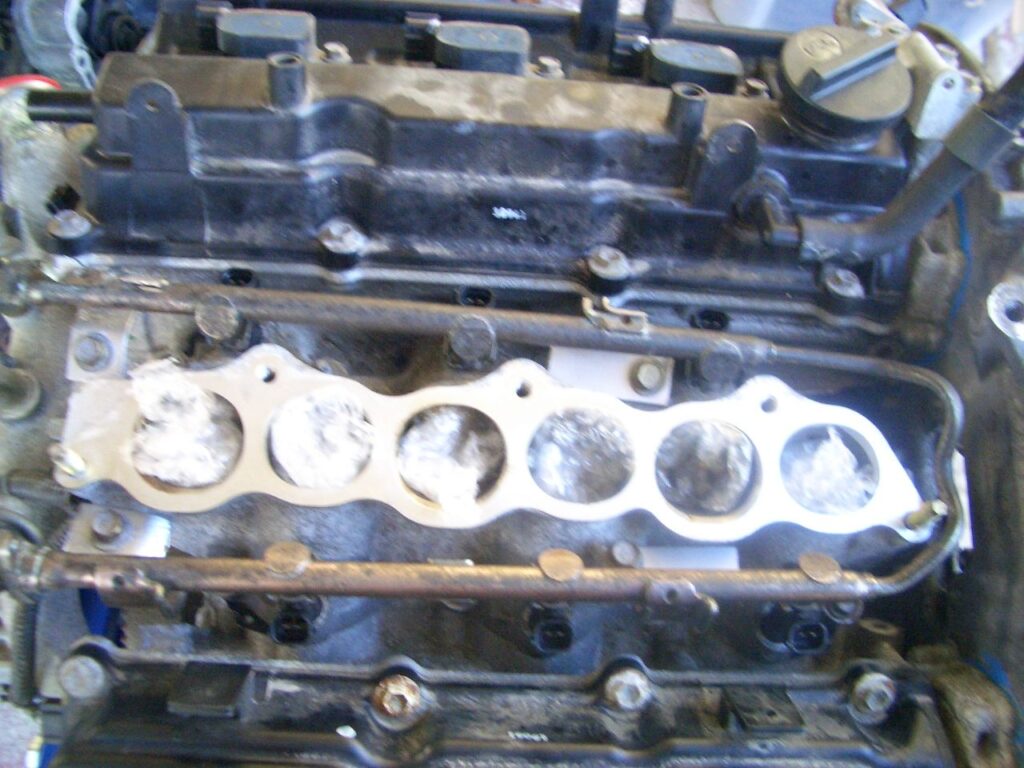
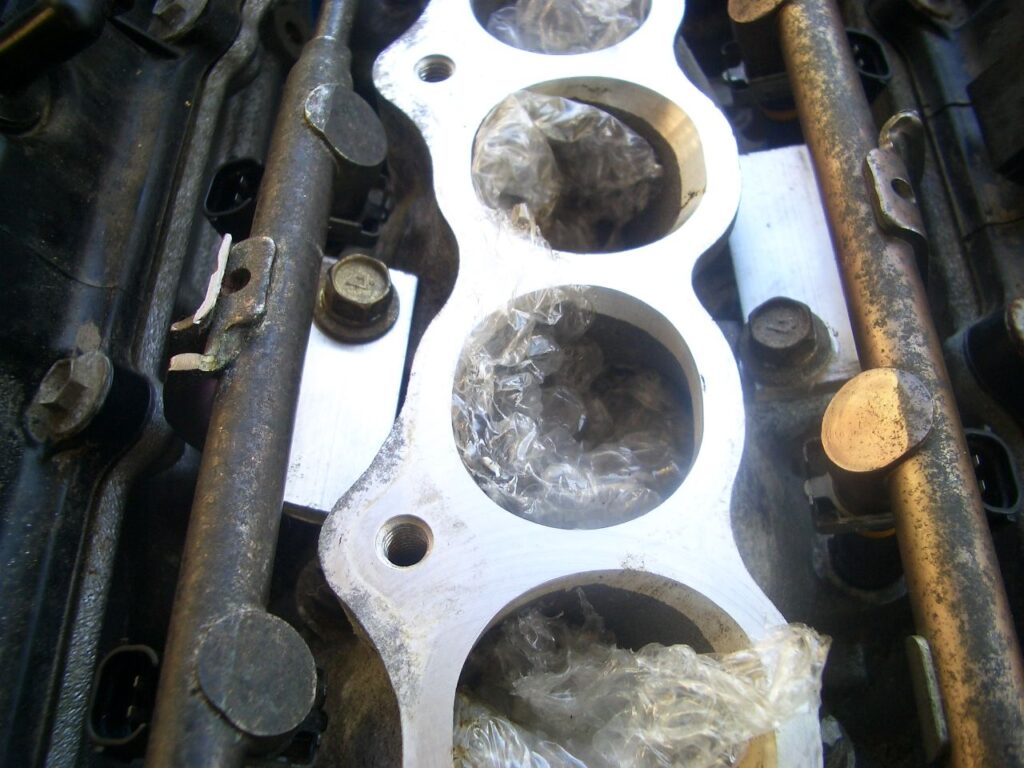
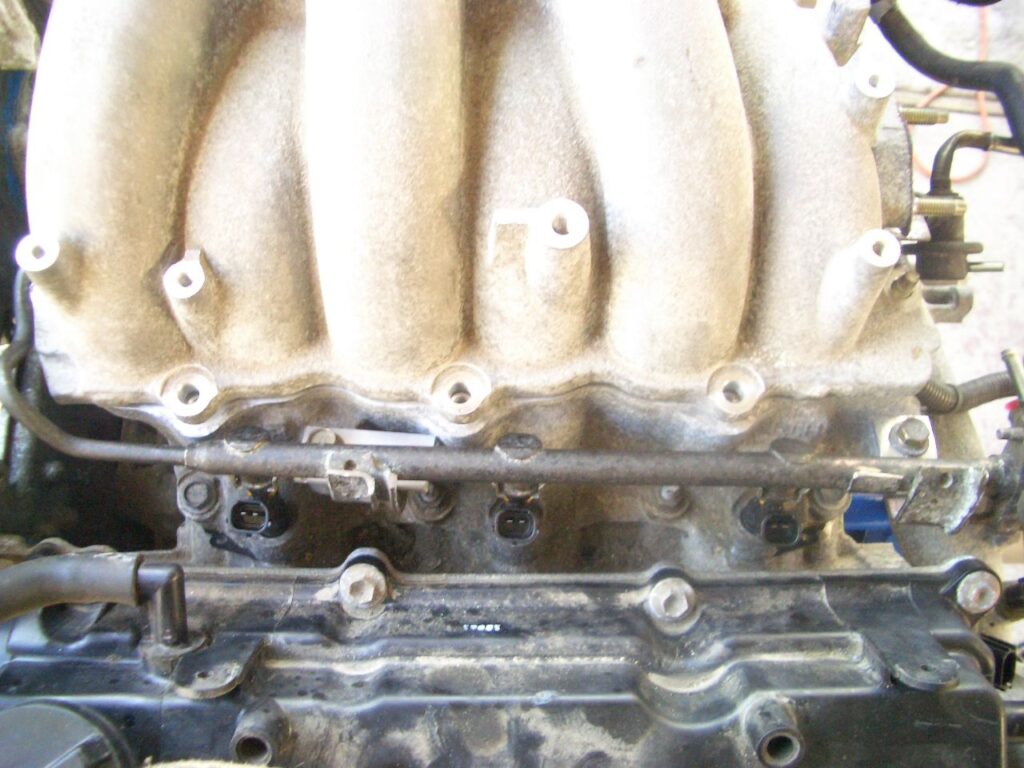
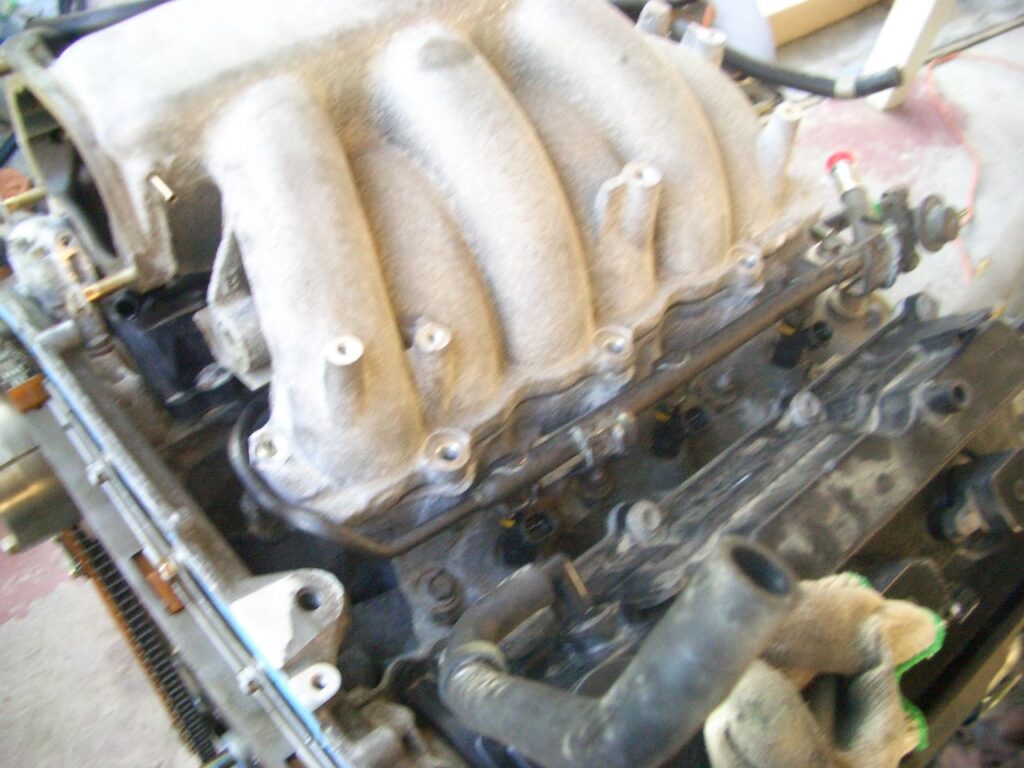
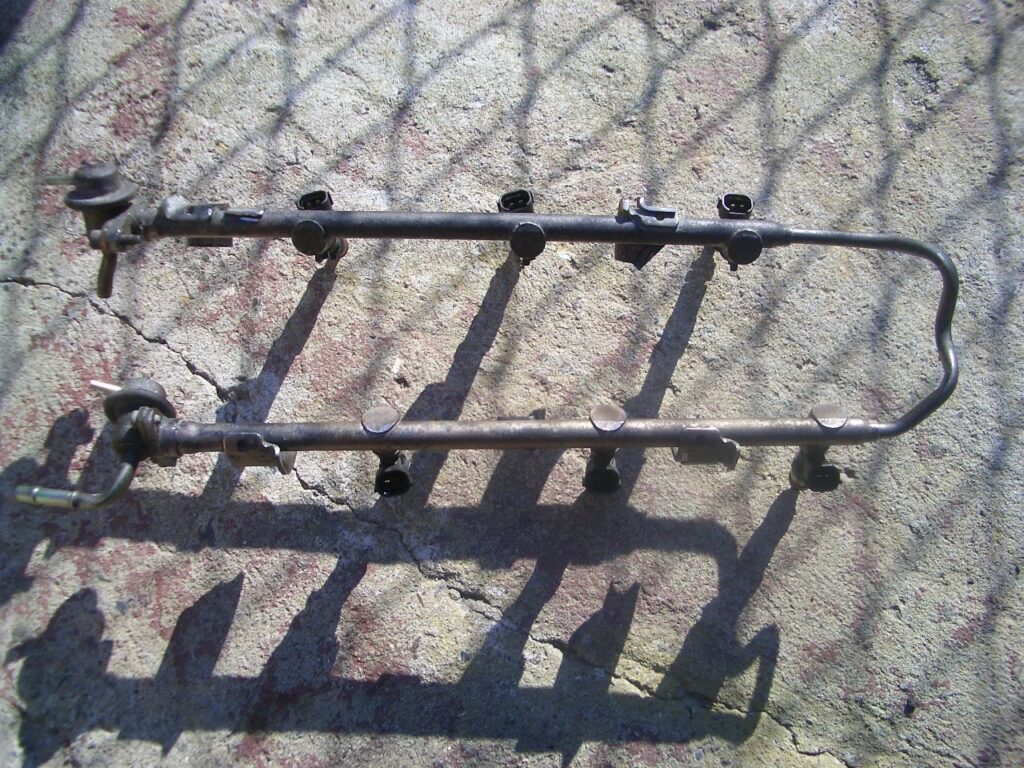
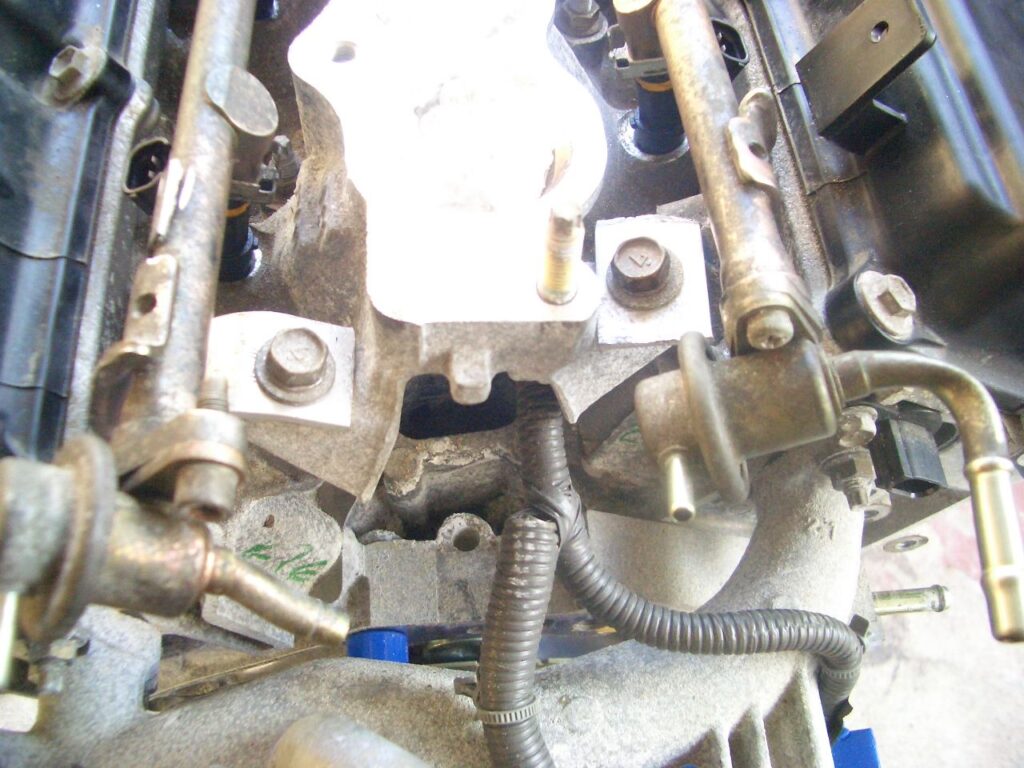
Don’t know if this was posted before but…I used a DEK fuel rail on a 3.5 to utilize the return line. It was a cheap and easy way out for me since I did not want to go looking for another option and use what I had.

First, I shaved the tabs off my DEK rail and marked the mounting tabs, and trimmed them so the rail would drop in.

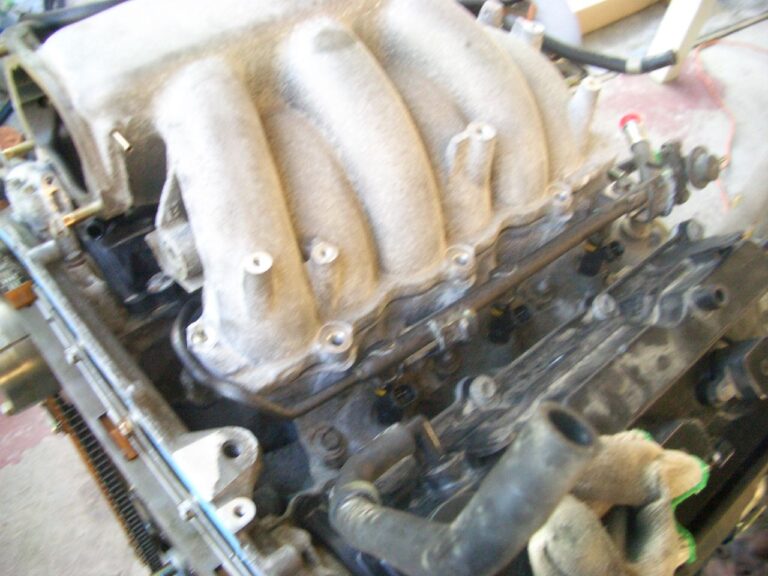
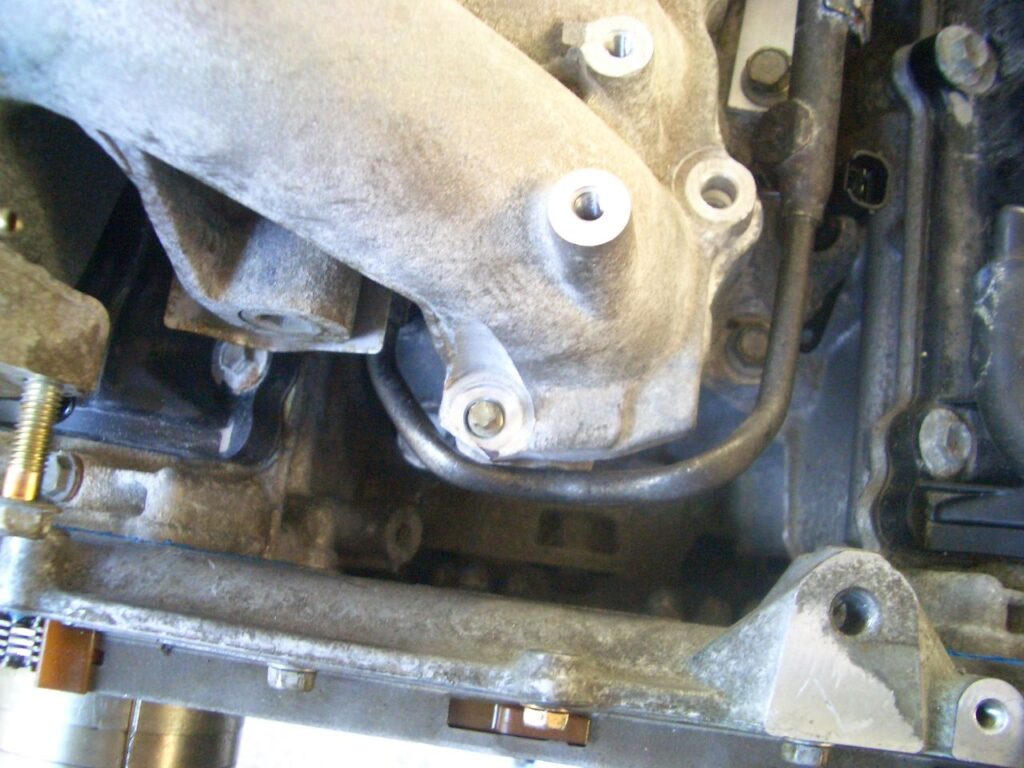
Little clearance issue with the UIM, it cleared but touched

I marked it and shaved it down a little

Then I made some brackets to apply pressure to the original tabs that do not line up with the 3.5 LIM to hold it in place.

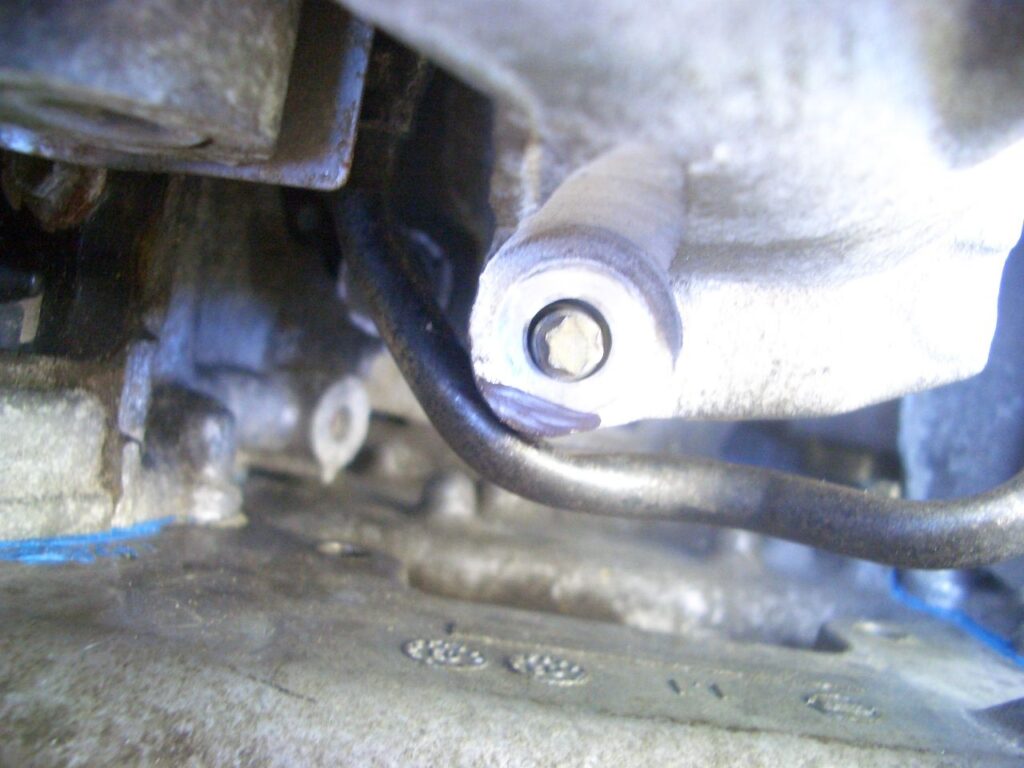
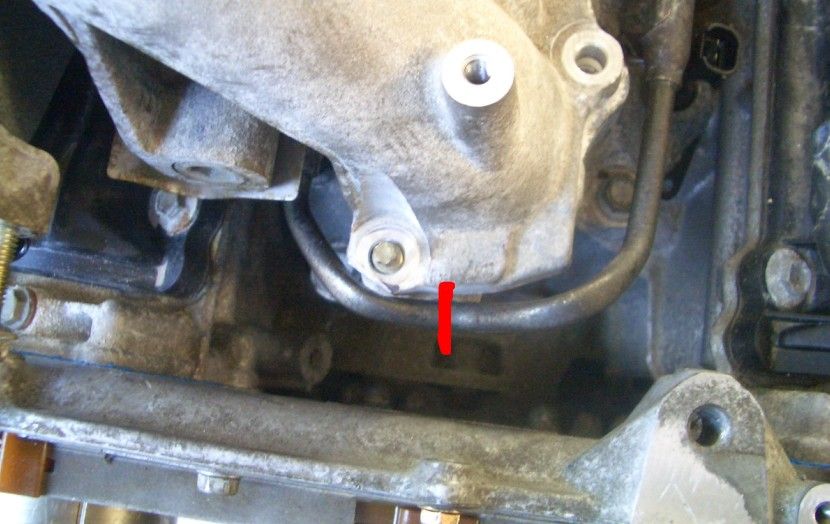
I think I will cut where I made the red mark in the pic below and put a rubber tube there as it has on the 4th gen fuel rail to give it some more flexibility.

Loading