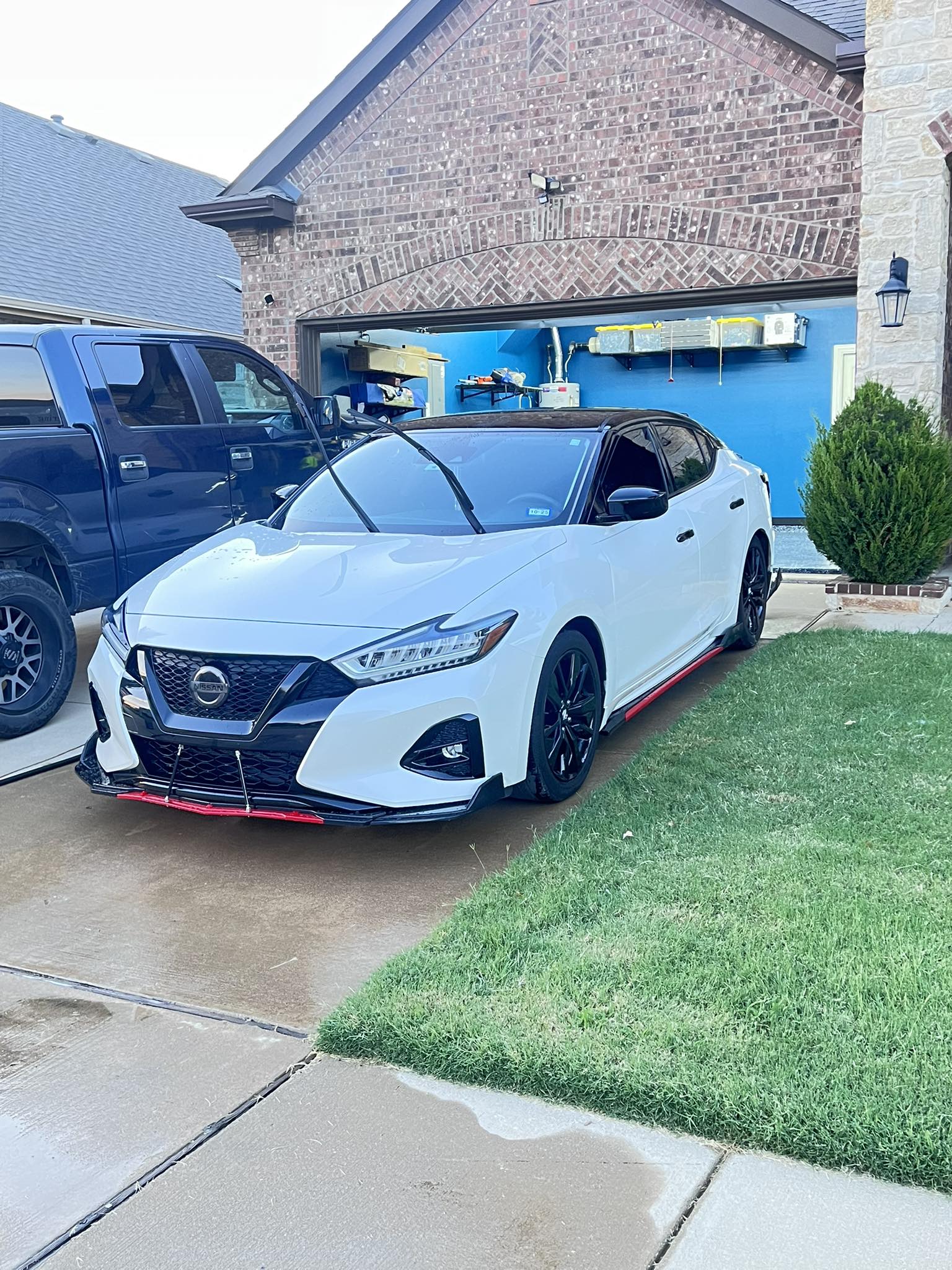
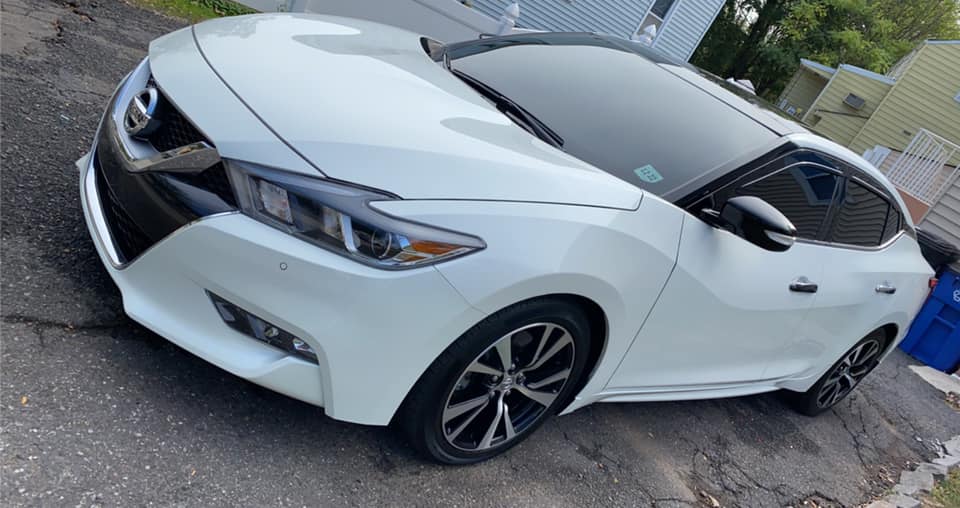
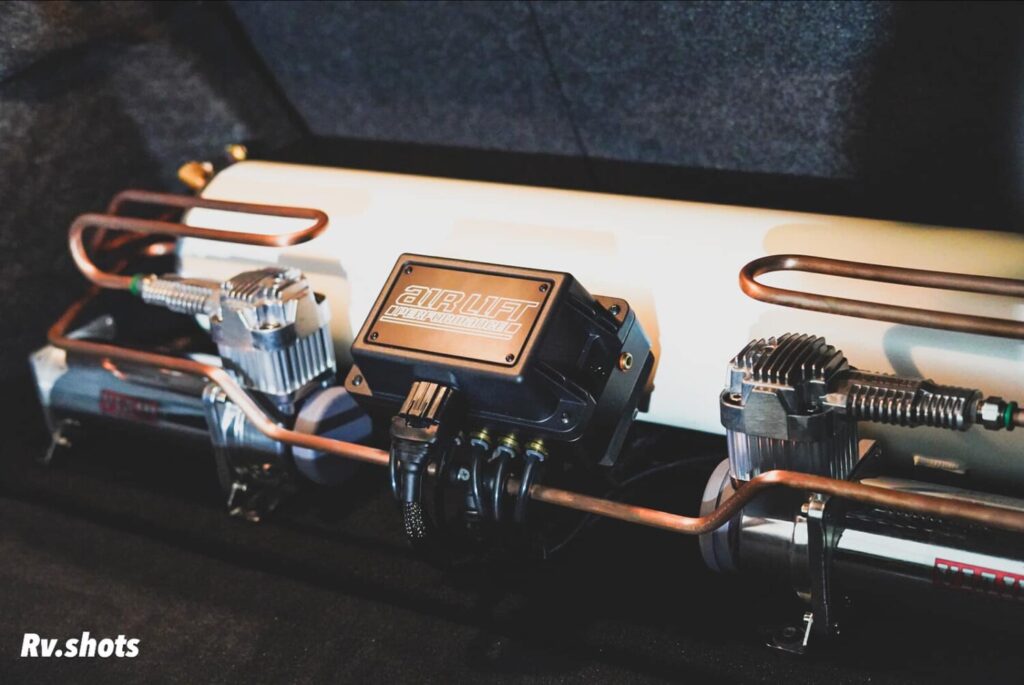
Owner: Joel T.
Year: 2016
Model: Maxima
Color: White
Transmission: CVT
Trim: SR














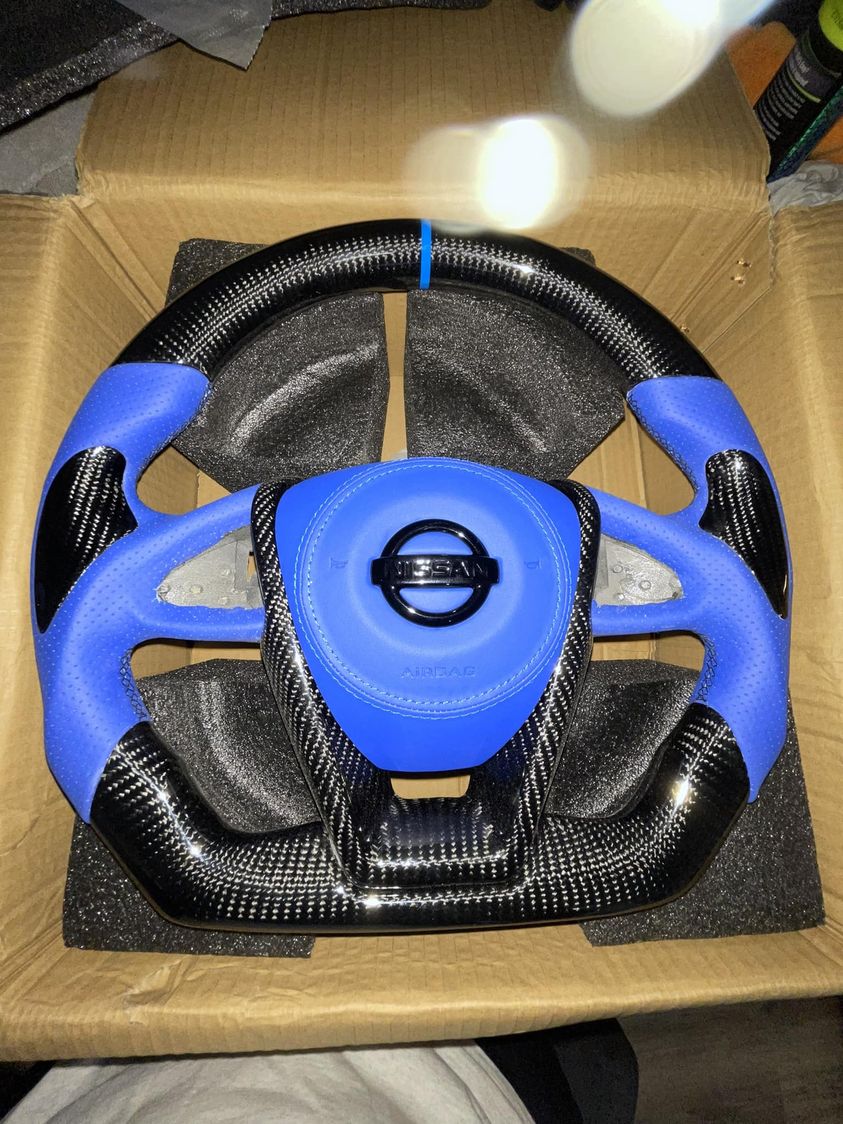
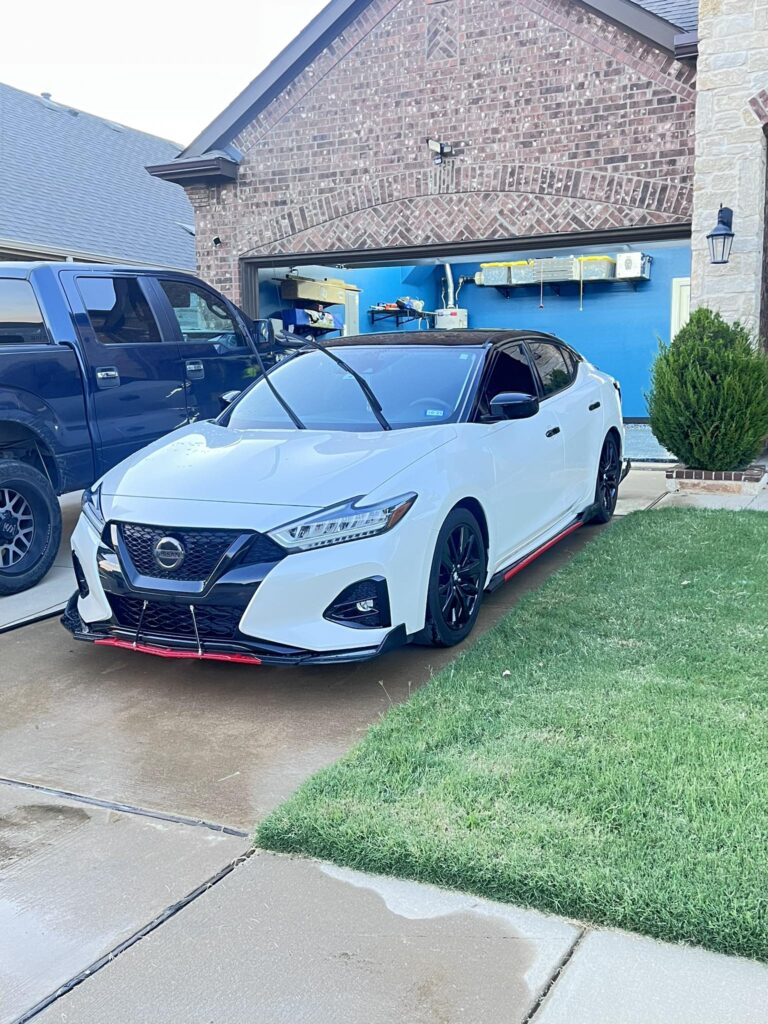
Owner: Christian T.
Year: 2018
Model: Maxima
Color: White
Engine: Gen3 VQ35DE
Transmission: CVT
Trim: S






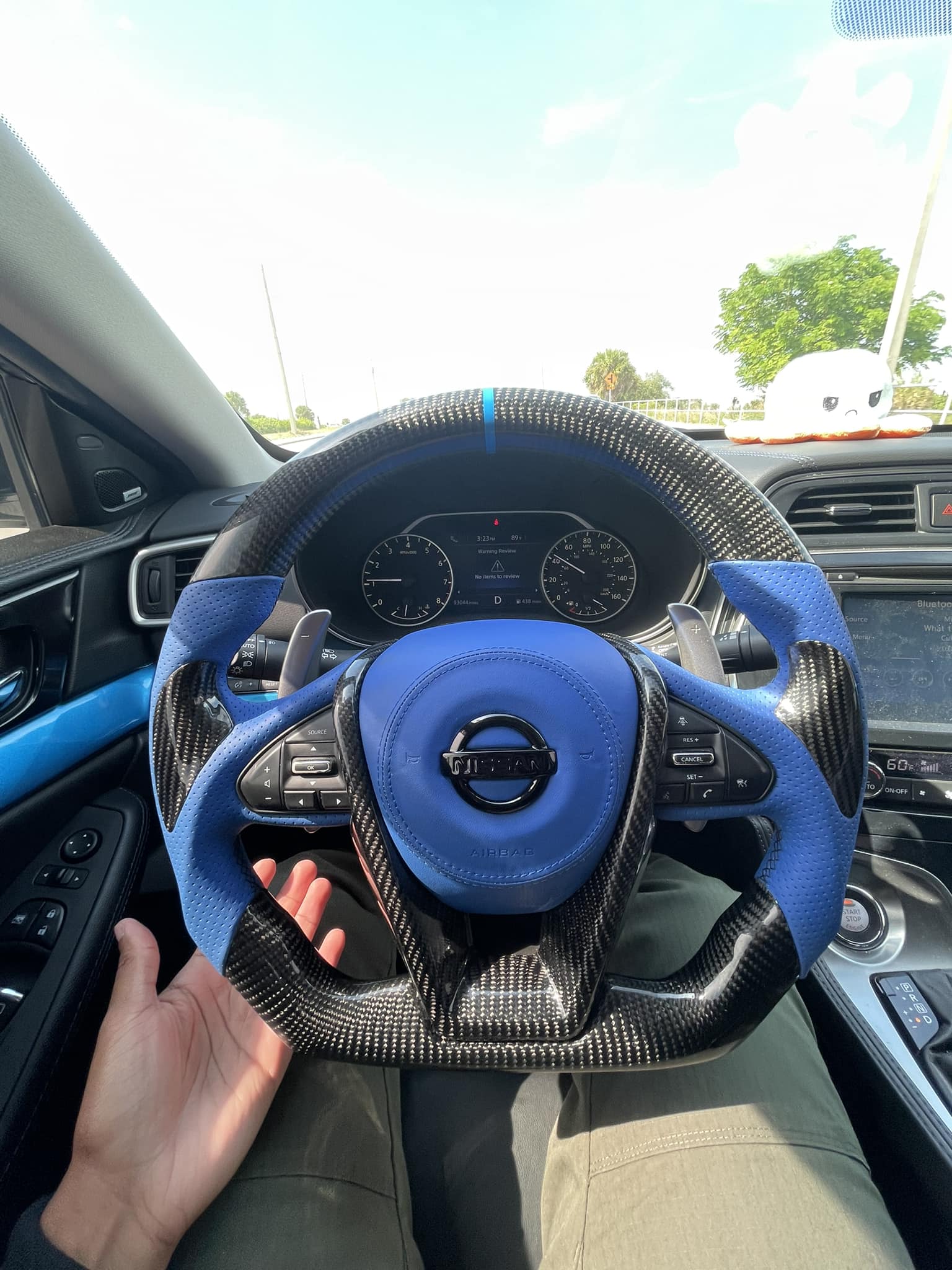
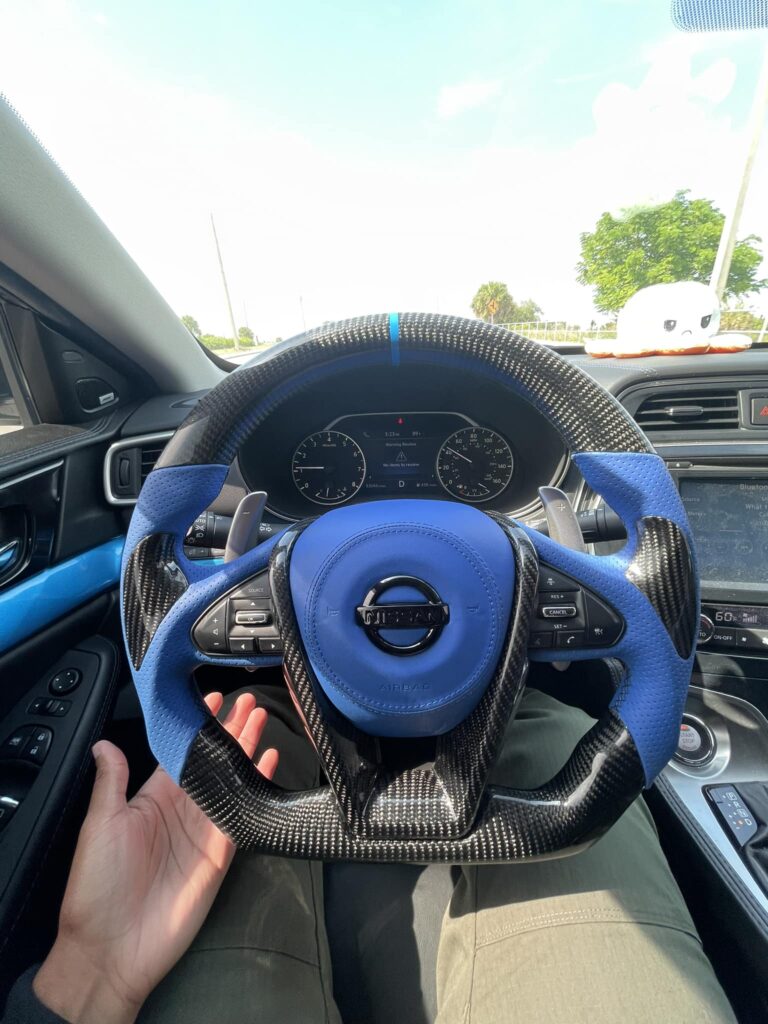
Owner: Bri
Year: 2020
Model: Maxima
Color: Custom Wrapped (Marble Style)
Engine: Gen3 VQ35DE
Transmission: CVT
Trim: Platinum



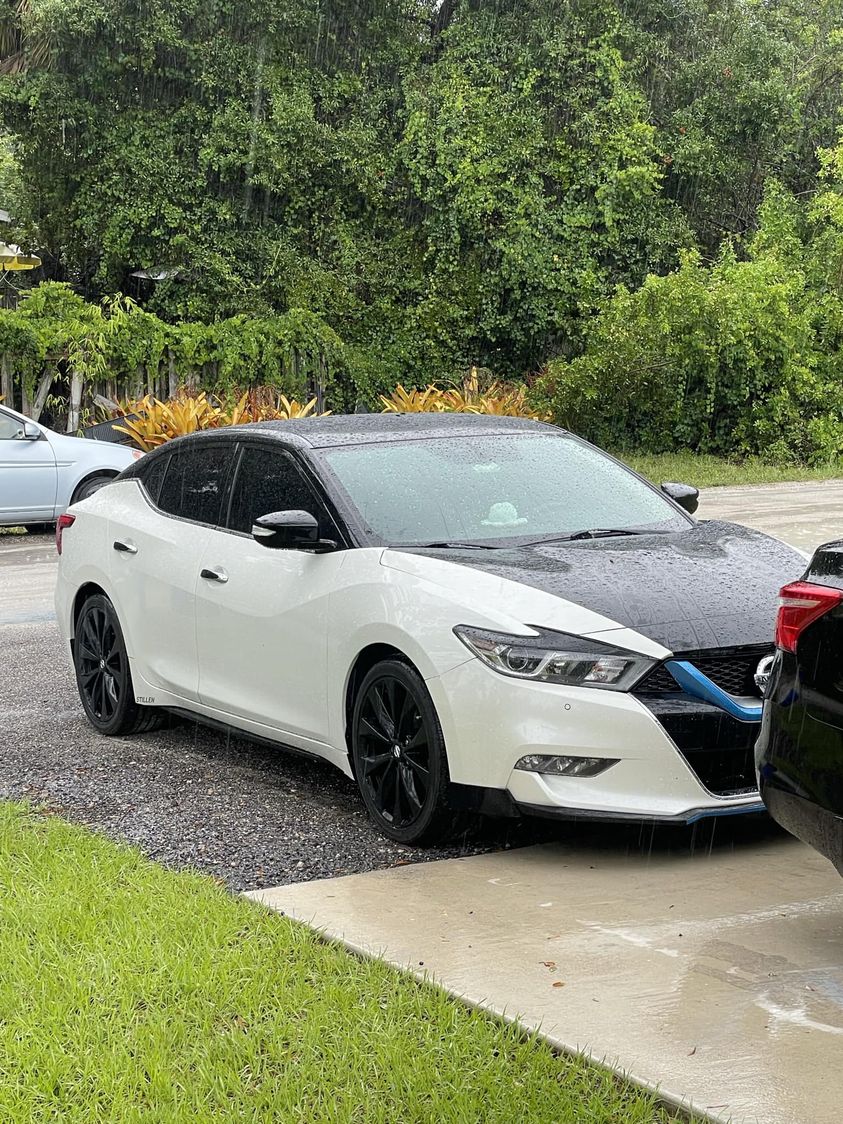
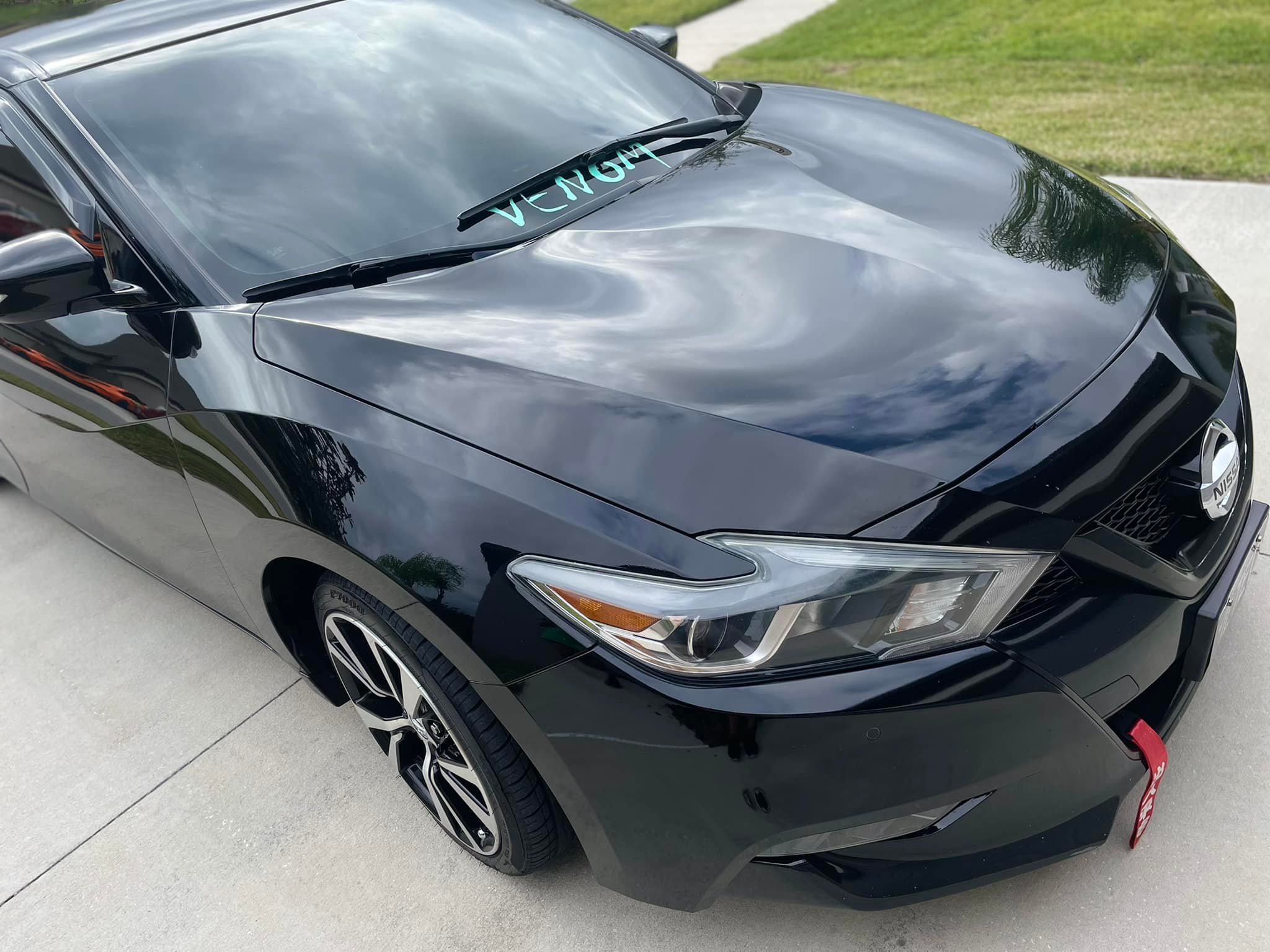
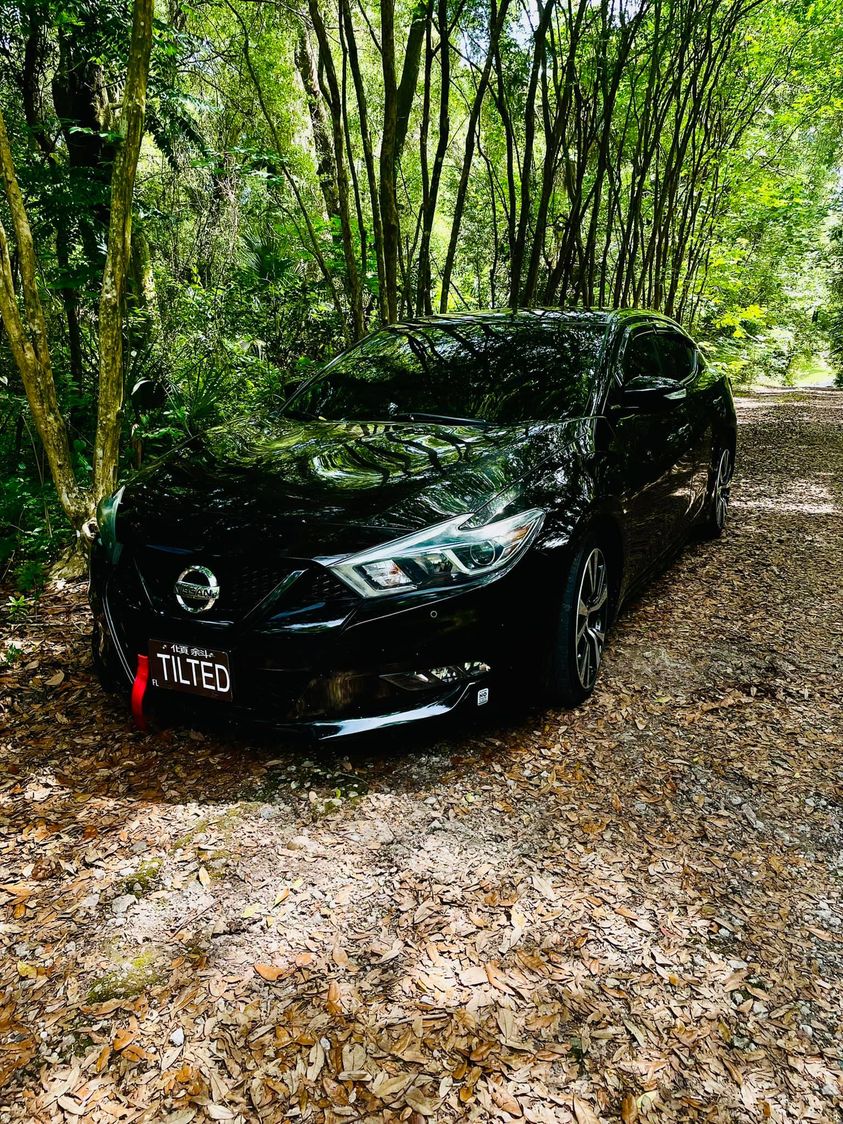
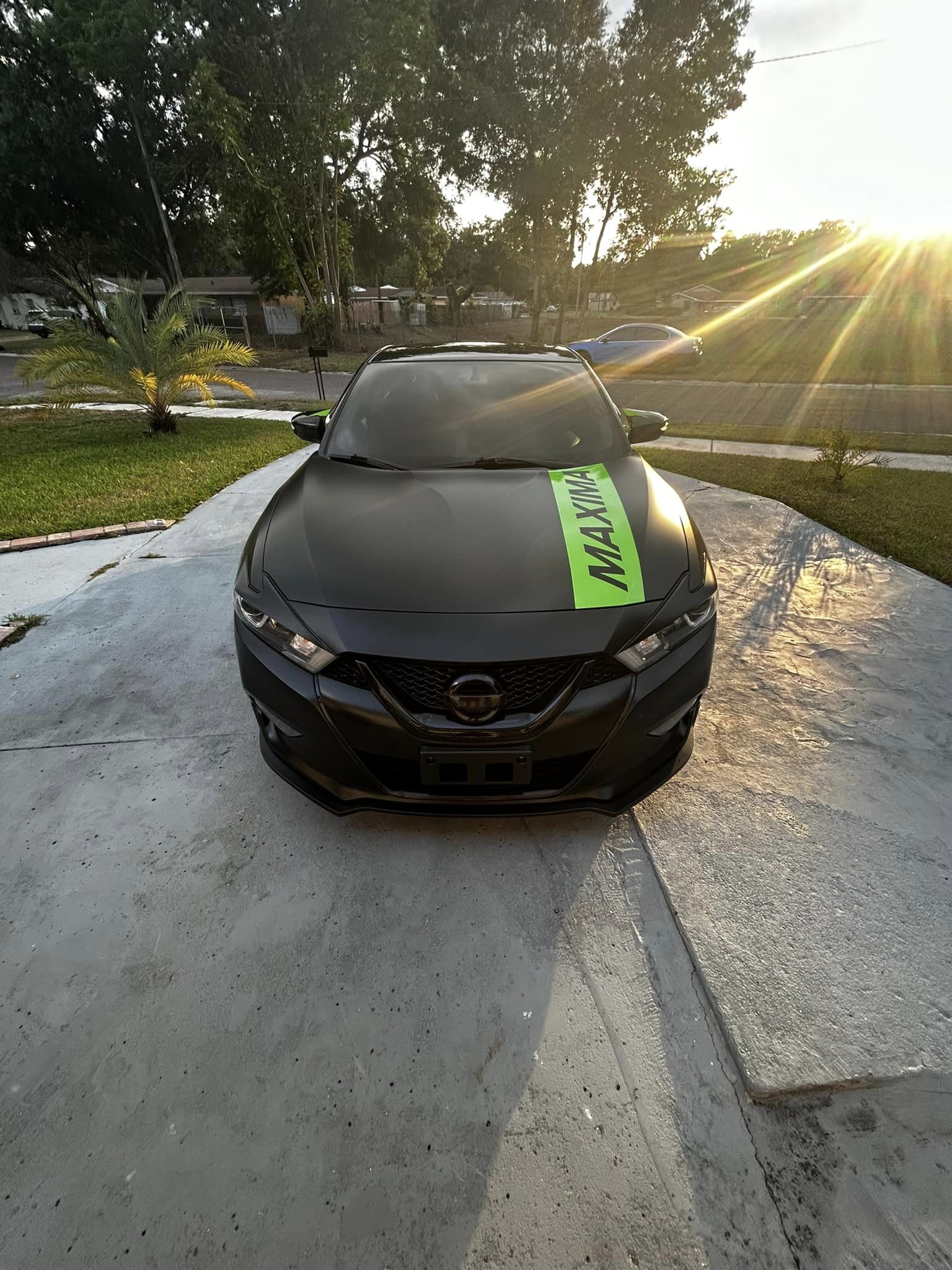
Owner: Eriking TC
Model: Maxima
Color: Black
Engine: Gen3 VQ35DE
Transmission: CVT
Trim: SL












Community Member Credit: gearsmagazine
Rebuilding transmissions can get tricky, especially when it comes to special tools. Of course, buying tools is a necessary part of our job. That being said, sometimes getting these tools can become difficult and expensive. In these cases making your own tool is the way to go.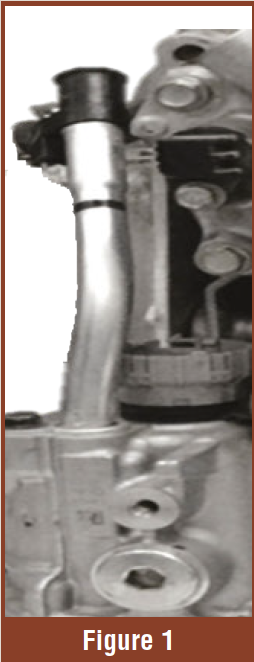
In this article, we’ll show you how to check the fluid level on the JF017E CVT transmission. We’ll use a 2014 Nissan Pathfinder as our test car. This particular vehicle has a filler pipe with no dipstick (figure 1).
We’ll cover three methods for checking the fluid. In all three examples you’ll want to start the engine and put the shifter into each position for five seconds each. After that, put the engine back in park and leave the engine running.
The first method uses Nissan’s special tool: KV311039S0.
Before you check the fluid level use your scan tool and make sure the transmission fluid temperature is between 95°-113°F. If the fluid temperature is not within this range you’ll get an inaccurate fluid level.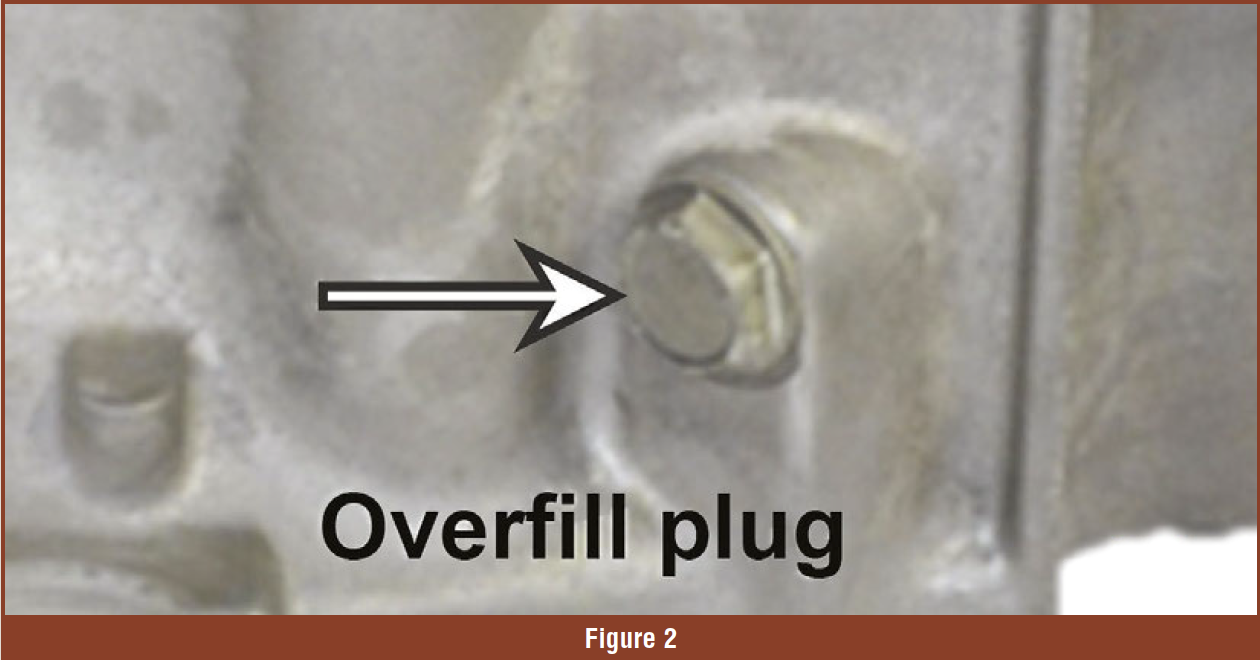
Next, raise the vehicle up and remove the overfill plug (figure 2). This plug is located on the lower bell-housing. With the plug removed you should see fluid dribbling out the hole. If the fluid level is low, attach this tool to the overfill plug and pump fluid into the transmission until it begins to dribble out.
Next we’ll use Nissan special tools: J-51155 and J-52611. One is a quick-check gauge and the other is a charge pipe cap release tool. Nissan has a TSB (NTB18-055b) that details the use of the tool.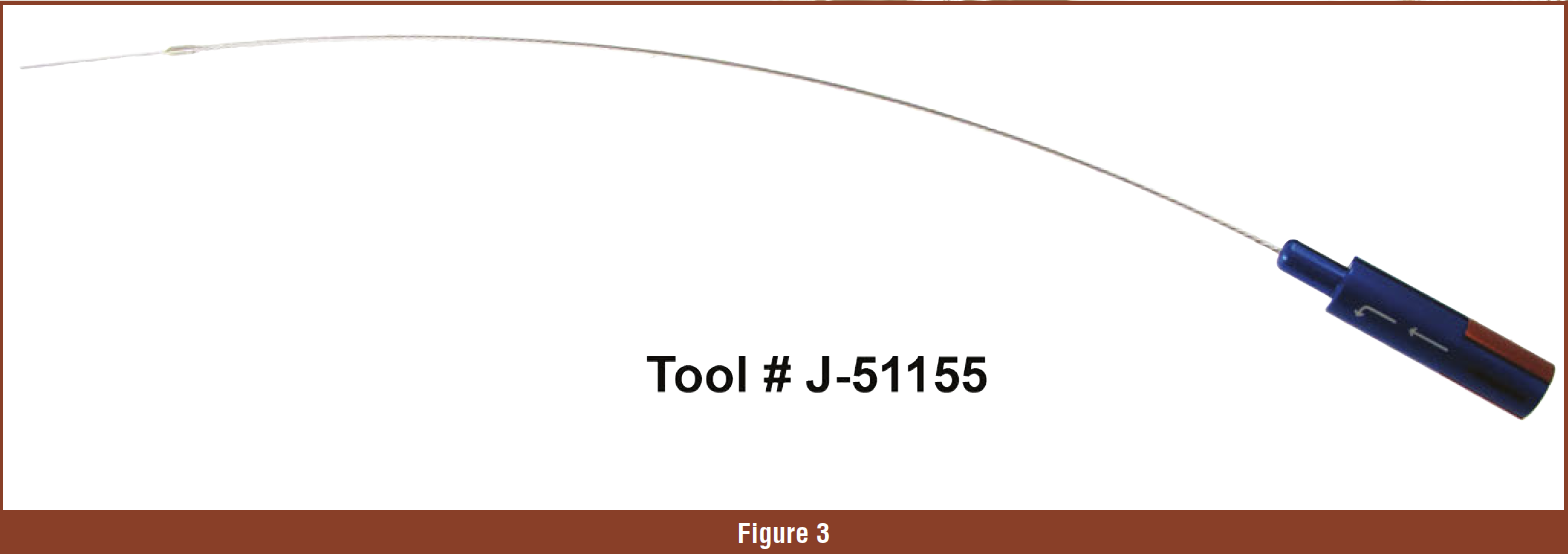
The great thing about this is that you don’t have to raise the vehicle in order to check the fluid level. The bad thing about it is that it’s hard to find. We tried a local dealer and were unable to get them. We did find them on Nissan’s Tech Mate site for about $260 www.nissantechmate.com, but always check with your local supplier first. Whether you buy the tool or make your own (as we’ll cover next) it’s a great site to have in your collection of bookmarks. Nissan details the use of the tools in TSB NTB18-055b but here’s the gist of it.
As before, you’ll want to check the fluid temperature with your scan tool although this time you’ll want the temperature between 170°-180°F.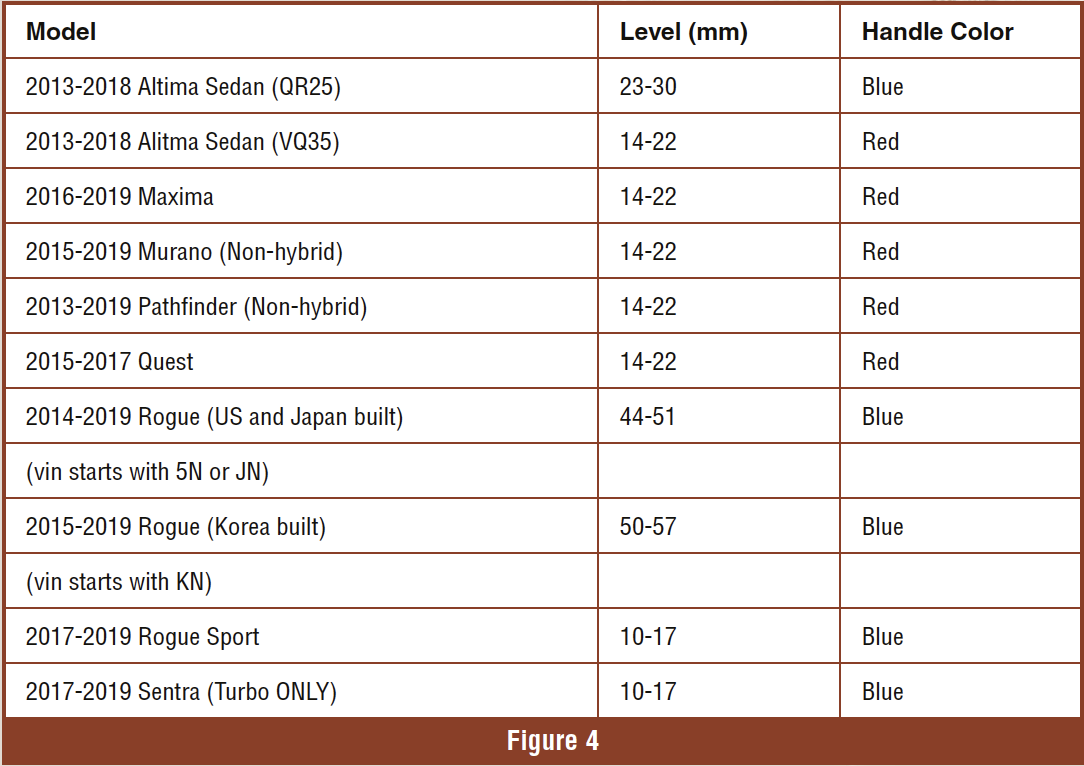
Remove the pipe cap using tool J-52611. If you want to save $20 you can release the cap with a small screwdriver instead. Now we’ll measure the fluid with tool J-51155.
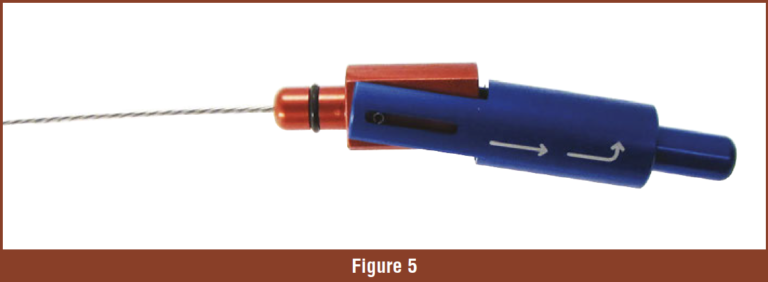
The J-51155 tool is basically two dipsticks in one (figure 3). The handle is both red and blue. The blue part of the handle is a spacer so depending on its position the dip stick will read differently. This gives the tool two distinct depths for the dipstick, based on the model car you’re working on. The chart in figure four shows you which setting to use. The chart also shows you which mark on the dipstick to use for each vehicle.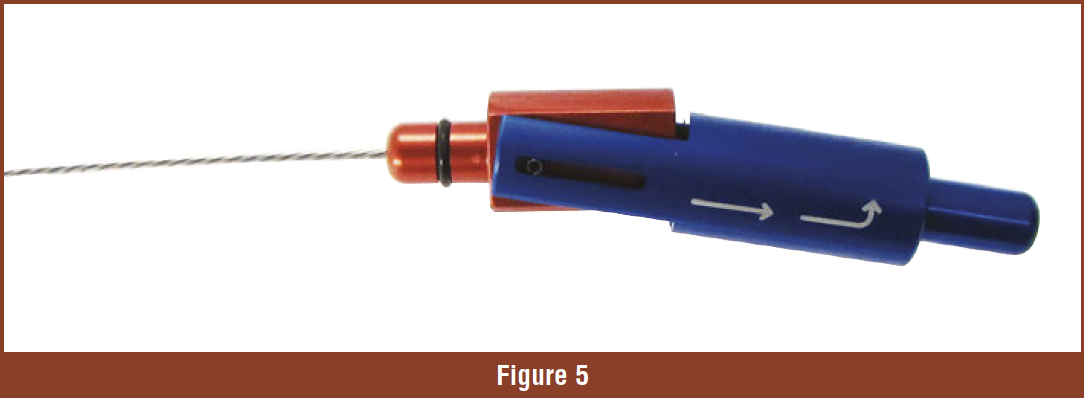
Using the 2014 Nissan Pathfinder as an example and referring to figure 4, you should use the red position handle to measure the fluid height (figure 5). The measured height on the dipstick should be between 14mm-22mm.
If the oil level is low, add fluid and recheck until you have the correct level. The tool makes it easier to recheck fluid levels after driving because you can check the fluid level with the vehicle on the ground.
If you don’t want to purchase the tool, all you need are two spare dipsticks to cut and add measurements to. The filler tube is about 5/8” so when we measure out the dipstick length keep in mind where the tube is going to sit on the dipstick. The measurements are shown in figure six.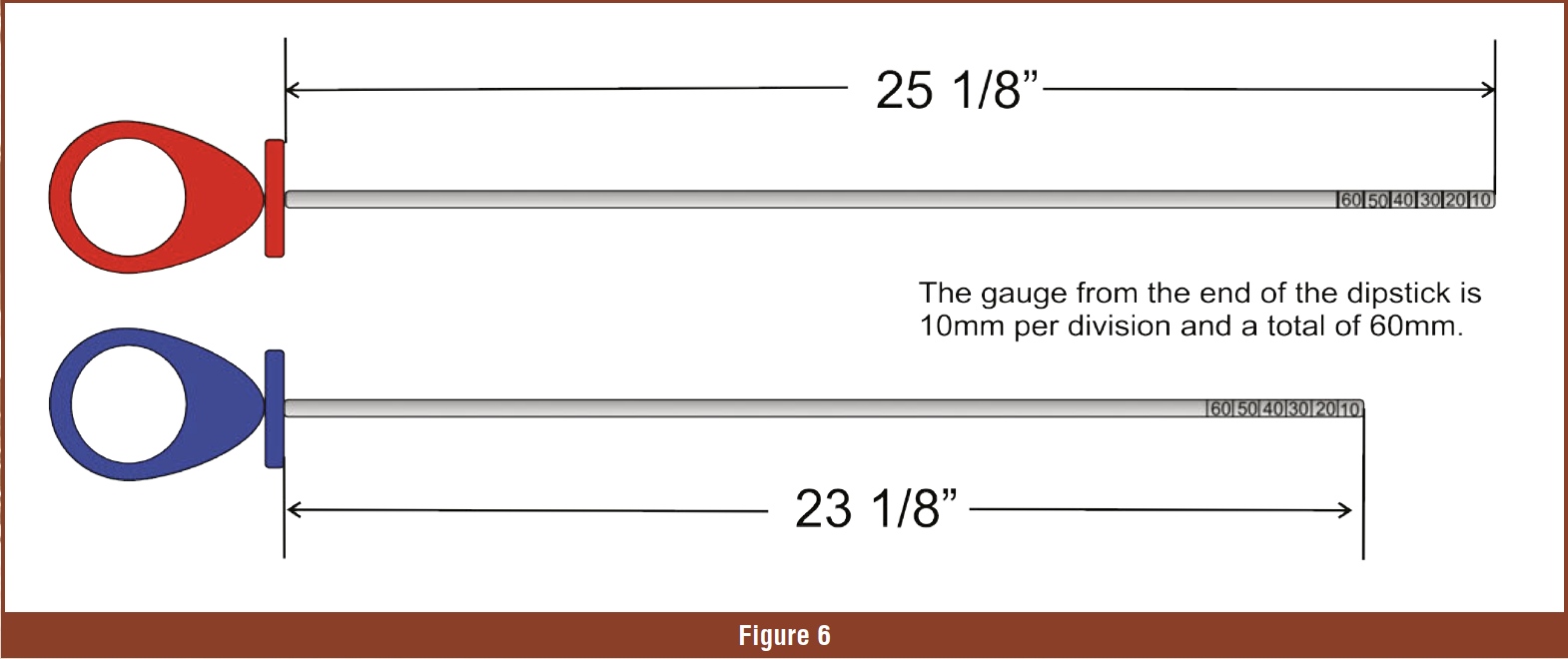
Cut two dipsticks to length, one at 25 1/8” and the other 23 1/8” long. From the end of the dipstick lay out the measurements. Mark out 10mm division until you have measured out 60mm. Use an engraver or a punch to label the measurement. The procedure is similar to the J-51155 tool and before you check the fluid make sure the fluid temperature is correct.
That’s it, you just saved yourself a lot of money and have a simple way to measure the fluid level.
Some of our homemade tools save us the most time and money. This one will be one of your installer’s favorite tools in the future.

Community Member Credit: underhoodservice
PDF Doc: TSB_CVT_FLUID_LEVEL_QUICK_CHECK_GAUGE_NTB18-088A_NOV_05_2018

Steps 1 through 6 will ensure that CVT fluid is properly distributed throughout the transmission.
*APPLIED VEHICLES equipped with CVT ONLY
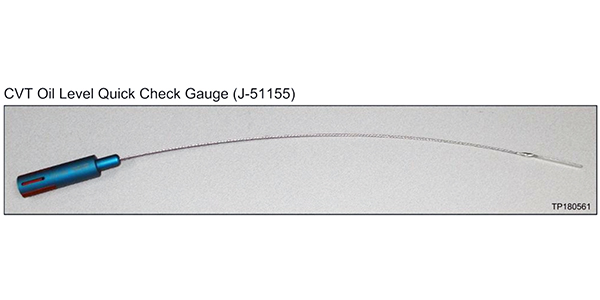
Special tools CVT Oil Level Quick Check Gauge (J-51155) and CVT Charge Pipe Cap Release (J-52611) are now available from Nissan and dealers, Figure 1 and 2. Also, tools can be obtained from Tech-Mate at 1-800-662-2001.
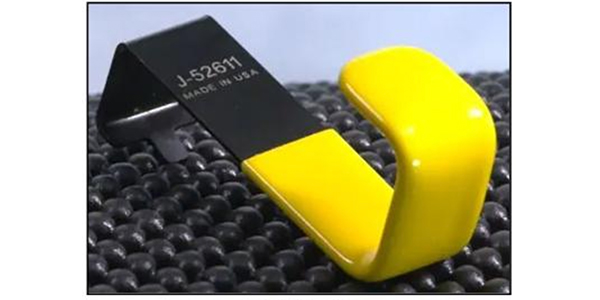 Figure 2
Steps 1 through 6 will ensure that CVT fluid is properly distributed throughout the transmission. A video on how to use tools is available on nissantechmate.com. Search for J-5261 and then select the Charge Pipe Cap Release Tool.
1. Park the vehicle on level ground (engine running, parking brake set).
2. Using a scan tool, ensure that the CVT fluid operating temperature is within the range of 170°F-180°F (77°C-82°C).
3. Shift the transmission into REVERSE for 5 seconds.
4. Shift the transmission into DRIVE for 5 seconds.
5. Shift the transmission into REVERSE for 5 seconds.
6. Shift the transmission into PARK.

7. Install special tool CVT Charge Pipe Cap Release (J-52611) where shown in Figure 3.
NOTE: The tool shown in Figures 3 and 4 is the same as the one shown in Figure 2, but looks slightly different.
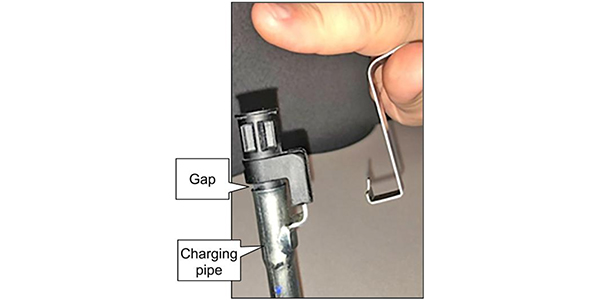
8. Squeeze the tool toward the cap, and then slightly lift the cap (see Figure 3). The cap’s locking tab is unlocked while squeezing. Notice the gap between the cap and charge pipe in Figure 4.
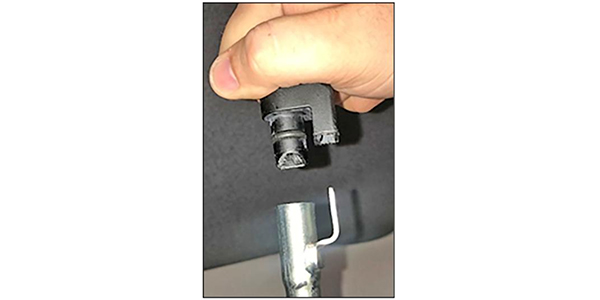
9. Remove tool J-52611 from the cap (see Figure 5).
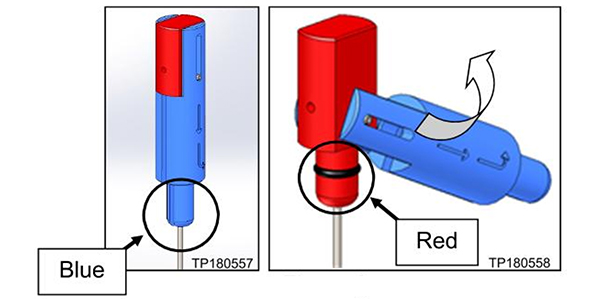
10. Pull to remove the cap from the charging pipe. Tool CVT Oil Level Quick Check Gauge (J-51155) can now be used to determine the CVT fluid level. The handle on tool J-51155 has two positions, red and blue (see Figure 6 and 7). Refer to Table A for the correct position for a given vehicle.
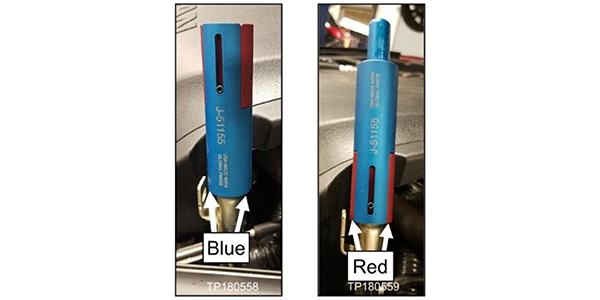
11. With the vehicle in PARK and the engine running, insert tool J-51155 into the pipe. Make sure to use the correct handle position (refer to Table A and Figure 8).
12. Inspect tool J-51155 to determine the CVT fluid level in millimeters, and then compare the reading to the specifications in Table A.

Owner: Johnny D.
Year: 2016
Model: Maxima
Color: Midnight Gold Wrapped
Engine: Gen3 VQ35DE
Transmission: CVT
Trim: SV






Credit: rimtymecustomwheels
Specs: