
Tag

F/I & Tuning

Browsing

Member Credit: Streetzlegend via FastMaximas.com

In this post I will go over the process I went through when building my turbo kit. As many know, the car was first equipped with a rear mount turbo for many years.

Some information about the car:

  • 1997 Maxima
  • Automatic
  • Turbo (initially rear mount turbo)

Rear Mount Turbo Preview

As a rear mount turbo, it was a great experience. It was my first time being in a turbo car much less driving one. I saw an episode of Powerblock on SpikeTV showing an installation of a rear mount twin turbo setup on a Corvette. Right away I started brainstorming and realized how easy it would be to do it. I started gathering parts and in a weekend we installed it. I went for my first drive, felt what it was like to get anything greater than 0psi and boy was I hooked. I will make a post soon about the details involved with the rear mount turbo.

  • I used 370CC injectors to begin with.
  • The turbo was a T04b with a .60ar T4 turbine.
  • None Intercooled with Meth.
  • 7-10psi
  • Rear Mount Turbo Dyno VQ30-00VI
  • (Expect a post about the rear mount soon)
  • It made 299whp / 291wtq

Front Mount Turbo Design

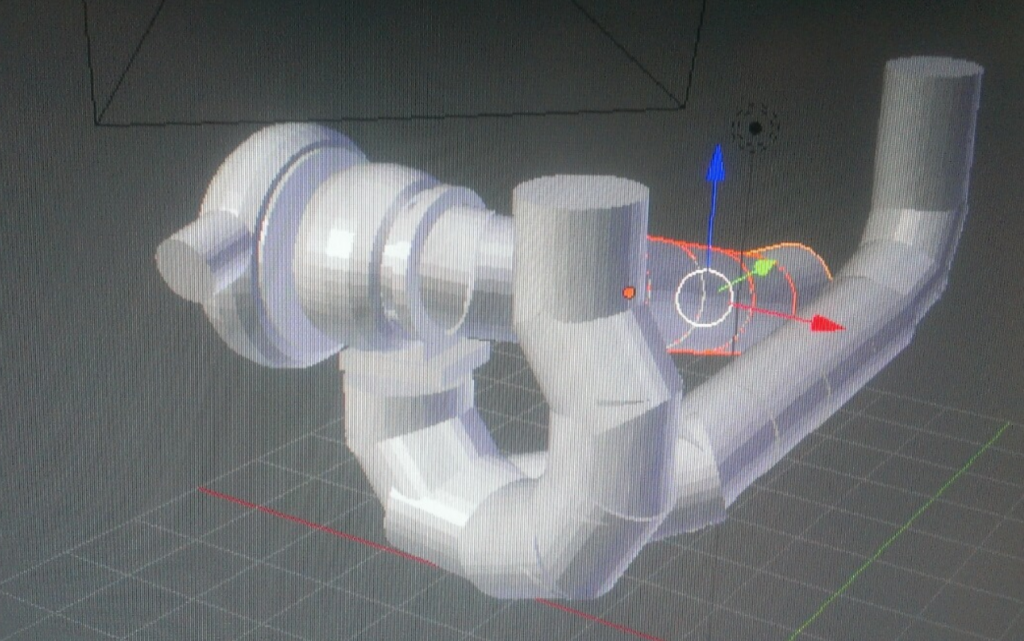
Fast forward several years and the car now garaged I was able to start gathering more tools and I was gifted a Harbor Freight 90amp Flux Core welder. Right away I started piecing together a front mount turbo kit in my mind. I started doing mock up 3D designs to get an idea and better visualize what I was going to do. I did not want to do the usual reverse y-pipe, or have to remove the battery, I wanted it to be efficient, and my own solution. This is the design I started with:

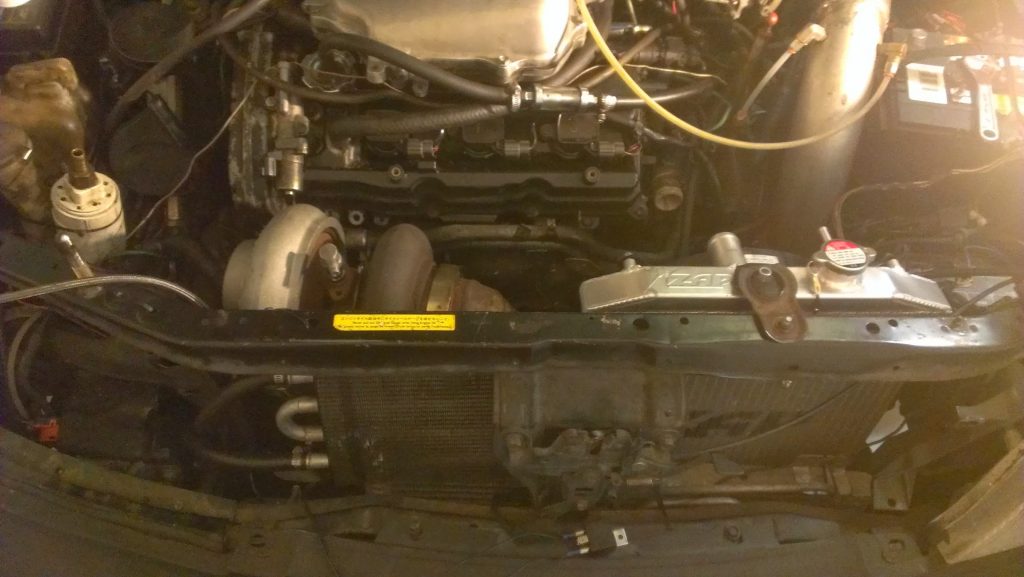
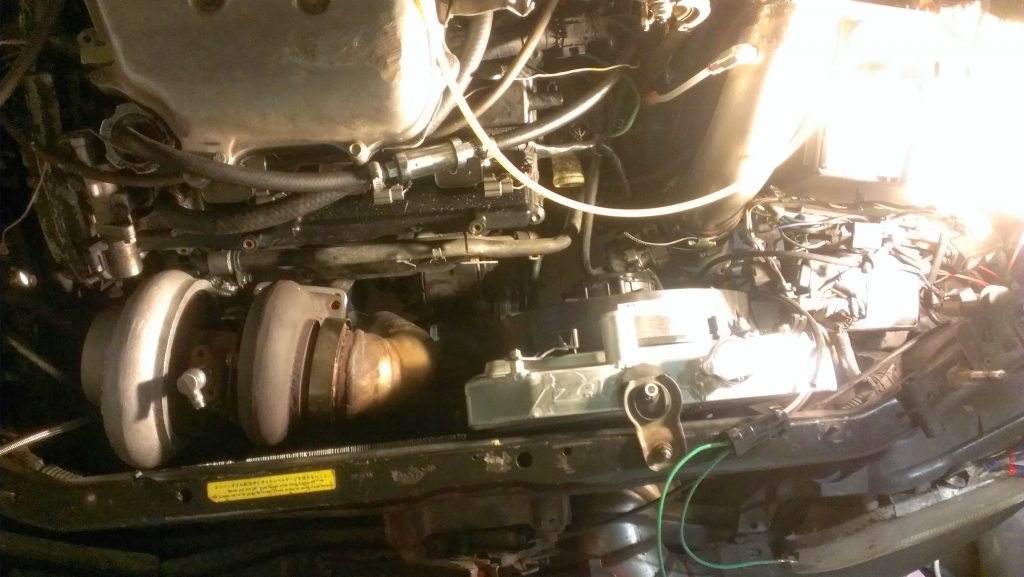
My plan was to place the turbo in the location of the AC compressor and remove the compressor. I mocked up the physical turbo to check the spacing in that area and I decided to put the turbo higher near the grill. Part of the reason for the new position was because I did not want to keep using a scavenge pump; the turbo would require one due to its low position.

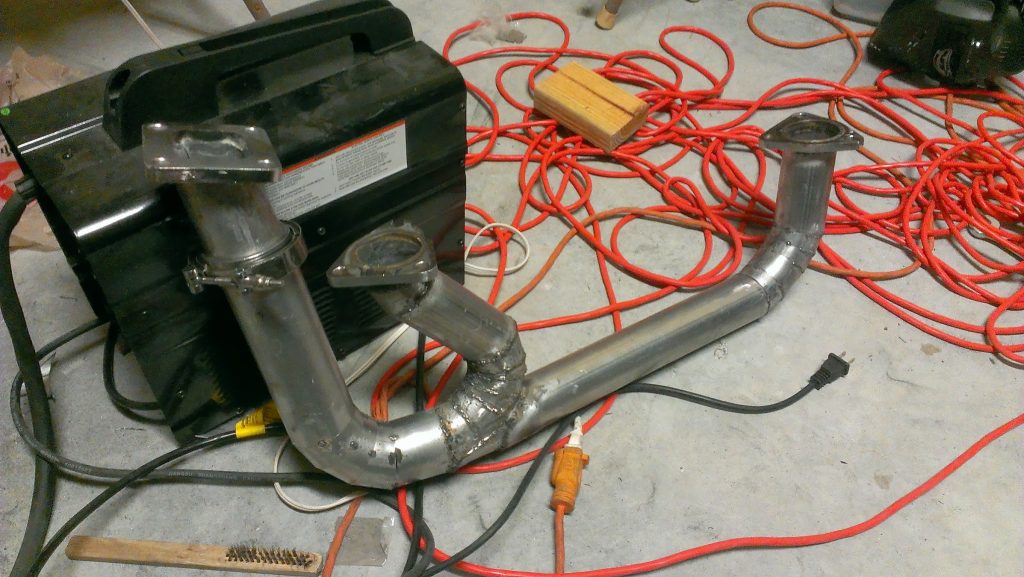
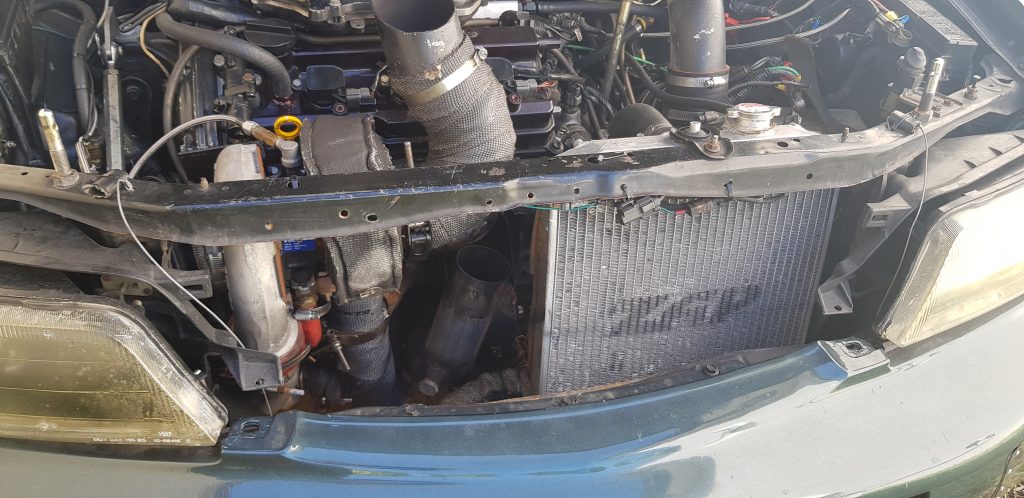
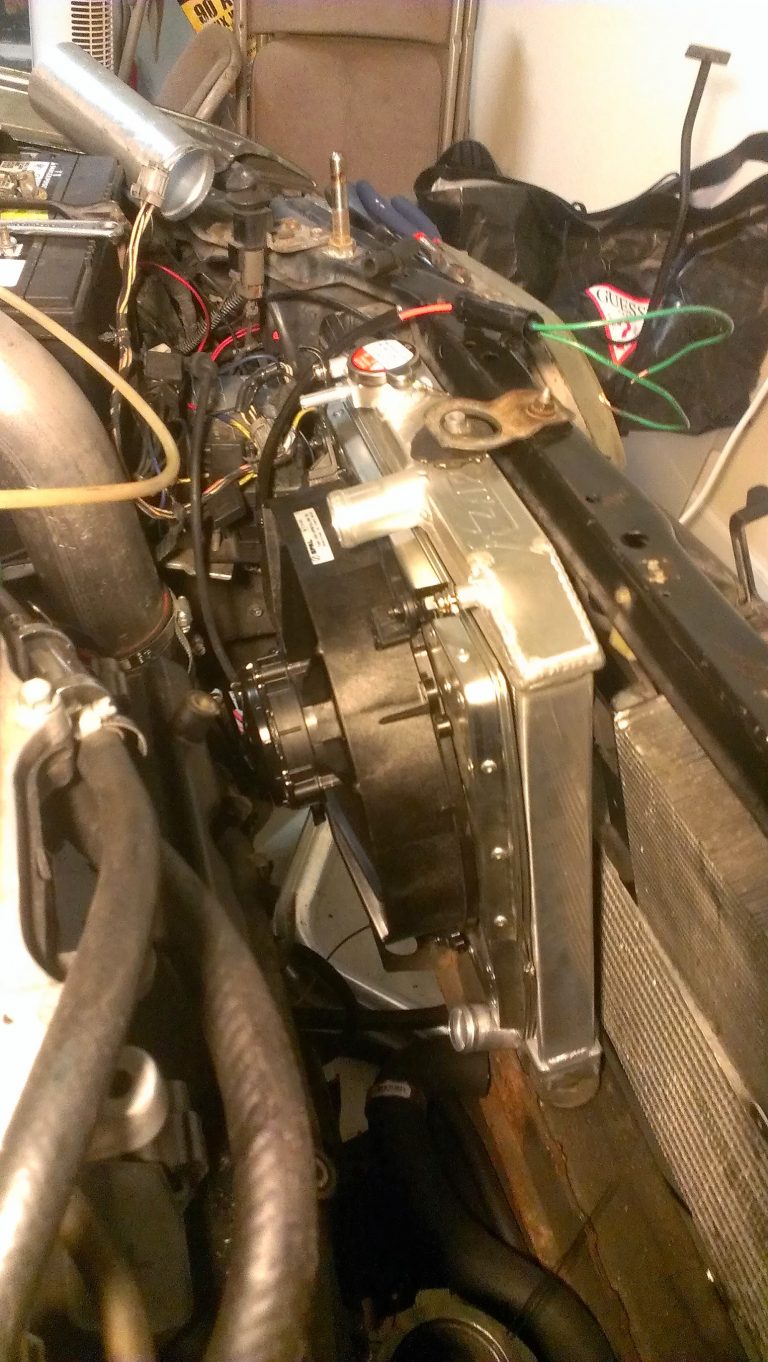
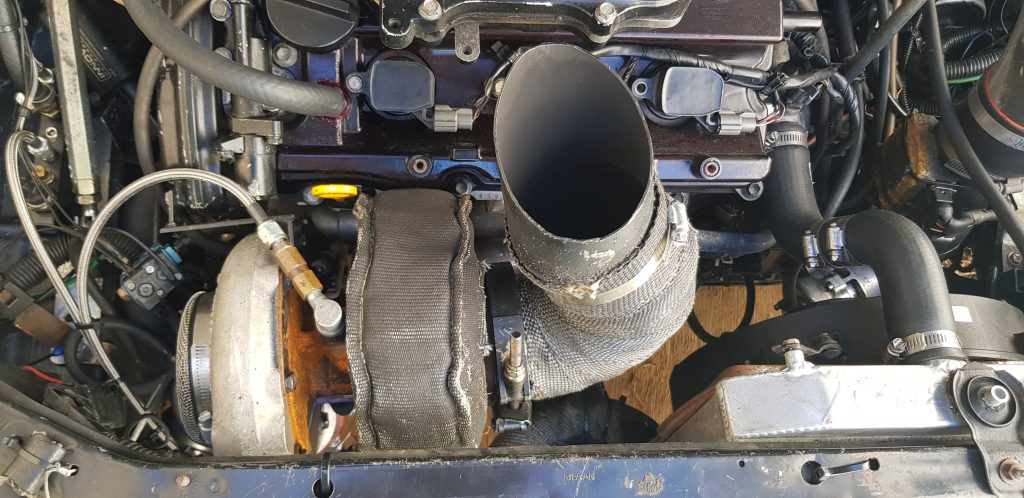
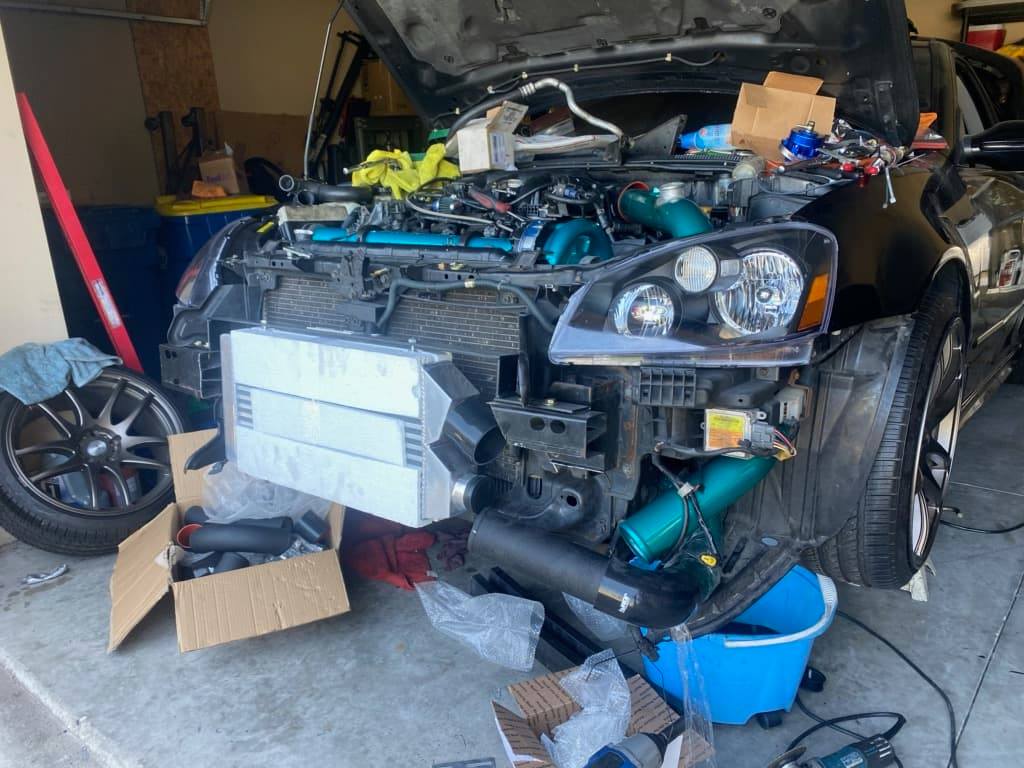
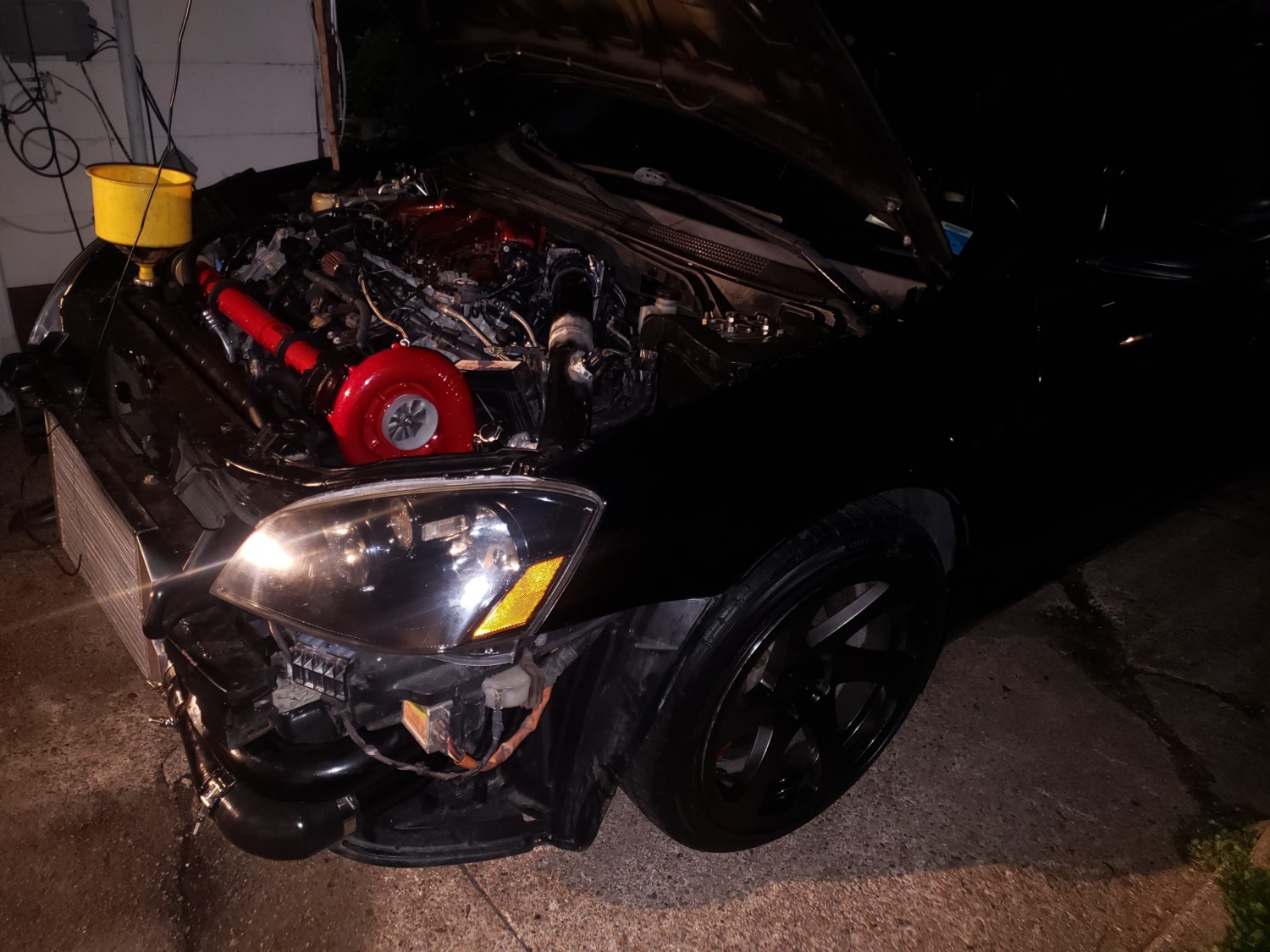
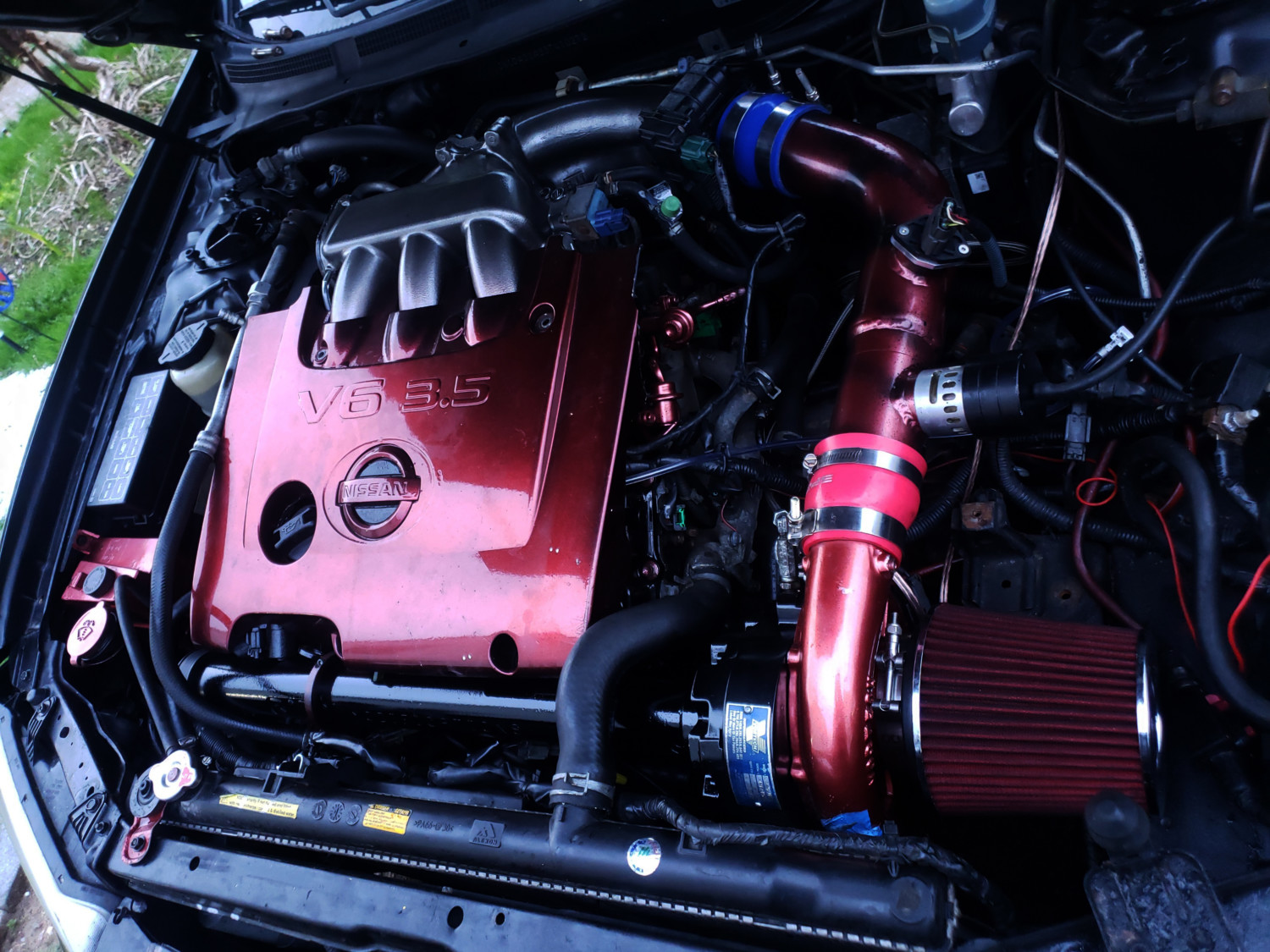
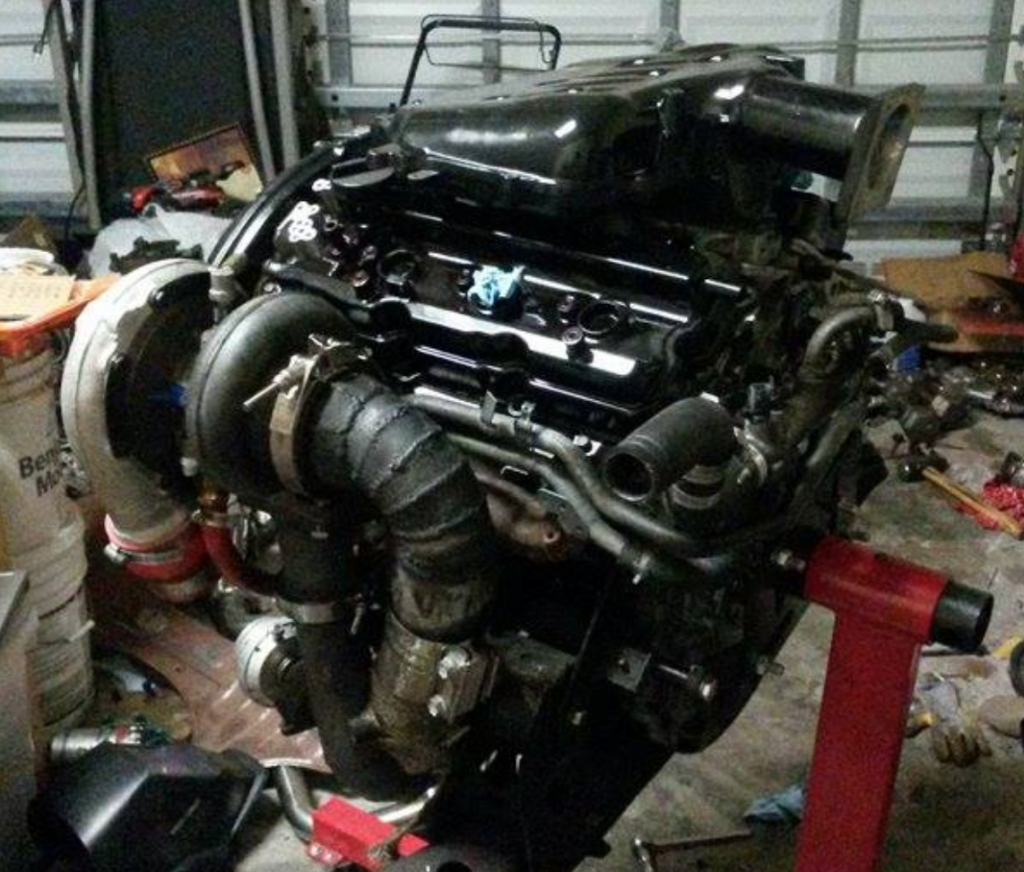
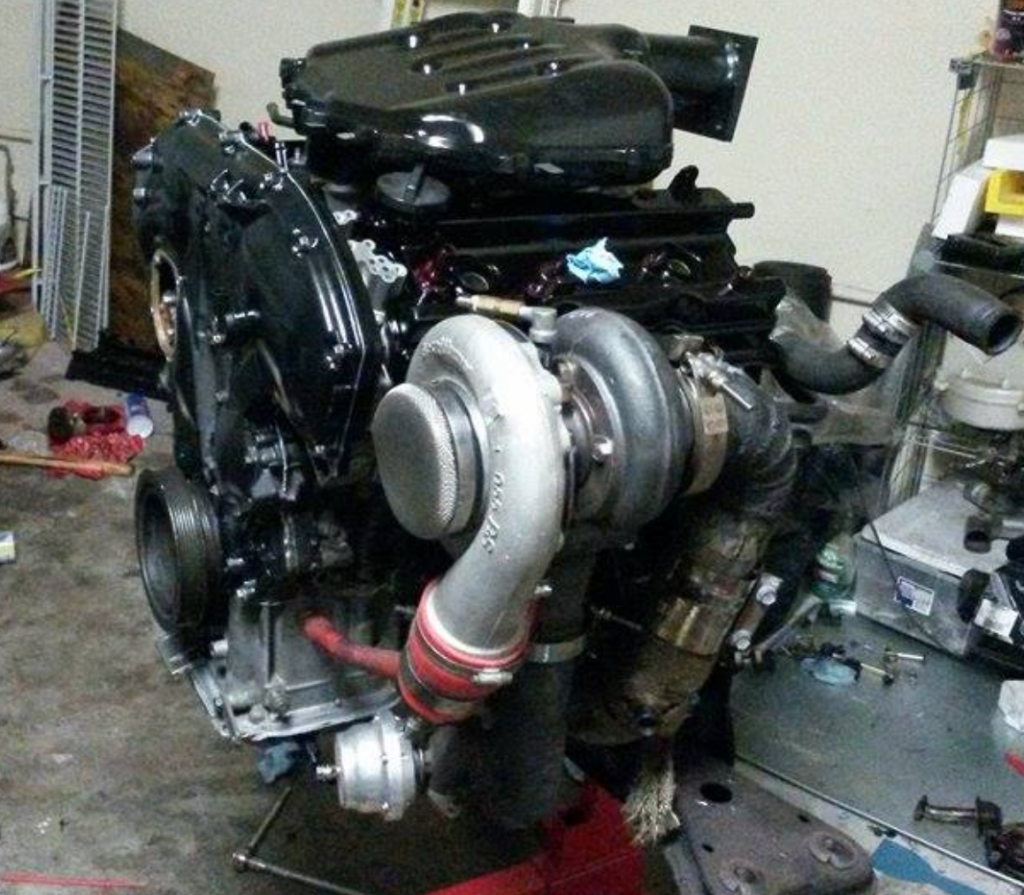
The headers were the factory iron ones, the flanges connecting to the header were reused from the Y Pipe previously used. The feed pipe has the same positioning as the Y Pipe except it aimed forward instead of the back, passing between the crossmember and the oil pan then up towards the alternator and above it. This new location required the use of a half size radiator. I used a Honda Del Sol 2 core with a custom shroud(It will be another blog entry). For the down pipe, you can see in the following pictures that I created a bend from the turbo down to the crossmember. The pipe then turns towards the back of the car and goes in parallel with the feed pipe (y pipe). After the feed pipe the downpipe continues on to the cat back like the exhaust system normally would. Here is the final location:

This video shows the initial engine start up after finishing the turbo kit. This was with the same turbo that was in the rear mount setup, which was an HX40Pro with a Bullseye .70AR turbine housing. This turbo’s spool up was quick as a rear mount and as a front mount with little travel it was instant.

Some of the details of this build:

  • Turbo: HX40Pro with a Bullseye .70AR
  • Wastegate: Tial 38mm, open to atmosphere
  • Blowoff Valve: Tial 50mm
  • Injectors: ID 1000cc
  • Turbo feed pipe size has 2.25in legs coming off the headers and merging into 2.5inch up to the turbo. There is a v-band in place before the turbine to be able to swivel the turbo around.

I cannot compare between Rear Mount and Front Mount because they had different turbos, I only drove the car briefly with the HX40 before I upgraded it so I do not have data to compare. But most certainly the response time for the turbo was different; the difference between the turbo being in the very rear of the car vs. being at the front was noticeable.

In the next post ill go over the cooling aspect of the setup and how I used a small radiator.

To be continued…

Loading

Member Credit: Streetzlegend via FastMaximas.com

In this part two of the front mount turbo build I will go over making the radiator efficient enough to cool the engine in all conditions.

Some information about the car:

  • 1997 Maxima
  • VQ35DE
  • Automatic
  • Turbo (initially rear mount turbo)

DIY Fan Shroud

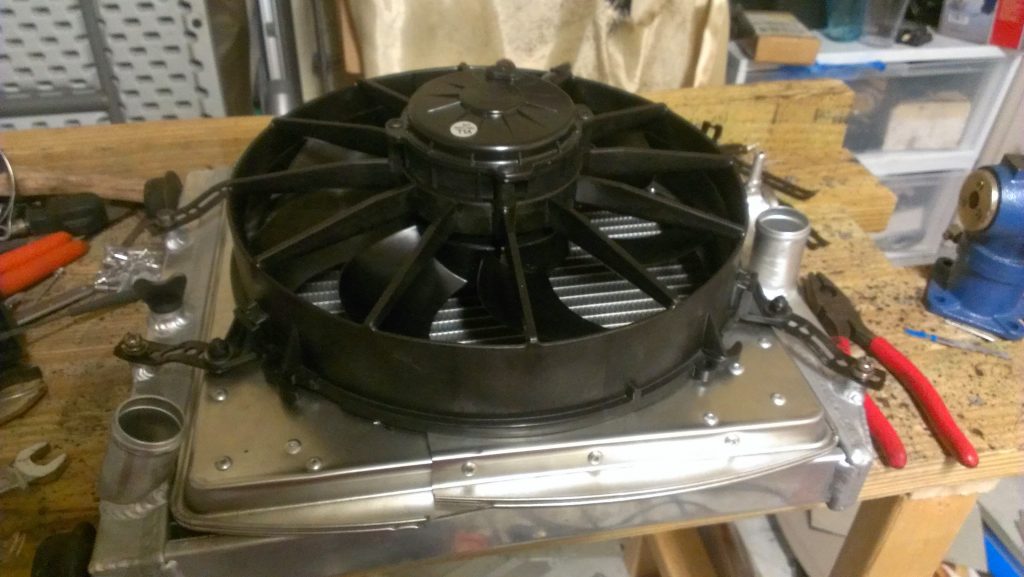
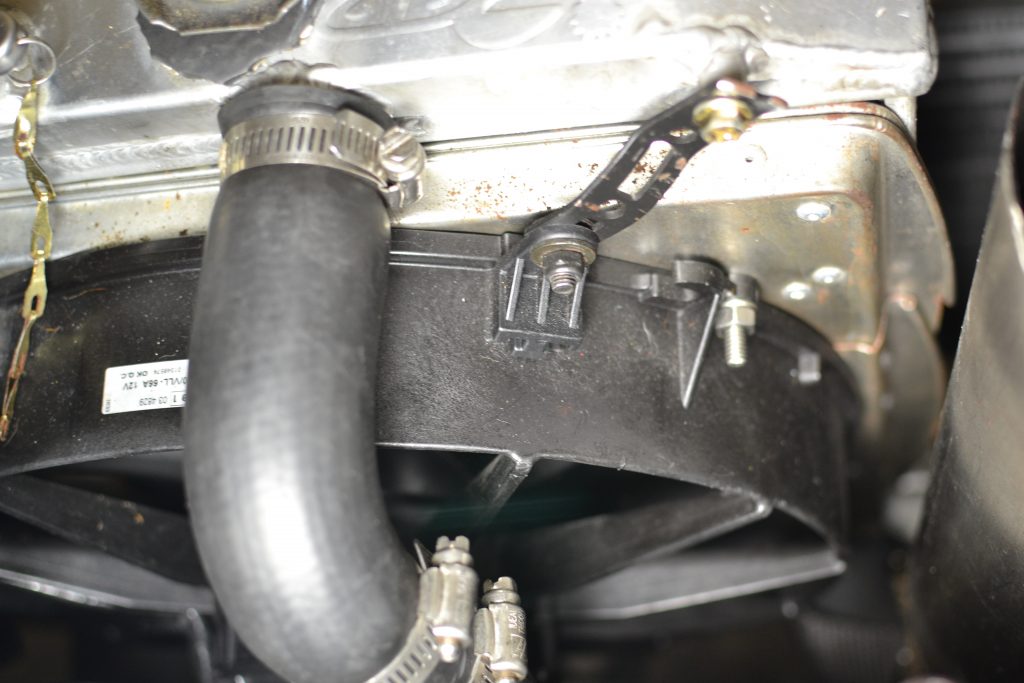
I used a generic brand radiator from eBay. It is a two core aluminum radiator for a Honda del Sol. The fan used is a Spal 12″ Curved Blade Puller Fan. With a pullIng fan it is important to use a shroud so that the air is pulled from all sections of the radiator. Having no shroud the fan will only pull air through the area where the fan is mounted too; limiting the cooling area to that diameter.

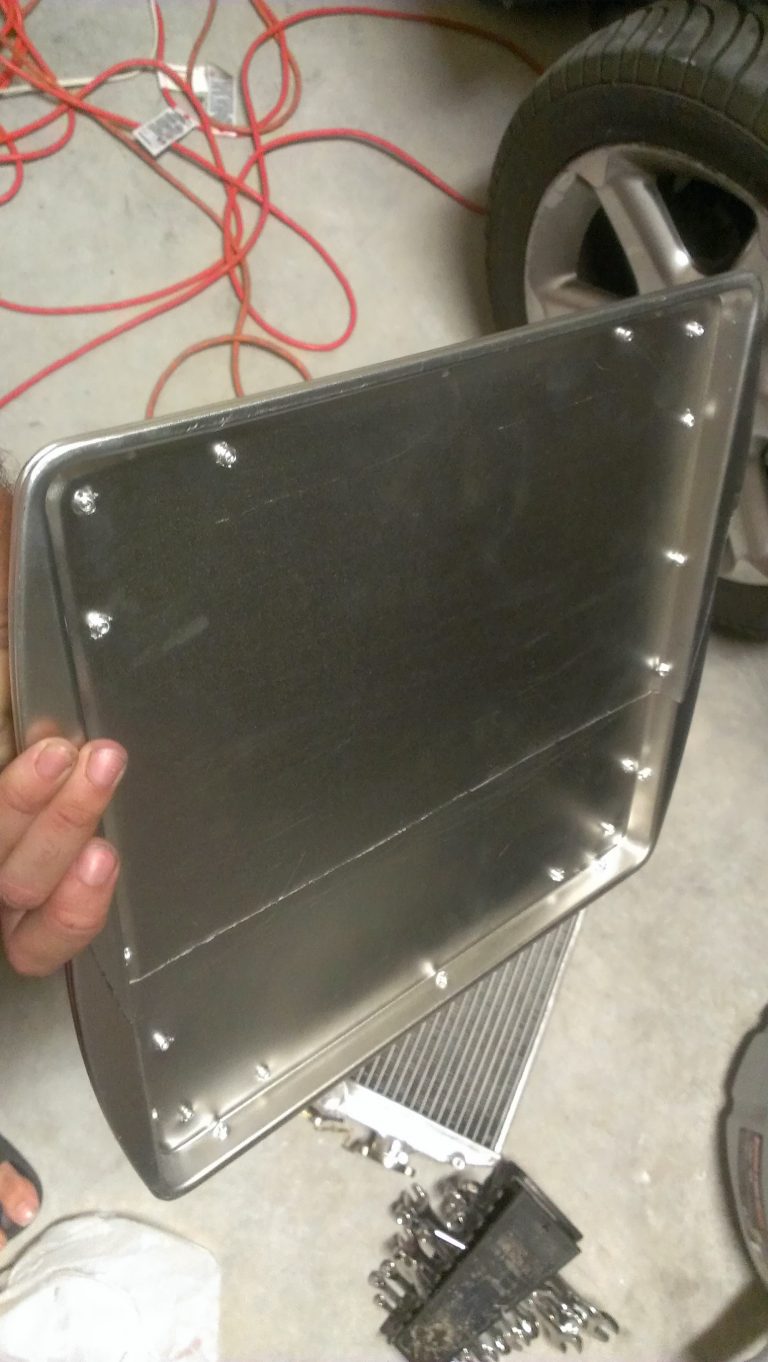
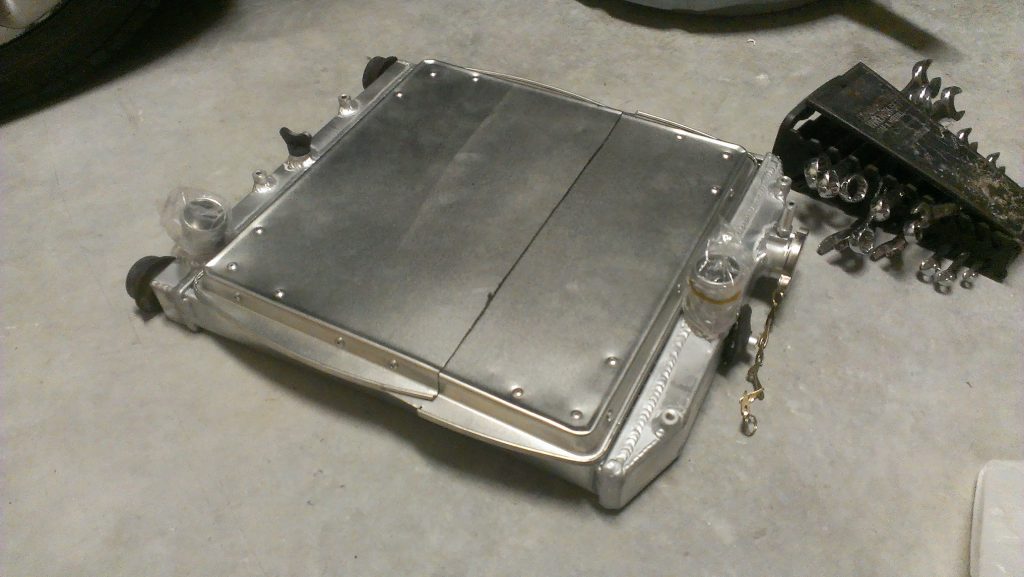
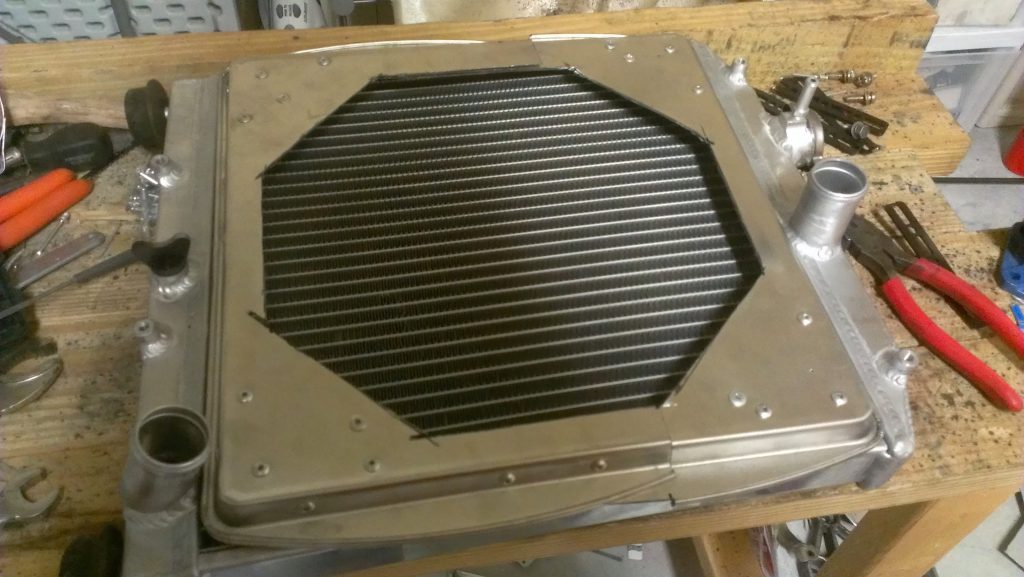
I created the Shroud using two cookie baking trays. I cut both of them in half then I overlaid the ends together so that I can have a specific width to cover the whole area needed. The tray is about a quarter inch to half an inch deep which means this is how far the trays floor will be away from the radiator; you want this distance or greater to help pull air from the corners of the radiator.

I then riveted the trays together to make a sturdy. I cut a hexagonal shape in the center with the same diameter as the fan (12″). To support it all, I used the brackets that came with the fan and bolted them to the radiator; I fastened the shroud to the radiator with through bolts.

Dealing with exhaust Heat

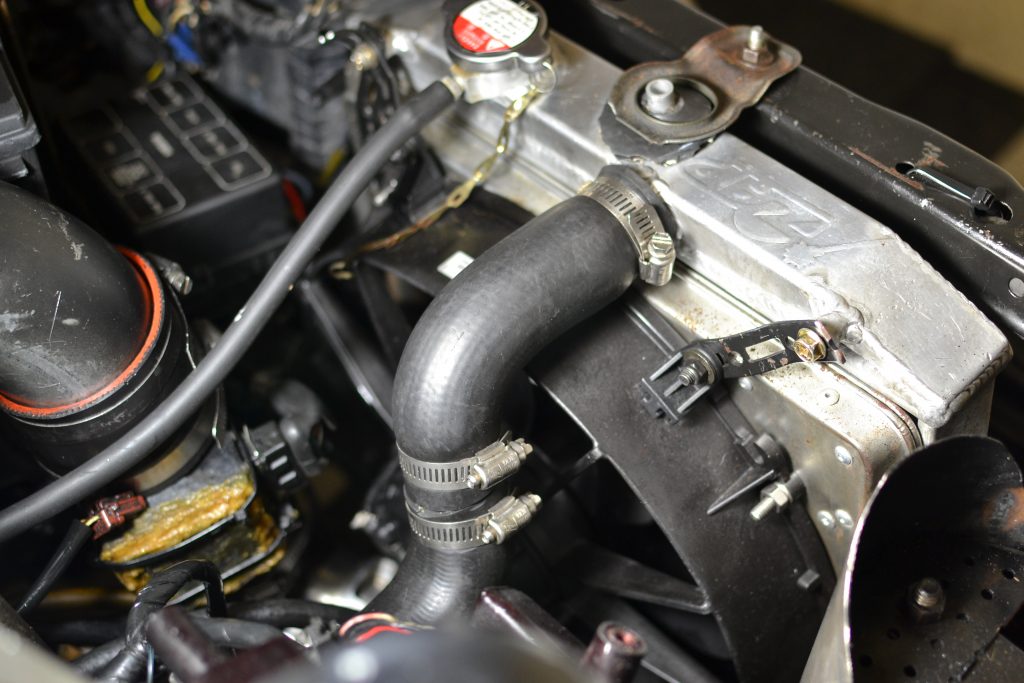
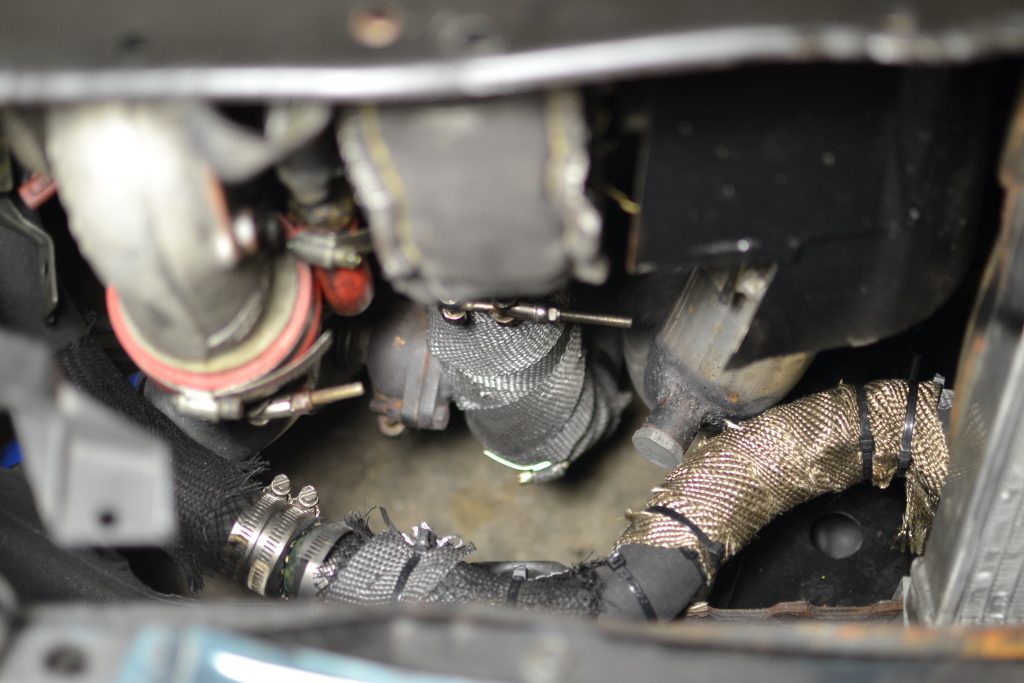
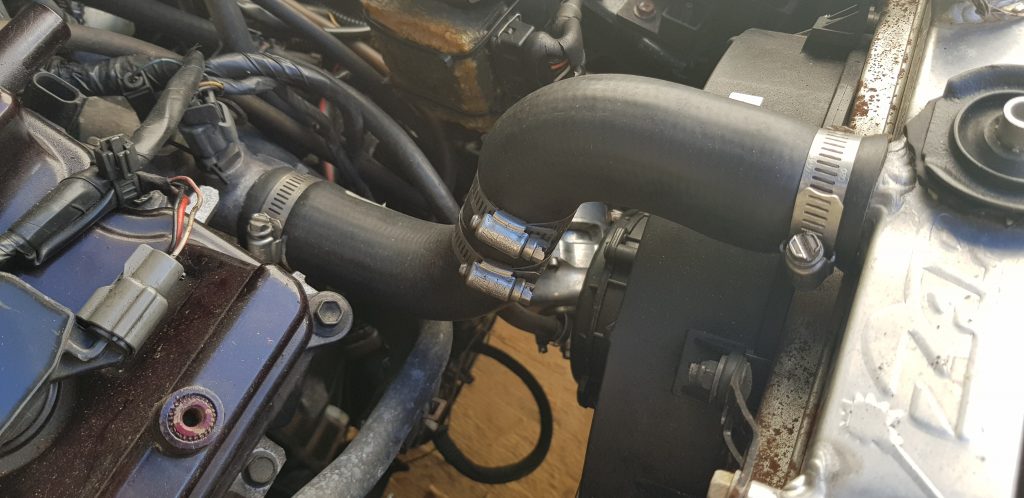
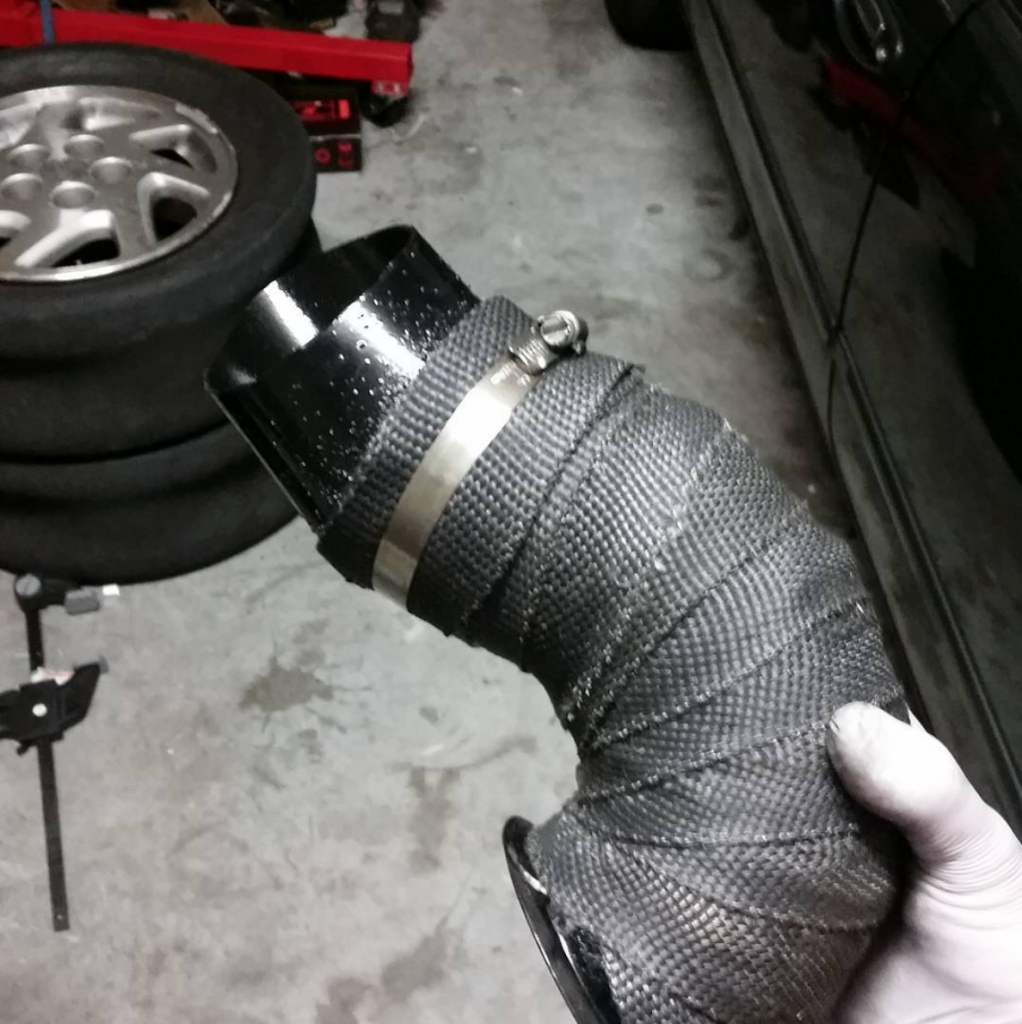
For the radiator hoses I visited a local parts store and asked to get access to all the hoses. The tricky part was the bottom hose, so I found several bends that worked out great. I used a connector to merge the hoses together to make one final piece that would go across the radiator support, to the passenger side, and up like the usual stock hose path. This bottom hose passes directly in front of the feed and down pipes so wrapping them in header wrap was necessary in my opinion to protect the rubber from direct heat.

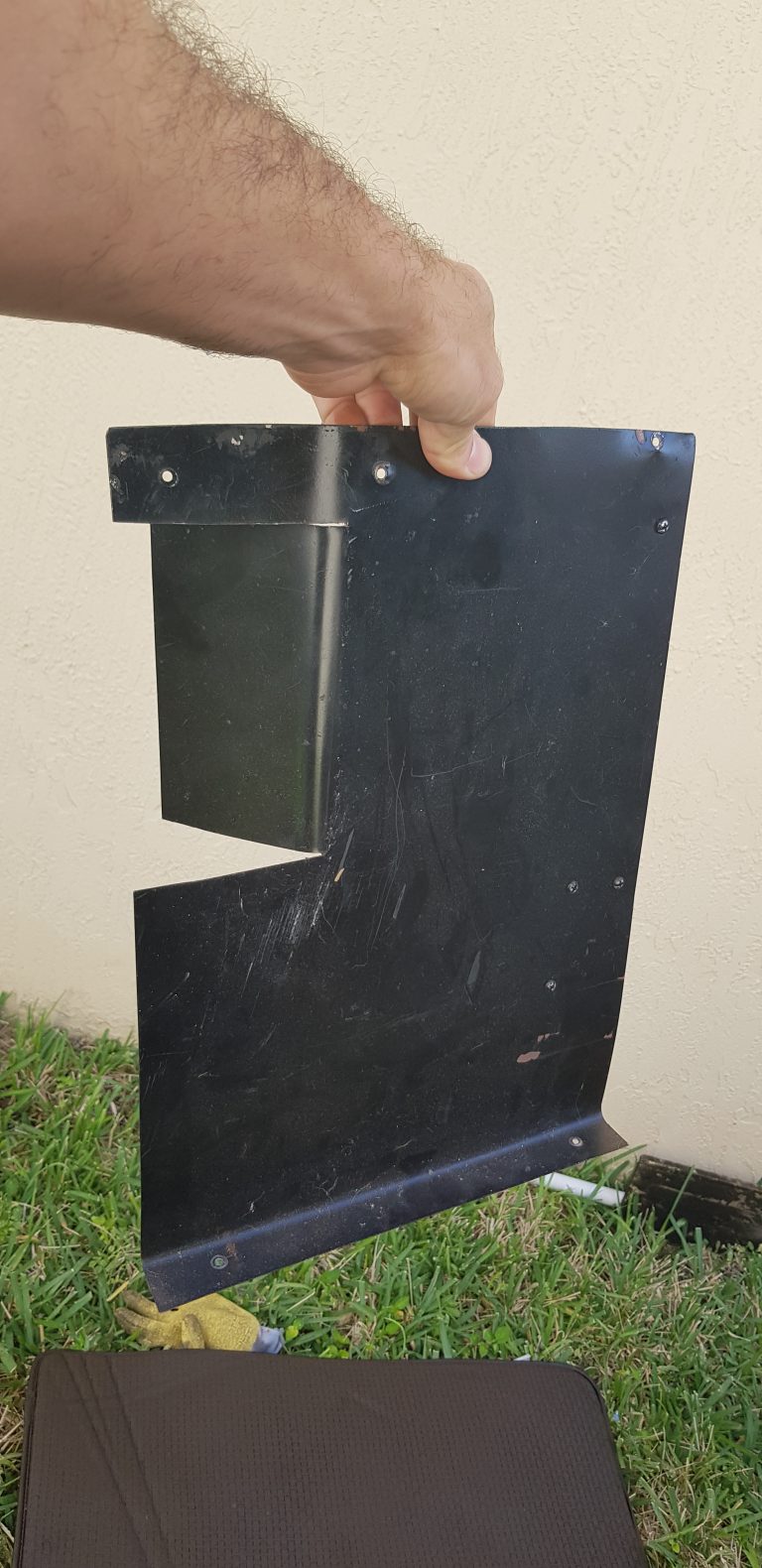
After driving around it was clear that I needed to wrap the down pipe and feed pipe to keep it from starting to over heat; this is when I thought I should have purchased a three core radiator. With a few modifications I have had success with the two core. I created a shield to block the down pipe from radiating heat directly onto the radiators side which helped a lot.

This video shows the heat shield made to block heat from the downpipe.


As you can see in the video, I had the transmission cooler mounted on the grill in front of the turbo. This was an issue because the heat coming off the turbo and exhaust piping would warm up the cooler in traffic. I had to relocate the cooler and at the same time upgraded to a larger unit; more on this in its own blog post.

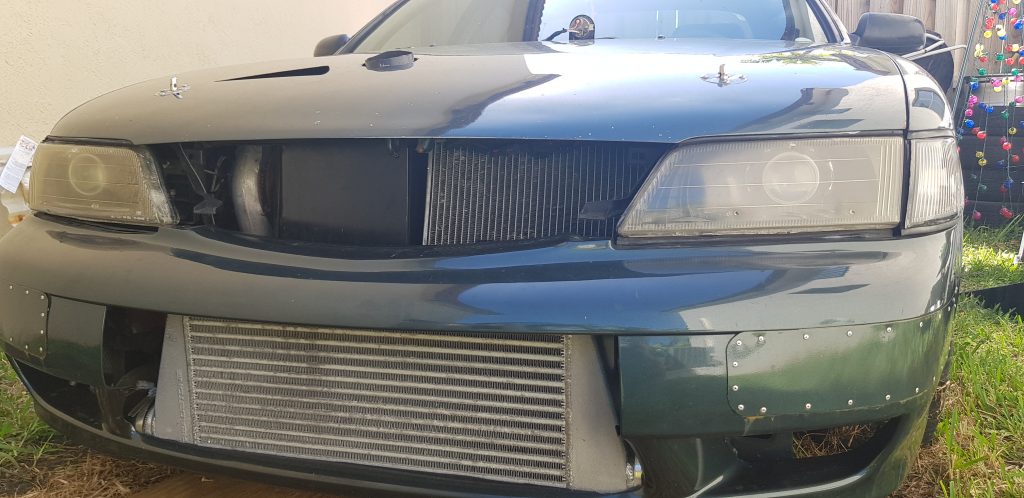
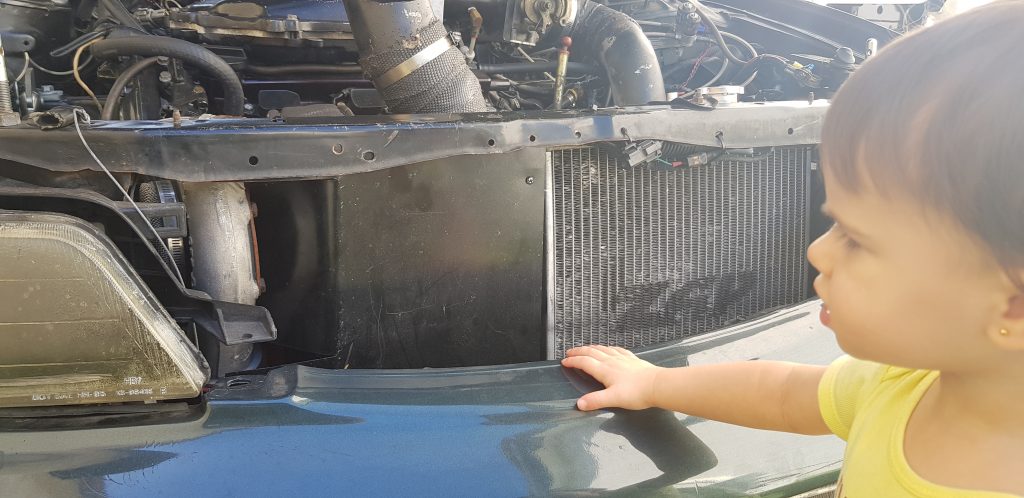
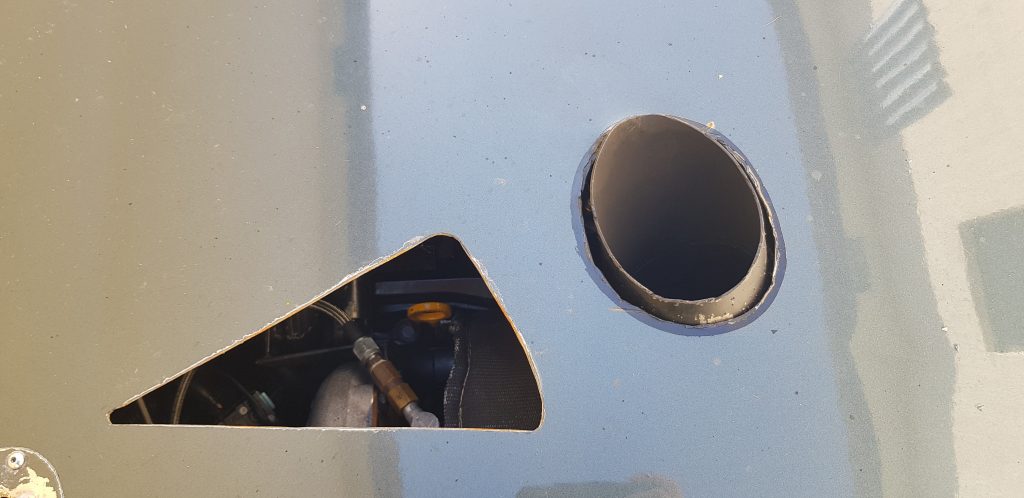
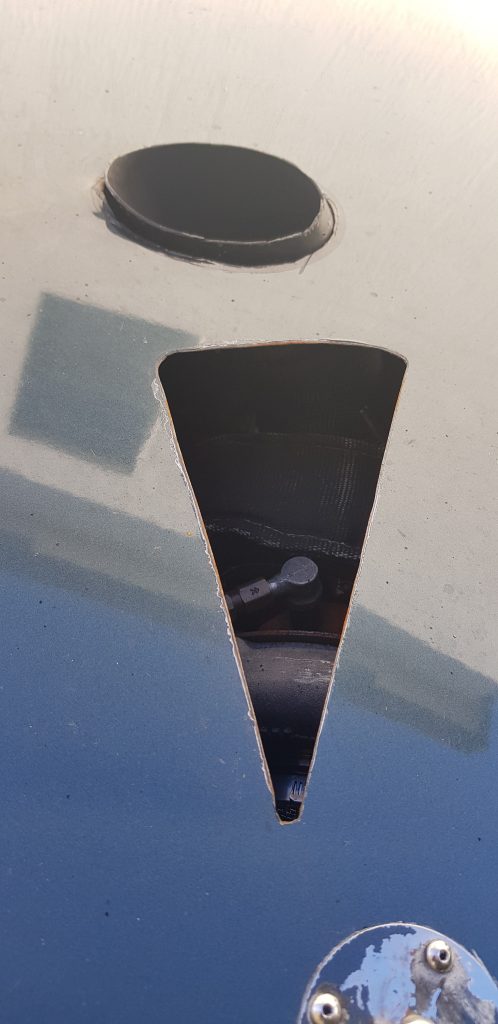
The next test was sitting in traffic or in a staging line. The engine would start to warm up after a long while. I realized that the reason for this was because the passenger side of the grill area was opened exposing the turbo and exhaust piping. This means that when the car is at a stop, heat comes out of the front of the grill area then gets pulled back in through the radiator; basically the radiator was pulling air that was already hot. The solution was to make a plate from thin aluminum which blocked the left side of the grill completely. I then cut a triangle on the hood above the turbo so that it could be an escape for the heat. The end result gave me a reliable setup for cooling.

Finally, since the car is now more focused for racing, I created a short exhaust pipe that exits out of the hood. This is used for the track or weekends. Alternately I can attach the catback to the original turbo outlet I created when I want a quiet ride. will go into details in the next post.

In the next post I will go over how I created the rear side exhaust while still keeping a muffler.

Loading

Member Credit: Streetzlegend via FastMaximas.com

In this part three of the front mount turbo setup I go over the exhaust options. Exhaust exit to the floor, exit out of the hood and cat back exhaust.

Some information about the car:

  • 1997 Maxima
  • VQ35DE
  • Automatic
  • Turbo (initially rear mount turbo)

Floor Exit

To get the car on the street quickly I made the turbo exit aiming down to the floor. This was not fun like when you drive around the block with no cat back installed and you cant feel your own body due to the noise and drone. The pipe used was 3.5inch and the bend was made with pie cuts for a sharper turn to stay away from the radiator.

Driving required some getting used too. As you drive a car for a long time you start to become aware of the sounds it makes. You can hear when its lean, rich, knocking, or piston slapping. When those sounds are overpowered by the exhaust, you are left with no feedback; you feel disconnected. Apart from that the car was now alive. Here are videos with the exhaust to the floor.

Front mount turbo idling with down pipe aiming to the floor.

Front mount turbo untuned test drive with down pipe to the floor.

Cat Back

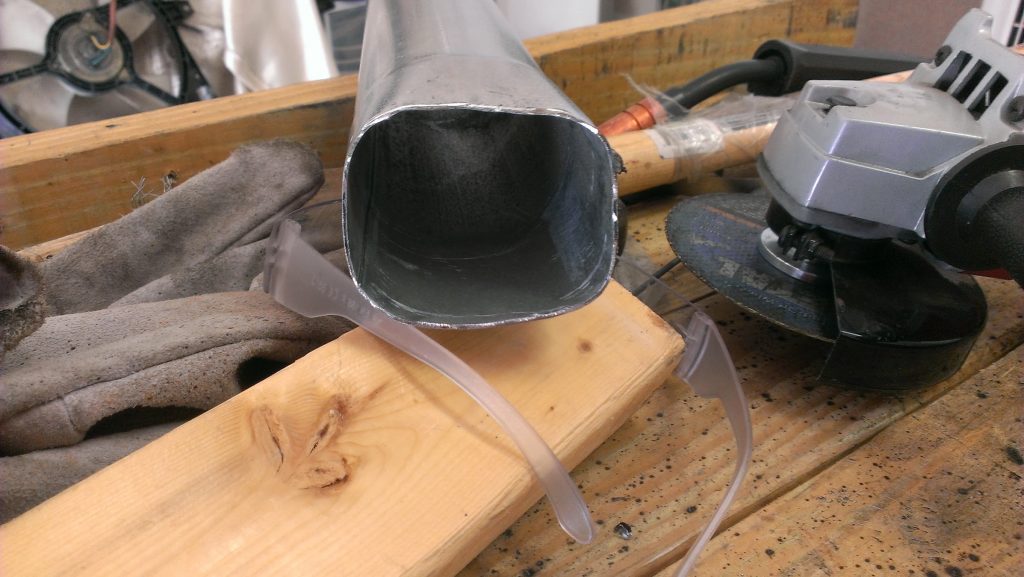
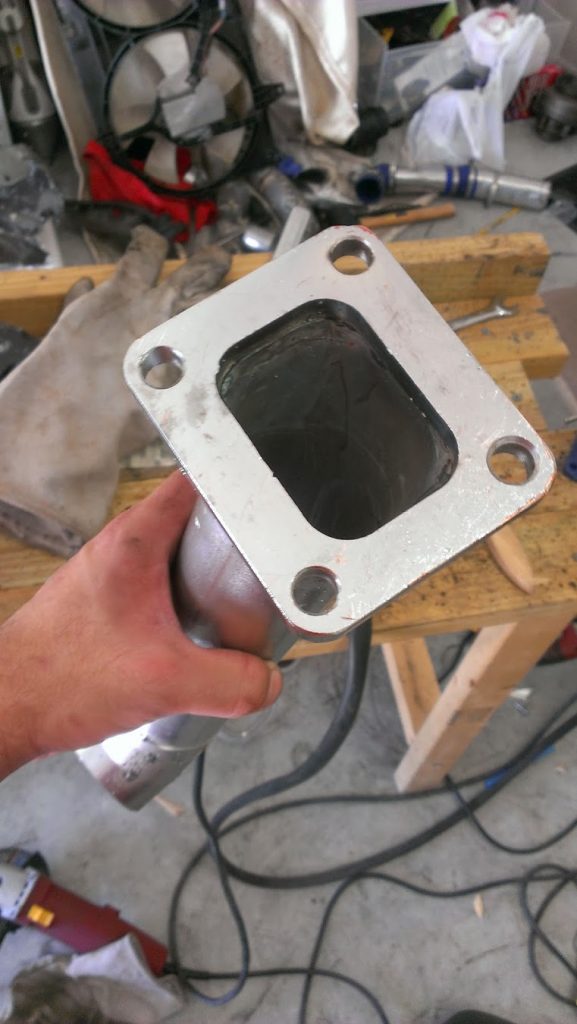
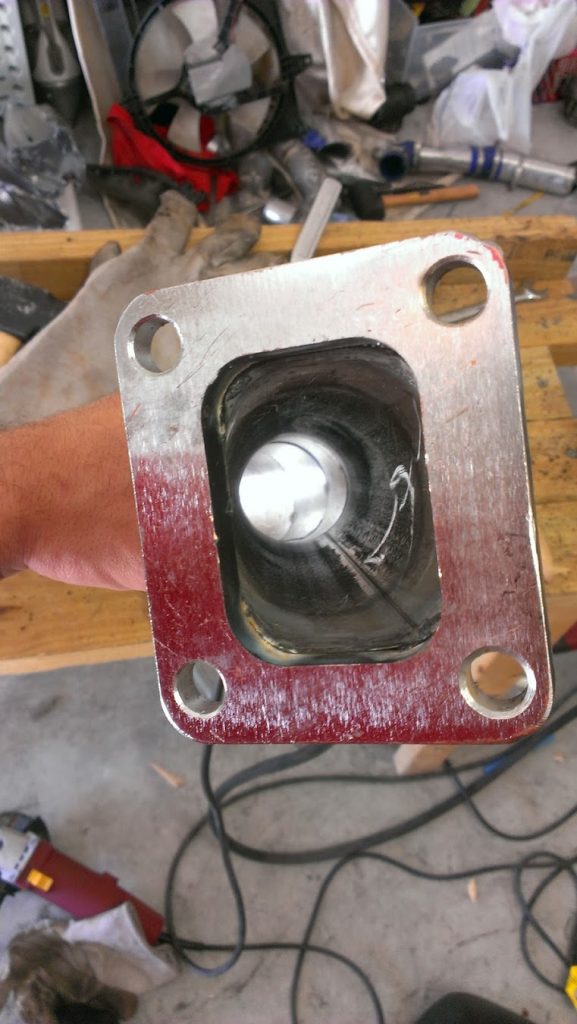
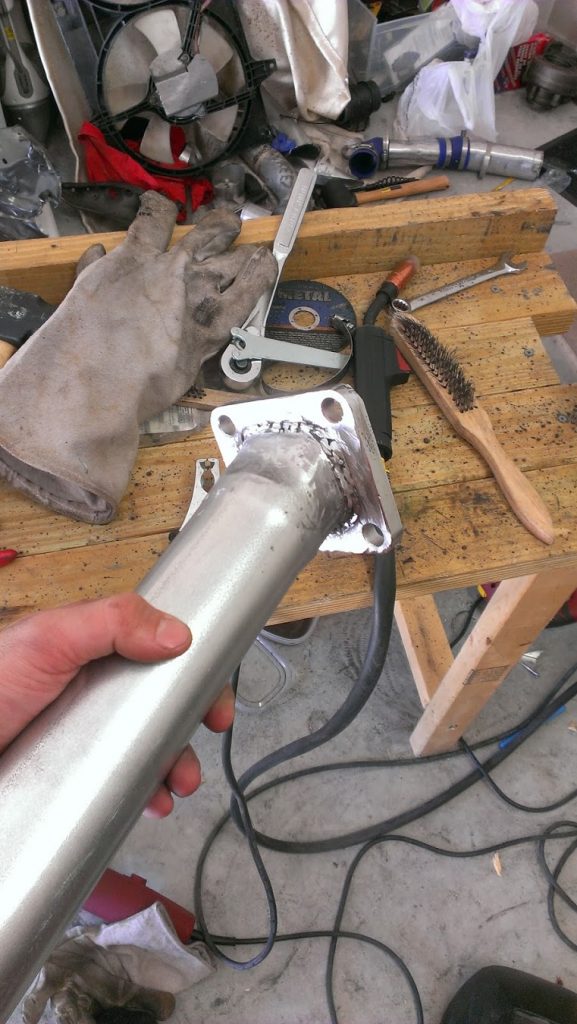
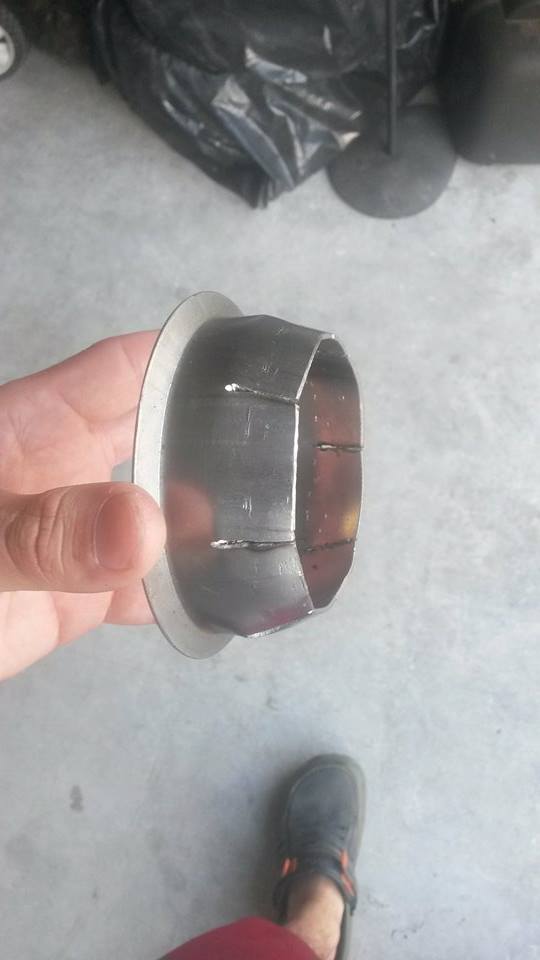
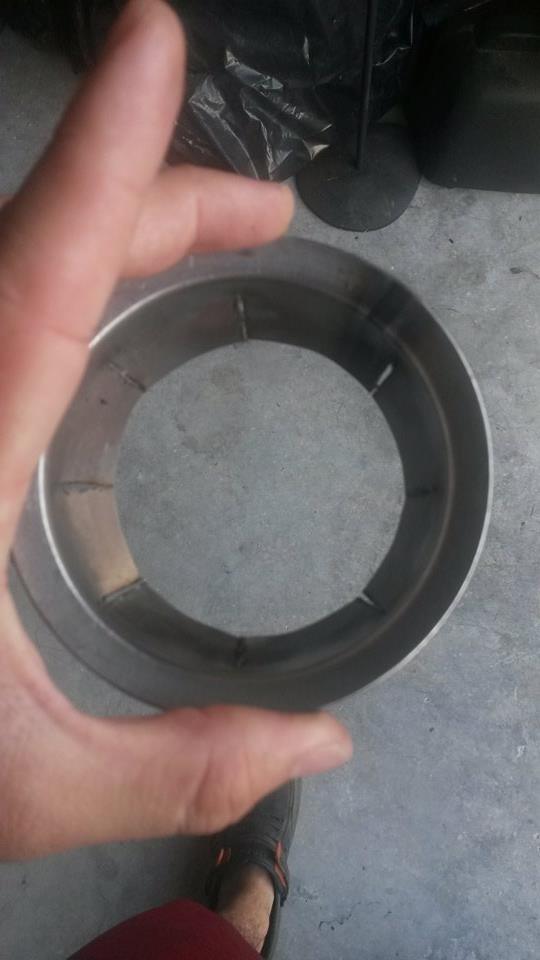
I started working on a cat back solution. There was enough space between the cross member and the turbo feed pipe. I had to make a reducer from the turbo to a 3 inch 90 degree pipe. To accomplish this I got the flange for the turbo and made v cuts all around the end that welds to the exhaust. I then bent the fins(created with the V cuts) inward and welded them all; this gave me a smooth reducer. I welded the 90 degree pipe to the flange, welded the other end to a new 90 degree pipe that turns under the engine and between the cross member and turbo feed pipe.

Testing the cat back exhaust at 16psi of boost.

Hood Exit

The hood exist was not my first option, it was not even a thought. With the car not being daily driven I figured I would try something new. I made a 3.5 inch pipe with pie cuts to achieve 90 degrees and pointed it up to the hood. To find where I needed to cut I put grease on the pipe and closed the hood to see where it would mark. After hacking away this is the result.

The hood exit was more quiet than when pointing to the floor. It is still loud but it does not feel like an earthquake anymore.

In Part 4 of this article I will go over the finishing touches, and that is the side exhaust that sounds great.

To be continued…
Thank you for visiting and be sure to subscribe at the top of the page to get the latest from FastMaximas.


Loading

Credit: Shawn G. / EddyMaxx

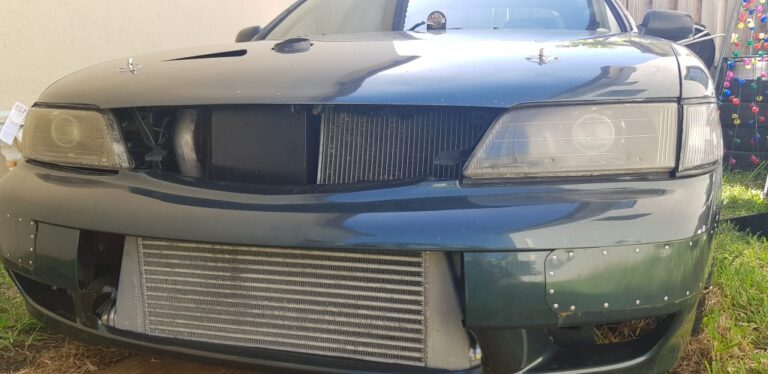
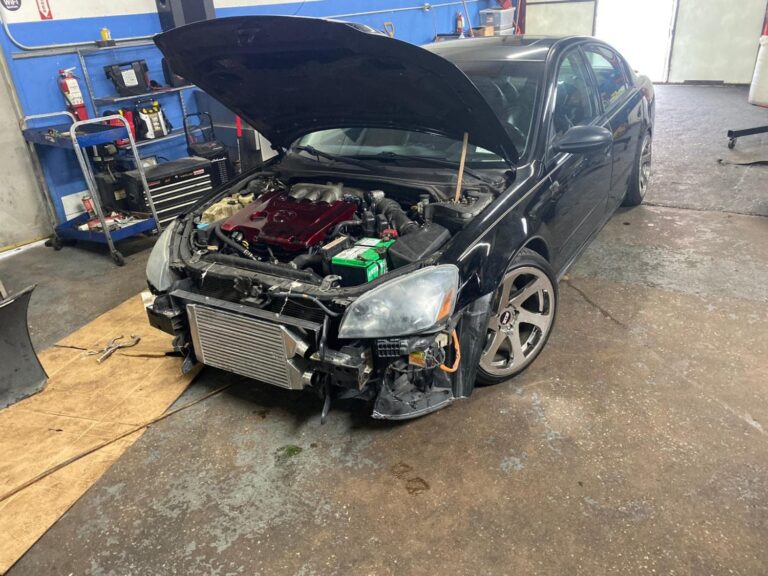
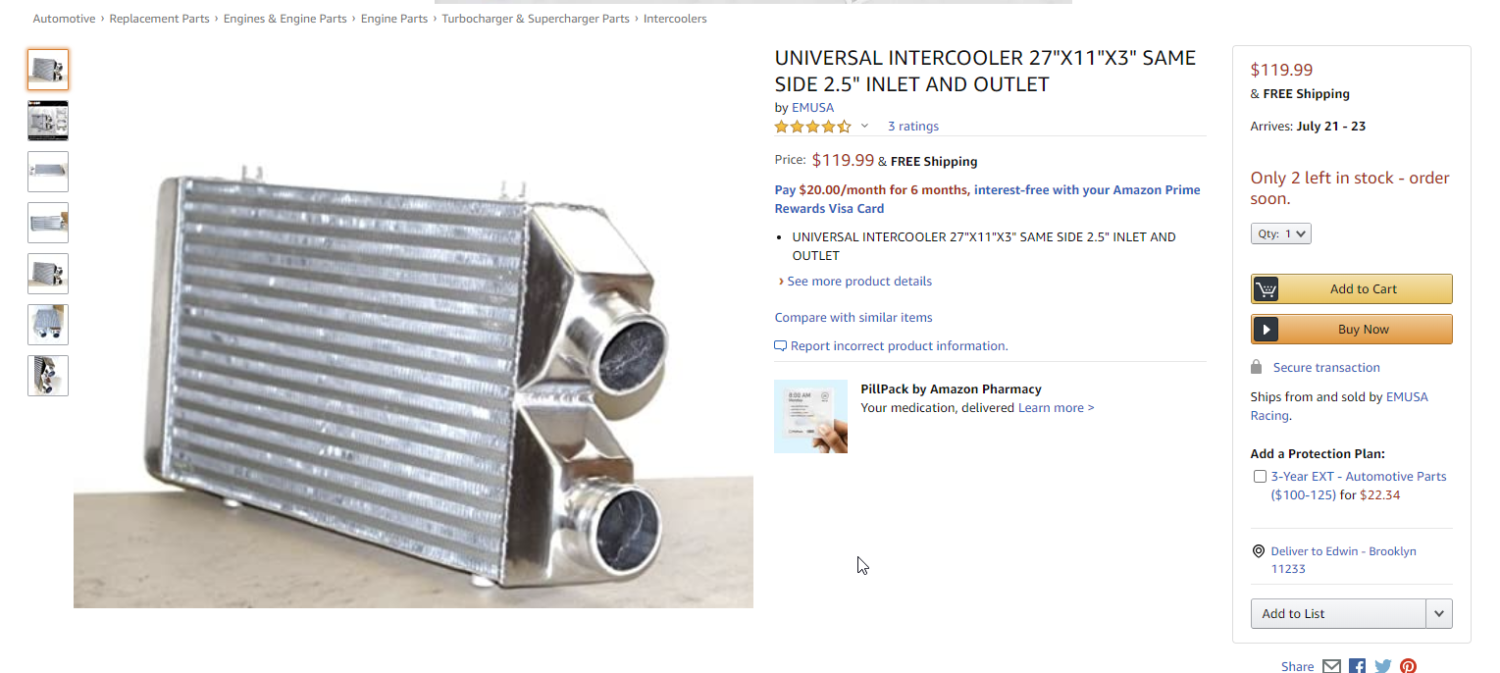
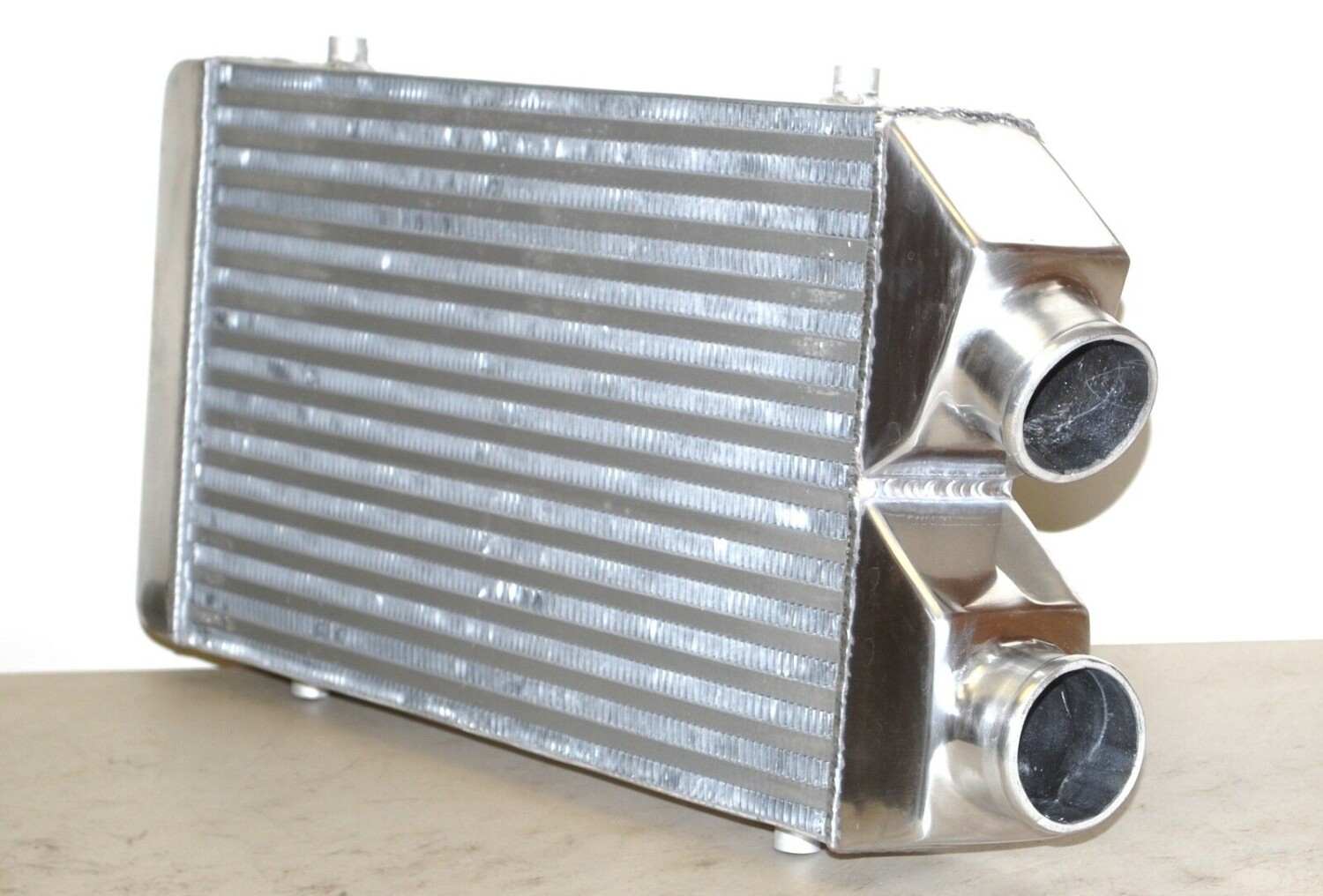
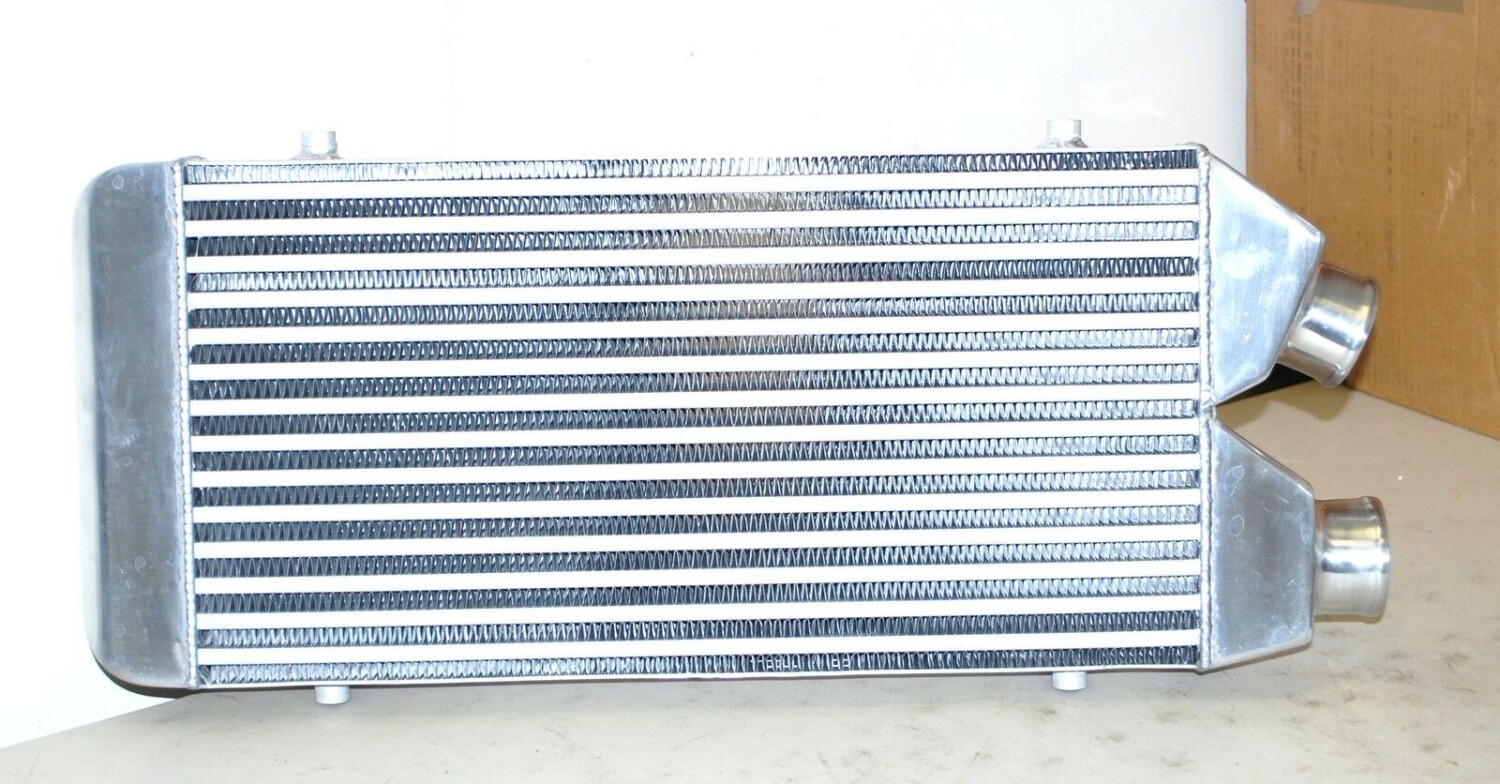
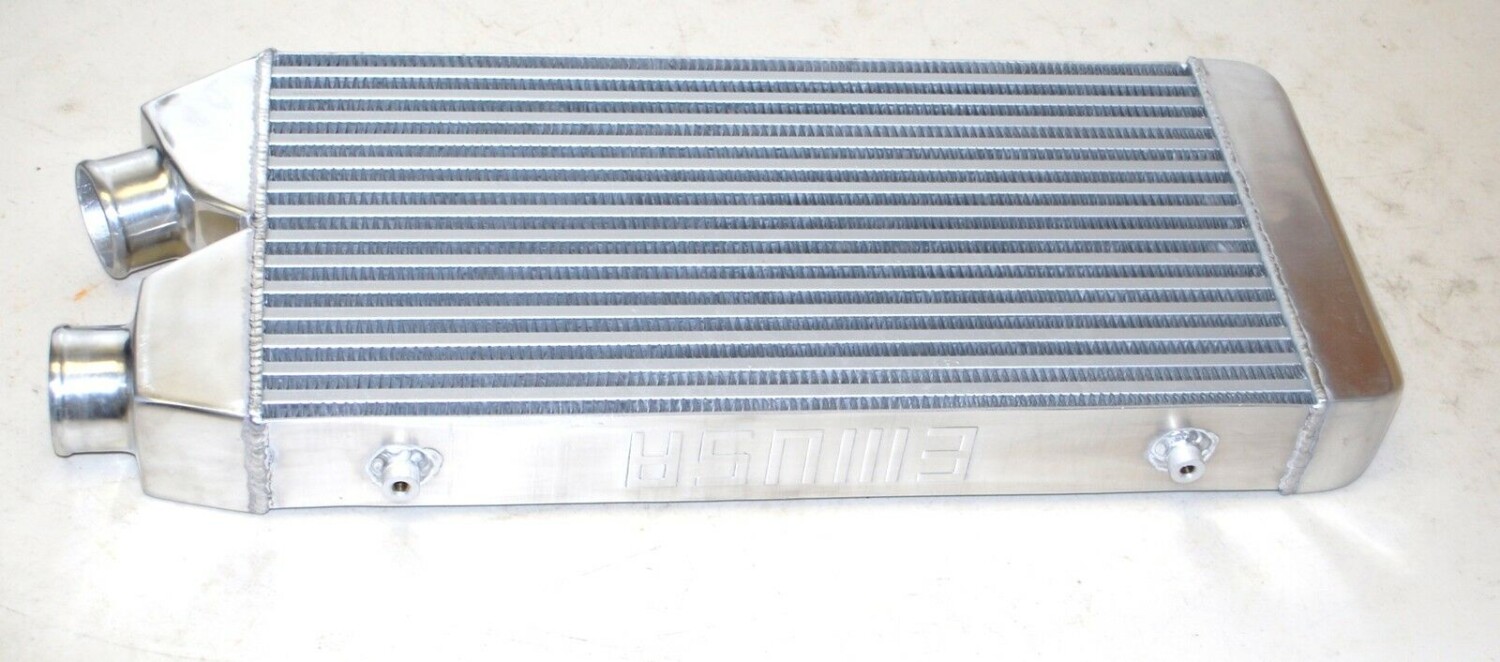
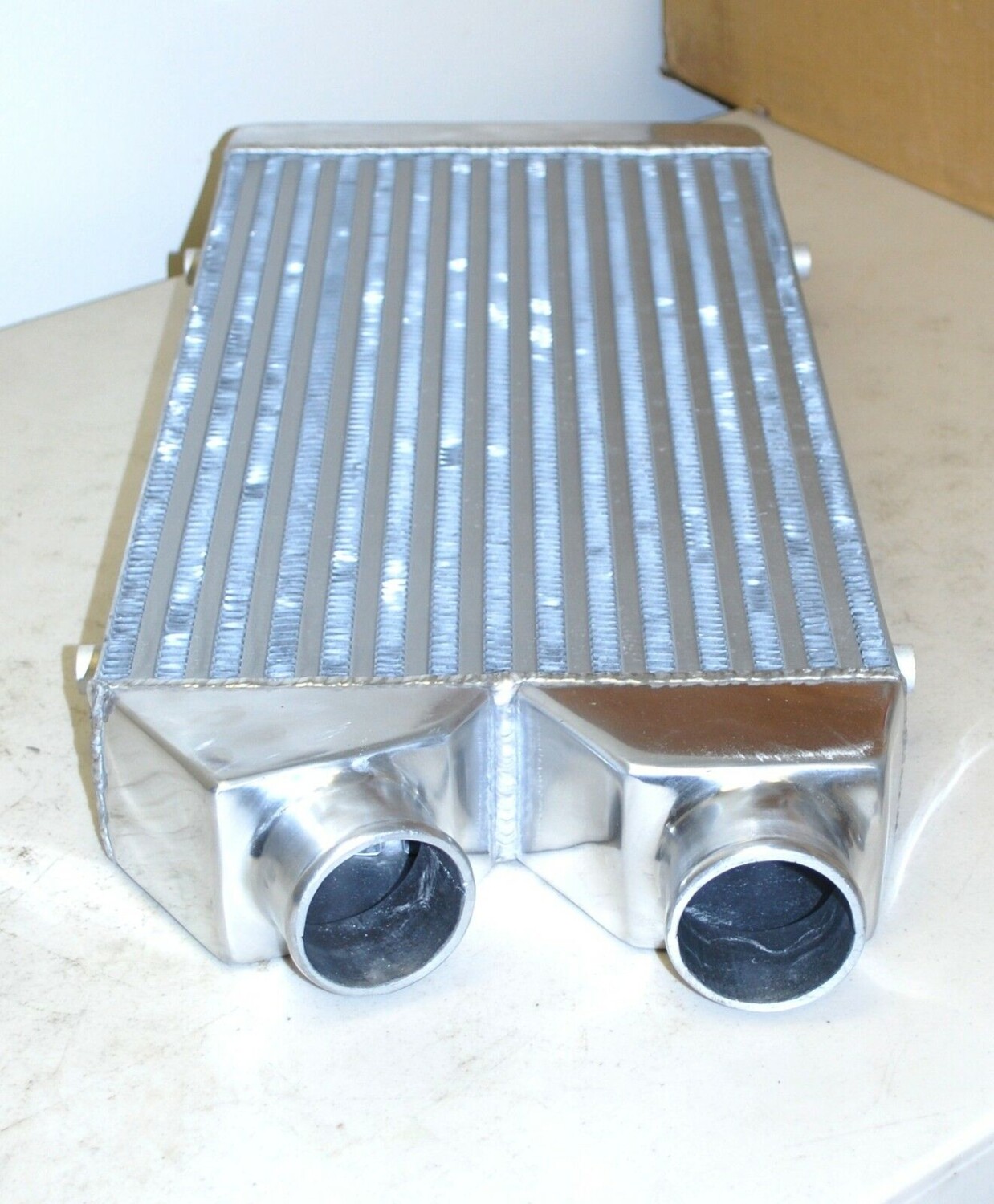
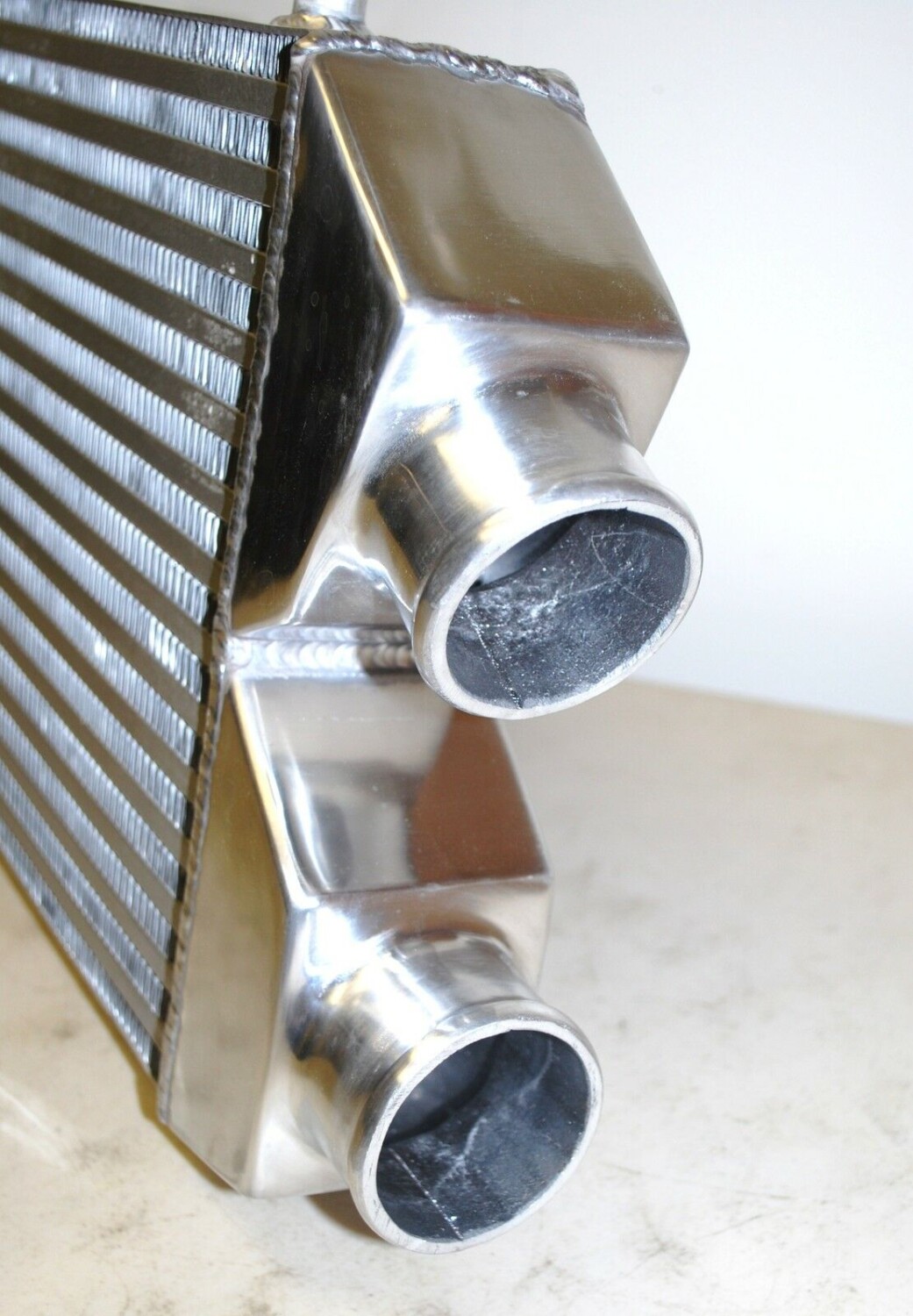
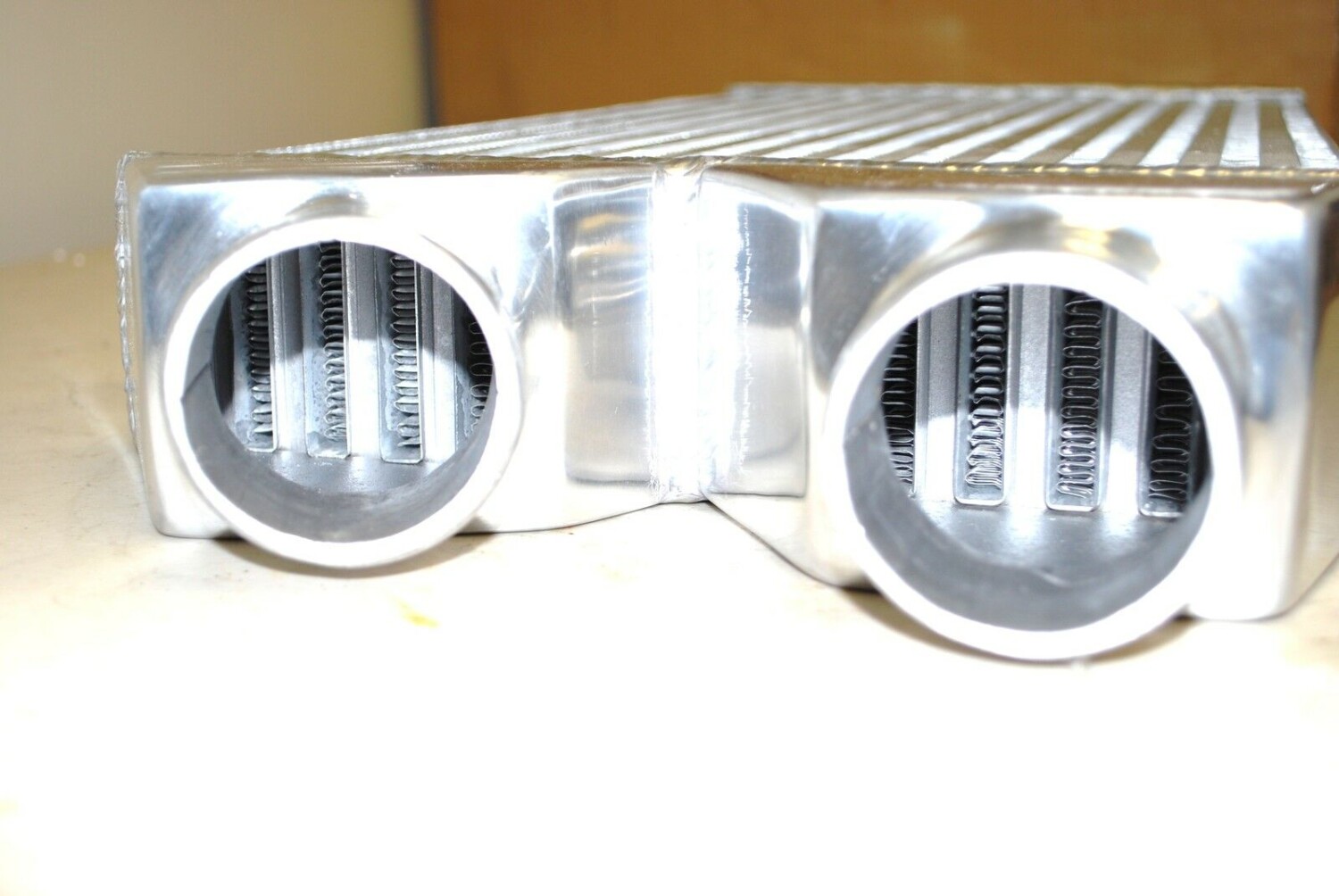
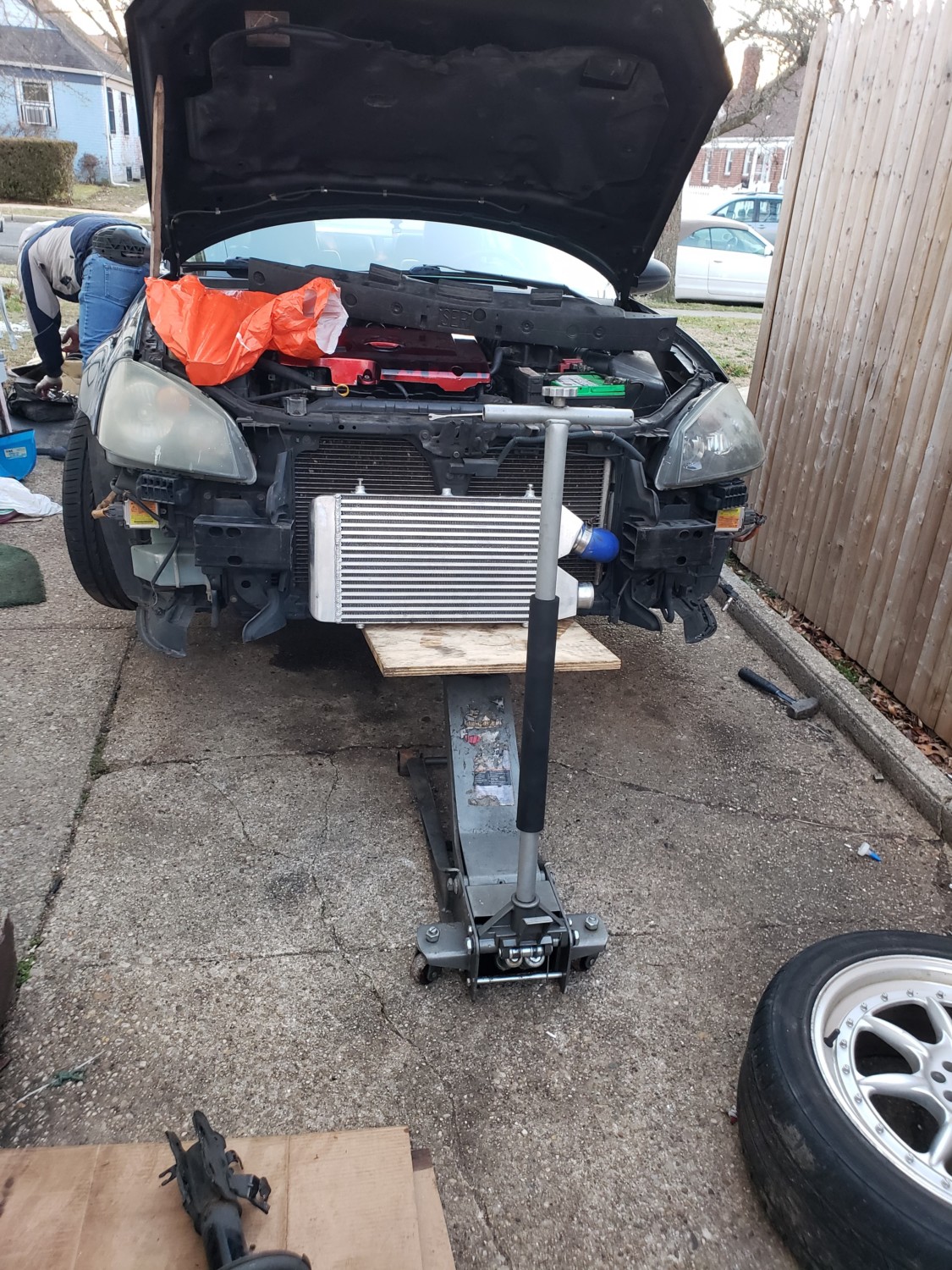
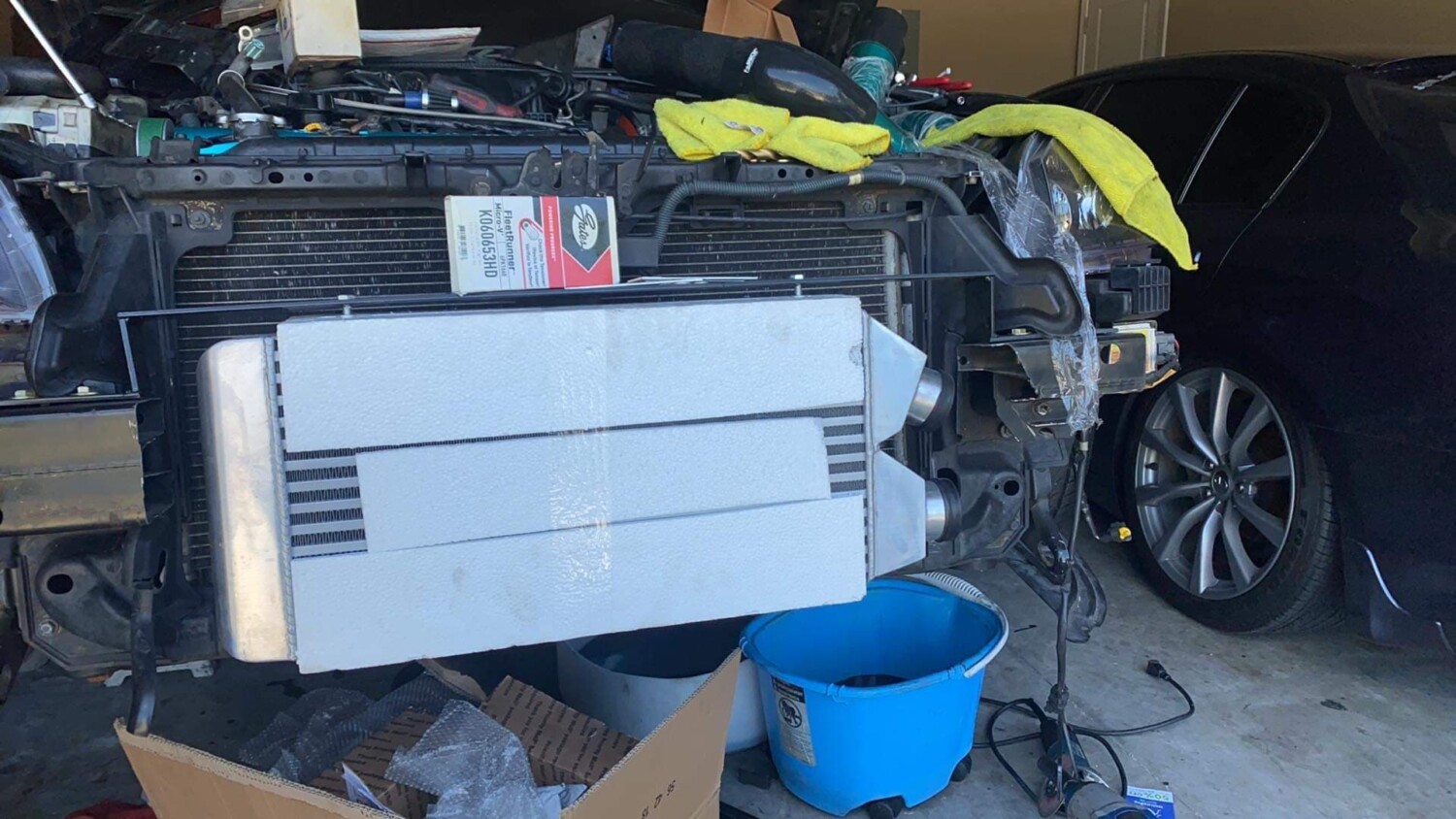
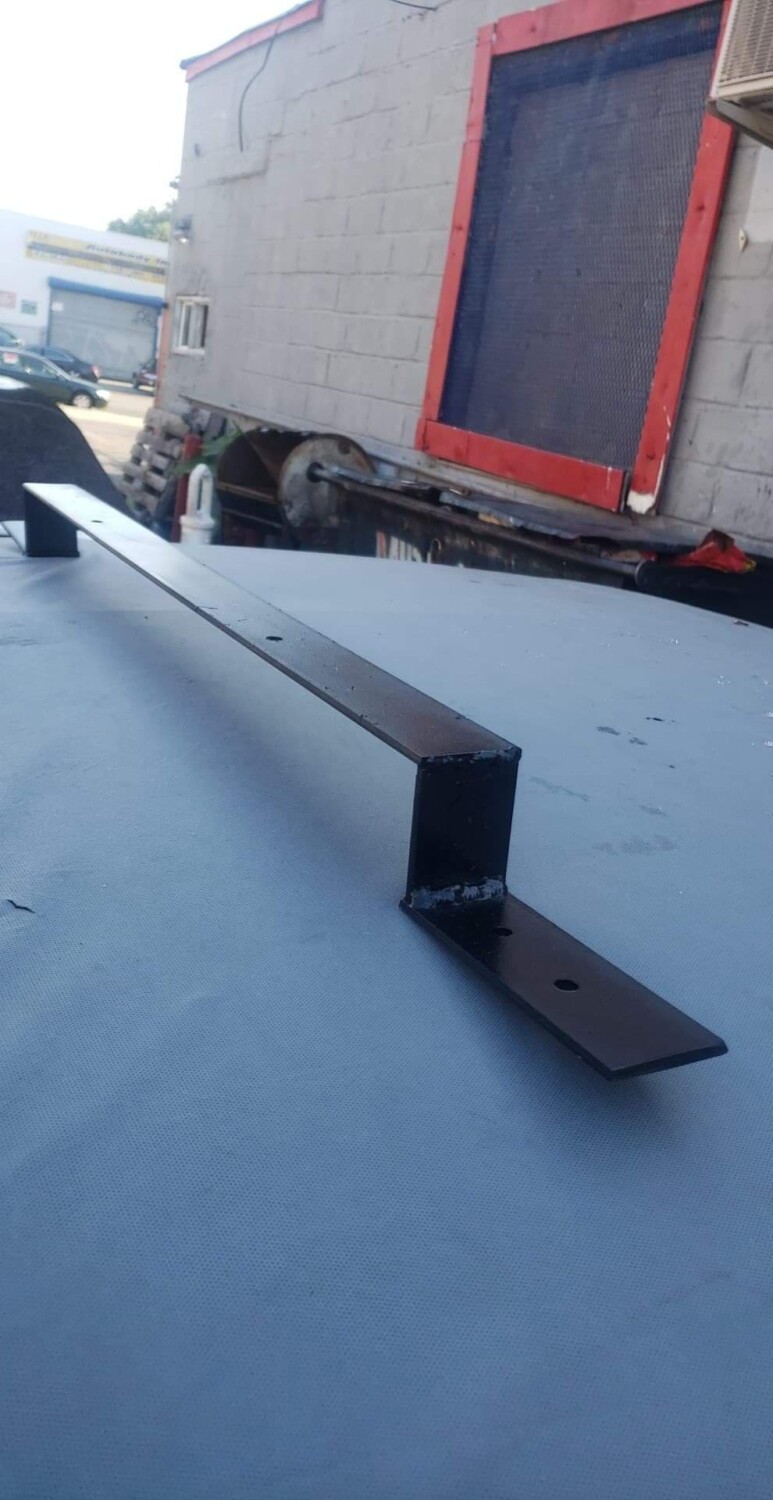
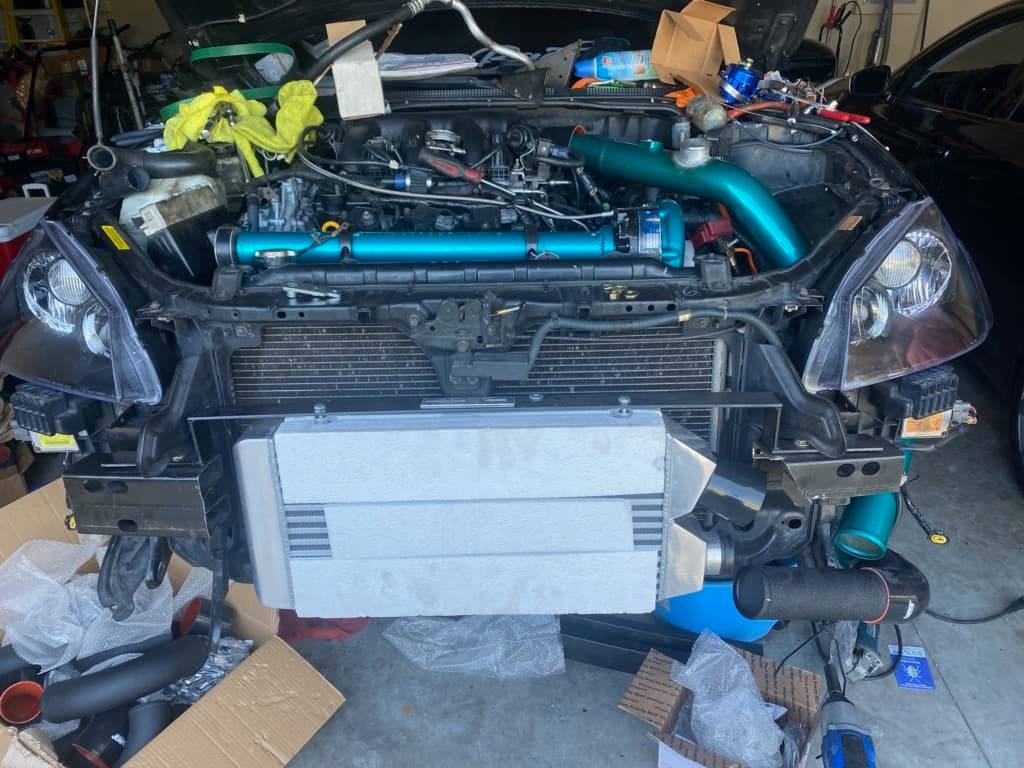
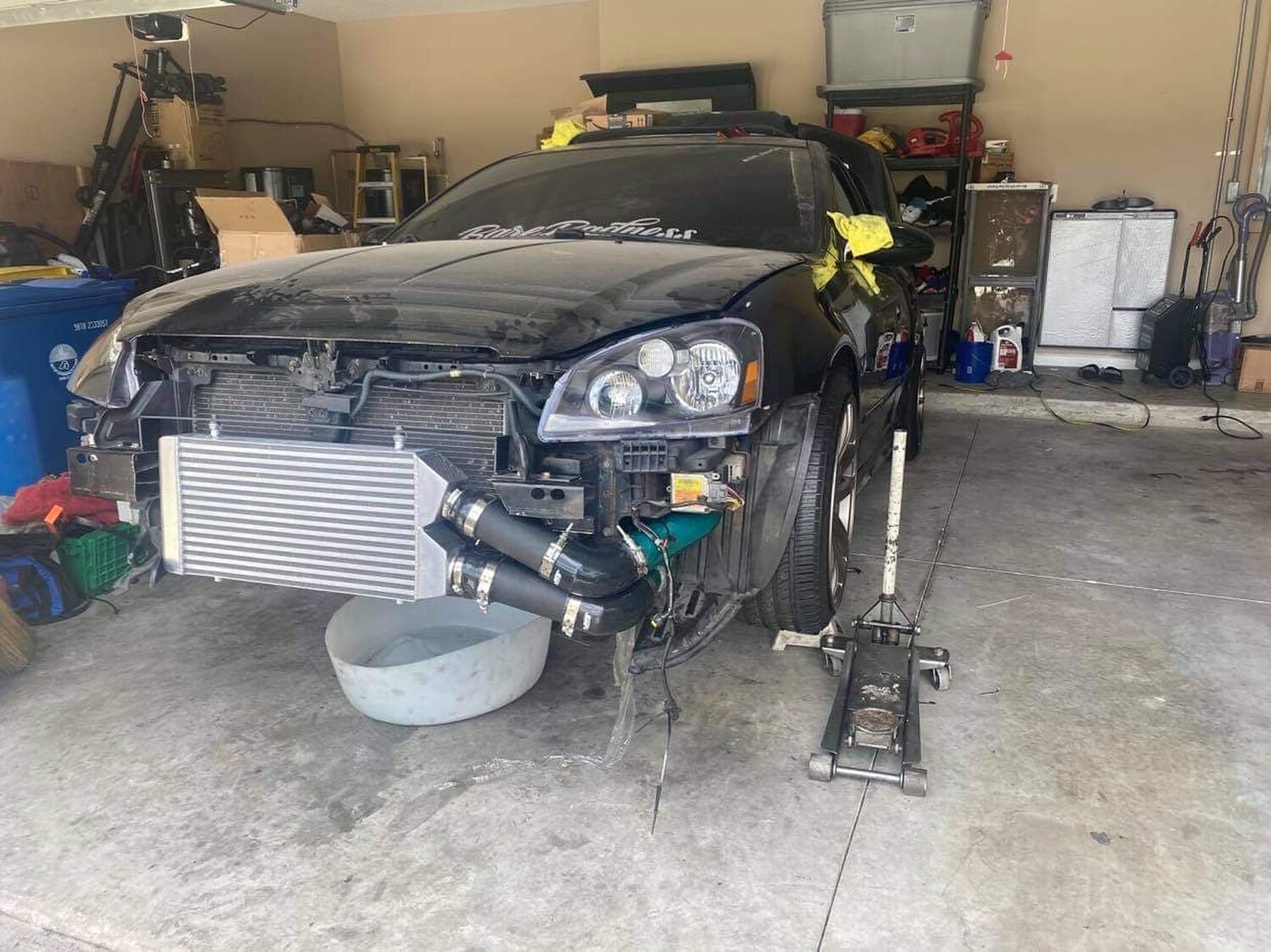
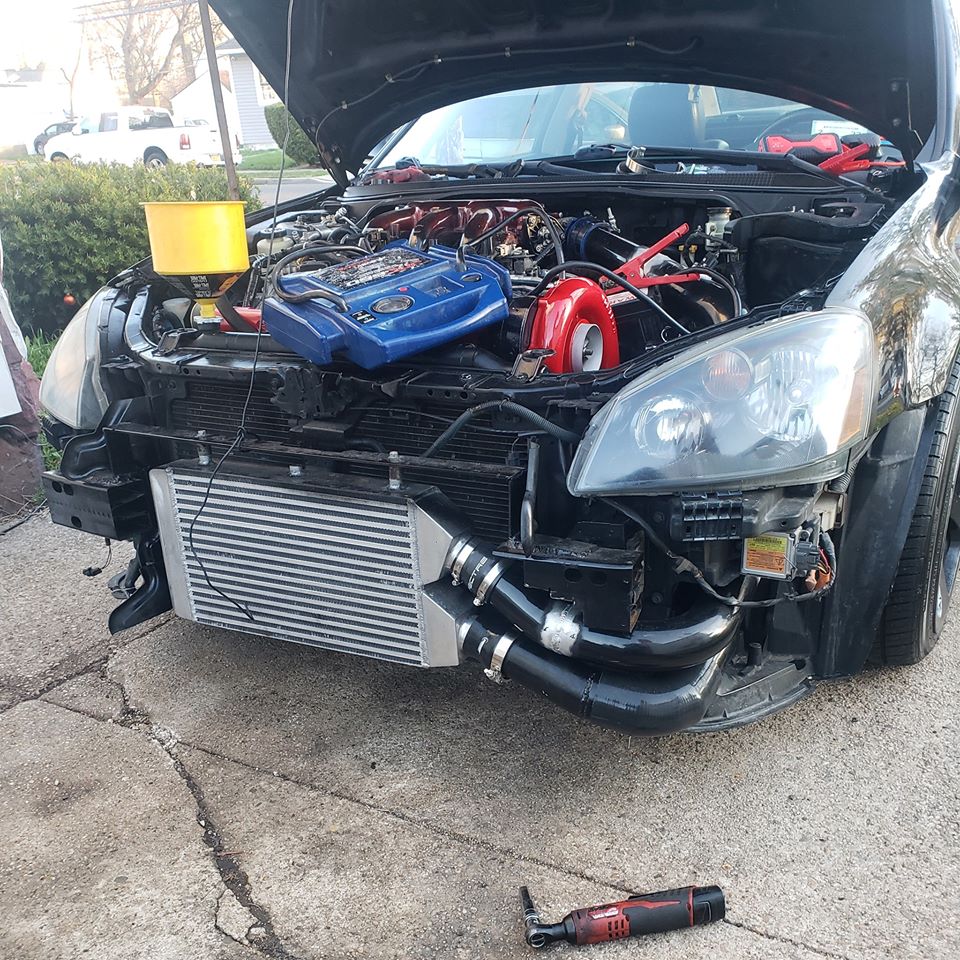
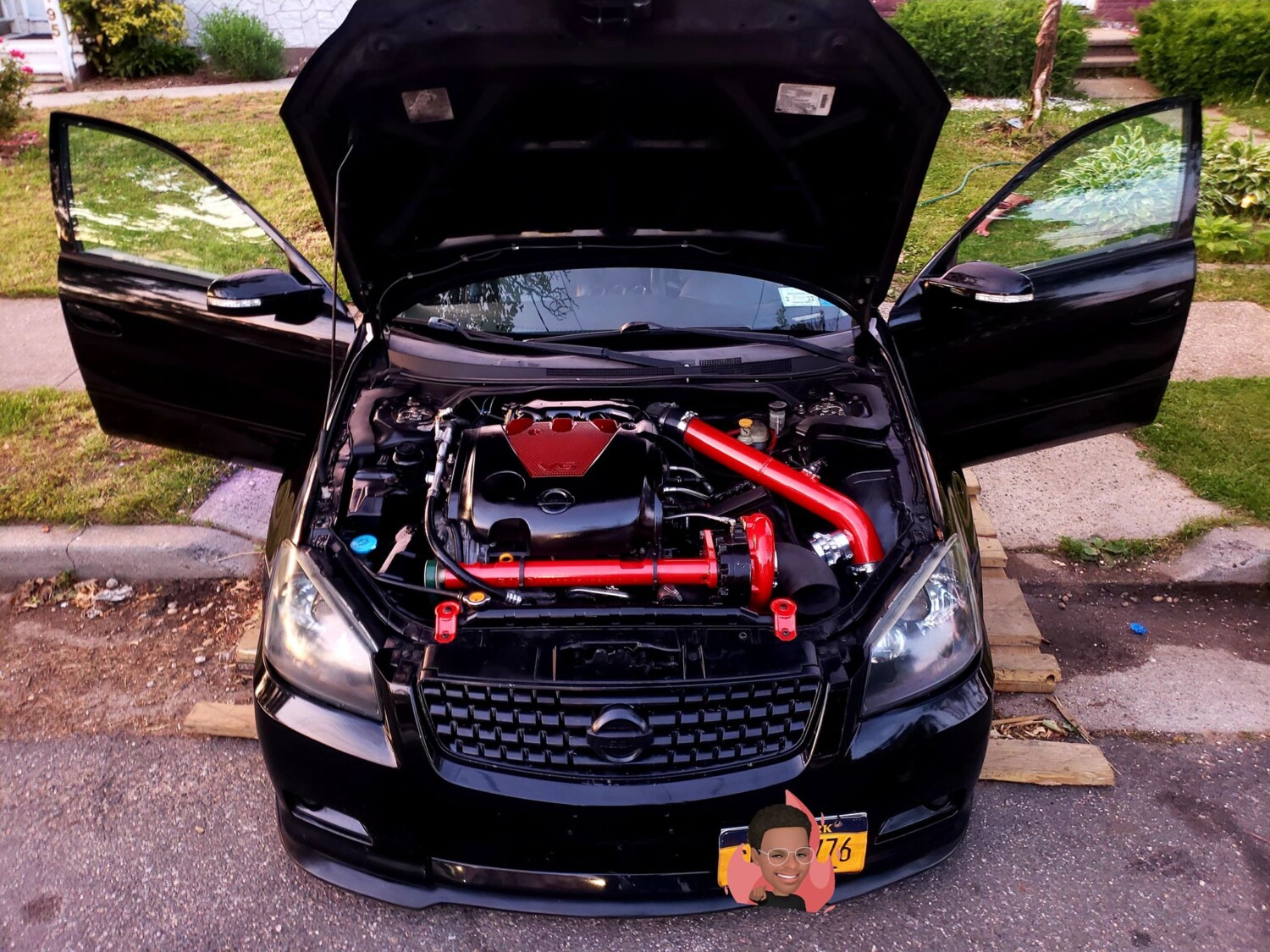
For those looking at boosted setups and want an intercooler, below is one that fit good. It needs to be same-side because trying to route piping on the passenger side will be very rough. Plus with this setup, you can retain your fog lights. It just requires modifying the crash bar for it.

Manufacturer: EMUSA
Price: $119.00 + Tax ($130.00)
Amazon Link: https://www.amazon.com/gp/product/B077QH74JC/ref=ox_sc_act_title_1?smid=A1K0UU5ZLPKT3U&psc=1

Intercooler Specs:

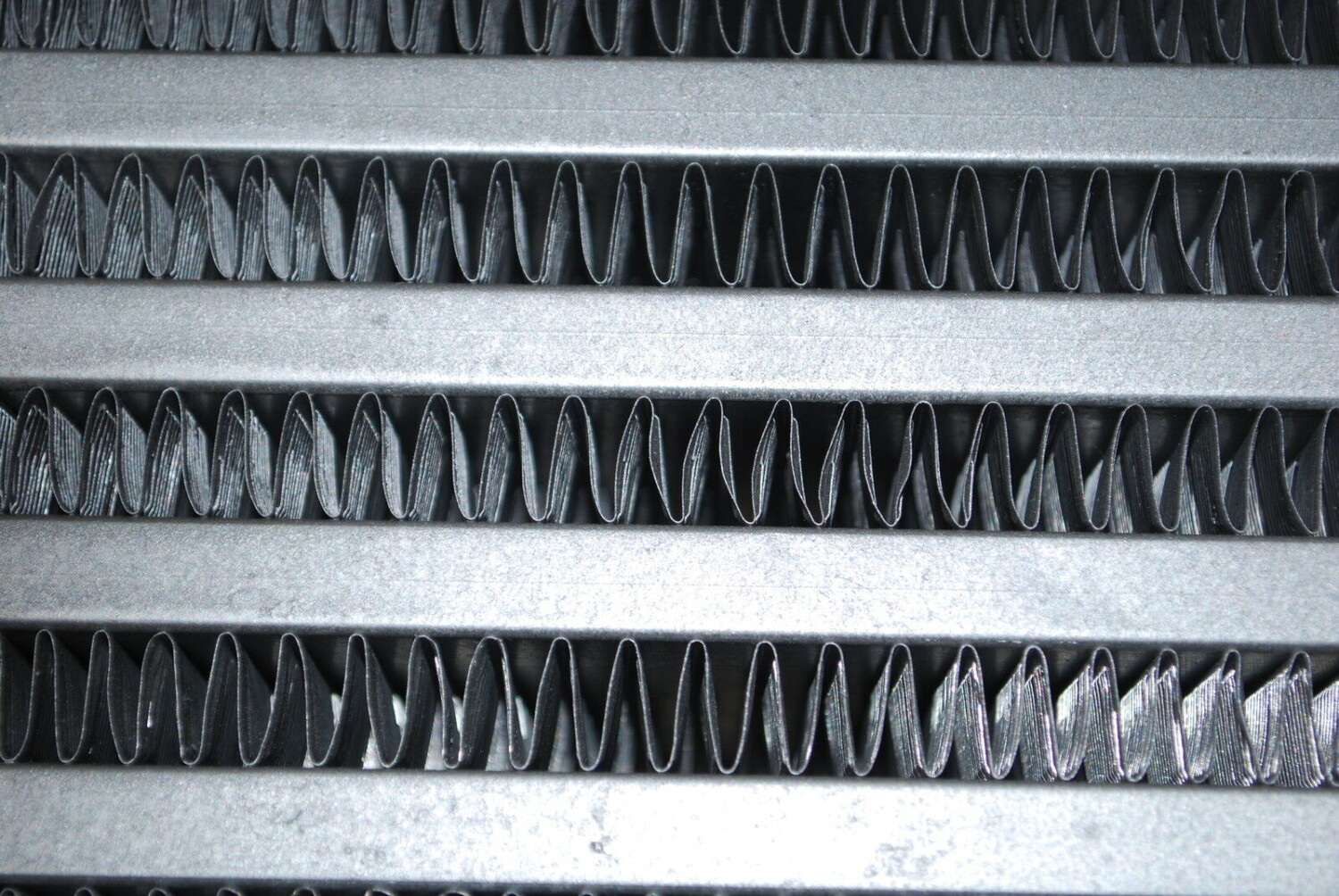
  • UNIVERSAL INTERCOOLER 27″X11″X3″ SAME SIDE 2.5″ INLET AND OUTLET
  • Oversize: Oversize 27″X11″X3″
  • Core size 22″X11″X3″
  • 2.5″ Inlet and Outlet
  • 700 C.F.M. ( CUBIC FEET PER MINUTE )
  • 5 – 50 P.S.I. RATING
  • 600-700 HP MAX

Intercooler Photos:

Installed Photos:


Loading

Community Member Credit: Charis Cacal

Car Specs/Info:

  • 2005 Altima SE-R 6MT
  • 2014 Maxima Motor
  • Tuned by AdminTuning on E85
  • 105mm Holley Plenum Top
  • 102mm LS Throttle Body
  • 4″ Intake
  • Genuine Nissan GT-R Injectors
  • AEM 50-1200 E85 In-Tank Fuel Pump
  • SR*S headers (No Cats), 3″ Exhaust w/ 3″ Resonators, and Dual Borla Mufflers
  • NGK 93026 DILKAR8A8 Laser Iridium Spark Plugs—Heat Range: 8

Loading

Nabco is a Nissan OEM part manufacturer. Most dealers have this rebranded as Nissan but it’s the same original part number. We purchased these for our 6-Speed Maxima and match exactly the OEM part within the car. This will save you a bunch of $$$$$$$$$$$. For all clutch master, clutch slave, and 1-piece SS line, it comes out to less than $130 shipped. 

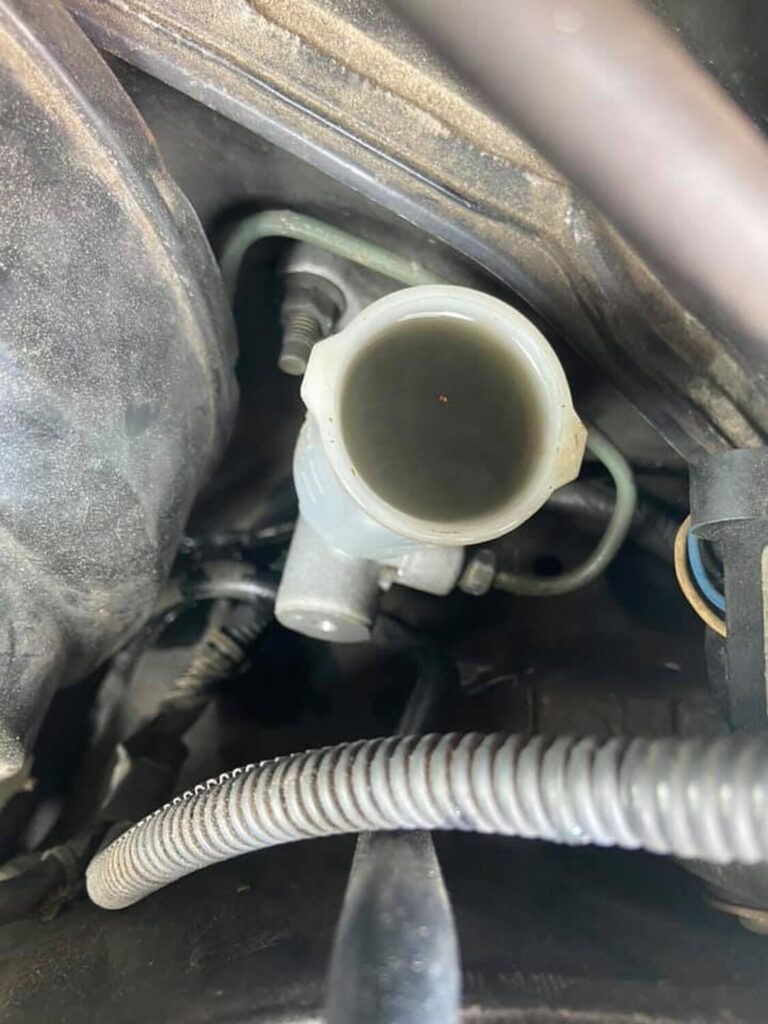
If you replaced your clutch fluid and it still looks like the photo below then you most likely need to get a new Master Cylinder. Might as well replace both while you are it.

These parts work for the following manual transmission vehicles:

  • 2002-2003 5thgen Nissan Maxima
  • 2004-2006  6thgen Nissan Maxima
  • 2002-2006 Nissan Altima
  • 2002-2006 Nissan Sentra

Master Clutch Cylinder

  • Nissan OEM Part #: 30610-3Y010
  • Nabco Part #: 555 38027 330
  • Nissan Branded Price: Approx. $90.00
  • Nabco Branded Price: Approx. $43.00

Slave Clutch Cylinder

  • Nissan OEM Part #: 30620-AU400
  • Nabco Part #: 556 38001 330
  • Nissan Branded Price: Approx. $80.00-90.00
  • Nabco Branded Price: Approx. $26.00

1-Piece Stainless Steel Clutch Line (Highly Recommended)

This is a complete kit from the slave cylinder to the master cylinder. This line will replace your factory metal & rubber lines with a stainless braided line. All clutch lines are single lines made of stainless steel braided hose with a protective PVC covering.

Bolts, washers & fittings are included if required (Shown in picture). All you do is remove the factory OEM line and replace it with our clutch line kit.

eBay Price Comparison – Nabco ($75.71 Shipped)

autohauzAZ Price Comparison – Nabco ($87.07 Shipped)

Price Comparison – Nissan Rebranded ($219.77 Shipped)


Loading

Community Member Credit: Eddy

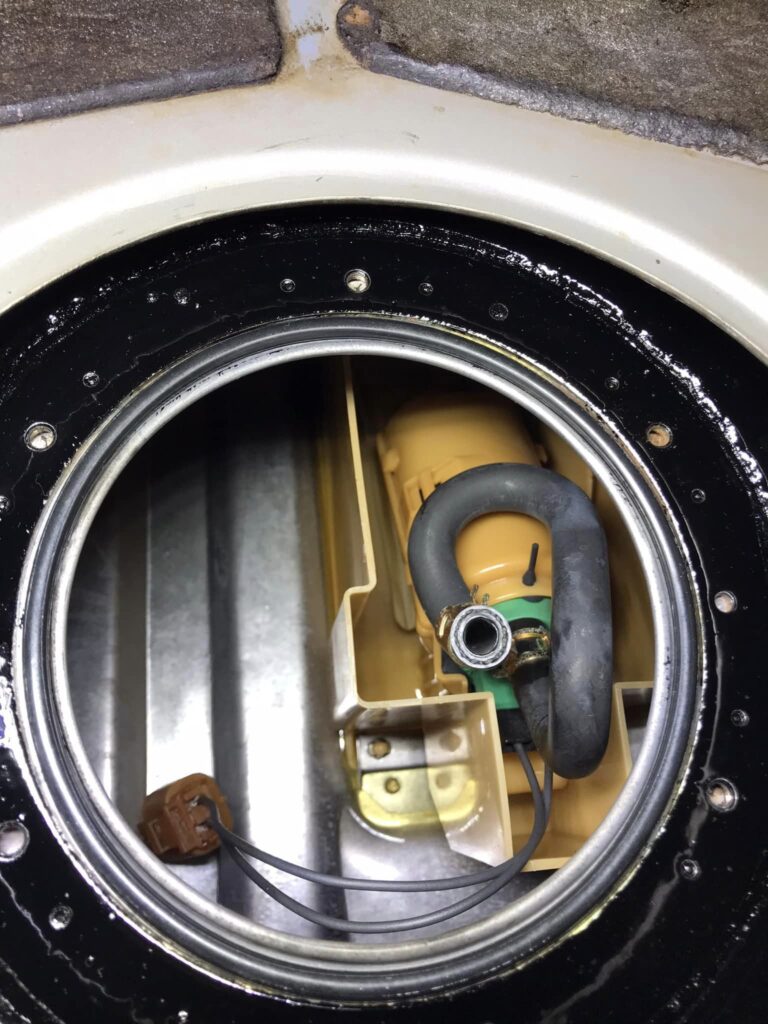
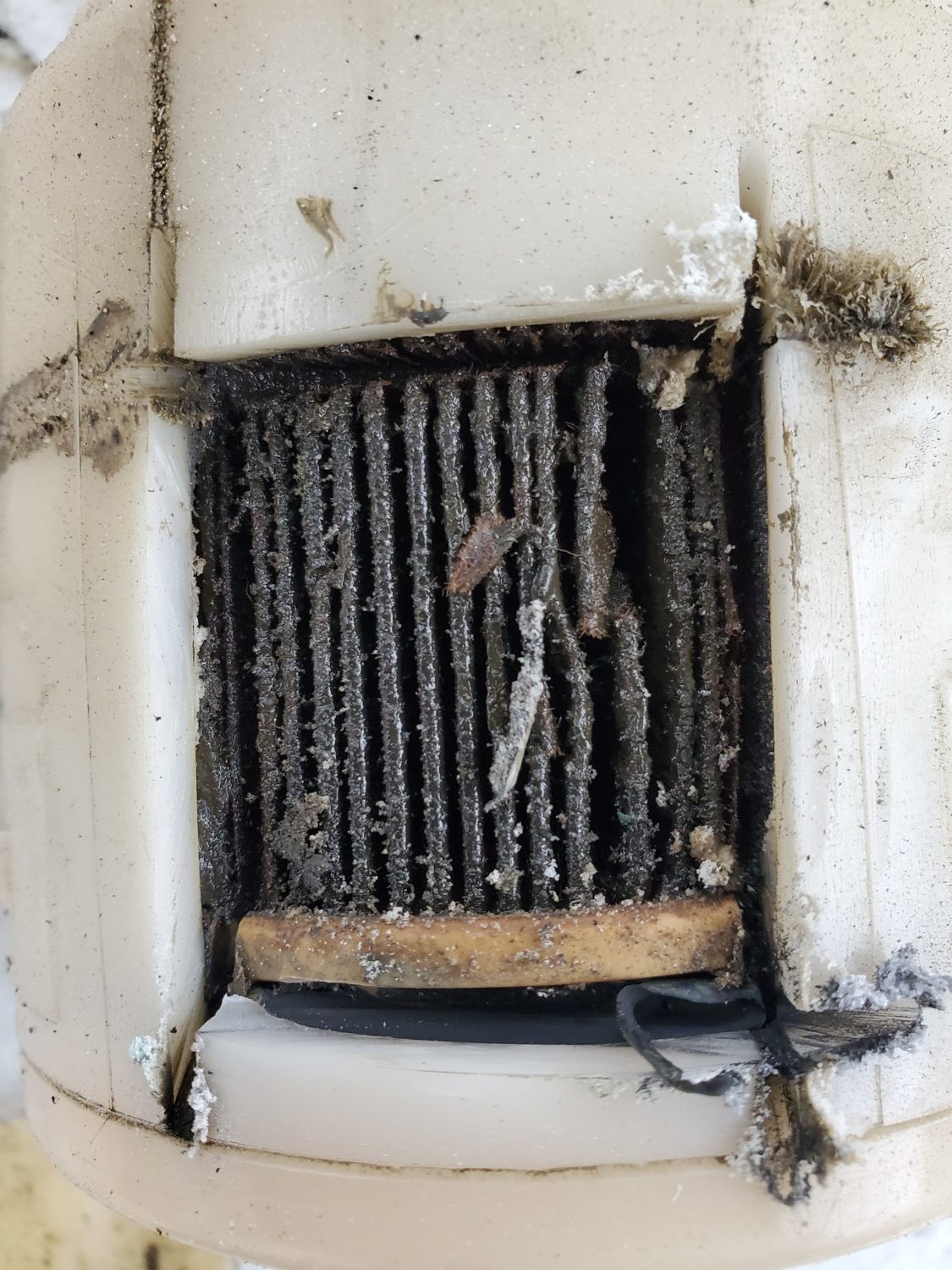
I just swapped my Walbro 255 Fuel Pump to an AEM 340LPH because I wanted something better suited for E85. I  also did not like the “whine” noise on the Walbro. The AEM 340 does not have the whining noise and works great. I also replaced my fuel filter. Nissan says that it is a “lifetime” part and never needs to be replaced. I disagree with that especially seeing how dirty and filthy my fuel filter looked. It’s very simple to change and the filter costs less than $30 bucks. This is just a reference post and not really a how-to on the AEM pump. I also added links to reputable AEM dealers where you can get it from on eBay. We recommend ordering from them as their pumps are 100% authentic (lots of fakes out there).

Fuel Pump Part Numbers:

  • 50-1200 (Price – $116.00 Shipped)
    This is the one used in this write-up. Works 100% perfectly fine with no issues. There is some minor trimming needed at the bottom of the sender. This is the same exact process for the folks that have ever installed a Walbro 255. So the trimming is not specific to this pump at all.Order Link: https://www.ebay.com/itm/330950170782
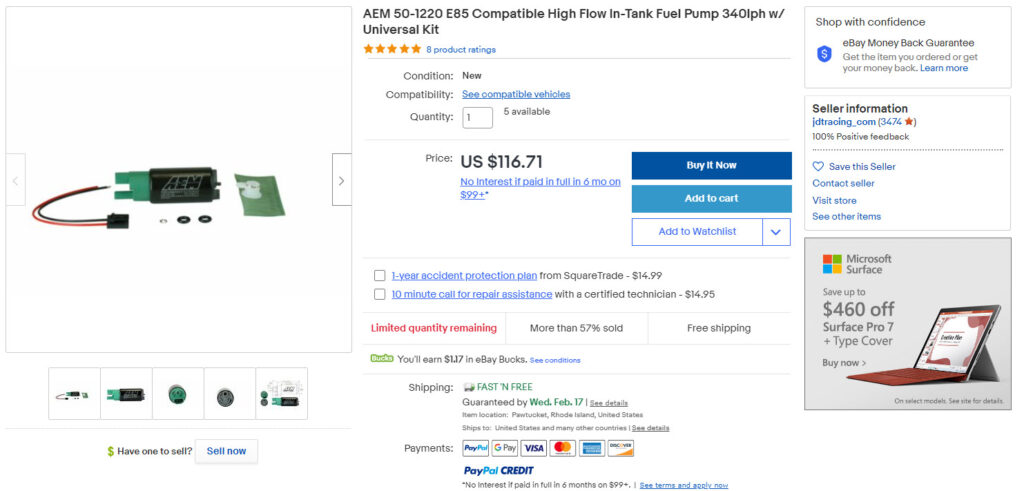
  • 50-1220 (Price – $116.00 Shipped)
    This one is a newer design from AEM that fits directly with no trimming. It is smaller in size but appears to work just the same. This was highlighted by a fellow EVO member who has a Maxima. While you will see the 50-1220 is specifically for 02-07 WRX STI / EVO X / GTR, it will work fine in the Maxima. We personally have not used it as the 50-1200 worked perfectly fine.Order Link: https://www.ebay.com/itm/274522031531

Recommend OEM Replacement Part Numbers: 

  • Fuel Filter Part Number: 16400-2Y505 (Price – $25.00)
  • Fuel Pump Sending Unit O-Ring: 17342-01A00 (Price – 16.00)

New OEM Filter vs Old Filter (Likely never been changed)

I cut the old filter so you can see how dirty and filthy it is. 

Fuel Pump Differences (#50-1200 Used for This Write-up)

Loading

Community Member Credit: Eddy

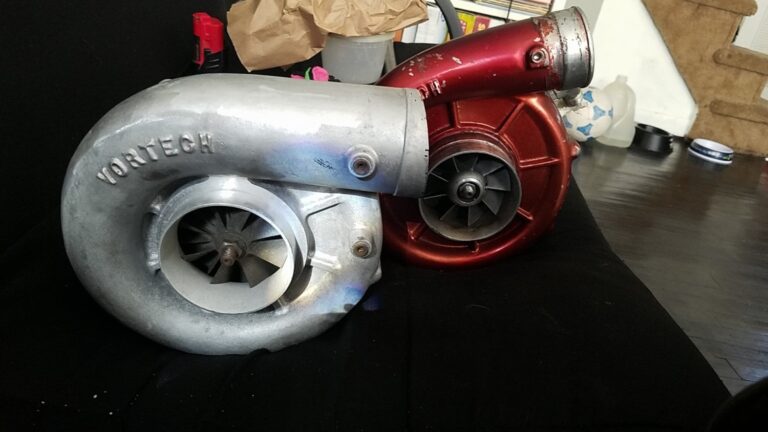
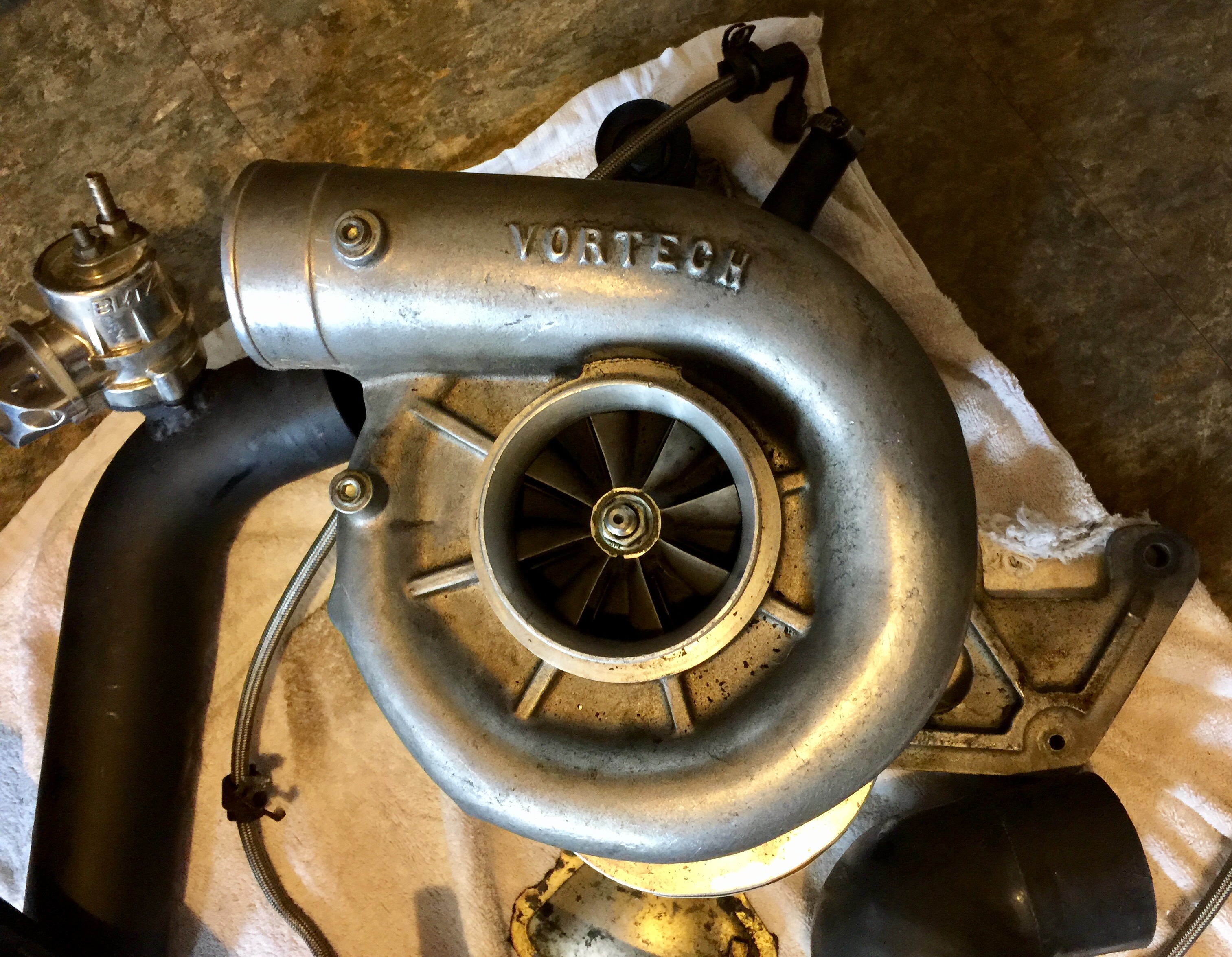
This is just for reference and comparison. The RIPP Supercharged Kit usually comes with the V-5 G Supercharger. Most upgrade to the V-2 Si Supercharger Trim. You will need to ensure the impeller is also in the right rotation for your setup.

Impeller Rotation Reference

  • Clock-Wise CW (RIPP Supercharger Kit)
  • Counter Clock-Wise CCW (Stillen Supercharger Kit)

Supercharger Max Speed Max Boost Max Flow Max Power Inlet OD Outlet OD
V-5 F 52000 RPM 14 PSI 750 CFM 550 HP 3.5″ 2.5″
V-5 G 52000 RPM 15 PSI 750 CFM 550 HP 3.5″ 2.5″
V-2 S 50000 RPM 20 PSI 1000 CFM 680 HP 3.5″ 2.75″
V-2 SC 53000 RPM 20 PSI 1000 CFM 680 HP 3.5″ 2.75″
V-2 Sci 53000 RPM 17 PSI 1050 CFM 725 HP 3.5″ 2.75″
V-2 Si 52000 RPM 22 PSI 1150 CFM 775 HP 3.5″ 2.75″

Vortech 5-G

Vortech Supercharger V-5G - $1500

Vortech Supercharger V-5G - $1500

Vortech Supercharger V-5G - $1500


Vortech V-2

Loading

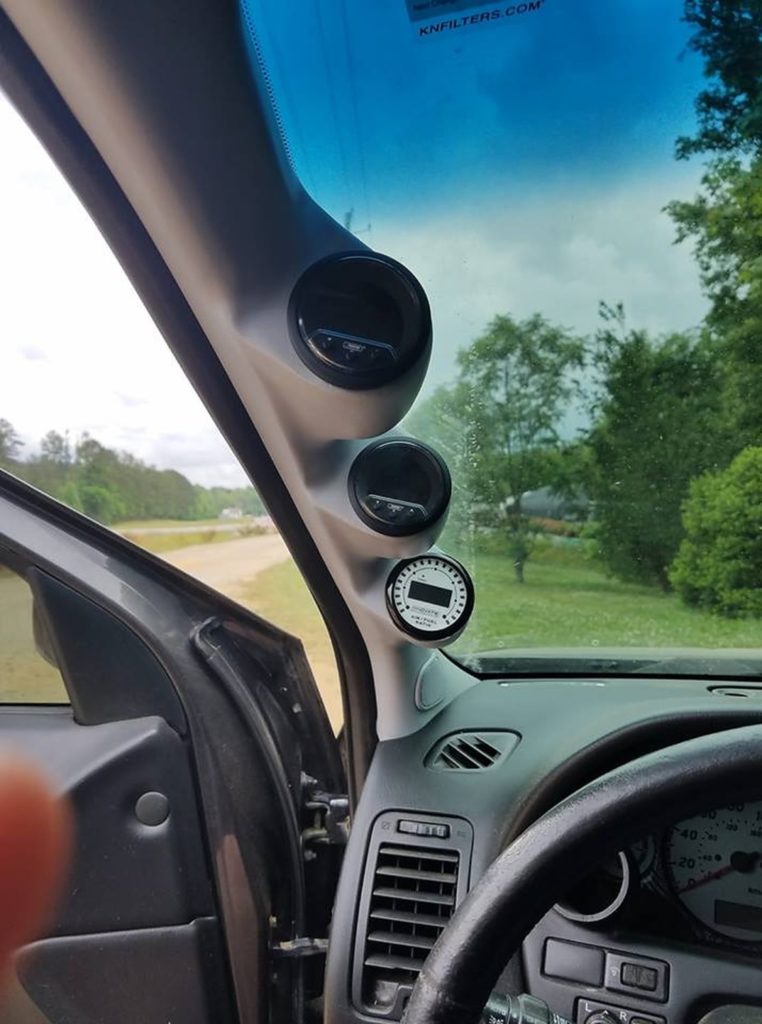
00-03 5thgen Nissan Maxima Gauge Pod Gallery

Loading