Credit: boredmder



Credit: 99sagelimited
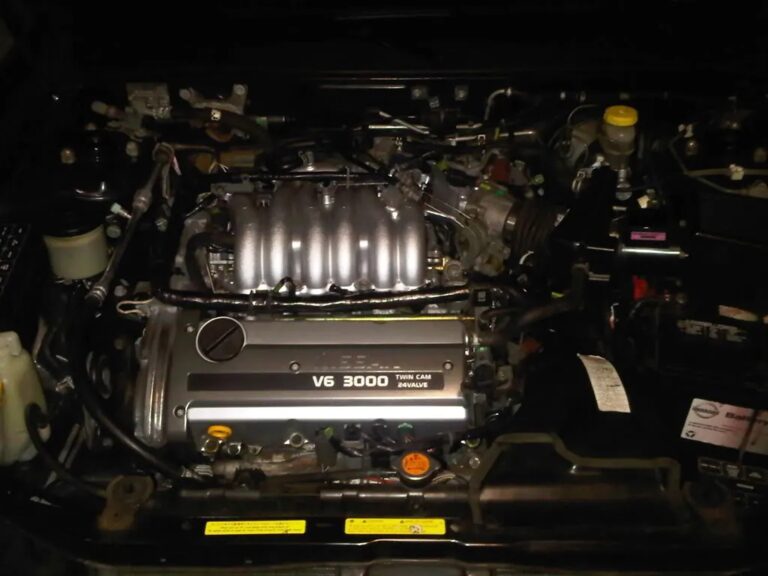
I recently decided to replace both of my leaky valve cover gaskets and clean up the engine bay a bit. Along the way, I ran into some issues that I’d like to share to forewarn other members.
Coolant hoses
When I removed the upper intake to access the rear cover, I had to cut two coolant hoses that connect to the back of the intake. I couldn’t reach the clips, so cutting was my only option. These hoses are Nissan-only parts, so I had to wait a while to get replacements.
Fuel rail and spacers
Since the lower intake manifold gasket was included in the intake gasket kit, I decided to replace it as well. I didn’t relieve the fuel pressure beforehand and instead pivoted the fuel rail assembly out of the way.
The first time I reinstalled the rail onto the lower intake, I forgot the spacers and torqued it down.
After realizing the mistake, I removed it and added the spacers. Unfortunately, the fuel rail tabs had bent from the mishap, causing a major vacuum leak that stumped me for several days.
To fix this, I ended up using smaller spacers to properly seat the injectors in the lower intake, along with installing new injector insulators.
Fuel rail bolts
The bolts that secure the fuel rail to the lower intake strip very easily. I stripped one and had to re-tap it with a 3/8-24 bolt.
RTV sealant on valve covers
You must use RTV at the sharp edges on the front and rear valve covers. Most people know this, but I neglected it and had to redo both covers. I also recommend using either the OEM Nissan gasket or the Fel-Pro one.
I ended up removing and reassembling the upper intake four times. By the last attempt, I could disassemble and reassemble everything in about an hour. While I had the engine apart, I also completed the following work, and now the car runs awesome:
Replaced valve cover, EGR, IACV, throttle body, and all intake gaskets.
Painted the front valve cover, ornament cover, and upper intake.
Polished the rear valve cover.
Cleaned the IACV, EGR tube, upper intake, and throttle body.
Replaced all coolant hoses.
Replaced the blow-by hose and all cracked vacuum lines.
Replaced lower intake insulators.
Replaced the PCV valve.
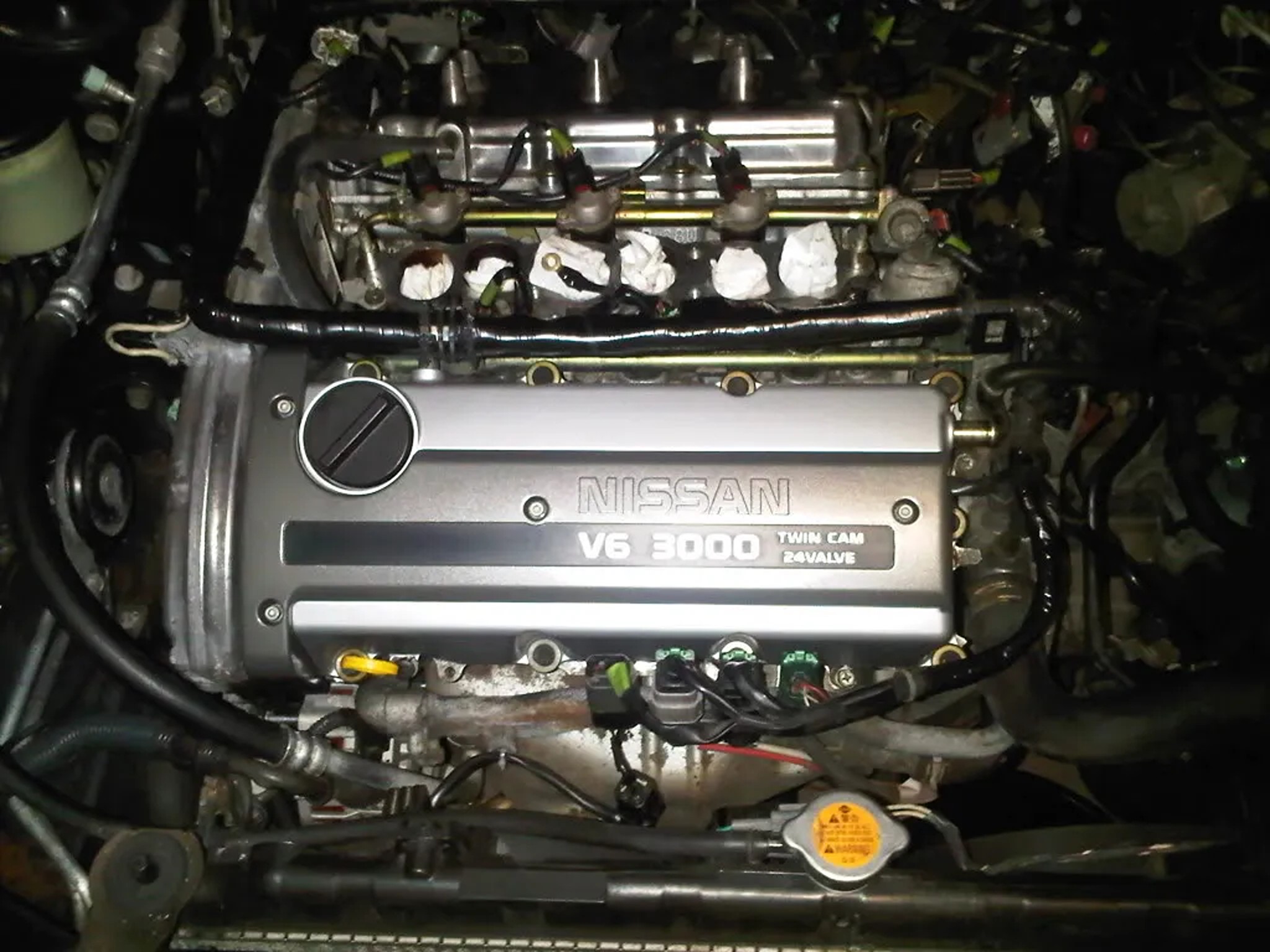
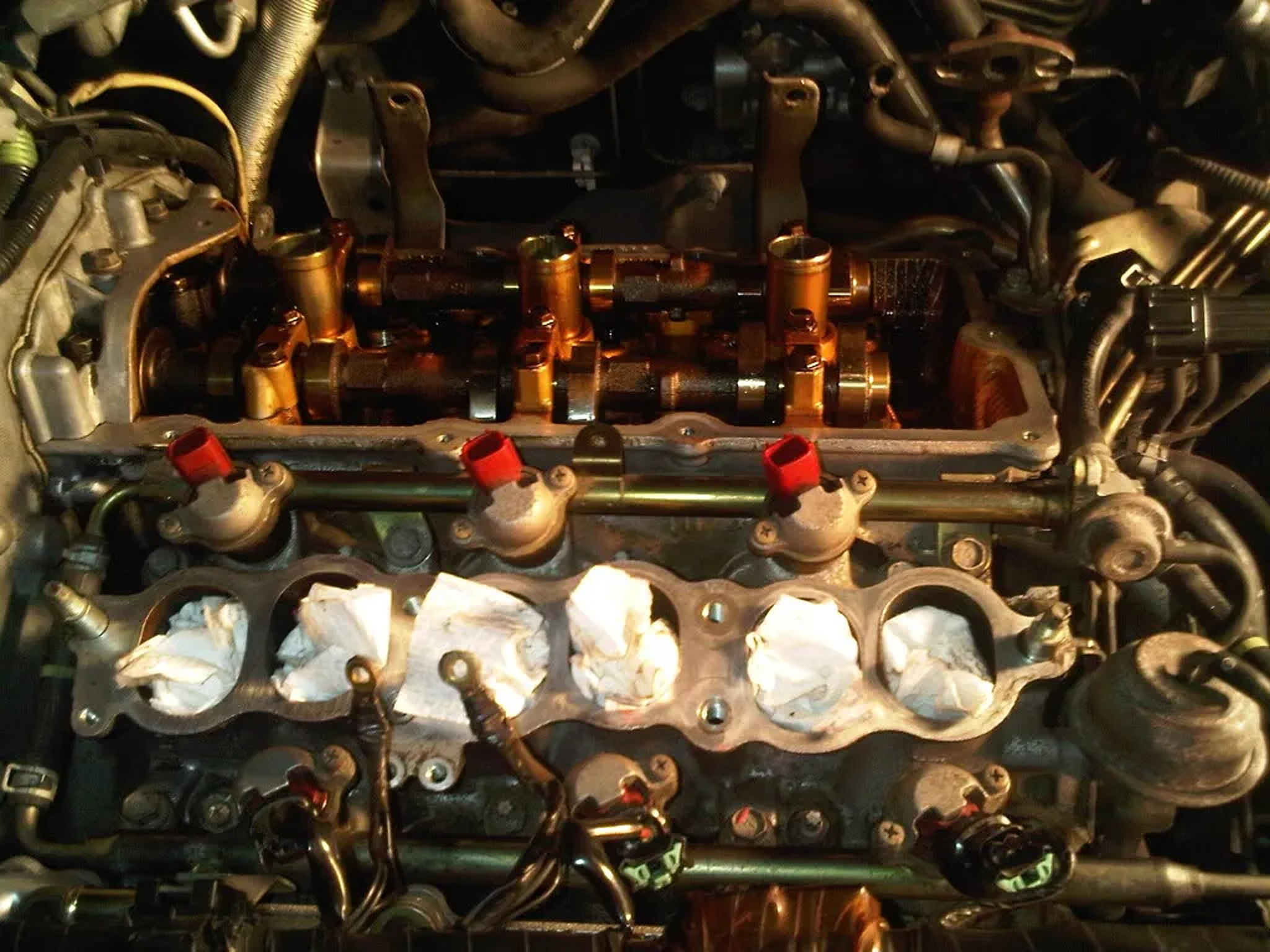
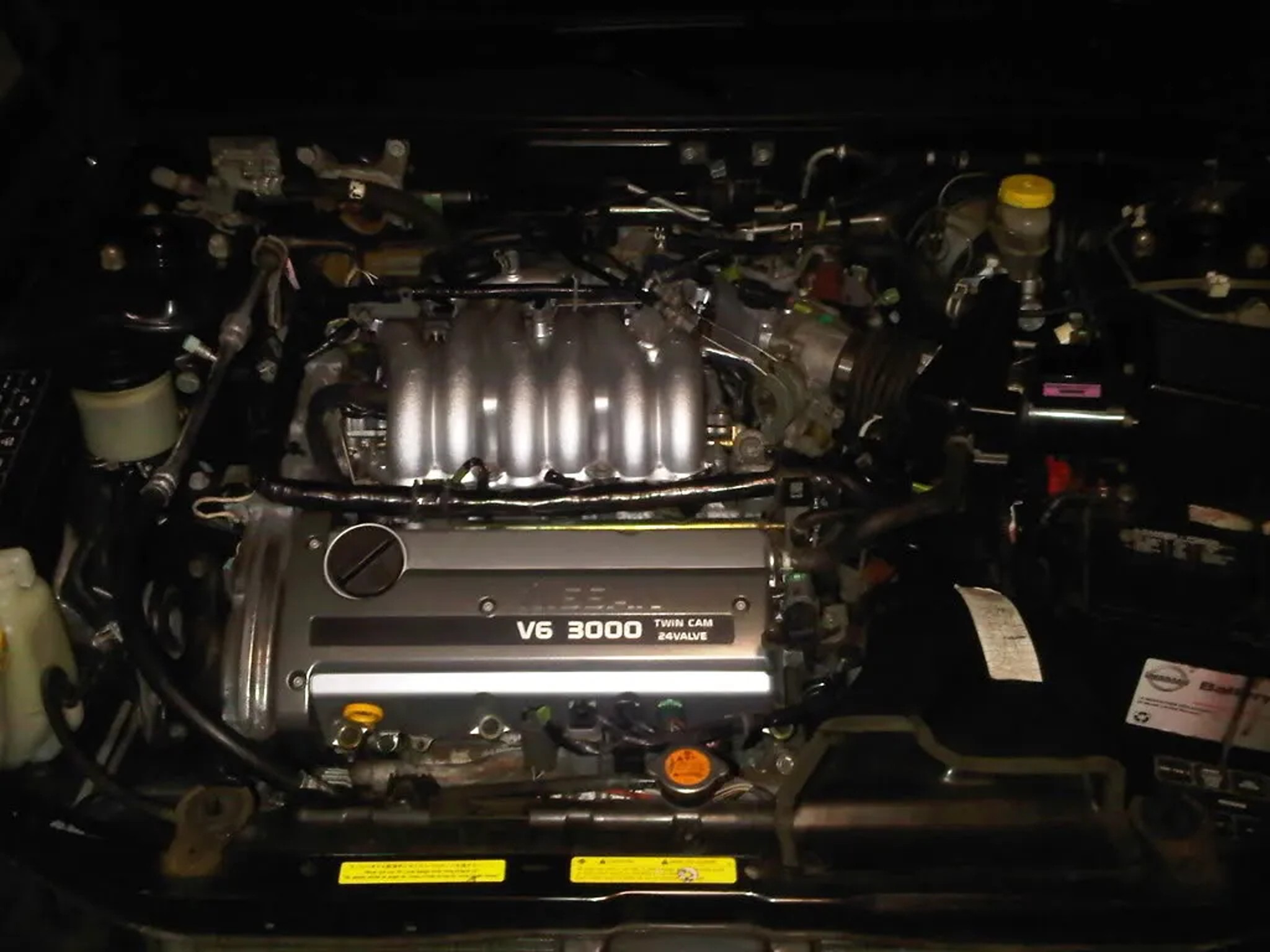

I cleaned up my throttle body and IACV today. I forgot to take a “before” picture of the throttle body, but it honestly wasn’t that bad. It would have been great to clean my EGR tube as well, but I forgot to order the necessary gasket and didn’t feel like waiting another week to do this.


Credit: Cory W.
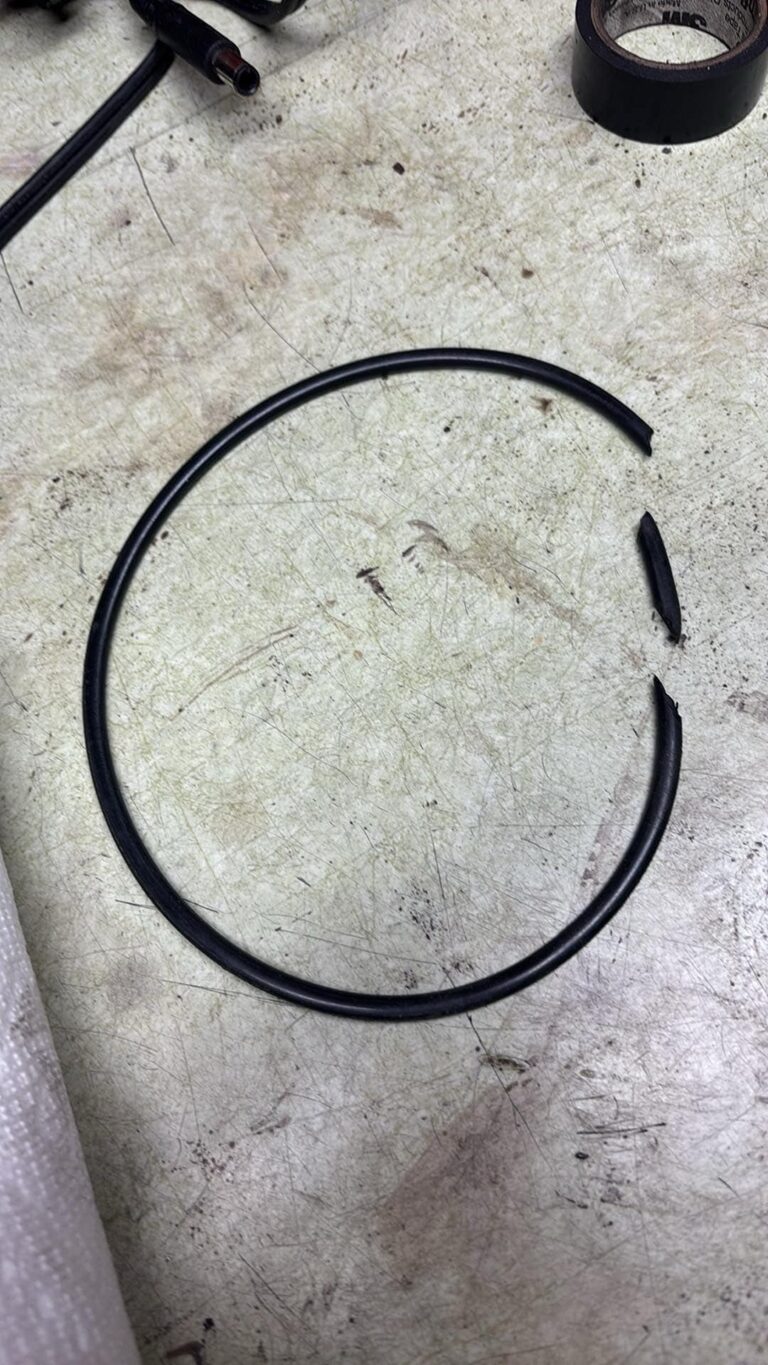
Chasing down a persistent EVAP code P0440 and a noticeable gas smell on my recently purchased Maxima led me to an unexpected discovery. After replacing the entire EVAP system at the rear of the car with new parts, I found not one but two issues: a torn fuel tank sending unit O-ring and a crack on the top of the fuel sending unit. The odds of both being faulty were surprising!
I managed to identify the problem and thought I’d share my experience with the group. For now, I’ve temporarily repaired the crack on the fuel sending unit with JB Weld, though it still leaks slightly. I’m holding off on a more permanent fix since a new sending unit is already on its way.
Here’s what I noticed: gas bubbles up through the cracks in the sending unit and pools around the electrical connectors, causing a vacuum leak in the fuel and EVAP systems. This triggers the P0440 code without any additional errors. The cracks are a series of hairline fractures, and my O-ring was also severely deteriorated. This seems to be a somewhat common issue for older Maximas, as noted on Maxima.org.
For reference, the new fuel sending unit will cost me $270 and is set to arrive Tuesday. I’ve included photos to highlight where the cracks typically form and the condition of the old seal. As you might imagine, with a 3/4 full tank or more, it was leaking quite a bit. Interestingly, the O-ring’s part number is the same across other Nissans, including the 200SX and all 1991–1996 Sentras. Not sure about the sending unit compatibility, though.
I picked up the car for $2,100 with no rust, but it’s far from flawless. It needs a full suspension overhaul, rear main seal and power steering hose replacements, routine maintenance, some interior fixes, new tires and wheels, and has a few dents and dings. All in all, it’s your typical old but charming Nissan!


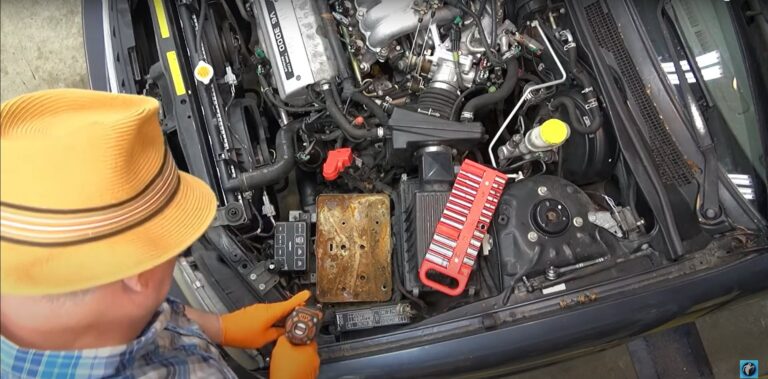
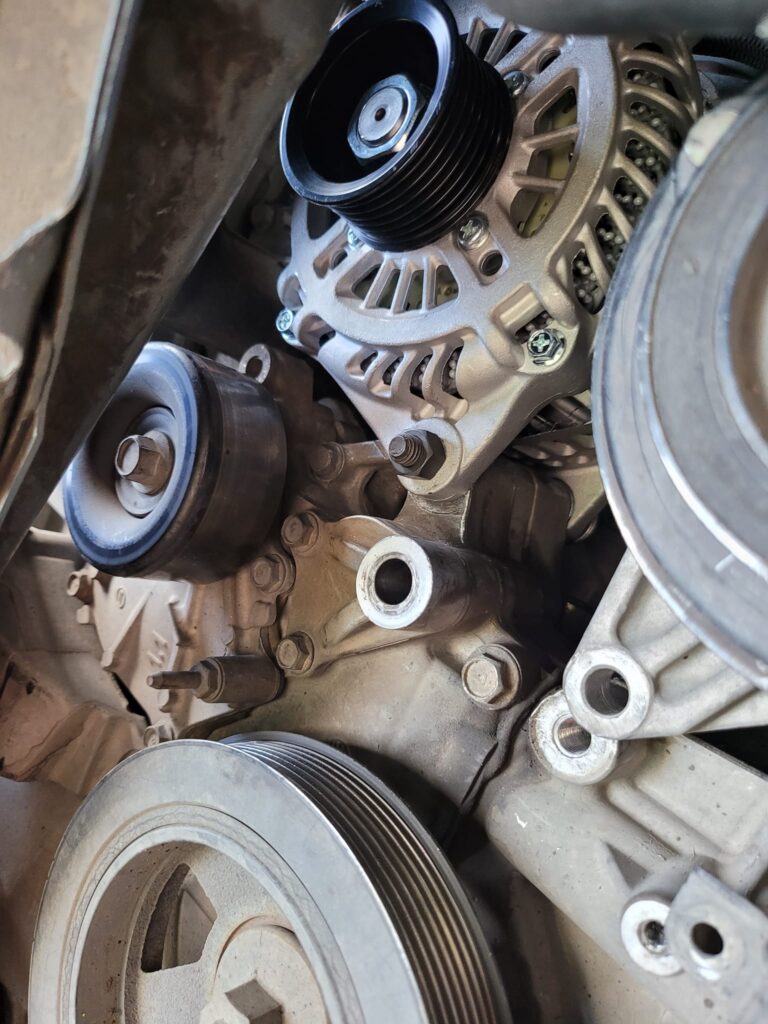
Credit: Mark Rodriguez
This part number applies to the following vehicles, and the replacement procedure may be exactly the same or similar:
Credit: Justin Morrison
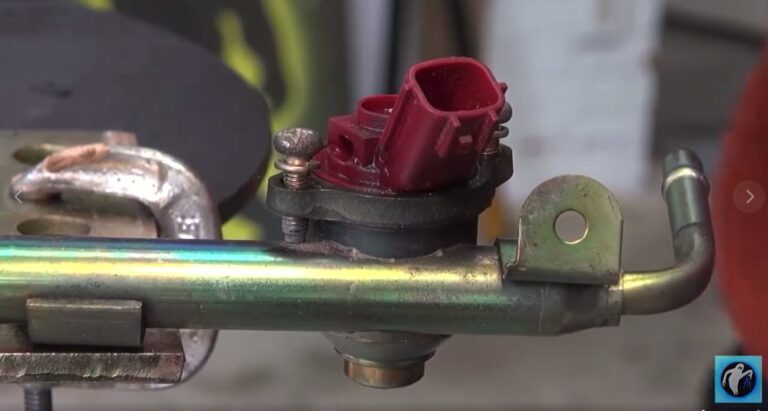
Everyone I spoke to about this insisted that the entire fuel rail needed to be removed to change the injectors. However, I found a video demonstrating a way to do it without removing the fuel rail. The injector only cost me $2, and now the car is running as well as it did before all the issues. I hope this information helps someone else. You have no idea how happy we are that it’s finally fixed!

Credit: Justin Morrison
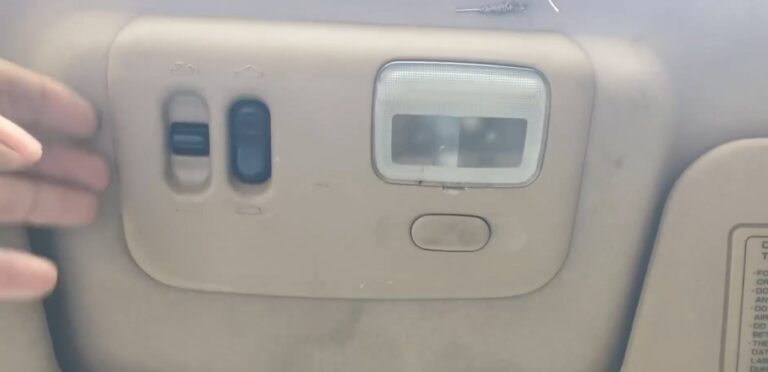
My lesson for the day was that the vast majority of sunroofs out there have a mechanical backup for if it gets stuck open or in the tilt position. At that point I just unplugged the controls to remove the panel so I could bring it inside. I took the entire switch apart and sanded the corrosion off the terminals. Put it all back together and imagine that, ITS FIXED! I miss when they made things to last and/or serviceable.
Warning, long post but worth it if your a 4th gam Maxima owner!