

Last Updated: 02/09/2025 @ 06:39 am
Credit: Cory W.
Chasing down a persistent EVAP code P0440 and a noticeable gas smell on my recently purchased Maxima led me to an unexpected discovery. After replacing the entire EVAP system at the rear of the car with new parts, I found not one but two issues: a torn fuel tank sending unit O-ring and a crack on the top of the fuel sending unit. The odds of both being faulty were surprising!
I managed to identify the problem and thought I’d share my experience with the group. For now, I’ve temporarily repaired the crack on the fuel sending unit with JB Weld, though it still leaks slightly. I’m holding off on a more permanent fix since a new sending unit is already on its way.
Here’s what I noticed: gas bubbles up through the cracks in the sending unit and pools around the electrical connectors, causing a vacuum leak in the fuel and EVAP systems. This triggers the P0440 code without any additional errors. The cracks are a series of hairline fractures, and my O-ring was also severely deteriorated. This seems to be a somewhat common issue for older Maximas, as noted on Maxima.org.
For reference, the new fuel sending unit will cost me $270 and is set to arrive Tuesday. I’ve included photos to highlight where the cracks typically form and the condition of the old seal. As you might imagine, with a 3/4 full tank or more, it was leaking quite a bit. Interestingly, the O-ring’s part number is the same across other Nissans, including the 200SX and all 1991–1996 Sentras. Not sure about the sending unit compatibility, though.
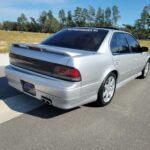
I picked up the car for $2,100 with no rust, but it’s far from flawless. It needs a full suspension overhaul, rear main seal and power steering hose replacements, routine maintenance, some interior fixes, new tires and wheels, and has a few dents and dings. All in all, it’s your typical old but charming Nissan!


Comments are closed.