Credit: Nick Raymond Scherr

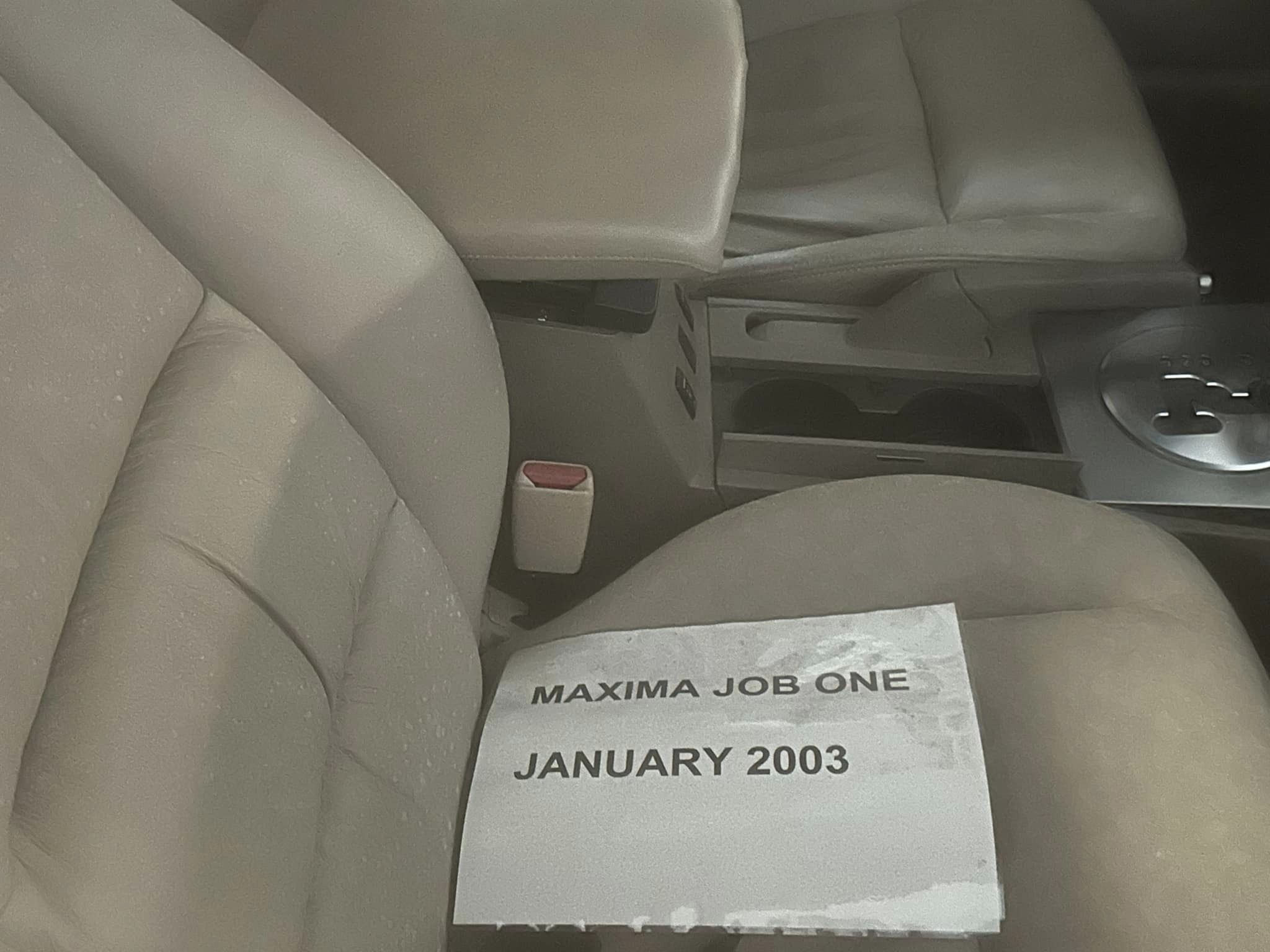
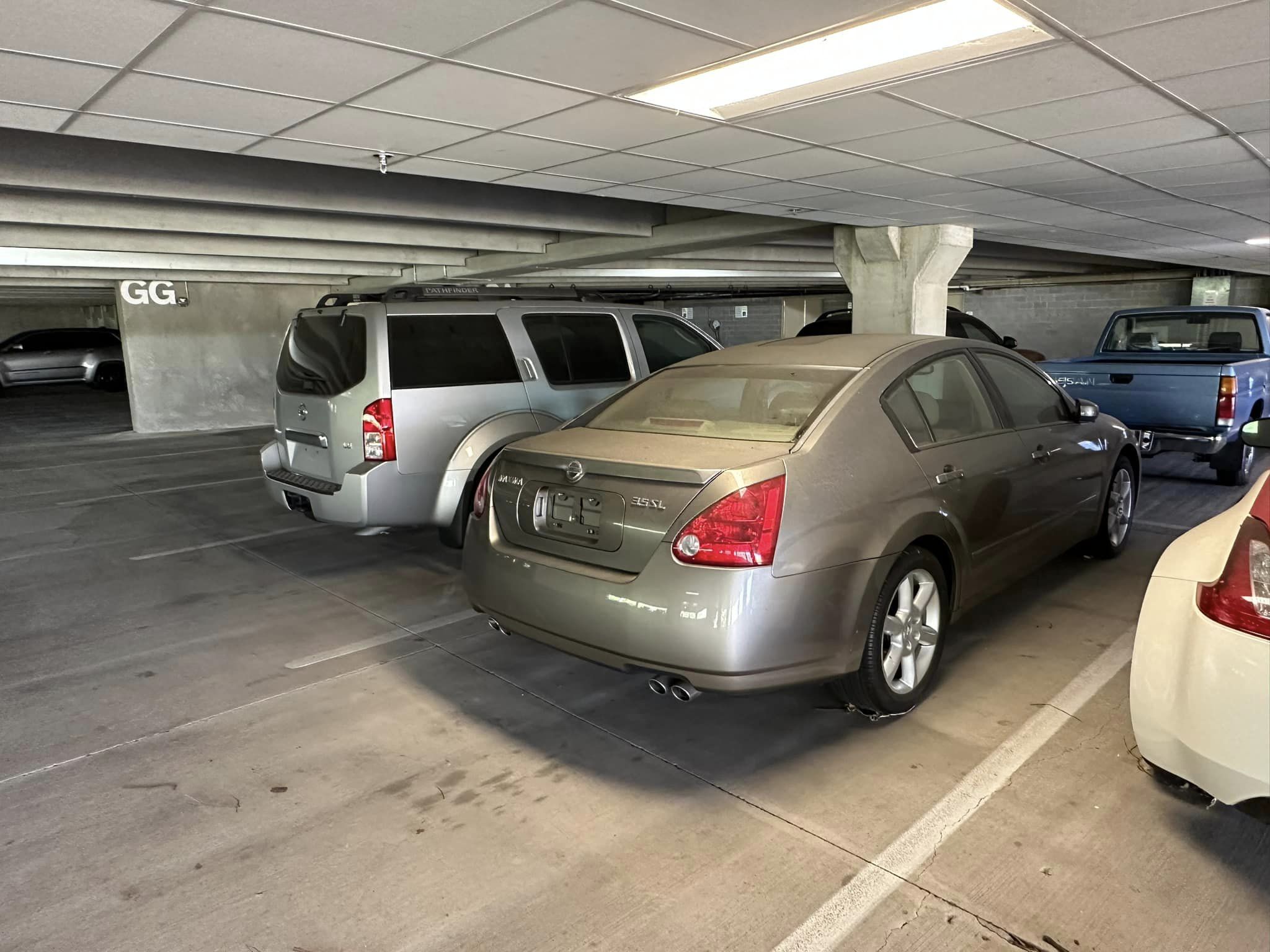



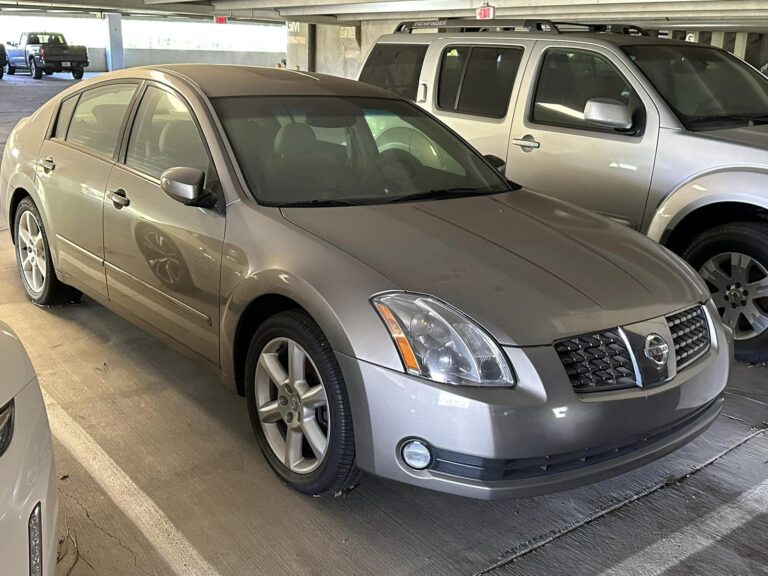
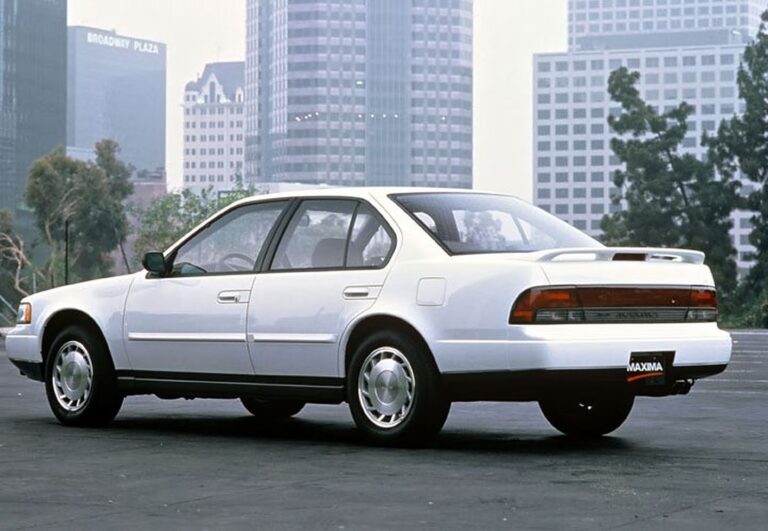
Credit: kalebonline
| Engine Oil | SAE 5W-30, API SG, Energy Conserving Oil | |
| With Oil Filter | 4 1/8 qt | |
| Without Oil Filter | 3 3/4 qt | |
| Tune Up | ||
| Spark Plugs | * The VG30E, unlike the VE30DE, does NOT use platinum plugs. | |
| Standard Type | BKR6ES-11 | |
| Hot Type | BKR5ES-11 | |
| Cold Type | BKR7ES-11 | |
| Plug Gap | 0.039 – 0.043 in (1.0 – 1.1 mm) | |
| Ignition Timing | 15º ± 2º BTDC (Before Top Dead Center) | |
| Base Idle | 700 ± 50 RPM | |
| Curb Idle (target) | 750 ± 50 RPM (Curb Idle means when it’s under a load I believe) | |
| Idle Mixture Ratio | Less than 8% CO | |
| Valve Clearance | ||
| Intake | 0.010 – 0.013 in (0.26 – 0.34 mm) | |
| Exhaust | 0.011 – 0.015 in (0.29 – 0.37 mm) | |
| Throttle Position Sensor | * (T/V means Throttle Valve) also abbreviated TPS | |
| T/V Closed | Approx. 1.0 kOHM | |
| T/V Open | Approx. 9.0 kOHM | |
| T/V/S On RPM | 250 150 RPM | |
| Power Valve Actuator | * Shortens the intake length inside the upper intake manifold | |
| Initial Opening Vacuum | -3.94 – -7.87 in/Hg (-100 – -200 mm/Hg) | |
| P/V Butterfly Clearance | 0.0118 (+0.0025 or -0.0008) in [0.30 mm (+0.06 or -0.02 mm)] * This makes no sense to me | |
| Radiator Fill | ||
| Coolant Type | Ethylene Glycol | |
| Coolant Capacity | 8 3/4 qt | |
| Compression | ||
| Standard | 173 psi | |
| Minimum | 128 psi | |
| Diff Between Cylinders | 14 psi | |
| Fuel System | ||
| Fuel Pressure at Idle | Vacuum applied at fuel pressure regulator – 34 psi Vacuum released at pressure regulator – 43 psi |
|
| Fuel Pump Resistance | 0.5 OHM | |
| Fuel Pump Drop Resistance | 0.9 OHM | |
| Fuel Injector Resistance | 10 – 14 OHM | |
| Sensor | ||
| Mass Air Flow Sensor | * Abbreviated as MAF or MAFS | |
| Supply Voltage | 11 – 14 V | |
| Output Voltage | 1.0 – 1.3V | |
| Mass Air Flow | ||
| At Idle | 2.0 – 6.0 gm/sec | |
| 2500 RPM | 7.0 – 20.0 gm/sec | |
| Coolant Temp Sensor Resistance | ||
| 68ºF (20ºC) | 2.1 – 2.9 kOHM | |
| 122ºF (50ºC) | 0.68 – 1.00 kOHM | |
| 176ºF (80ºC) | 0.30 – 0.33 kOHM | |
| Front O2 Sensor Heater Resistance |
2.3 – 4.3 OHM * I really don’t know why they have two O2 Sensors listed here, there is only one. Oh well | |
| Rear O2 Sensor Heater Resistance |
2.3 – 4.3 OHM | |
| EGR Temp Sensor Resistance | ||
| At 212ºF (100ºC) | 85.3 ± 8.53 kOHM | |
| IACV-AAC Valve Resistance | Approx. 27 – 40 OHM * Means Idle Air Control Valve – Auxiliary Air Cut Valve | |
| Electrical Ignition System | ||
| Firing Order | 1-2-3-4-5-6 * Imagine that! :0) | |
| Battery Specs | Standard | Optional |
| Type USA | 55D23L | 80D26L |
| Capacity (V/AH) | 12 / 50 | 12 / 65 |
| Type Canada | 80D26L | 95D31L |
| Capacity (V/AH) | 12 / 65 | 12 / 80 |
| Disc Current | 150 Amps | 195 Amps |
| Charging System | ||
| Alternator Type | LR190-711 | |
| Nom. Rated Out | 12V / 90A | |
| Reg. Volt | 14.1 – 14.7 | |
| Hot Output Amp (Amps/RPM) | More than 23 / 1300 More than 63 / 2500 More than 84 / 5000 |
|
Credit: kalebonline
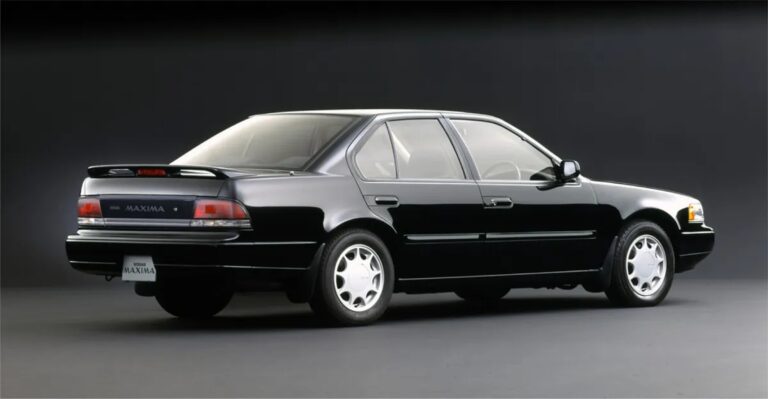
Here’s a quick list to determine your model/engine, etc.
1) Do your windows have chrome trim or black trim? If chrome, it’s a GXE. If black, it’s an SE.
Another way to tell: if your gauges are white text on black, you have a GXE. If they’re black on white, it’s an SE
2) If your Maxima is an 89-94 GXE, you have a SOHC, 160HP VG30E engine.
3) If your Maxima is a 89-91 SE, you have a SOHC, 160HP VG30E engine.
4) If your Maxima is a 92-94 SE, you have a DOHC, 190HP VE30DE engine.


The refreshed 2019 Nissan Maxima had all references to the 4DSC nickname removed. It did have the name for the 2016-2018 models so this is maybe a sign that Nissan has different plans for upcoming models.


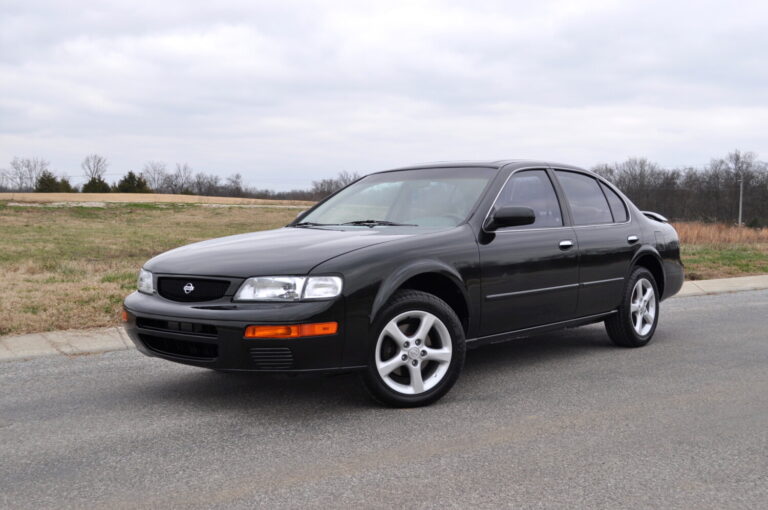
The 4th gen Maxima was offered in three trim levels for the US market:
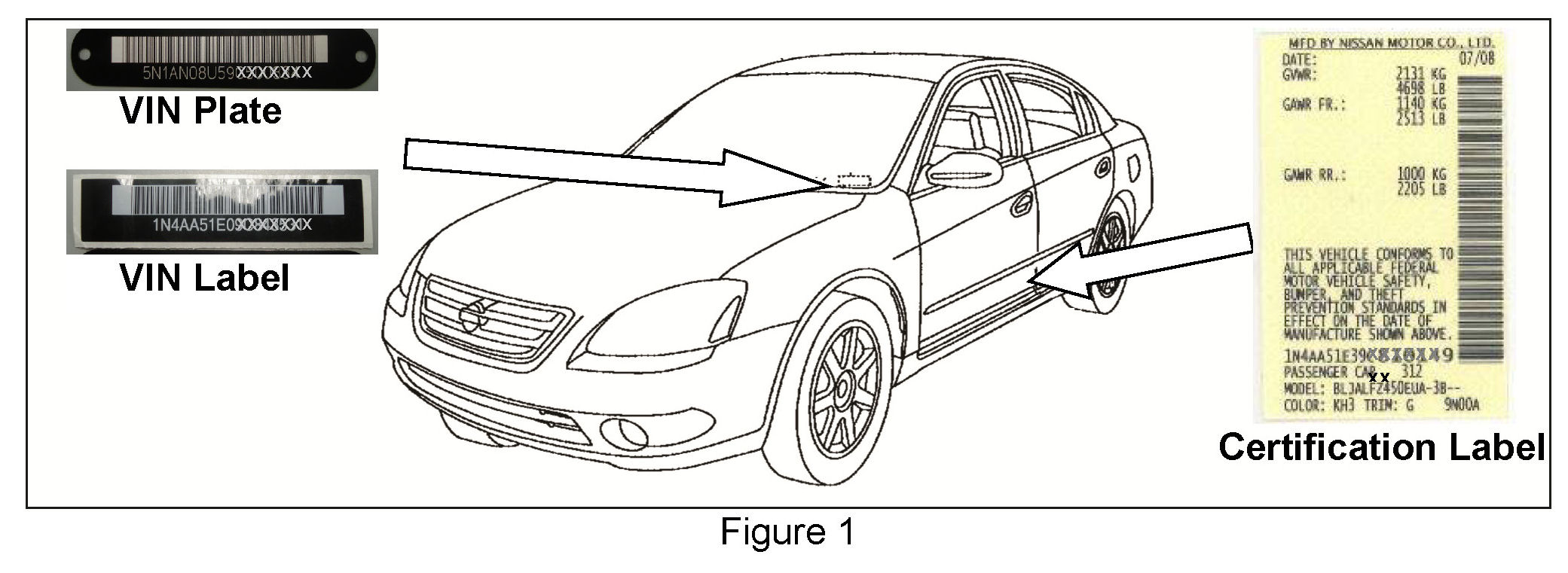
All trim levels have the same engine, so performance differences between them are pretty much nil. The best way to tell which trim level you have is to decode the VIN Plate. This is due to much part swapping and trim upgrading, even transmission swaps that can be done.
TO DECODE THE VIN PLATE:
Raise your hood. Look for a shiny metal identification tag fastened to the passenger side of firewall. The top row is the Vehicle Identification Number, starting with J. The second row is model information. The first five characters are BLHUL. The sixth character is the trim level designator, defined as follows:
E = GXE
G = GLE
V = SE
There are some feature differences that can help you determine the trim level on site. Keep in mind that most of these can be changed aftermarket by the owner, but as we know the VAST majority of Maximas on the street are bone stock.
Keep in mind that spoilers, foglights, mudflaps and wood dash trim could be had as dealer-installed options on all levels.
Other options like heated seats, traction control, ABS and the like were offered on more than one trim level, so they are not a reliable indicator.
What are the differences between the 99 SE and the 99.5 SE-Limited (SE-L)?
Approx. early to midyear of ’99, a version of the SE called the SE Limited debuted, with only these differences to the ’99 SE
It is largely believed that these were produced to get rid of remining A32 engines, parts, and shells. Evidence to support this is the fact that the SE-L could be equipped like every different trim of a Maxima, with the only commonality being the “Limited” traits listed above.
What makes the Infiniti I30 so special?
The Infiniti I30 is really just a dressed up Maxima. Personally, I think it is what the Maxima should/could have been. Anyway…
The I30 has the same drivetrain and suspension components as the Maxima. This means that all the engine and suspension mods for the Max will fit the I30. There is one critical difference with regard to transmissions, however. I30s equipped with the 5spd manual transmission have a VLSD. We all know why this is good.
As far as the exterior is concerned, the only panels shared between the cars are the doors and the roof.
The I30 includes all the features of the Maxima GLE plus:
What options were standard and available on the Maxima?
All Maximas come very well equipped with Power windows/locks/mirrors, cruise control, intermittent wipers, 8 way adjustable seat, remote trunk release, rear defroster, Etc. The SE trim level adds white faced gauges, spoiler, fog lights and alloy wheels. The GLE trim level has everything in the ‘S&C’ and ‘Leather trim’ packages described below and the same alloy wheels found on the 95-96 SE.
Options where grouped into three packages, Security and Convenience (S&C), SE Leather trim, and Cold weather/Deluxe Seating. The S&C package required an Automatic transmission for the GXE and a sunroof for the SE except the 95 model. The Cold weather package required the S&C package and ABS brakes except for the 95 model. The ‘cold weather package’ was renamed the ‘deluxe seating package’ in 98 and added side airbags and dropped the ABS requirement.
Security and Convenience Package (S&C)
* 8-way power driver’s seat
* Remote keyless entry and vehicle security system
* Integrated HomeLink Transmitter (SE only)
* Power trunk release
* Illuminated visor vanity mirrors
* Variable intermittent wipers
SE Leather Trim Package
* Leather seating surfaces
* Automatic temperature control
* 4-way power front passenger’s seat
* Simulated leather upper door trim
* Passenger-side seatback pocket
95-97 Cold Weather Package
* Heated front seats
* Heated outside mirrors
* Low windshield-washer fluid warning light
* Heavy-duty battery
98-99 Deluxe Seating Package
* Front seat side air bags
* Heated front seats
* Heated outside mirrors
* Low windshield-washer fluid warning light
* Heavy-duty battery
What are the year to year differences on 4th Gen (95-99) Maximas?
All 4th gen Maximas have the same engine and are basically the same. There are some claims that the earlier 4th gens are slightly more powerful due to less emissions equipment and faster due to being slightly lighter but if there is any speed/power difference it is minimal. Most of these differences where collected from this thread, if you have any additions or corrections please post them there.
Any options or changes continue to the next year unless they are noted to be removed or noted for only one year. The list below is pretty detailed but I did not include every tiny detail to try to keep it readable, check the thread linked above for more details.
1995 – 1st year 4th gen. Rear oxygen sensor in cat. Only year GXE could have S&C package and 5 speed transmission. Only year SE could get S&C package without sunroof. SE came with 15″ ‘Sawblade’ style rims, GLE had 15″ ‘Honeycomb’ Rims.
1996 – revised emissions equipment, new cup holder, power passenger seat available (with leather package). Only year removable in console cup holder available (but most used Maxes no longer have it). Last year GLE came with ‘fuzzy’ pillars (A.B,C)
1997 – Restyled front and rear (front now has crossbar on grill, rear now has turn signals below taillights), improved crash protection, new steering wheel, 16″ 5 spoke wheels on SE, Homelink on GLE and SE with S&C package, SE got orange Gauge needles. Two new steering wheel designs, one for GXE/GLE and one exclusive to SE. New center console – two drink cupholder with hinged lid, lose change holder, lose ashtray in back, lower armrest. New design of double din headunit. Tweeters moved from the A-pillar trim to the door. Cornering lamps removed. Rear oxygen sensor moved behind cat to b-pipe, B-pipe made longer. Rear emblem changed from individual letters to connected letters — M A X I M A, to M_A_X_I_M_A. GLE trim got GLE badge on trunk. GLE gets the 15″ sawblade rims that where on the 95-96 SE.
1998 – Side air bags available (with deluxe seating package), ‘Cold weather package’ replaced by ‘Deluxe seating package’, orange gauge needles on all trim levels (95-97 GXE/GLE had white needles), digital odometer (with two trip meters), climate control redesign, Fuel and temp. Gauges now ‘Mirror image’ instead of facing the same direction. ‘Low Fuel’ light moved from gas gauge to strip of warning lights, ‘Air-bag warning’ light moved from strip of lights to bottom of speedometer, ‘X1000 RPM’ moved from bottom of tachometer to center.
1999 – Emissions equipment and ECU wiring similar to 5th gen models, SE limited edition available, security chip in key, head unit redesign, ‘ambient temperature’ feature added to automatic climate control, three point seat belt for rear center position. Only year traction control was available.
On CA emission 99’s Front pre-cat built into header, two extra oxygen sensors to monitor pre-cats (total of 4), Swirl valve in intake to improve emissions. Special aftermarket Y-pipe required and only 1 pre-cat can be removed.

Credit: Randy King



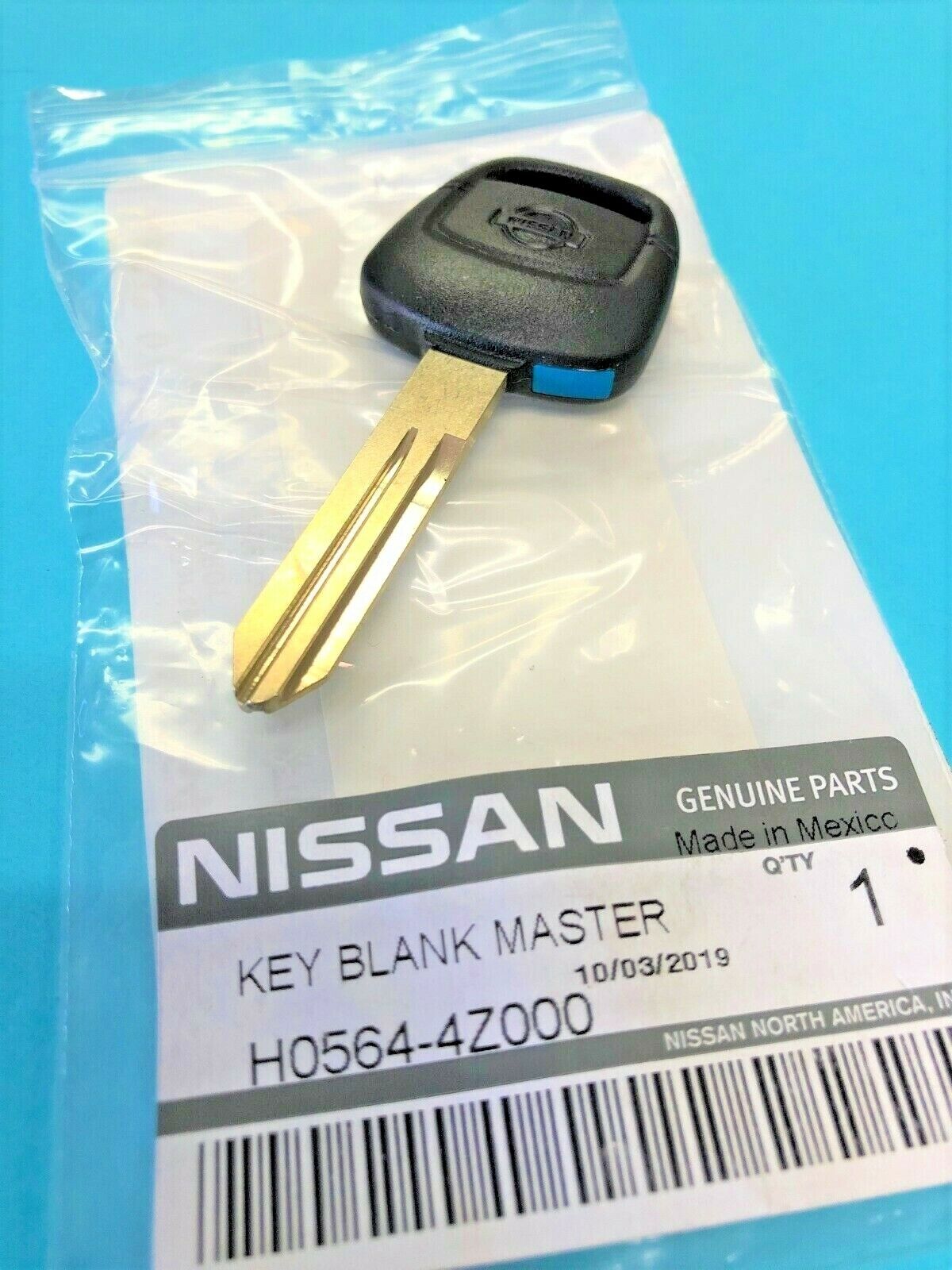
This post is just a reference on comparing a 1995-1998 key to a 1999 transponder key. The 1999 Nissan Maxima was the first Maxima introduced with NATS (Nissan Anti Theft System).
The NATS system consists of 2 modules. The antenna module is in the steering column by the ignition switch to pick up the signal from the key. The other module is the “brains” of this system and it is under the dash between the steering column and the center console.
Part Numbers:



Credit: Leonard Bellgardt IV
A year ago I made a new key ring loop for my A32 keyfob because the original broke and didn’t want to lose it again. Photo after 1 year of daily use. Designed and 3D printed by yours truly.
Order Link: https://www.schmellyparts.com/maxima/key-fob-repair