
Tag

Engine

Browsing
Community  Member Credit: prostreetonline

reader

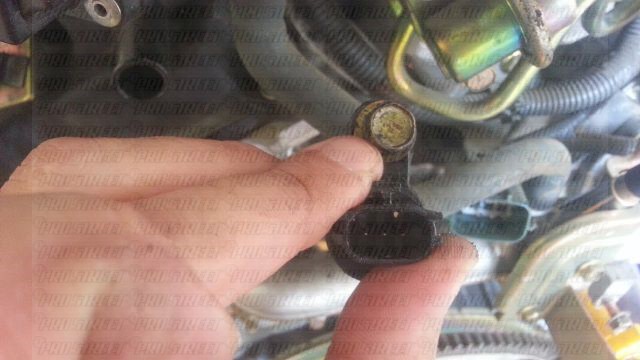
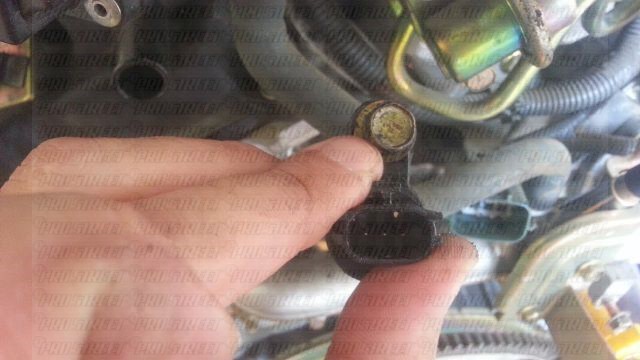
The DTC ODBII trouble code P0335 on a VQ35, found in a Nissan 350Z, Infiniti G35, and many others is a Crank Position Sensor fault, or CKP for short. For this particular write-up we will be showing you How to Service a VQ35 Crank Position Sensor in a Infiniti G35. This sensor is a hall effect-magnetic style sensor that picks up the high and low parts of the flywheel to determine what position the crank is in.

The differences in the teeth of the flywheel provide changes in the voltage feedback given to the PCM from the crank position sensor. The P0335 DTC can be triggered by a few conditions in your VQ35, and needless to say your car will not operate correctly or even start with this DTC.

Here are the detecting condition of the DTC P0335 error code.

Where is my Crank Position sensor?

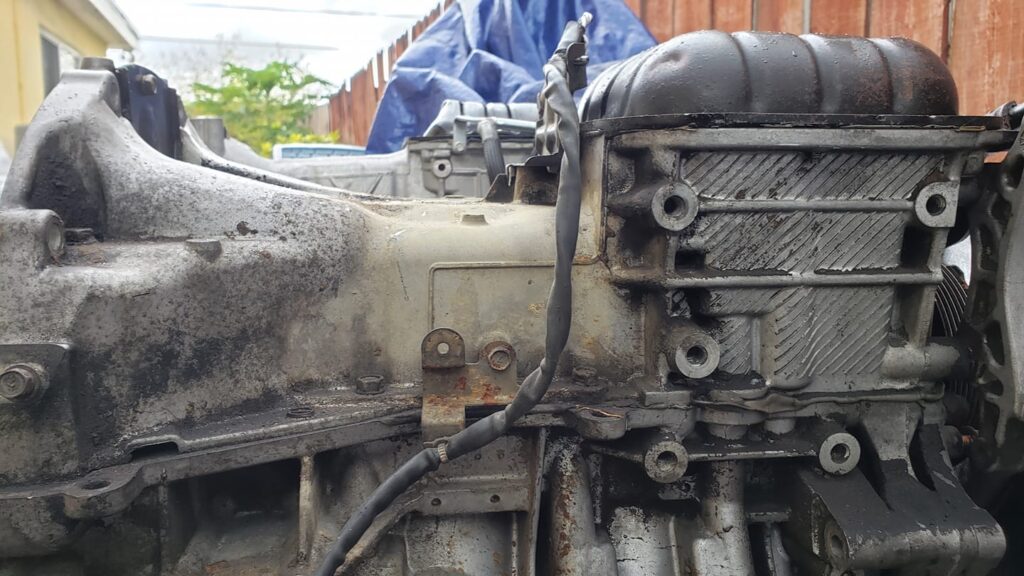
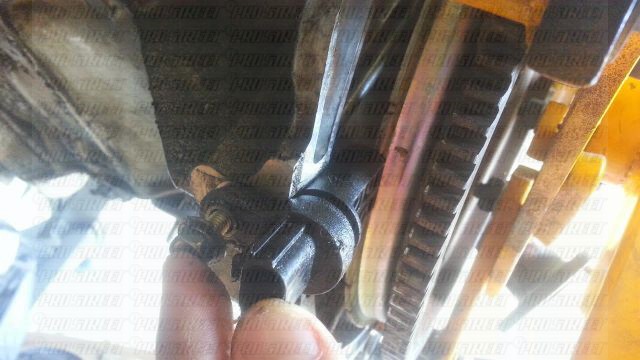
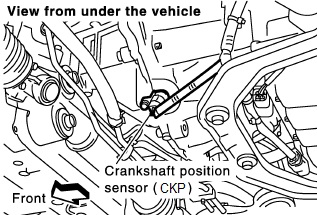
Easily the most commonly asked question in our How to Service a VQ35 Crank Position Sensor guide. The VQ35 has it’s Crank Position Sensor ( CKP ) located on the bellhousing of the transmission, and it reads the position of the crank by reading the teeth on the flywheel.
how-to-test-vq35-ckp2

How do I know my crank position sensor is bad?

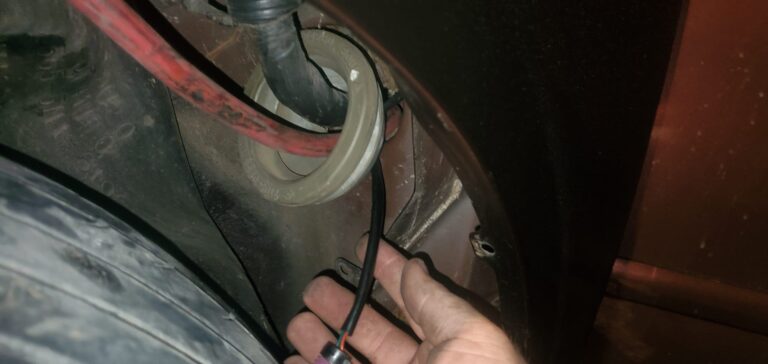
To test your crank position sensor, first raise the vehicle and locate the crank position sensor and the plug leading to it.
ckptest


Now that you have located the sensor, unplug the sensor and take a look at the 3 prong weatherproof connector. Don’t forget if you need the how to on servicing your camshaft position sensor, we’ve got you covered.

First you should check the continuity of the wiring by placing the negative terminal on a ground, and then putting the lead to pin 3.

how-to-test-vq35-ckp

Continuity should exist here, so move on to the next step of our How to Service a VQ35 Crank Position Sensor writeup.


ckptest1


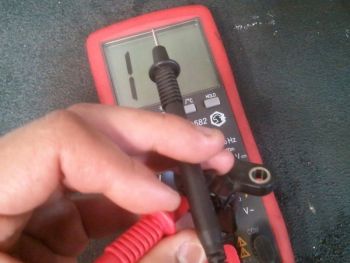
You can test this sensor using a voltmeter with one end connected to a chassis ground and the positive lead going to the 1 pin on the weatherproof connector.

If these 2 wires have continuity your part is more than likely damaged, as the 2nd pin is the signal wire to the PCM.
volt1


Why does my car not start?

The crankshaft position sensor is not transmitting any information to the PCM when trying to crank over your motor, without this sensor the PCM will not know how to operate the engine. This is when you will absolutely need our How to Service a VQ35 Crank Position Sensor article to get your car back on the road.

Where is the Crank Position Sensor pin on my VQ ECU?

Pin 13 is the Crankshaft Position Sensor on your VQ PCM, here is a diagram to help you test continuity should you need it.

vqecupinout


This magnetic crank position sensor can be tested by measuring the resistance between terminal 1-2, terminal 1-3, and terminal 2 and 3.

ckptest3


All 3 of these combinations must measure resistance at 0 Ω or ∞, if your measurements are outside of this reading your sensor must be replaced.

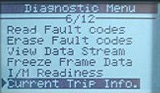
Once you have the unit replaced, plug in your favorite ODDII scanner and clear the code P0335 and you are ready to rock and roll!

how-to-test-vq35-ckp1

You have now serviced your VQ35 crank position sensor and saved yourself a lot of money in dealer labor.

Happy Driving!

Loading

OEM Part Number: 22630-44B20
Price: $20.00-$30.00

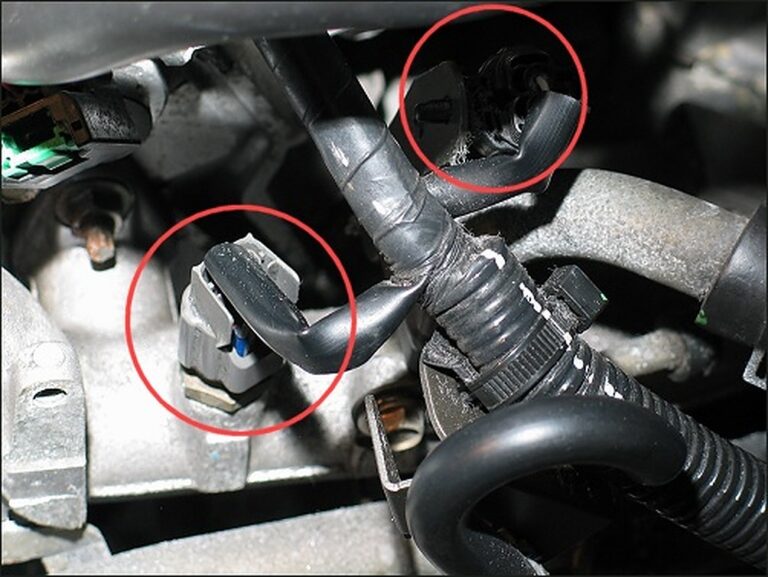
On the 4th Generation Maxima engine the Engine Coolant Temperature Sensor is located in the water outlet tube close to the engine end of the upper radiator hose. There are two sensors in that area. The one nearest the hose is for the dashboard temperature gauge. The ECTS, the one you’re interested in, is right next to the the gauge sending unit. There is a good picture of these sensors in the Haynes manual on page 3-7.

With the engine cold, disconnect the ECTS and measure its resistance. Reconnect the ECTS, start the engine, run it until fully warmed up. Stop the engine, and repeat the resistance measurement. The “warm” reading should be a much lower value than the “cold” reading.

The specs for the ECTS are:

  • Engine coolant temperature 68F, ECTS resistance 2.1 – 2.9 Kohms
  • Engine coolant temperature 194F, ECTS resistance 0.24 – 0.26 Kohms

Replacements Symptoms/Notes:

  • Below about 30 degrees idle will die if I don’t keep my foot on the gas at startup. Once engine is warm it’s OK.
  • Just a quick update for anyone having the same problem. Replaced the CTS (ECU Temp sensor in the picture) and guess what? My multi-year cold start problem is OVER! She runs like new again. Over $1000 spent on MAF, TB cleaning, and more and all I needed to do was replace a $9.00 sensor.
Loading

Community Member Credit: Chris Strasser

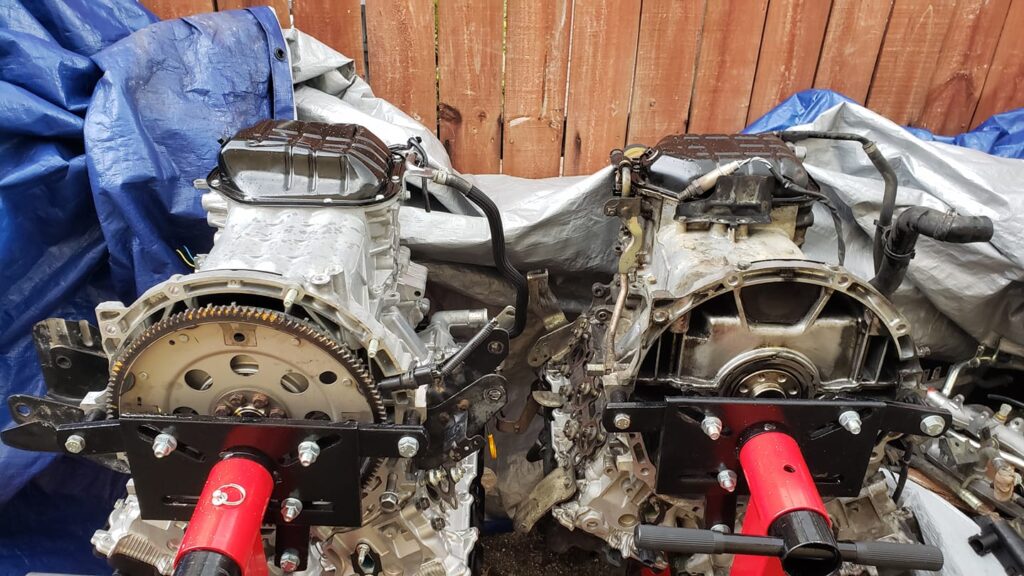
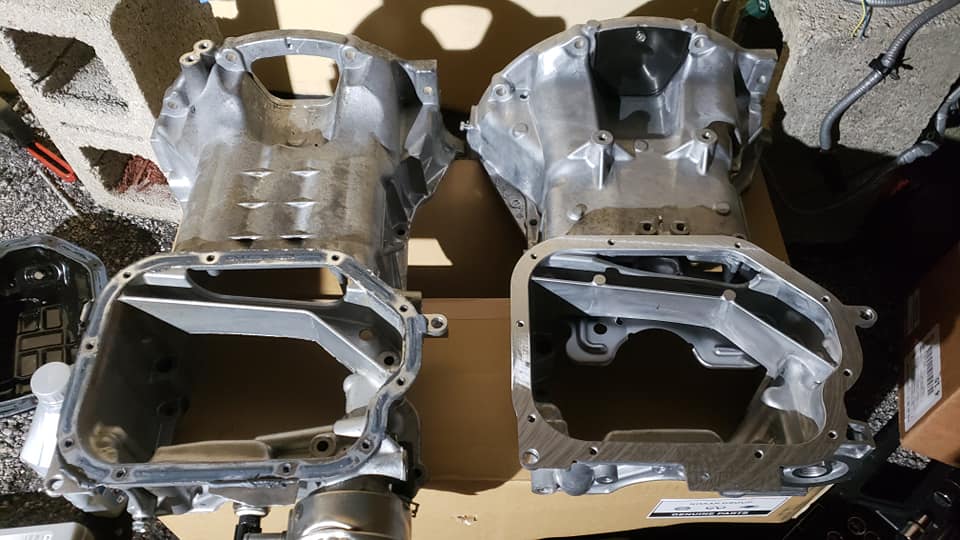
There are also two variations of the 2nd Gen VQ35DE engine. A Maxima engine is equipped with EVT ( Exhaust Valve Timing ) and has a slightly higher compression ratio along with larger intake manifold and throttle body (75mm). The Altima engine has a slightly lower compression ratio, and is not equipped with EVT. The intake manifold and throttle body (70mm) are also a bit smaller.

Notes:

  • The OBX V2 headers don’t fit with 2020 upper
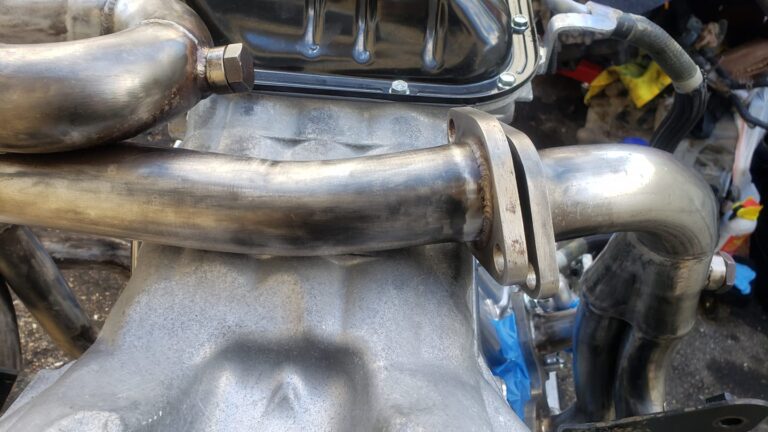
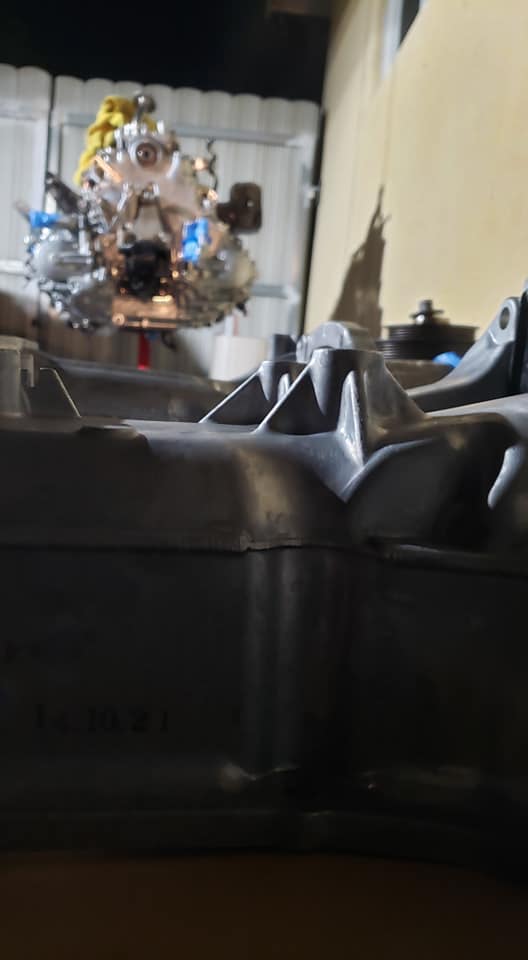
  •  I used the 2020 new pan, got new headers made. It’s not a big deal.
  • I just tried to fit a 2020 Vq35 windage tray with a 2002 upper oil pan and it didn’t fit. I had to remove the 2020 one and use the 2002.
  • I used the 2014 windage tray but had to grind a few spots to make it work. It was hitting the ribs in the 2002 oil pan.
  • I believe you remove the one on the motor because the wind tray is built into 02 oil pan.
  • What is the main reason to change the upper and lower oil pans, Is it a height or sensor issue? If it’s just a height issue, can that be solved with the raiser motor mounts? Exhaust issue. Depending what headers/ ypipe you use if they are made for the 5.5 upper oil pan they might not work w the deeper 2nd gen oil pan
  • Bottom line is it’s best to have the correct oil pan that goes to the car


Loading

Additional Notes:

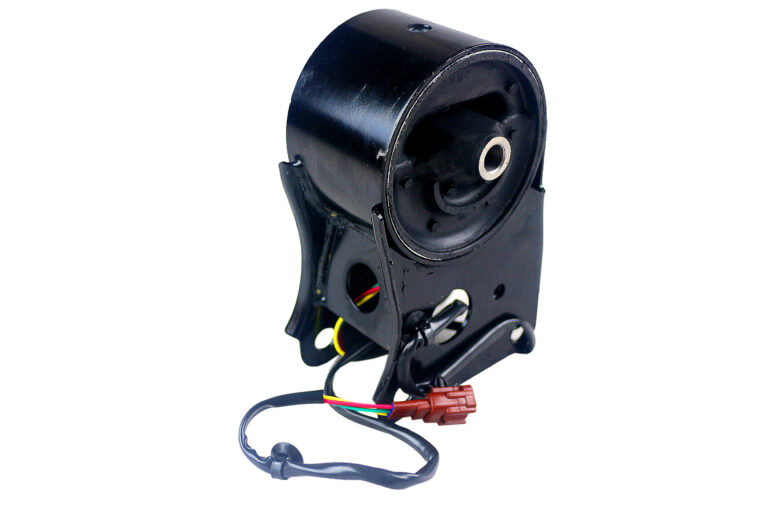
  • The vibration is not even noticeable. I have had mine unplugged for ~6 months and there is no discernable difference at idle or speed.
  • There is no reason to disconnect them before they fail. It is pretty easy to tell when they do go bad (buzzing/whirring sound after you turn off the car) and even if you don’t fix it right away nothing bad happens. Mine buzzed for ~2 months before I decided to unplug them.
  • As it turns out, the mount is not really an electric mount, it is a hydraulic device. It uses electricity to run a small electric motor that pumps oil in and out of a rubber bladder. Built into the little motor are contacts that are supposed to shut off the motor after it has rotated some certain number of times. As too many members have found out, this design fails and “poof” goes your ECU.
  • I ran my 99 i30 with the electric mount unplugged. I read where 5th gens can short out and knock out the ECU. Though I don’t think 4th gens have the problem. Anyway, replacing an ECU on a 99 model can be an expensive ordeal, so I didn’t want to take any chances with the mount’s electric motor causing a short.
  • Mine have been unplugged and replaced with ES motor mounts for well over 3 years…..


Loading

Credit: Joseph Carsella

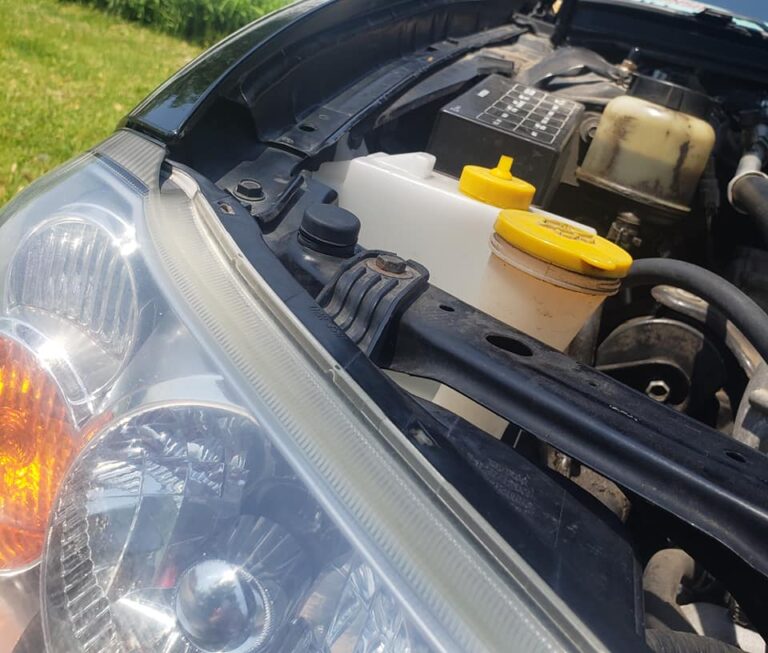
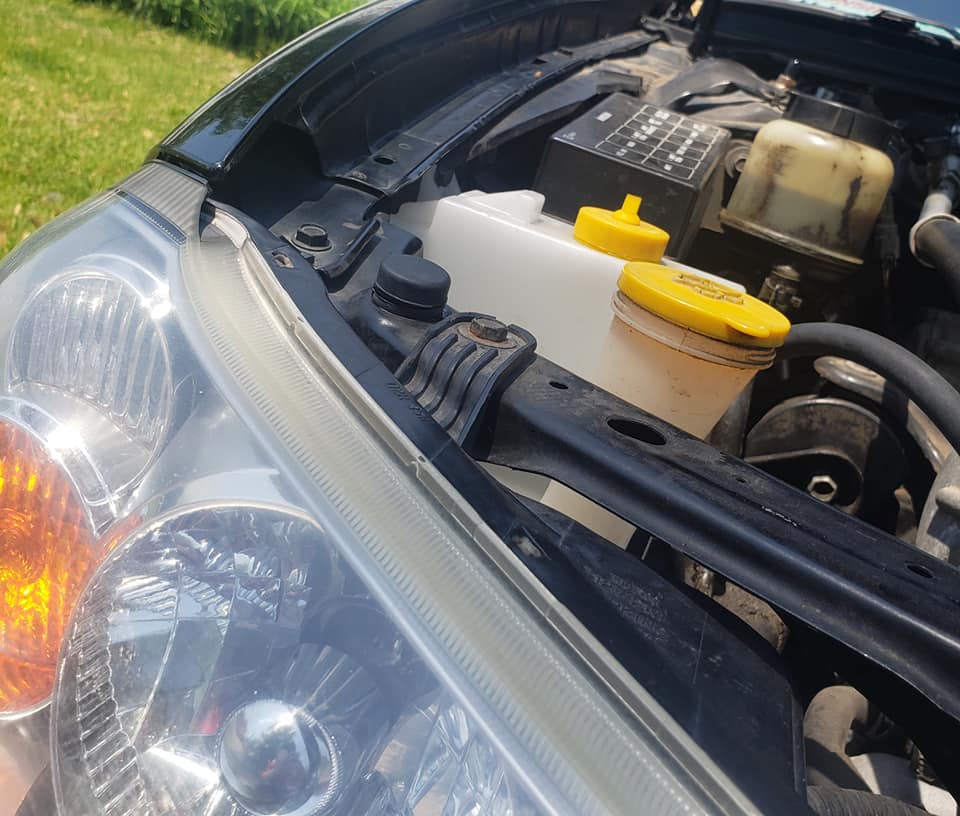
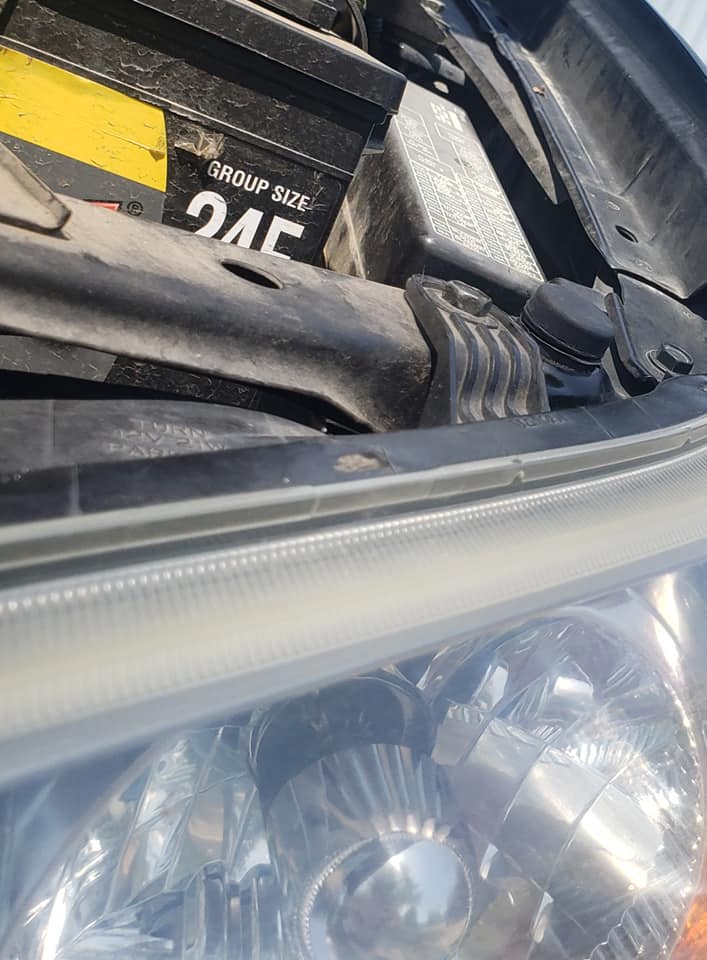
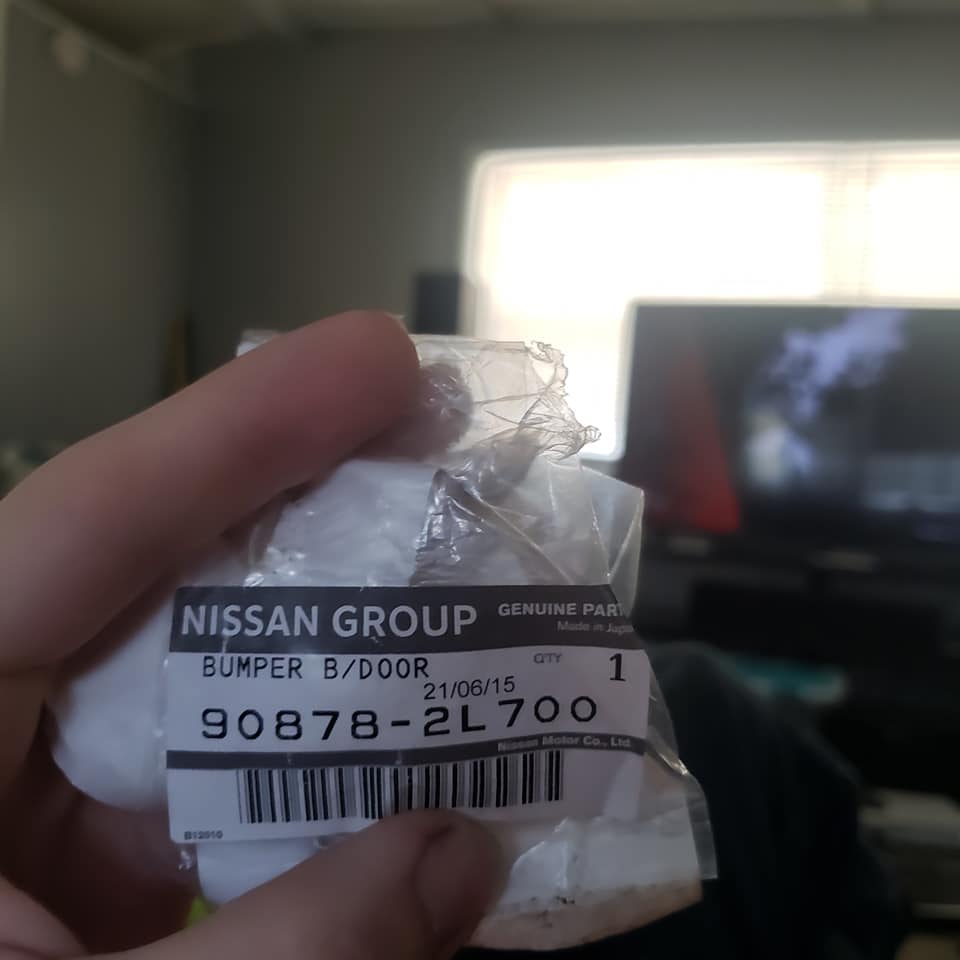
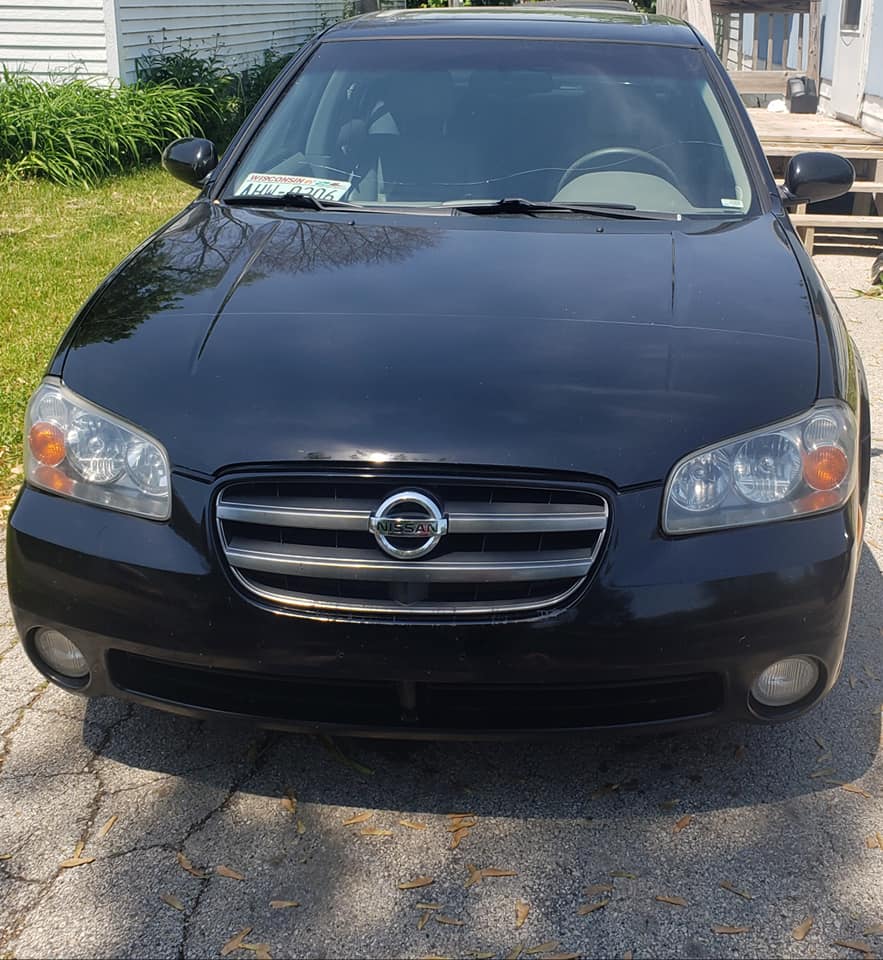
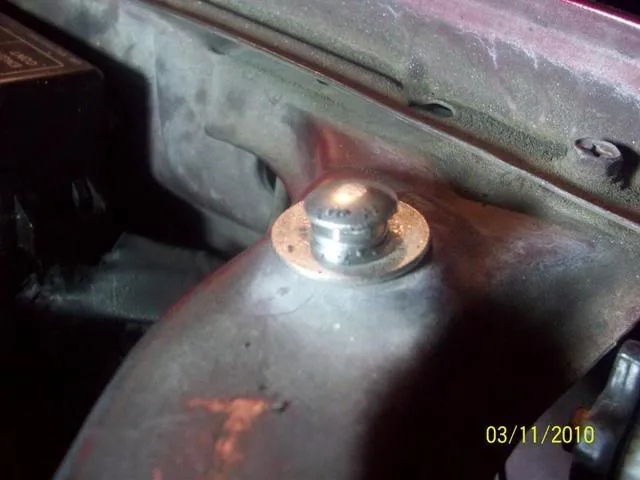
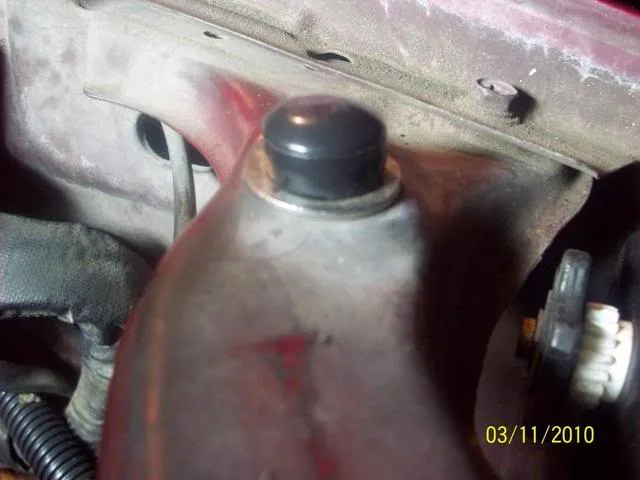
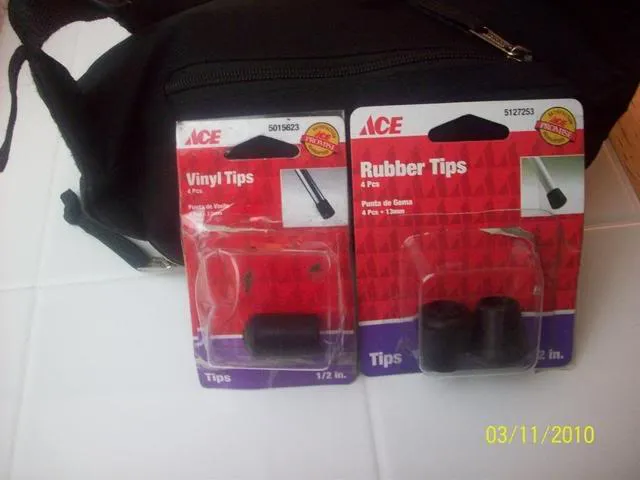
Finally got rid of the old hood bumpers. The hood was sitting about half an inch lower than the fender. I wasn’t too sure how to put them in originally but I covered the ‘threads’ in soapy water and pressed them in at a slight angle while turning. Turns out they actually screw in or out once you get the first layer in.

Alternate Solution

Loading