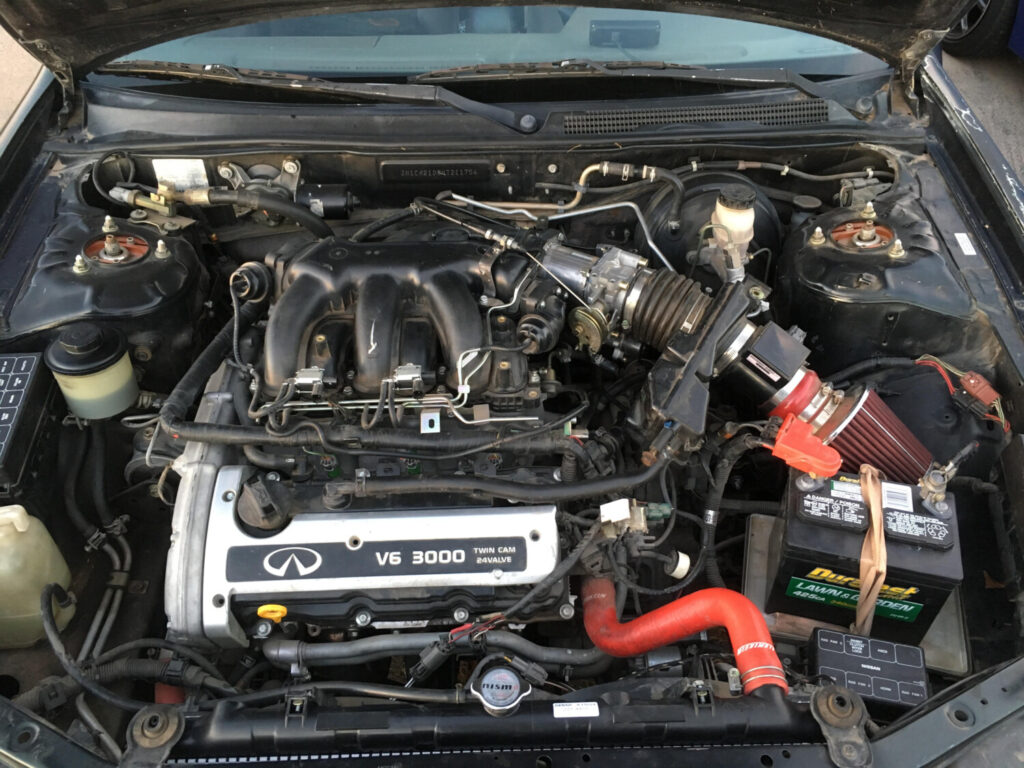
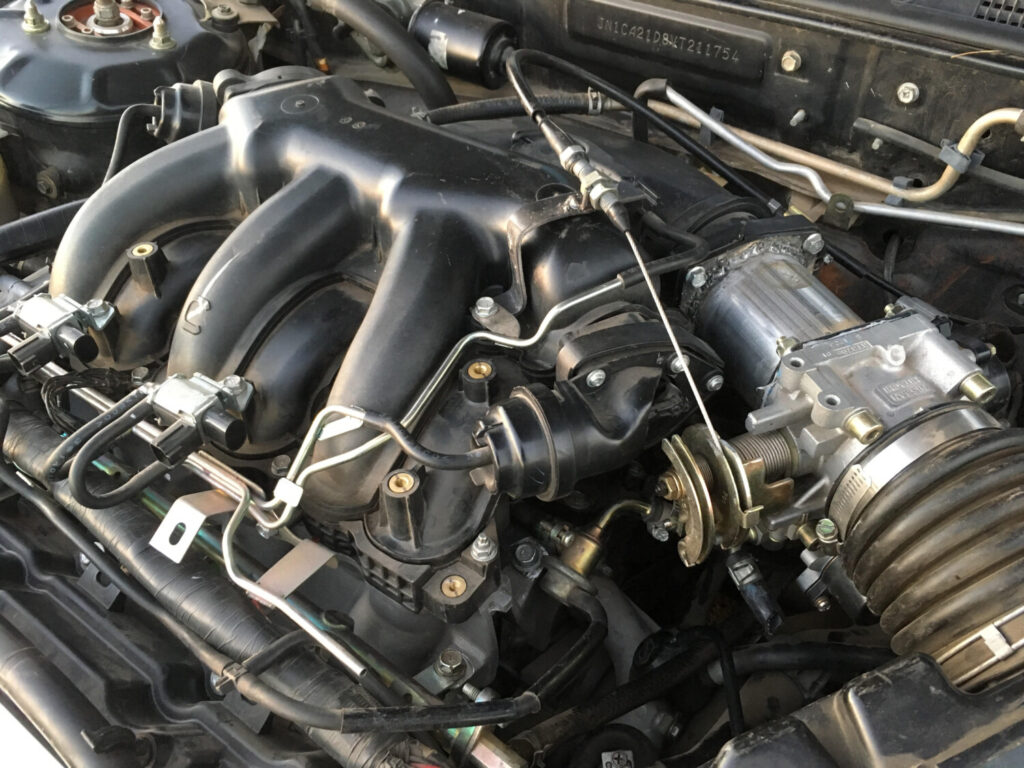
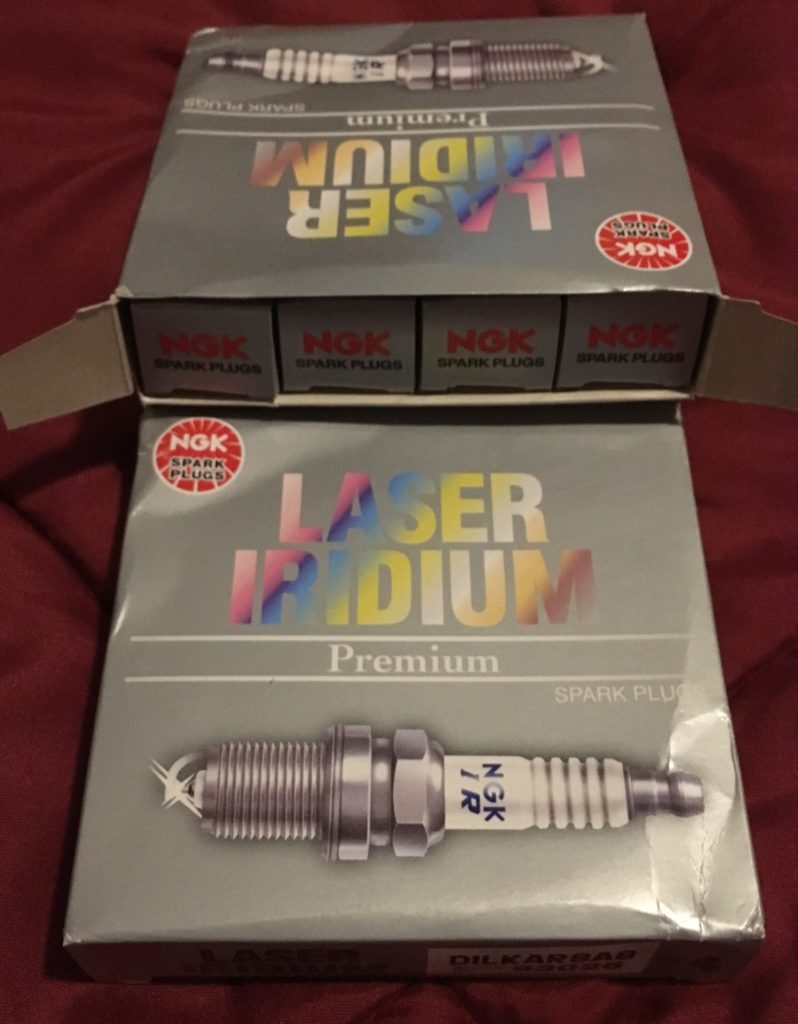
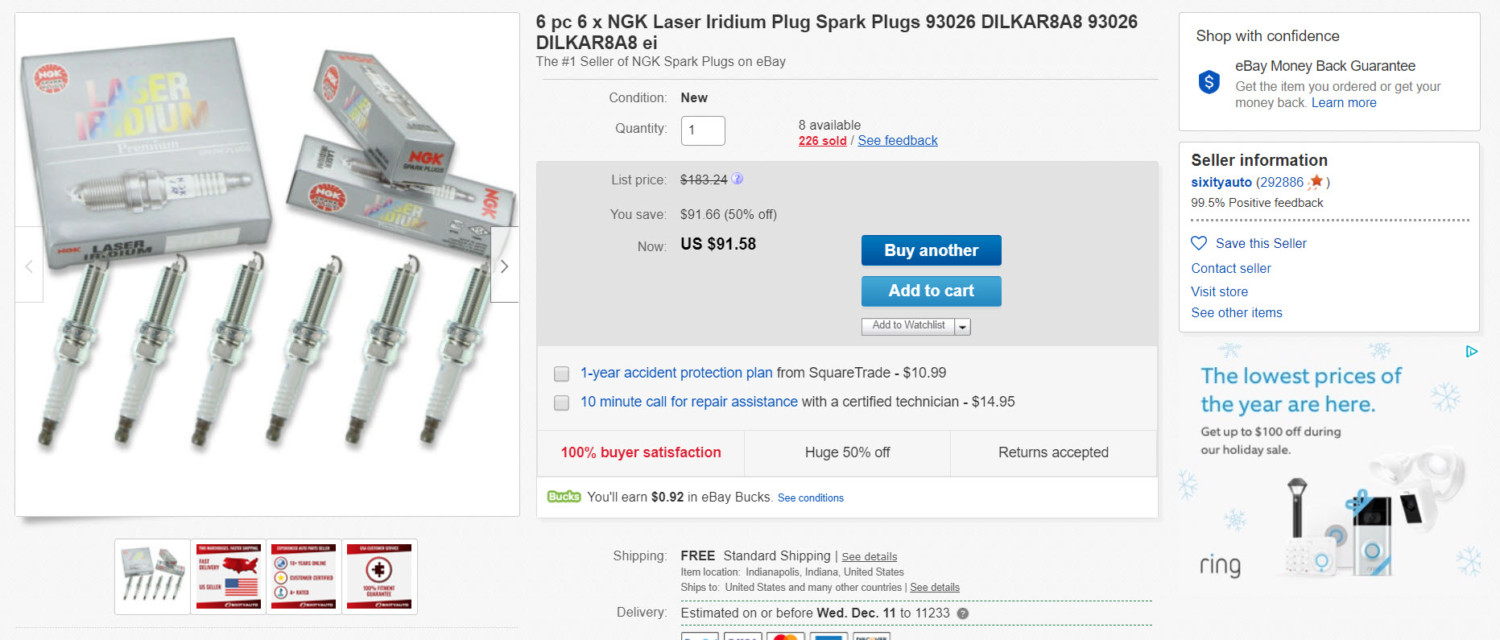
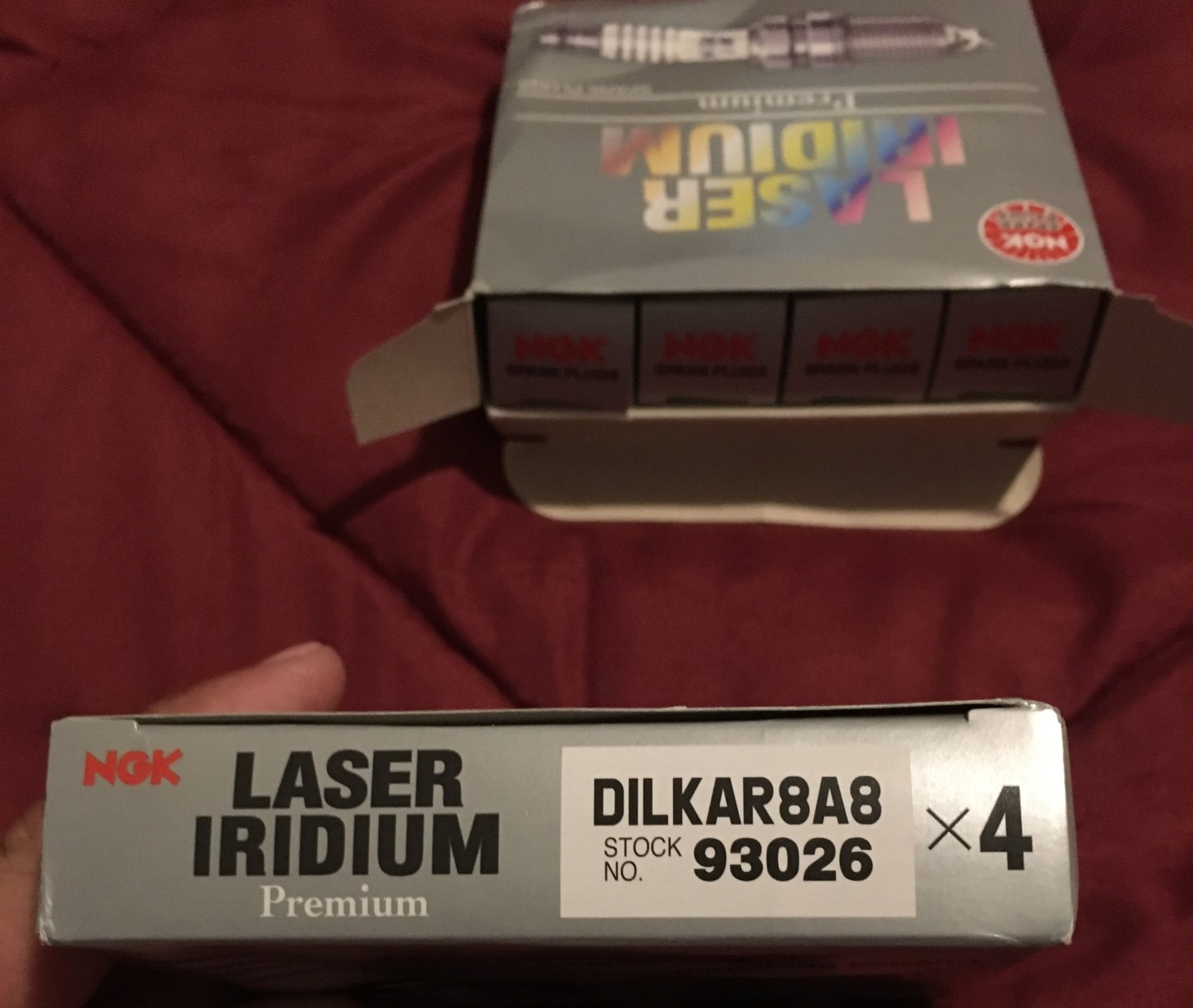
I recently installed R35 GTR Spark Plugs on my 2002 Nissan Maxima which has a 2014 Maxima engine swap. I went this route for my custom Supercharger setup. These plugs are 1-step colder are a direct fit. I paid $91.58 on eBay for all 6 shipped. I replaced them at the same time I did the Audi R8 coil packs. The gap on the spark plugs is .031″ (0.8mm).
Update 8/7/2021: These are still working great for me with no issues.
Note: These only work for the Gen2 VQ35DE Swaps. You will also need a 9/16″ Spark Plug Swivel Socket to install these.
GTR Years: 2009-2019
Part Numbers: NGK 93026 / DILKAR8A8 93026 Description: Laser Iridium Spark Plug Price: Between $15-16 / Each
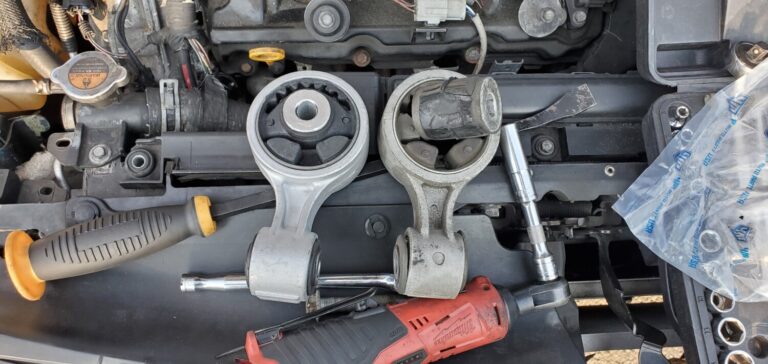
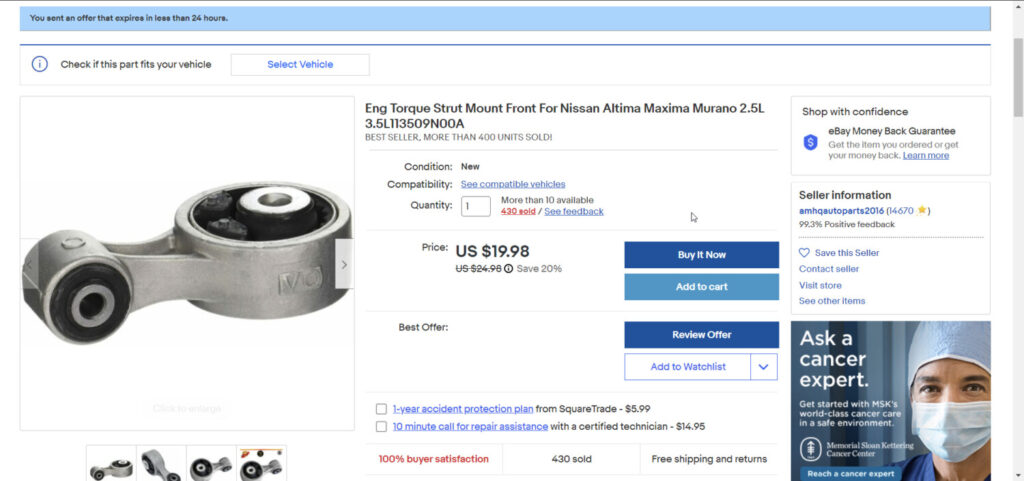
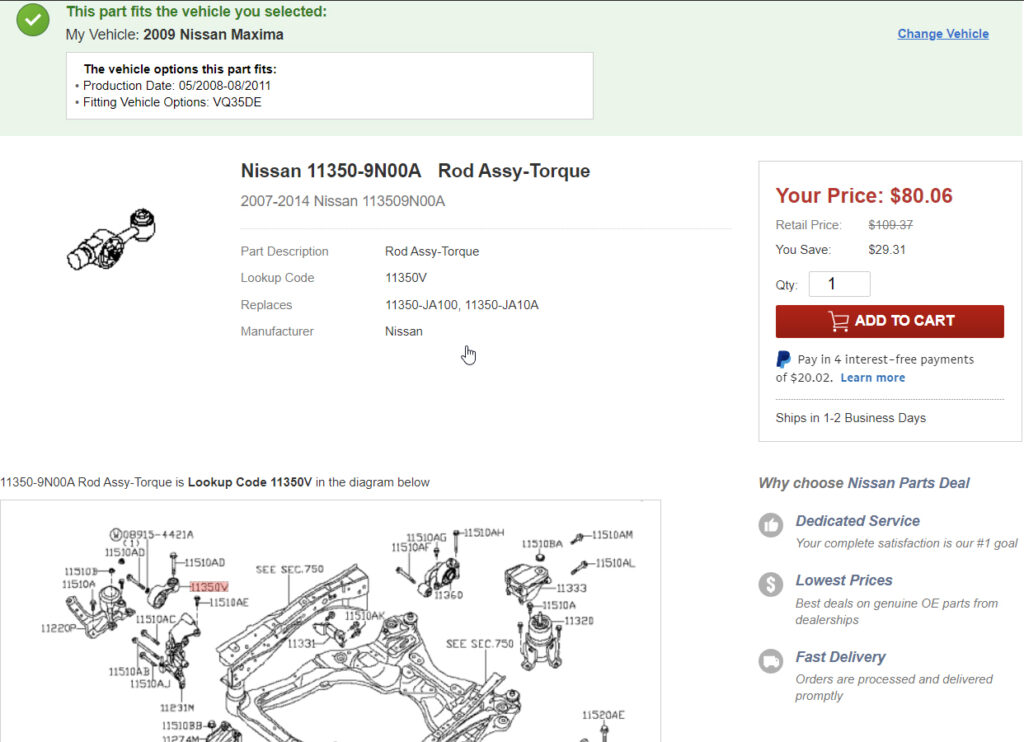
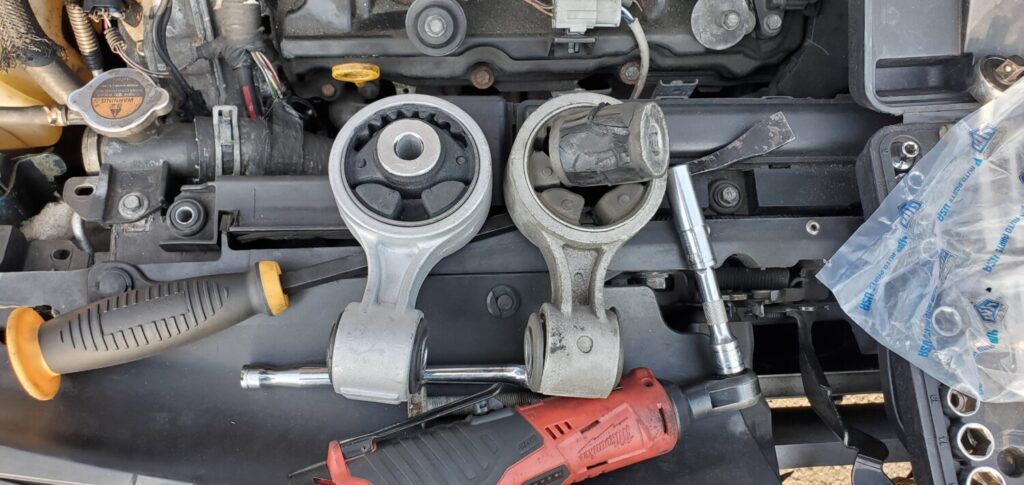
I decided to finally replace the upper torque mount on my 2009 7thgen Nissan Maxima with 220K+ miles. The mount was fully busted. I looked on eBay and found a replacement for $20 bucks vs $80 for OEM. Upon inspecting the two mounts, they were pretty much the same. Given the age and miles of the car, the aftermarket mount was the better route for me. I believe this is the first time this mount has even been replaced. It took me and my 12-year old about 20 minutes to swap this out.
Fitment:
2007 – 2012 Nissan Altima 3.5L-V6
2009 – 2014 Nissan Maxima 3.5L-V6
2009 – 2016 Nissan Murano 3.5L V6
2013 – 2016 Nissan Pathfinder 3.5L V6
2011 – 2017 Nissan Quest 3.5L V6
Upper Torque Mount
OEM Part Number: 11350-9N00A Price: $80.06
Aftermarket Part Number: A7363 Price: $19.98 (Shipped)
On the firewall, there should be a VIN plate, with the engine and transmission codes. If the transmission code ends with a “V” you have the LSD version. “A” is non-LSD.
I just installed these aluminum valve covers on my 5thgen Maxima. AND YES, THEY ARE ALUMINUM! The brand is MITZONE. They are well-made and come with gaskets. I have no leaks or problems so far. They are also very sturdy/solid vs. the crap plastic stuff. Highly recommend.
eBay Description: ALUMINUM Valve Cover Kit for 02-09 NISSAN Altima Maxima Murano Quest I35 3.5L Price: $87.99-$95.00 (Shipped)
Order Links Below:
These are high-quality parts and services from a reputable member. We’re thankful that after all these years we have someone still making these. Not to mention he is easy to work with and ships fast.
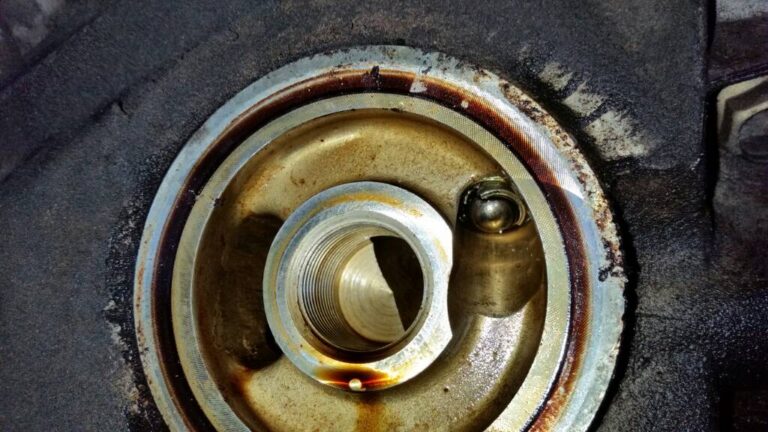
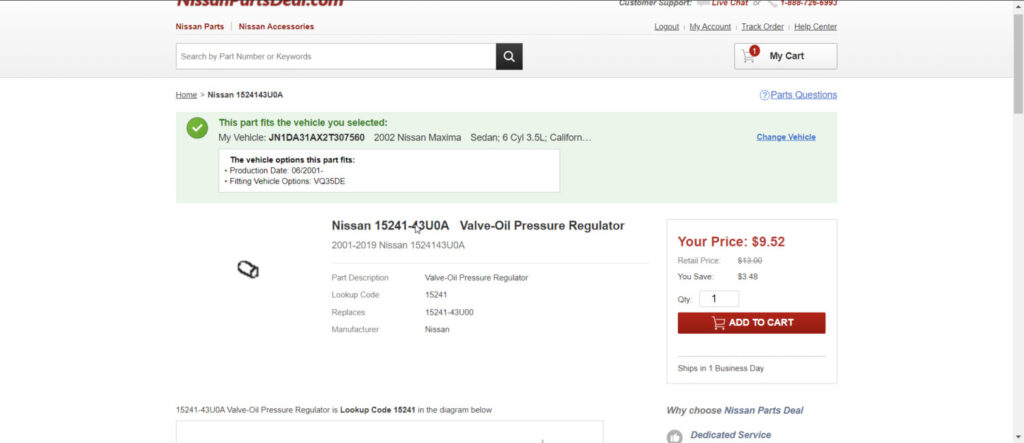
In working on my Gen3 VQ35DE for 4thgen Maxima, I ordered a new OEM Upper Oil Pan. The brand new pans do not come with the oil cooler pressure relief valve, so I ordered one. However, if you decide to use your old greasy upper oil pan, this is a good part to replace to avoid any issues with oil pressure. This is often overlooked. Read the below for more insight into this.
Part Number: 15241-43U0A Price: $9.00-$10.00
What does it do?
The oil pump maintains oil pressure to lubricate internal components. Most oil pumps are positive displacement pumps, which deliver more oil than an engine needs. To address this, there’s a pressure relief valve located at the oil pump outlet. Its purpose is to open when engine oil pressure reaches a certain value. A problem with the pressure relief valve can cause damage to the engine oil filter and to the engine itself.
Under normal pressure conditions, the oil pressure relief valve is forced down against a spring. As a result, oil goes directly through the pump to the engine. As oil pressure created in the system increases, the valve’s piston is forced against the spring causing it to open. This allows oil to flow back into the crankcase preventing excessive oil pressure. The spring tension of the relief valve determines the maximum oil pressure.
There is no sure way to prevent relief valve failure. In some cases, the valve just wears out over time. However, regular oil changes help prevent sludge and varnish build-up, both of which can cause the valve to stick. Changing your vehicle’s engine oil according to the maintenance schedule is the best way to prevent relief valve problems.
The pressure relief valve can be yet another cause of low oil pressure if the valve sticks open or is held open by a small piece of debris. The relief valve is designed to limit oil pressure as engine speed increases. The valve opens when the pressure reaches a preset value (typically 40 to 60 psi). This vents oil back into the crankcase and limits maximum oil pressure in the engine. The reason for doing so is to prevent oil pressure from reaching dangerous levels. Too much oil pressure can be just as bad as too little because excessive pressure can rupture the oil filter or even blow out pressed-in oil galley plugs in the block.











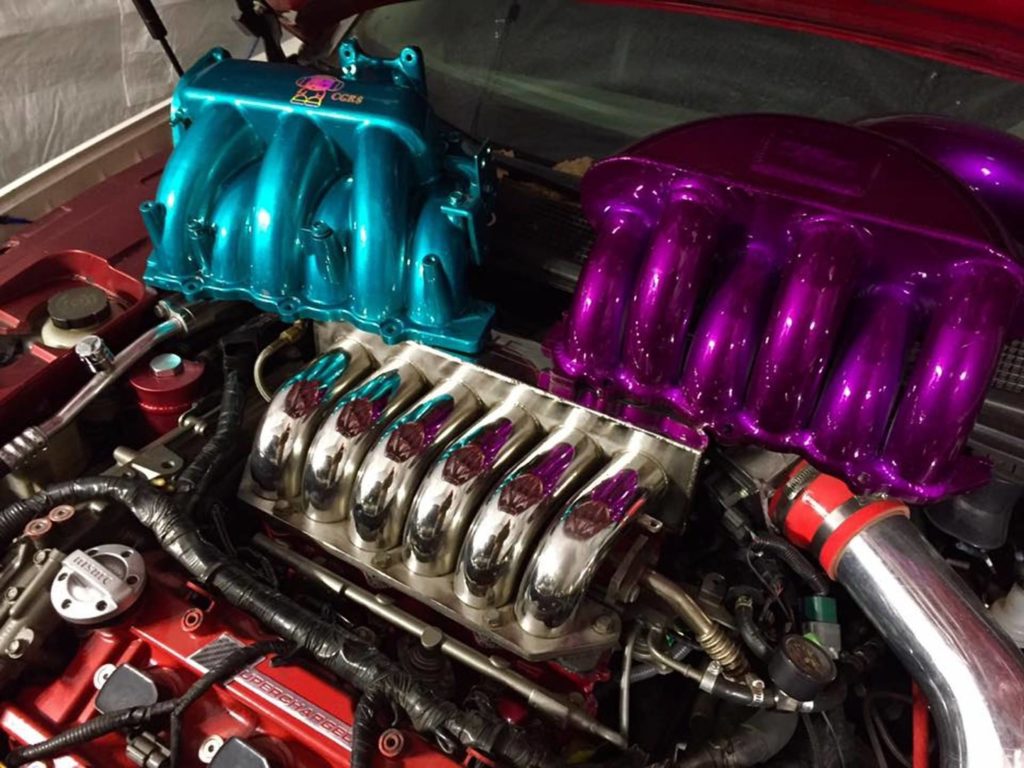
 Leonard’s Engine Bay