
Category

Other

Category

Member Credit: Metal Maxima

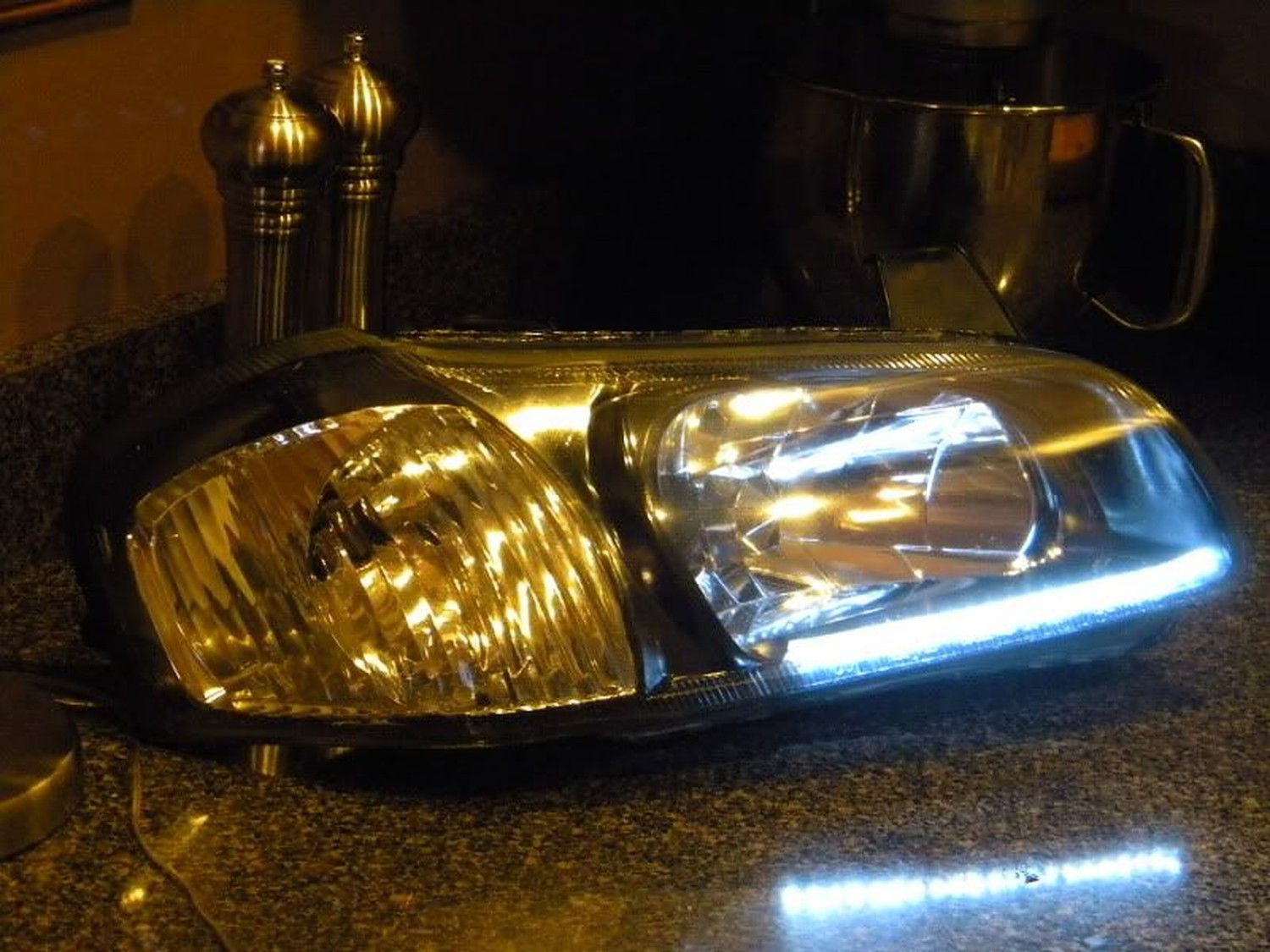
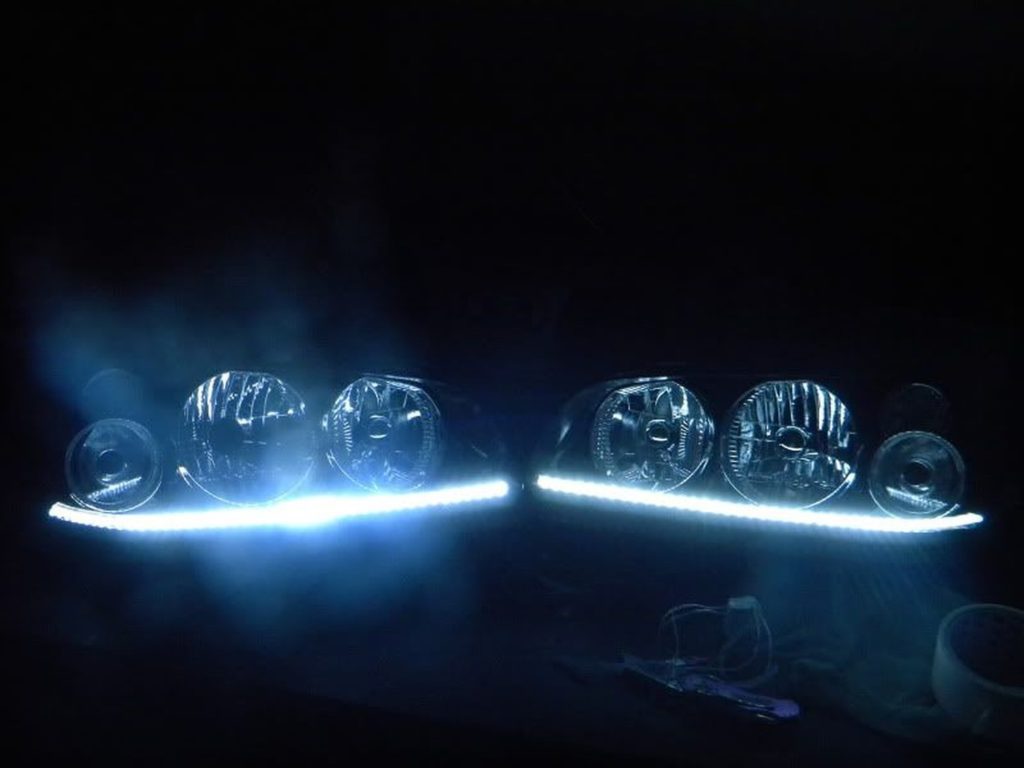
Alright, as my final HOW-TO on the .org, I am going to be detailing how one can black out your headlights and add the newly coveted Audi LED effect to your headlights. Without much adeiu, let’s begin!

ITEMS NEEDED:

  • Flexible LED strips from Oznium ($40)
  • Amazing Goop from Home Depot ($4)
  • About 5 hours…this is actually a pretty quick mod

STEP #1
Remove headlights. I am not going to detail this, there are two screws to remove that are exposed at the bumper level then just pull out…HARD.

STEP #2
You’re going to need to remove some hardware from the headlights before beginning. All rubber components, bulbs, and any screws that will come out. One universal item the bulbous thingie that was a beotch to remove in the previous step.

STEP #3
Obtain a flat baking sheet and a large towel. Wet the towel so it’s wet, but not dripping wet. Drape across the entire length of the sheet. TEST FIT THE SHEET WITH THE HEADLIGHT IN POSITION. Once you’re comfortable with the fit, preheat the oven to 250F. Place the headlight facing UP.

STEP #4
Bake for 10-12 minutes, ONE AT A TIME. Feel free to nervously pace the kitchen floor. *DING* That’s the sound of opportunity! Take your headlight out. I recommend using leather gloves, you’ll need the dexterity. Start by removing the two screws where the bulbous thing is…they are easier to remove once the adhesive is at working temp. Pry your headlight apart by using a flathead screwdriver to pry the mechanical attachment points open. Then pull…I only did 10 minutes and pulled…hard.

STEP #5
Remove the chrome components from the body. Here’s a shot of the only two screws for the 5th gen. The 5.5 gen will have more, sorry, I have limited pics of the 5.5gen. NOTE: Your lens portion will need to be warm for the 5th gen shroud to be removed; this allows proper expansion…believe me, it ain’t coming out otherwise.

You’re going to want to tape the chrome sections you want to retain. This is actually easier then it sounds. Use small pieces when going around the corners. TIP: Take the tape and slowly walk it across the contours…you will have 0 difficulties if you do so.

STEP #6
Paint using Duplicolor’s High Temp Engine Enamel. Do 3 coats; two light coats at about 12″ distance, very quickly. Do a third “wet” coat; you can do multiple light coats, but I’ve used close to 100 cans of spray, so I have an unfortunate familiarity with how it behaves. Allow 2 hours cure time, then peel away.

STEP #7
Cut your LED strip to size and attach it using the double-sided tape included. One the 5th gen, you’ll use 21 LEDs. The 5.5 gen is considerably more, just cut to size. NOTE: The array on the strip is in denominations of 3, so you must have a multiple of 3 in order for the full length to light!!! (i.e. 36, 33, 30, etc.)

STEP #8
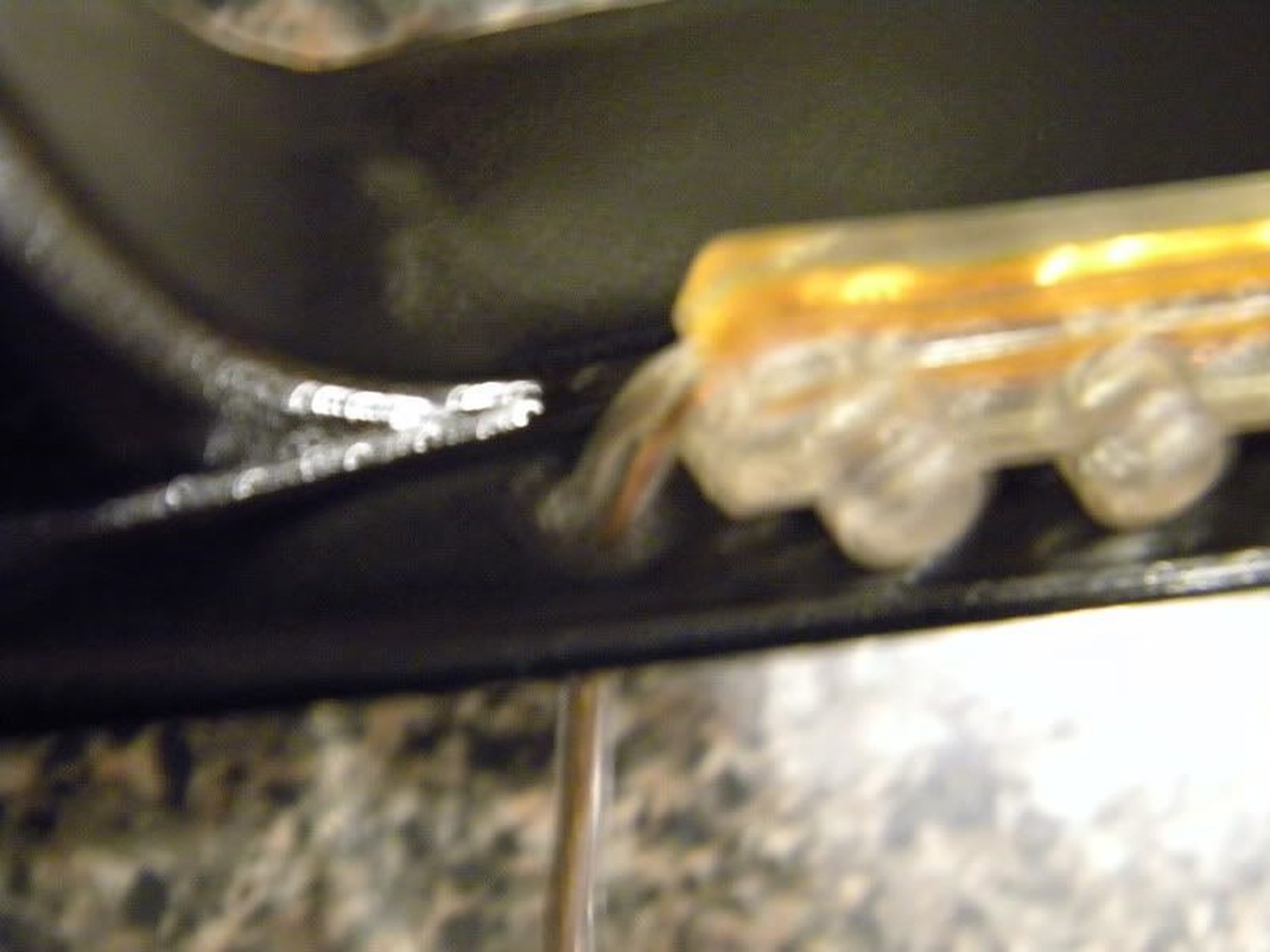
Drill a small hole to allow for wire passage…I did mine as seen here on the 5th gen…I recommend going toward the turn signal as it is less readily seen below:
STEP #9
Now this is what I consider to be the hardest step. In order to properly reseal, we need to reuse the existing sealant. SO, back in the oven we go…ONLY PLACING THE LENS AND BODY IN THE OVEN. Do so at 250F for 10 minutes. You’re going to want to leave the body face up as the channels will likely contain the largest portion of sealant. Remove when the adhesive is glossy, meaning it’s at working temp.

STEP #10
While everything is hot, QUICKLY reassemble. Be confident, you can do it. You’ll need to do this for the proper seal. Push the body and lens together, making sure the mechanical tabs properly latch. Route the wire behind the lens shroud, you can drill your own hole or use the vent line aperture.

STEP #11
*WHEW*, ok, so you got the lenses probably 80% sealed. Time for some GOOP! Add some extra sealant, we’ve done all this work and don’t want to blow it now.

STEP #12
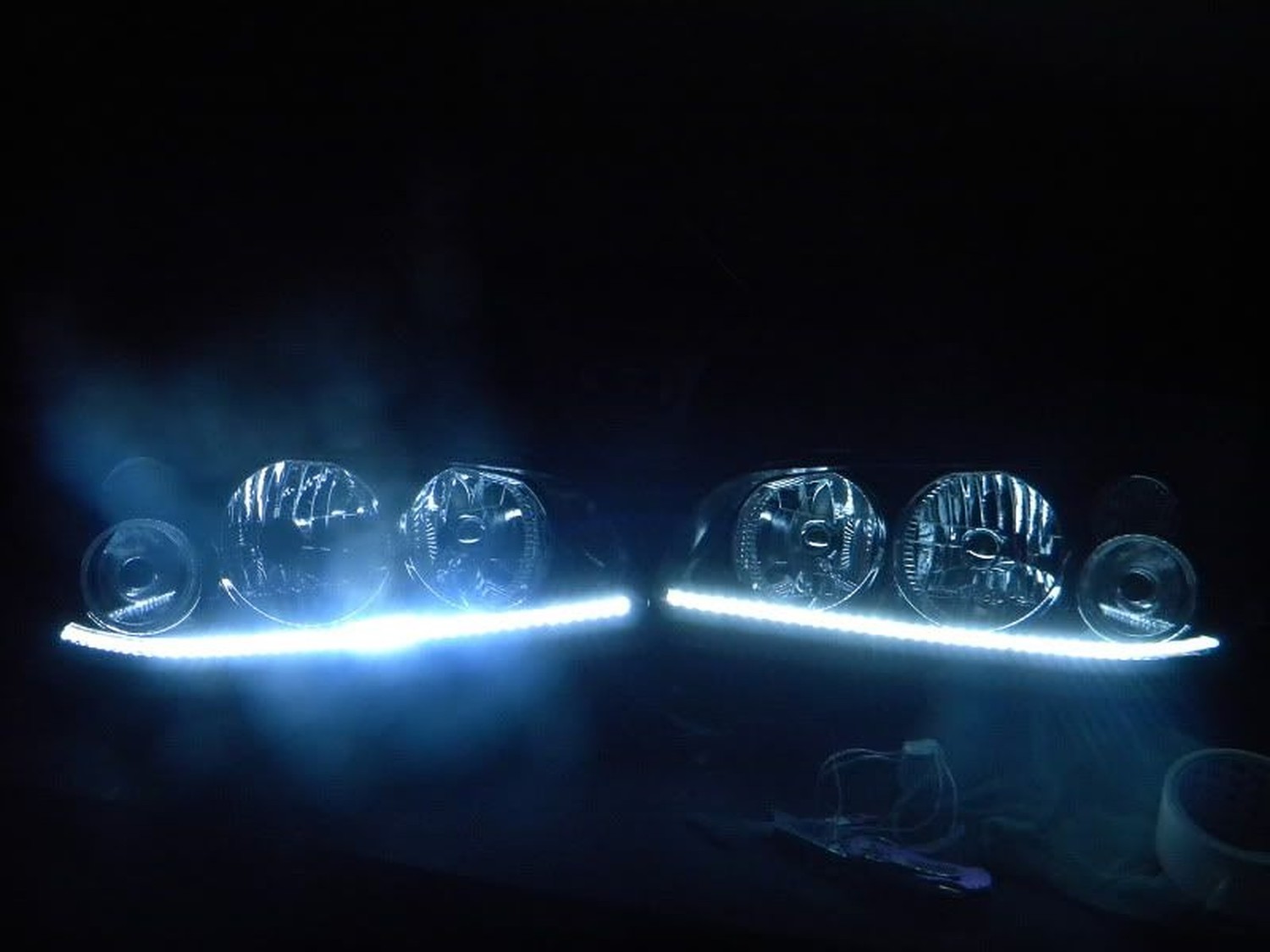
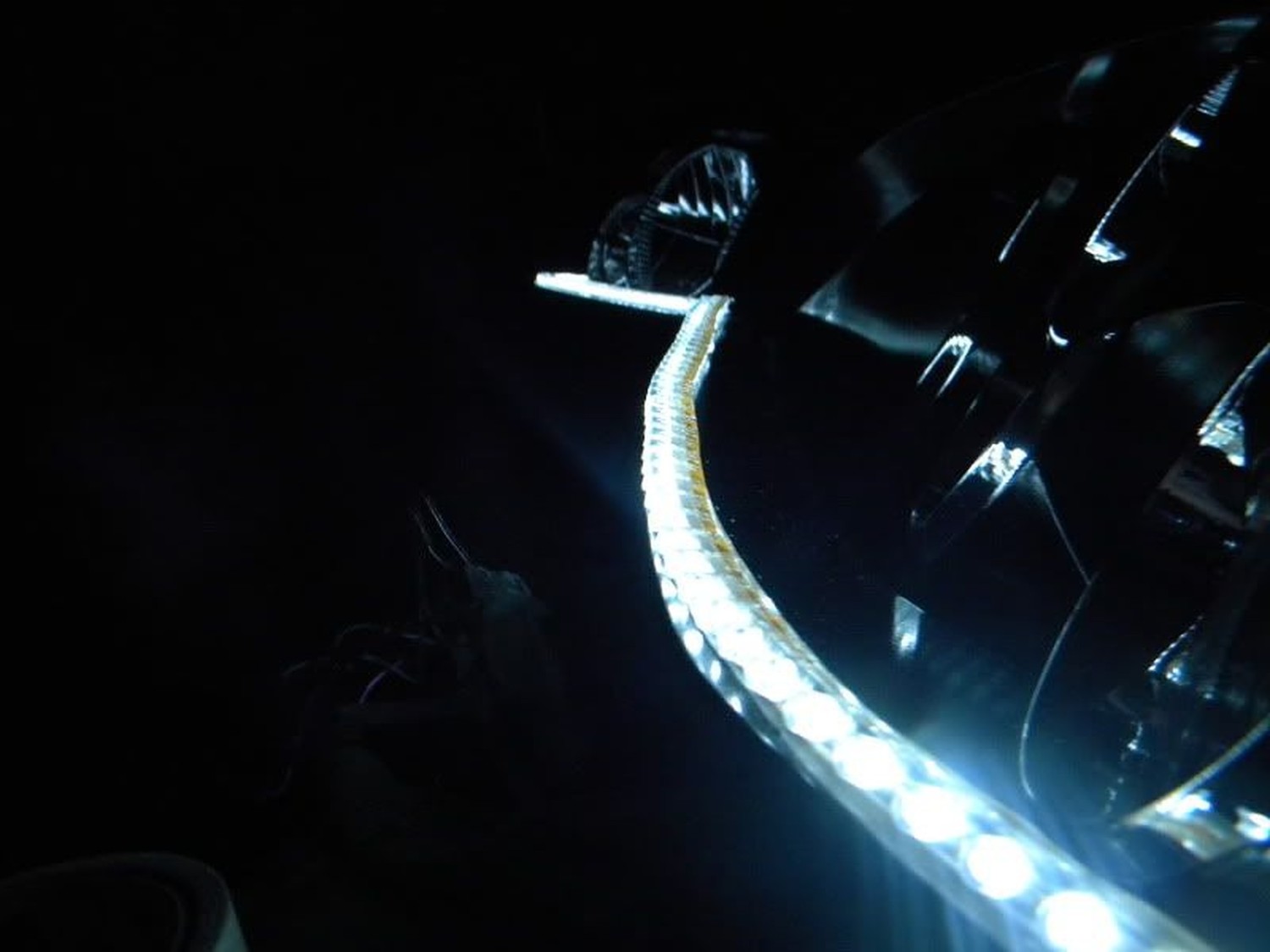
FIRE IT UP! Test with a 9V to enjoy the awesome effect. These things are BRIGHT!
 

Loading

Member Credit: 96i30azn

I cleaned my MAF, TB, IACV, and EGR guide tube last week after some extensive research here on the org. I felt like none of the threads included directions for a total newb to do everything. Doing everything at the same time makes sense b/c if you’re gonna get to the EGR, might as well attack everything else while you’re at it so here it is. My car is a 1999 Infiniti i30t, your car might vary slightly in terms of hoses, tubes, and plugs.

1st off, what you’re gonna need:

Tools:
– 3/4 racket
– 8, 10 socket wrenches
– 3″ and 6″ socket extensions
– 12mm deep socket
– 12mm box-end wrench (for getting at the lower rear nut of EGR guide tube
– Flat screwdriver
– Pliers
– paperclips – the type that is in an “X” since they’re the biggest
– Large Phillips screwdriver
– Hacksaw blade

Consumables:
– Lower EGR guide tube gasket part # 14722-38u02 $5.86 (Connell Nissan prob rip me off)
– Upper EGR guide tube gasket part # 14722-38u01 $3.75 (@OC Nissan in Garden Grove)
– IACV gasket part # 23785-AD100 $3.88
– TB gasket part # 16175-31u01 $3.65

What they look like:

The brush is a heater chute cleaner, but I didn’t know the EGR guide tube was only the size of a finger

Here’s a picture of the engine bay labeled for future reference:

Steps – Airbox:
– use 10mm box ends to remove Neg battery terminal and then positive
– disconnect MAF
– detach hoses on airbox (next to the “MAF sensor” label in pic)
– Undo the 4 clips holding the box w/ the air filter not shown in pic
– use pliers to slide airbox hose clamps off – squeeze them all the way will make them slide a lot easier
– Pull of the 2 big hose and a small hose (tubing really)
– Loosen the big hose clamp next to the throttle body
– Lift airbox out

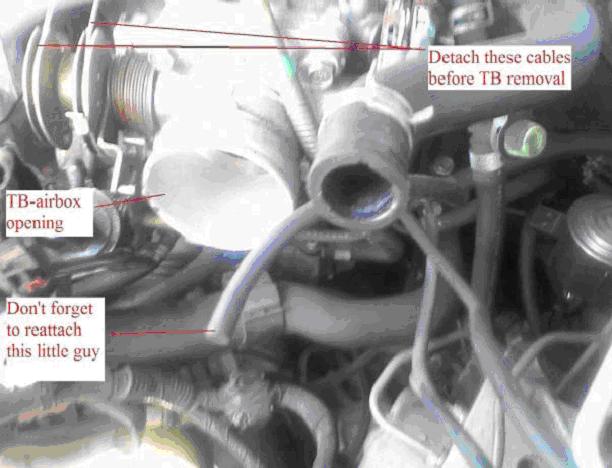
It should look like this:


notice you can see one of the large airbox hoses and the rubber tubing

Throttle Body Removal:
– Disconnect cables to throttle body
– Disconnect the 2 throttle position sensor (TPS) plugs
– Disconnect the plug on top of throttle body and detach it from the metal bracket (picture above shows it already detached)
– Use your 12mm socket to unscrew the 4 bolts holding the TB
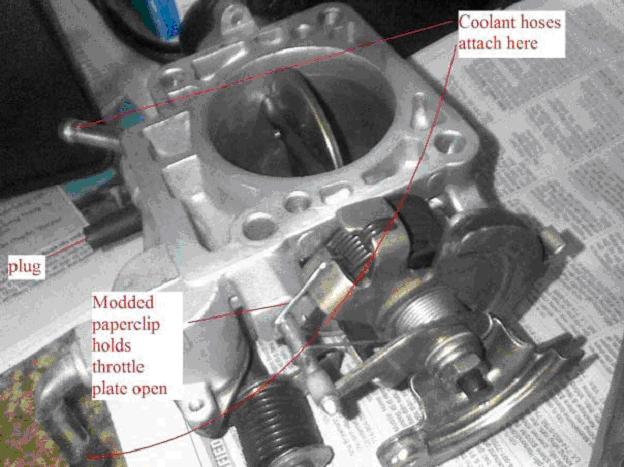
– Pull TB up, there should be 2 or 3 coolant hoses attached to it, undo them
– Remove any residue of the old gasket
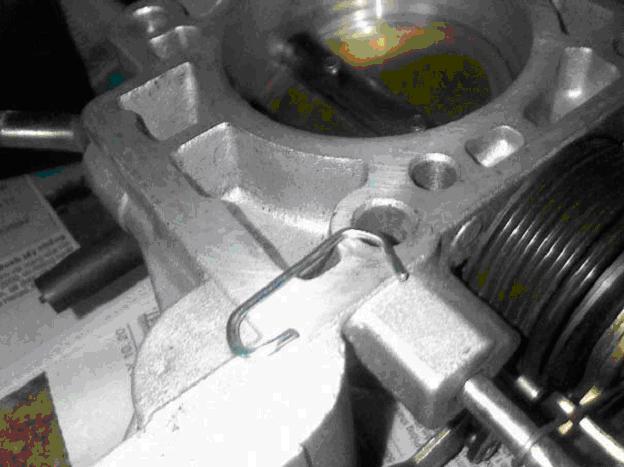
– Optional – fabricate and clip like this to hold the throttle plate open


IACV:
– Remove the 3 electrical (in my case) plugs to the IACV
– Remove the bracket that holds the rearmost plug
– screw bolt back on IACV to prevent loss
– use 12mm sockets to remove the 3 bolts that hold the IACV
– Pull IACV off and remove gasket if it sticks. Your engine bay should look like this now

EGR Guide Tube Removal:
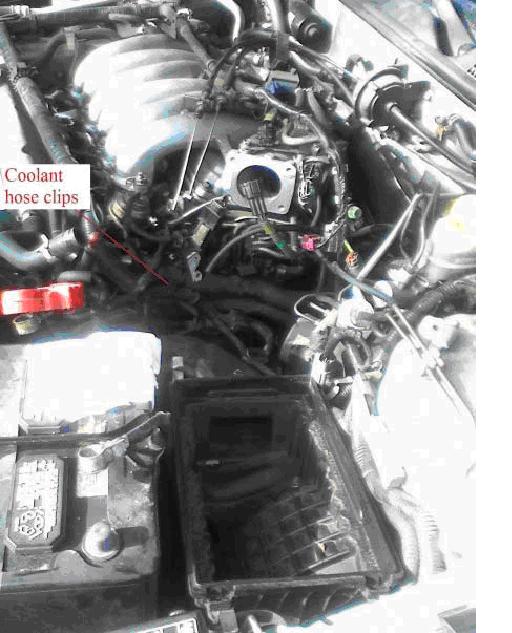
– Unclip the large coolant hose clip (2 pictures up) with a flat head screwdriver
– Locate EGR guide tube – it is attached to the plug whose bracket you just removed
– Locate the lower rear stud of the EGR guide tube not be confused with the EGR tube that is located forward left of it
– Hacksaw the non-threaded part of the stud off (you need ~ 3mm off of it to get egr guide tube out), this is for me the most painful step as I had to do it with a hacksaw blade – can’t fit a whole hacksaw in there
– leave the 2 upper EGR bolts alone – it’ll make removing the lower ends easier
– Get in with your 12mm box end to undo the nut – you’ll likely only get one wrench tooth position’s worth of rotation each stroke but it comes out fast, you can turn it with fingers
– Carefully remove the nut and 2 washers 1 by one as not to drop it
– Use your 12mm deep socket to remove front lower nut of EGR guide tube
– Also remove the nut and 2 washers one by one
– Use your 12mm socket to remove the 2 upper bolts of the EGR guide tube
– Pull EGR guide tube off
– Remove gaskets with flathead if needed – my lower one was quite stuck, spray it w/ carb cleaner

Here’s a pic of how I attacked the lower front nut of EGR guide tube:

At this point, your biggest problems are over, you just have to clean the parts and reinstall them. Use the TB cleaner on intake, TB, and stuff attached to it, MAF cleaner for MAF, and carb cleaner for everything else. There are 3 things to take off of the parts you have for as easy thorough clean:

– IACV – remove the little drum that’s held on by 3 screws
– TB – remove the large hose so that the MAF is closer to get to
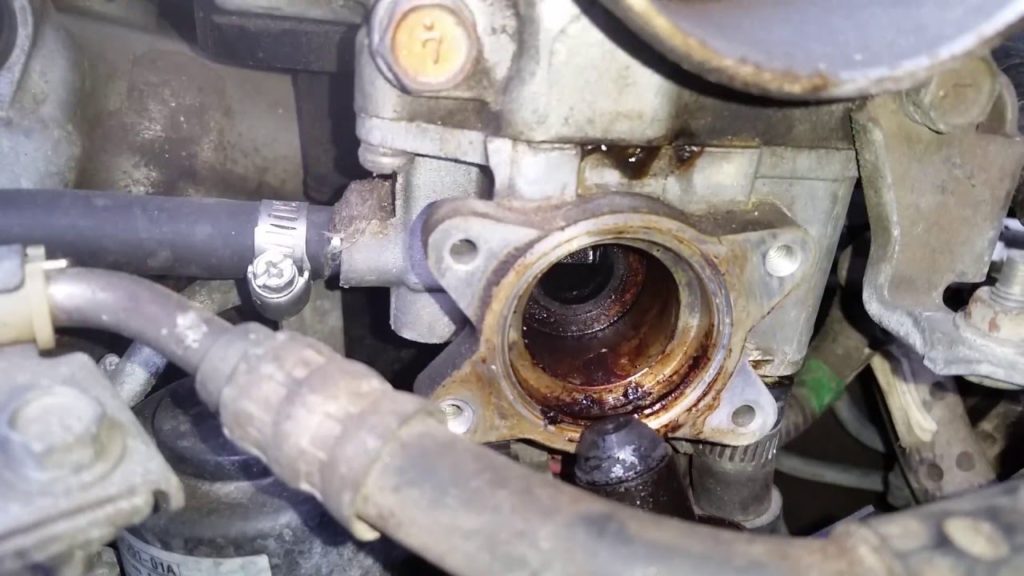
– EGR guide tube – remove temperature sensor to clean and clean out all orifices

Cleaning Tips:
– Use a knife and straightened paperclips along with carb cleaner to clean our EGR guide tube
– Toothbrush works well for cleaning TB and IACV, but it scrubs away from you or you’ll get dirty

Here’s a clean EGR guide tube for kicks:

When you’ve put everything together again, it’s time to adjust idle speed:
– Warm your engine up to operating temperature
– Unplug the 2 TPS plugs in the 1st engine pic
– Turn black idle speed adjustment screw on the IACV, in the pic right under IlyaK’s post (also in 1st engine pic), clockwise to lower idle speed and CC to elevate it

Troubleshooting:
– I have heard that if you forget a vacuum hose, you will get high RPM idle
– I forgot to tighten the large EGR tube (the one I mentioned “not to be confused with”), it also gave me high RPM idle and excessive engine compartment heat – coolant temp reads normal though

YouTube Video’s:

Loading

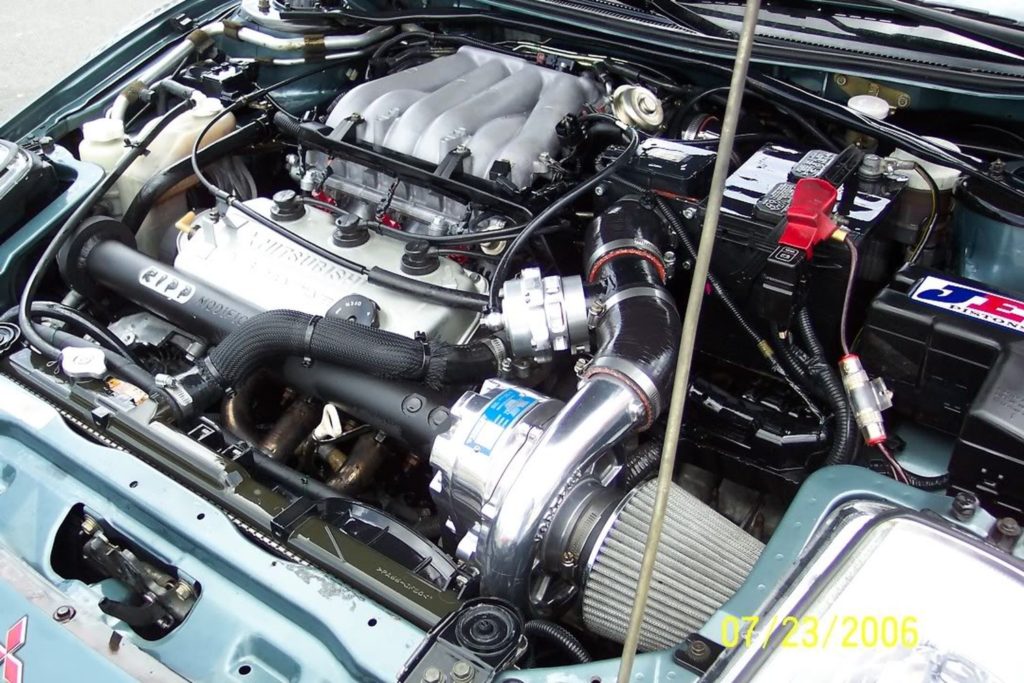
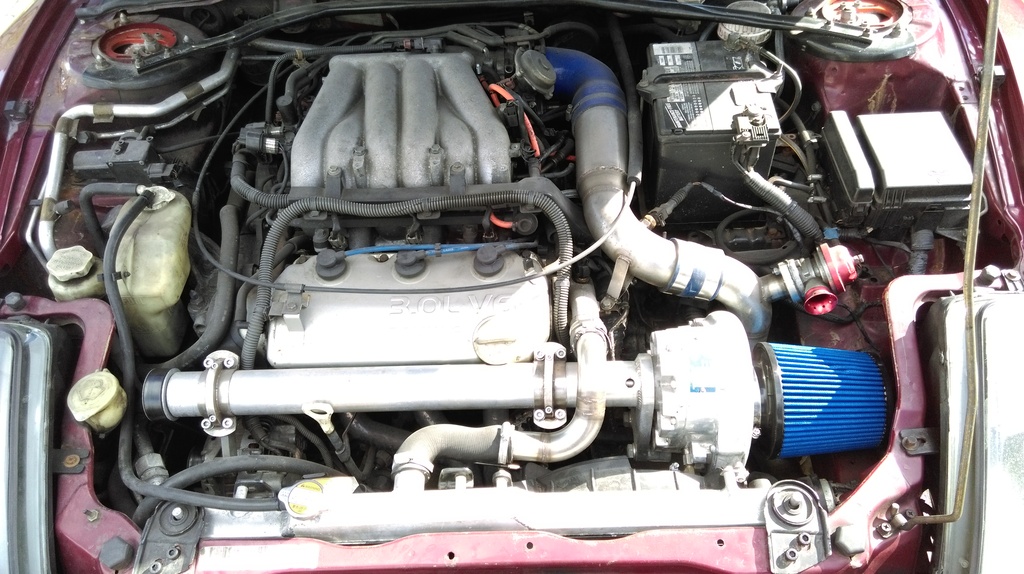
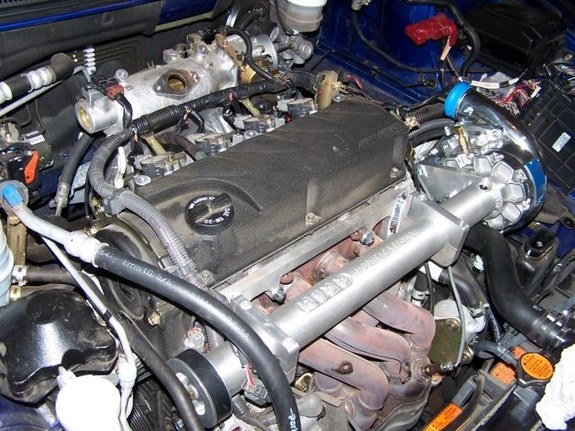
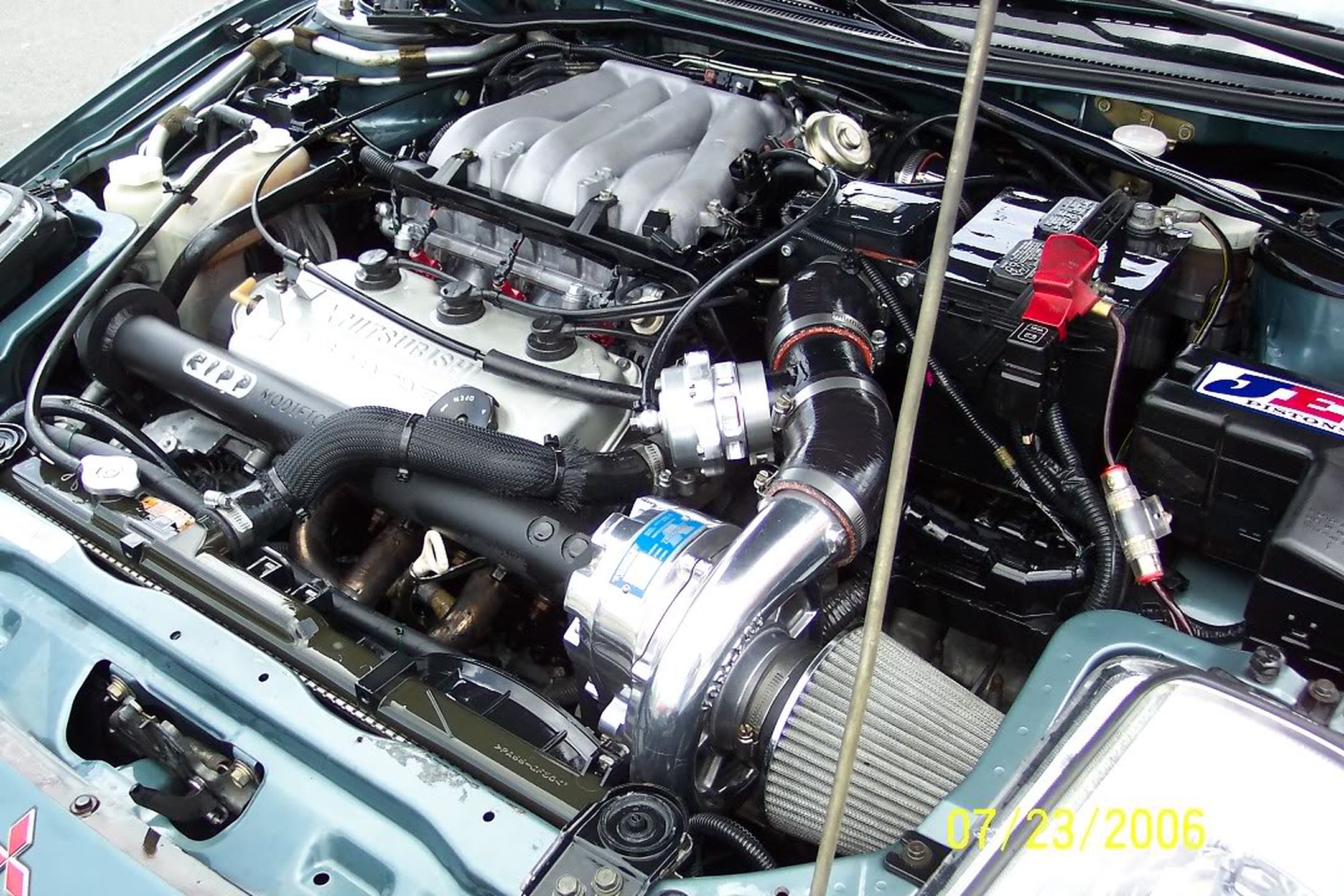
RippMods Vortech Supercharger Gallery – Eclipse 3G/4G. These are the superchargers commonly used on the VQ35DE Nissan Maxima’s. Creating a gallery to showcase how they look.

Loading

Member Credit: EddyMaxx

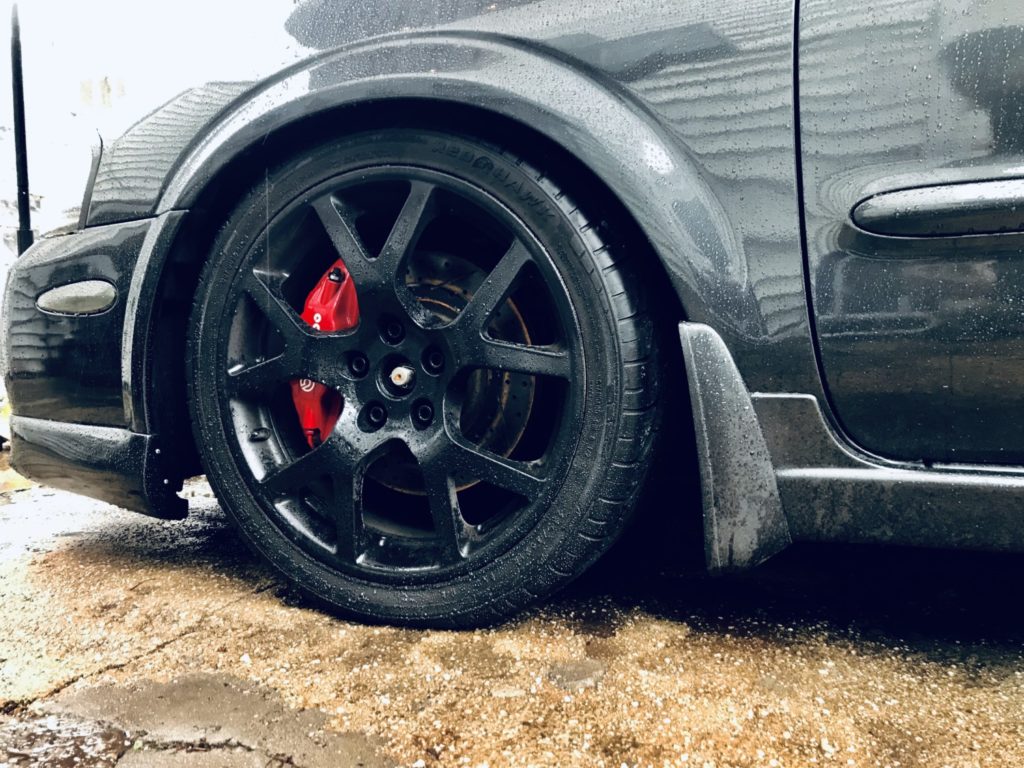
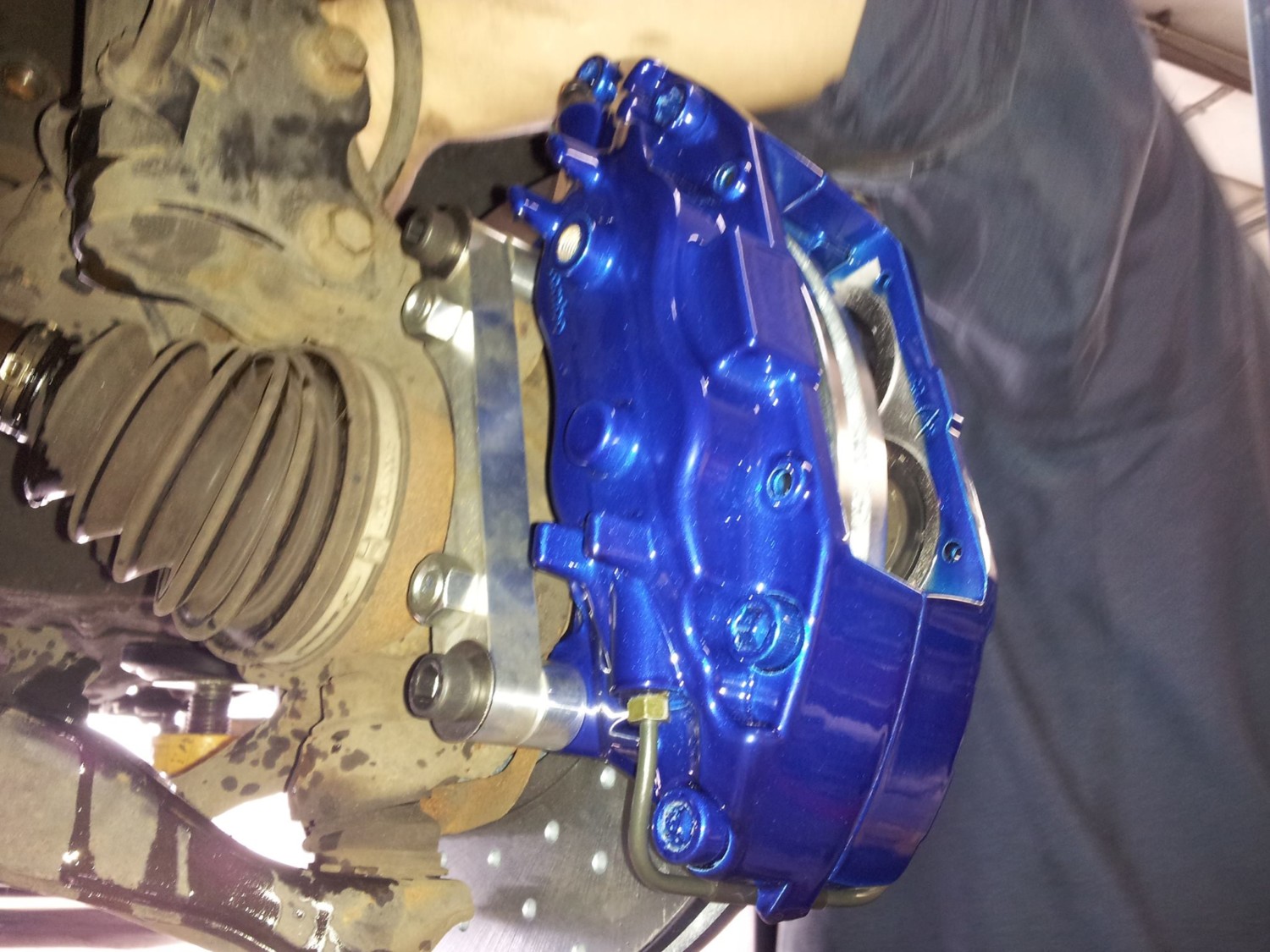
Decided to install my Evo 9 Brembo BBK today on my 2002 Nissan Maxima. It cost me around $500 bucks to do the full setup. The brackets fit great and have full rotor-to-pad coverage.

Part’s Used:

  • 2003-2007 Mitsubishi Evolution 8 / 9 Brembo Front Brake Calipers
    • Part Number for OEM Left/Driver Front: 4605A435
    • Part Number for OEM Right/Passenger Front: 4605A436
  • CGR Adapters (Paid $140)
    • Make sure to use Loctite on all bolts. I personally used Loctite Threadlocker Blue 242.
    • Important Note: Original kit came with 60MM bolts. I ended up needed 65MM bolts for proper fitment and tightening. 
  • 12.6″ 6thgen Nissan Maxima Drilled/Slotted Rotors
  • Goodridge Stainless Steel Brake Lines
  • Project Mu NS 400 (PMU-PS4F906)

CGR Adapter Brackets

Brembo Calipers – 4 Piston BBK

Project Mu NS 400 Brake Pads

Showing how the brackets are supposed to be installed.

You need to ensure the bleeder valve sit upwards. Some people make the mistake of putting them on the wrong sides.

Additional Member Photo’s

You can see the better rotor-to-pad coverage on the Brembo’s versus the 300ZX BBK. Much better fitment.


Loading

Member Credit: Hawk7886

The stock speakers on the 04 Max just don’t cut it for me, so I decided to take apart the rear deck and swap them out with a pair of 6X9s I had sitting around. I’m planning something with more punch in the future, but I figured I might as well learn how to remove the little thumpers now, and it wouldn’t hurt to put something better than paper cones while I save.

I’m sorry for the lack of pictures but it’s not nearly as hard as you would imagine. I took some for those that may want reference shots before they start ripping up trim.

Start by removing the side trim pieces. These are very simple, just insert something that won’t scratch behind them and lift out. There are only two integrated clips and one white body clip holding it in place. Slide it out of the way and toss it someplace soft. It may take a bit of coercing to get it to slide out safely, since there are two large plastic supports that get in the way, but it can take it. Just go slowly.

After both side trim pieces are removed, start prying the whole deck up by inserting a tool between the deck and the back of the seats. If you wish to remove the seats before doing this I can only imagine that it would make the task much easier, but I didn’t bother.

Push the tool as far back as you can, popping up all the clips that hold it down. DO NOT go ripping it up, as the brake light is connected to it through a ridiculously short connection feeding into the trunk. Slide the deck up and over the seats, following the path of the seatbelts. Be careful to watch your hands around the child seat latches and the seat release button.

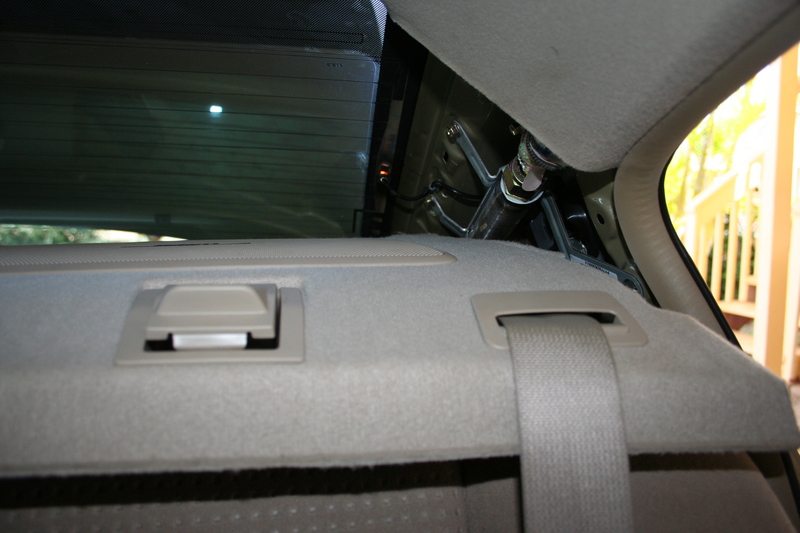
In this shot you can see the white plastic clips that hold the deck down to the metal below, as well as the large white clip that connects the rear brake light assembly. There are five bulbs that could potentially burn out, so I’ll have fun replacing those in the future if they do wind up going out. The white brake assembly clip is of the exact same sort that are used in the stock speakers. Place a tool directly in the center of the plug and push VERY FIRMLY in, then simultaneously pull the whole thing apart. With a bit of DIY skill, it should be perfectly fine. I spent about a half hour trying to figure this out due to the angle and I wound up breaking it… Luckily there are two more to practice on under the speakers!

After you have the light assembly safely unplugged, feed it up through the deck (which it is wrapped around the plastic for reasons unknown. It doesn’t move at all by itself if you leave it loose) so it can safely slide away from the rear of the car to the seats, where you can set it down and access the speakers.

The speakers use 8mm sockets and are bolted down with four little screws. They’re also sealed with a thin strip of material so you’ll have to insert a tool between the metal deck surface and the speaker, prying directly up. Be careful when you remove the speakers, as the magnet is strong and the rear window is very close. Cover the speaker with your hand to avoid hitting the glass. I know this may seem like common sense, but you’d be surprised what happens in my garage…

I just cut the speakers at the base of the plug and soldered on some new terminals. If you do plan on replacing the stock speakers with new ones make sure that you have enough space to tighten them down. The ones that I had were apparently intended to be used with a screwdriver and not a socket, as there was insufficient space to fit the socket around the head of the screw. Few minutes of cutting and filing fixed that.

Installation is the reverse of removal, just take extra special care to line everything back up. Key phrase here is to just take your time. Slide the deck all the way back and push down firmly to pop the clips back in. Feed the side trim panels in around the brackets, pushing down first to ensure a snug fit. Snap them back into place and you’re all set to go!

Lastly, here’s a shot of the poor little dude in all his paper glory:

Loading

Member Credit: EddyMaxx

Over the past few weeks, there’s been a strong gasoline smell coming from the driver side. I almost thought it was a gas leak since I had a tiny pinch in exhaust pipe which was leaking some condensation / water. Upon scanning it for codes I found it had: P0455 NISSAN – EVAP Control System Gross Leak Detected.

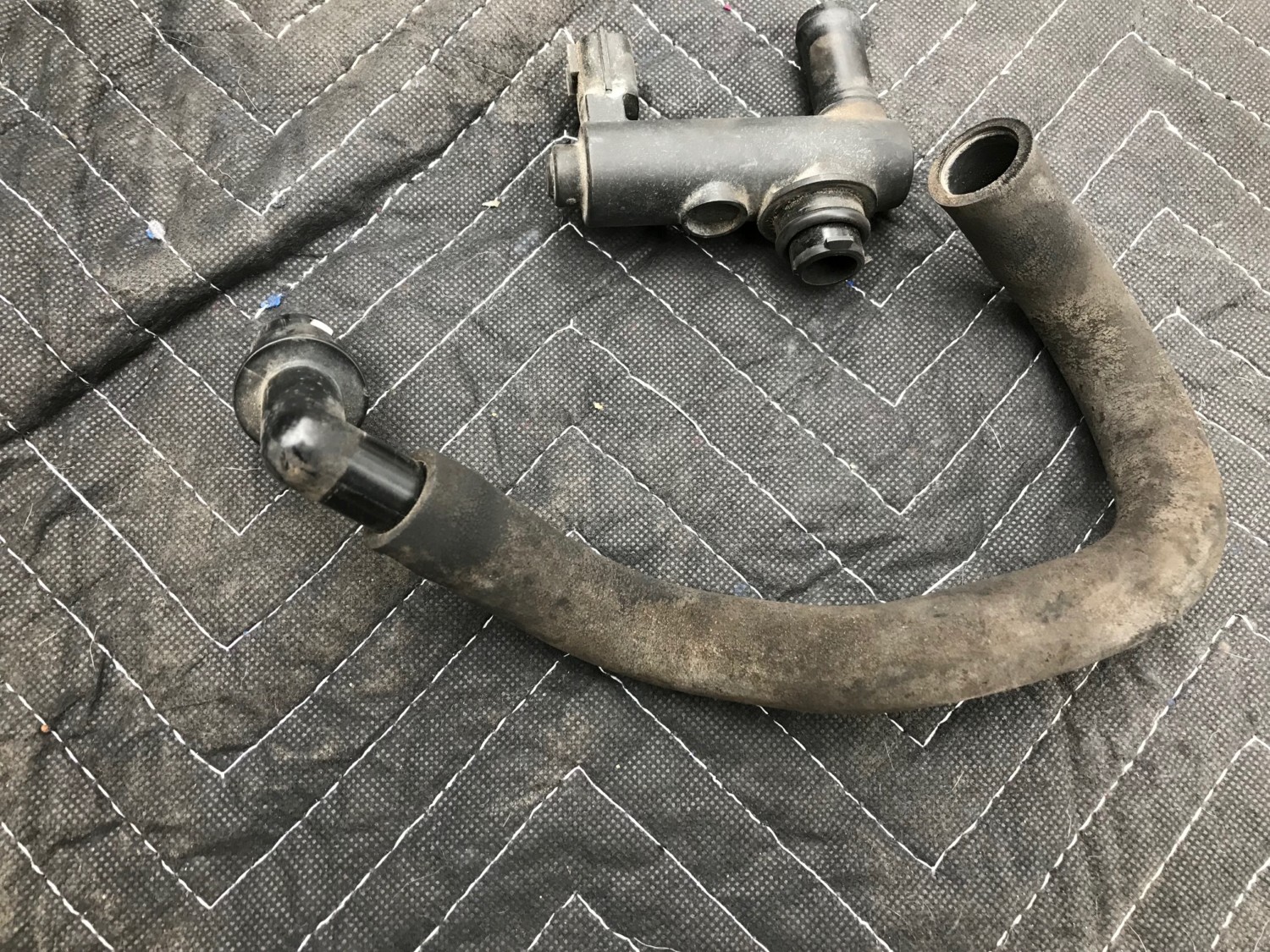
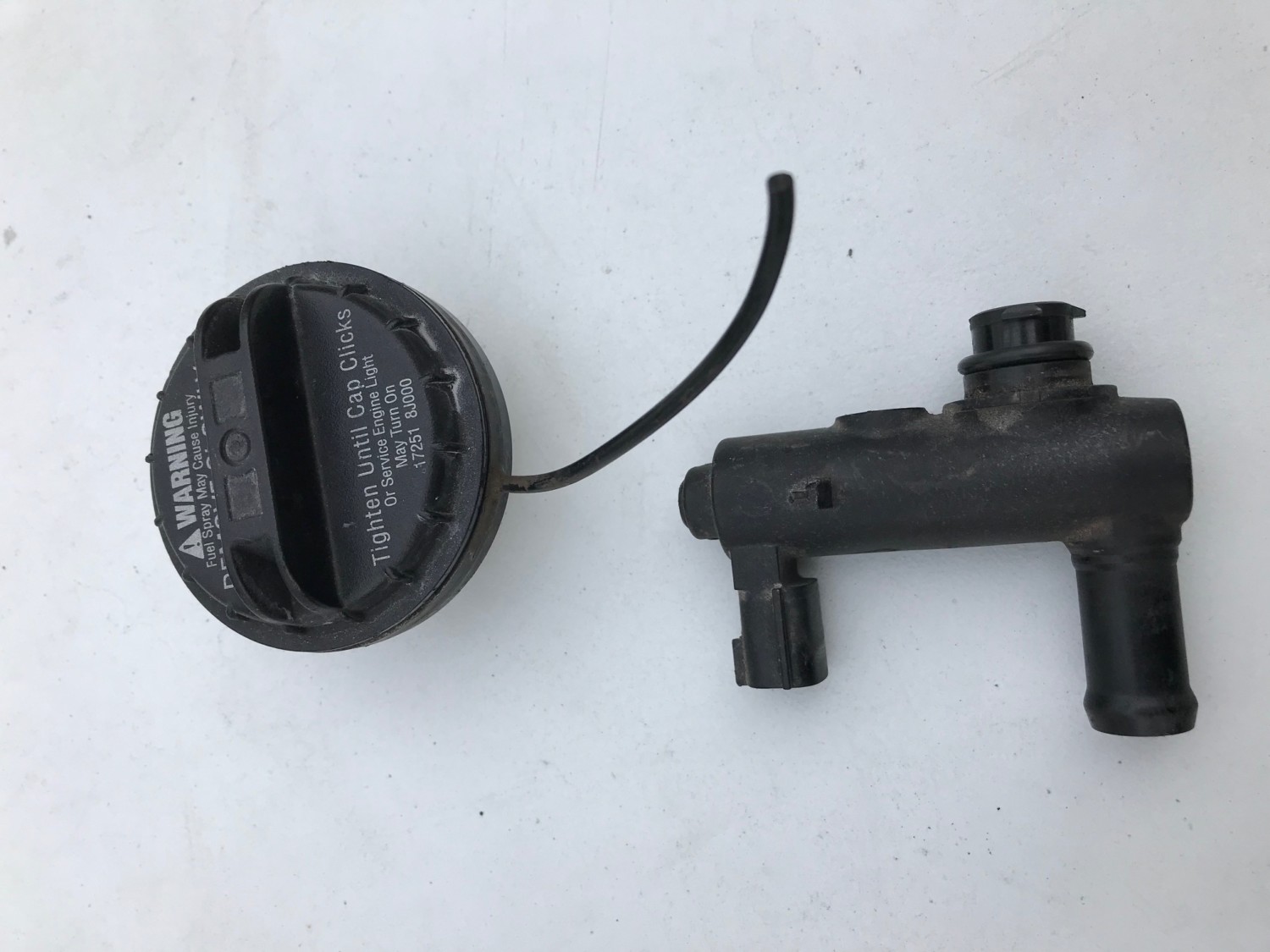
After doing some research and testing, I determined that I needed to replace the gas cap and Vapor Canister Vent Valve. Since I bought the car I’ve never changed the gas cap. The car has over 100K miles. Both are super easy to replace and do not require any special tools. Just need to jack up the car on the driver side to get to the valve (video included in post courtesy of 1A Auto Parts).

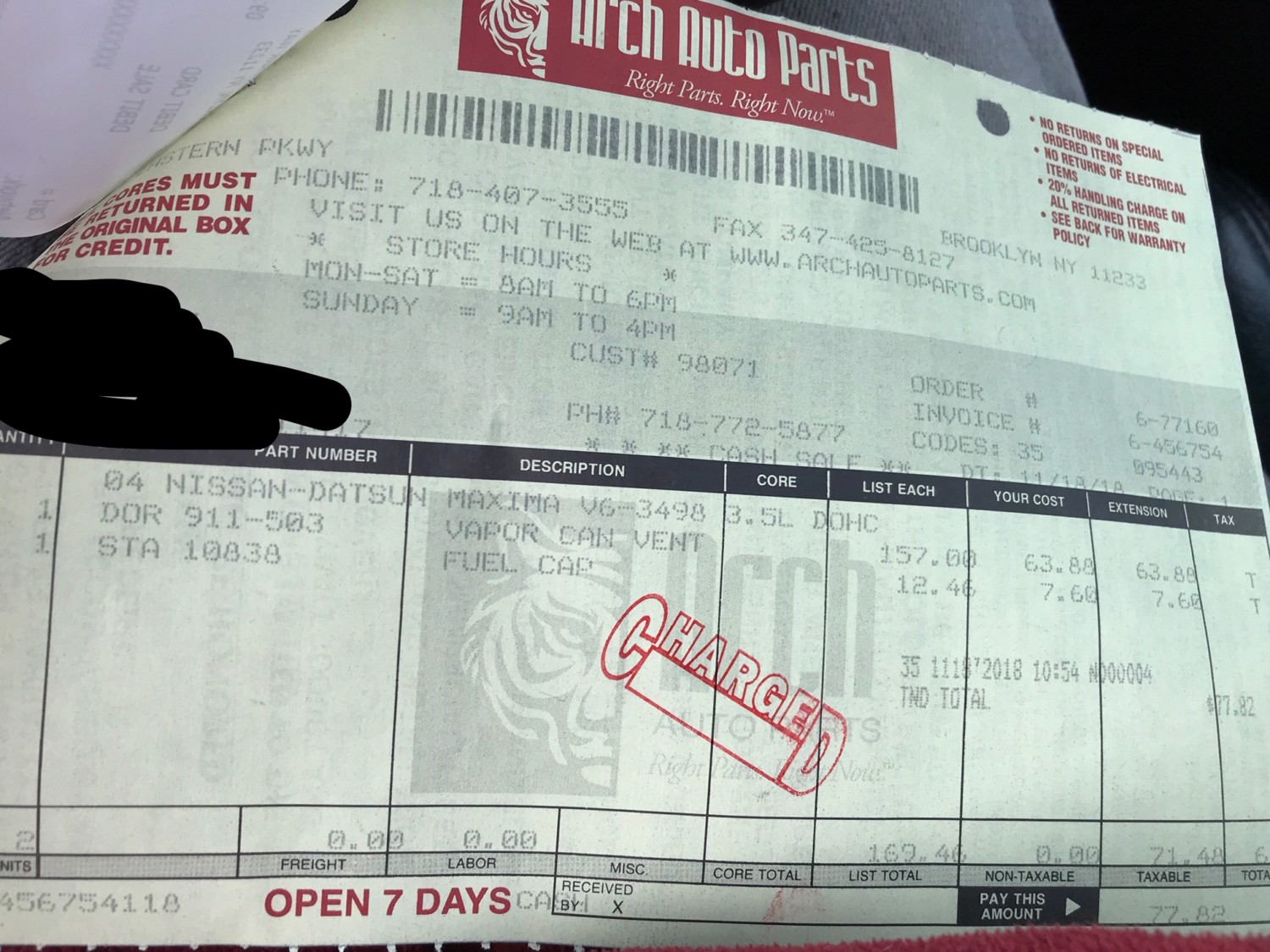
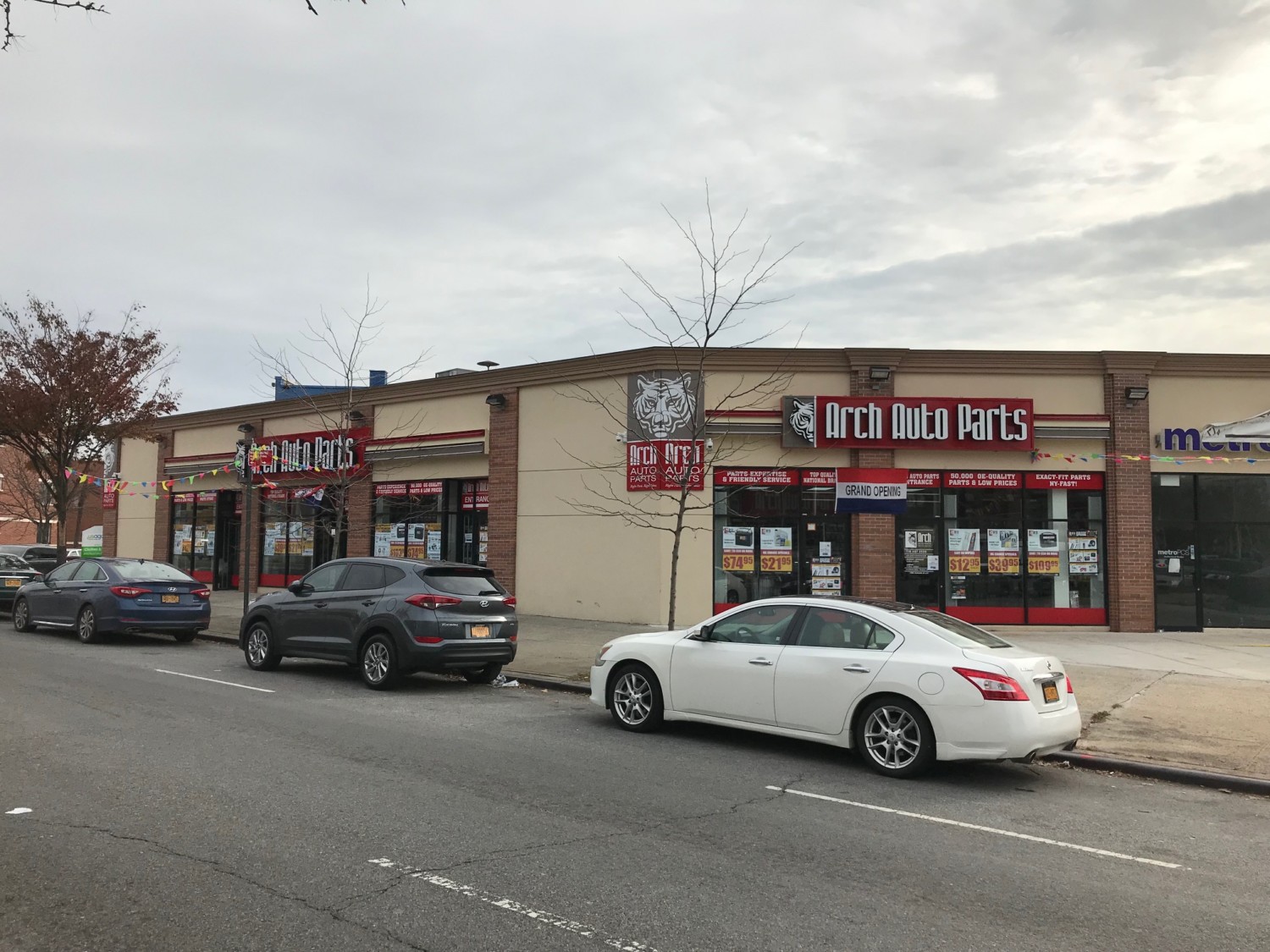
I personally went with the aftermarket parts. I have an Arch Auto parts store that is very close to me and they are super friendly. If any issues, I can easily return with no problem. Plus they are open 7 days a week.

Fuel Tank Gas Cap

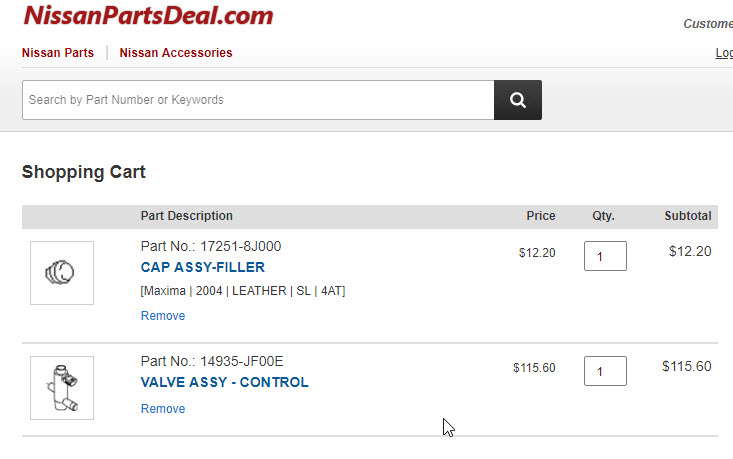
OEM Part Number: 17251-8J000
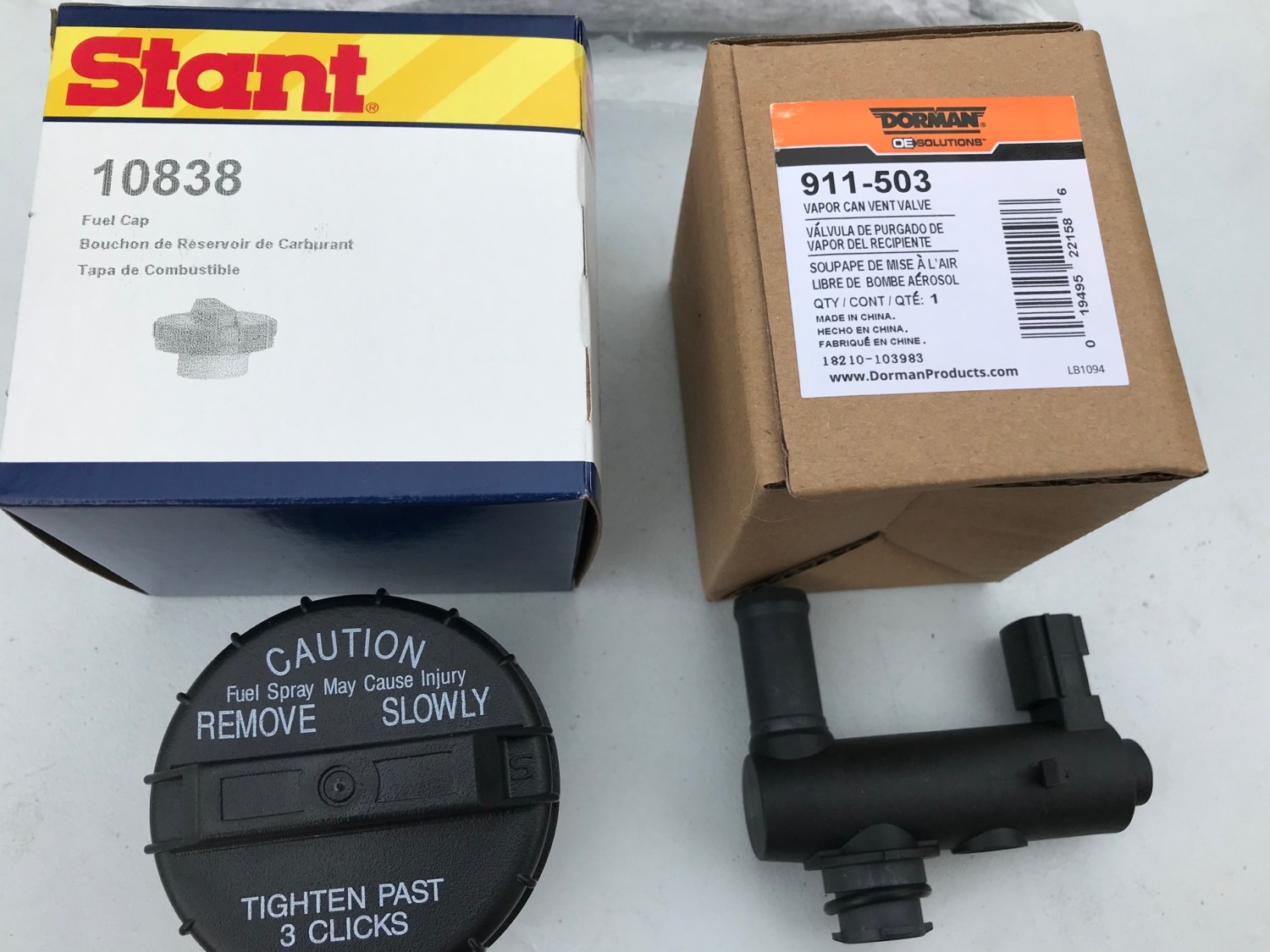
Aftermarket Part Number: 10838 / Stant
Price: Between $8.00 – $15.00

Vapor Canister Purge Vent Valve 

OEM Part Number: 14935-JF00B
Aftermarket Part Number: 911-503 / Dorman
Price: Between $865.00 – $120.00

This is the code that was thrown: P0455

OEM PARTS

AFTERMARKET PARTS

I personally like Arch Auto Parts. Great customer service!

OLD STUFF

This is where the other end of the hose goes once you install new valve. I was a little confused at first but was able to find it goes here. You can see from the photo above.

How-to Video (Courtesy of 1A Auto Parts):

Loading

Credit: Best PC Reviews
If you have been driving on interstate for couple hours and then notice your transmission fails to switch a gear or if you got codes like P0720 or P1574, this article may be for you. Read full article. As I mentioned before, if you have been driving for a while and notice that your transmission gives you some problems, you might have to address the issue before it’s too late. Initially, I thought I had to replace transmission, but after further research, I came to conclusion that sensor needs to be replaced.
I did the work on 2002 Infiniti i35, I believe that there are good number of Maximas and Infiniti models that would have same instructions to the replacement procedure.

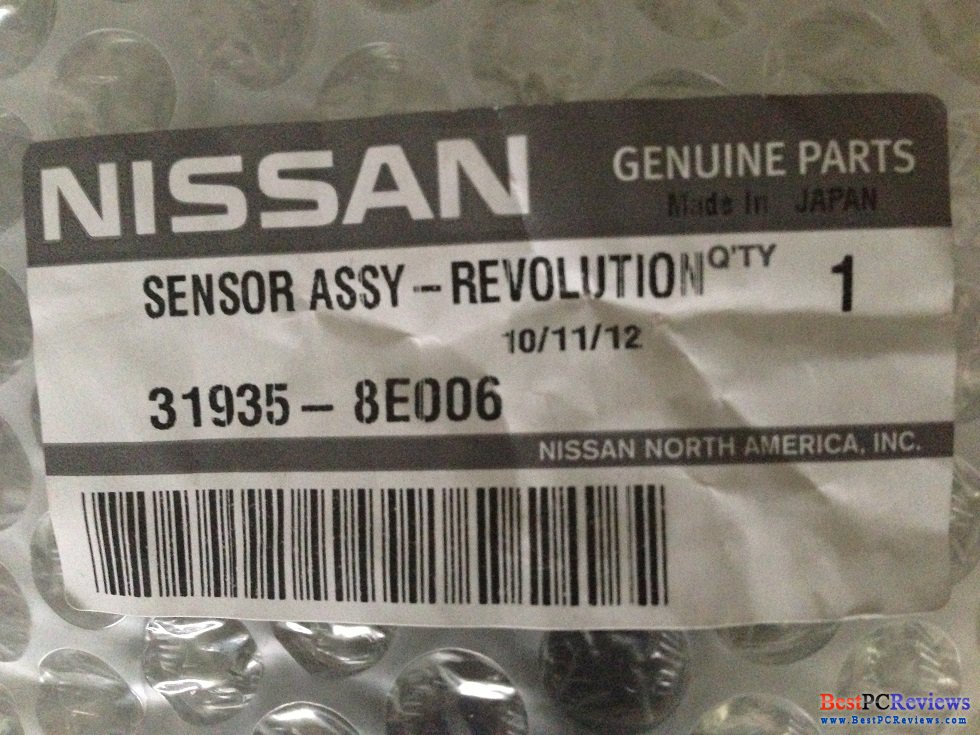
The sensor you need to replace is called Speed/Revolution sensor. The part number is 31935-8E006. Now, don’t waste your time by buying aftermarket sensor. I heard that it may cause issues. Go with factory sensor. The price of the sensor retails at $125, but do some research online and you should be able to find one for $100 or may be even less. You can also negotiate with your local Nissan dealer.

In this section, I’ll guide you on how to replace the sensor. That was one of the easiest sensors I have replaced so far.

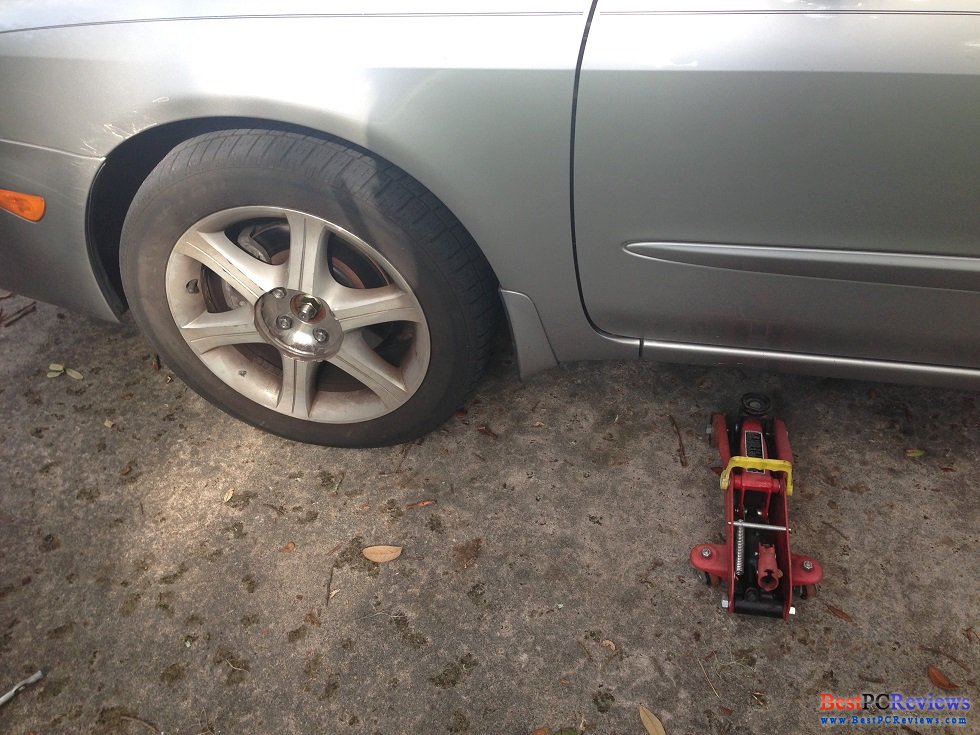
First thing you need to do is to turn your ignition off and remove your keys from the ignition. Then loosen the driver’s side front wheel bolts. Jack up your car and remove all 5 bolts.

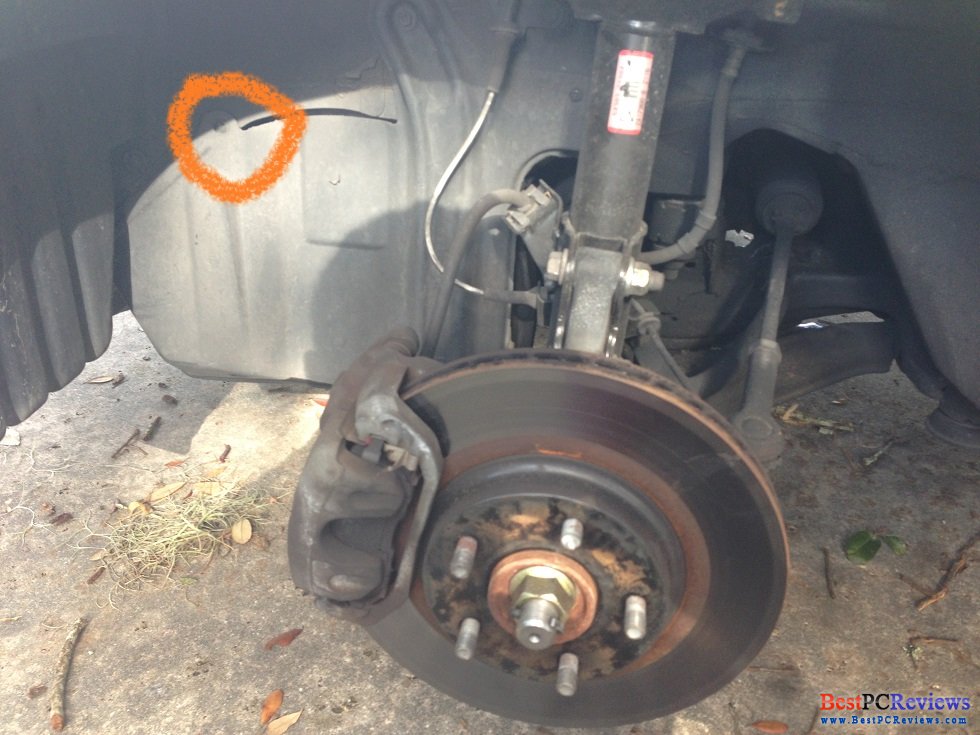
Remove the wheel. When the wheel is removed, you’ll see splash guard in front of you.

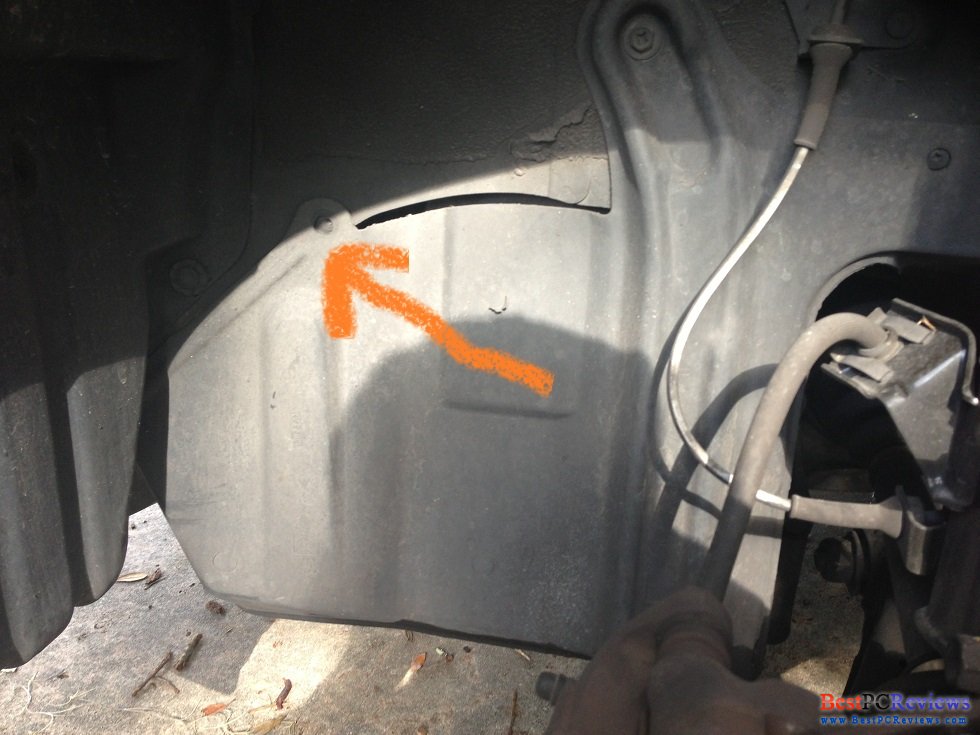
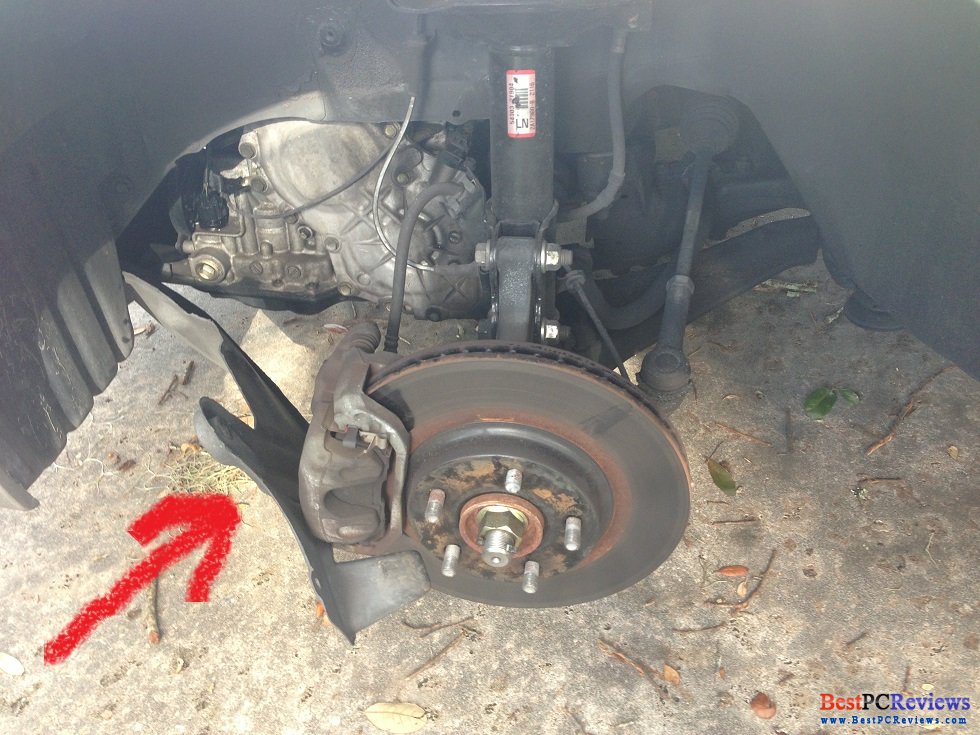
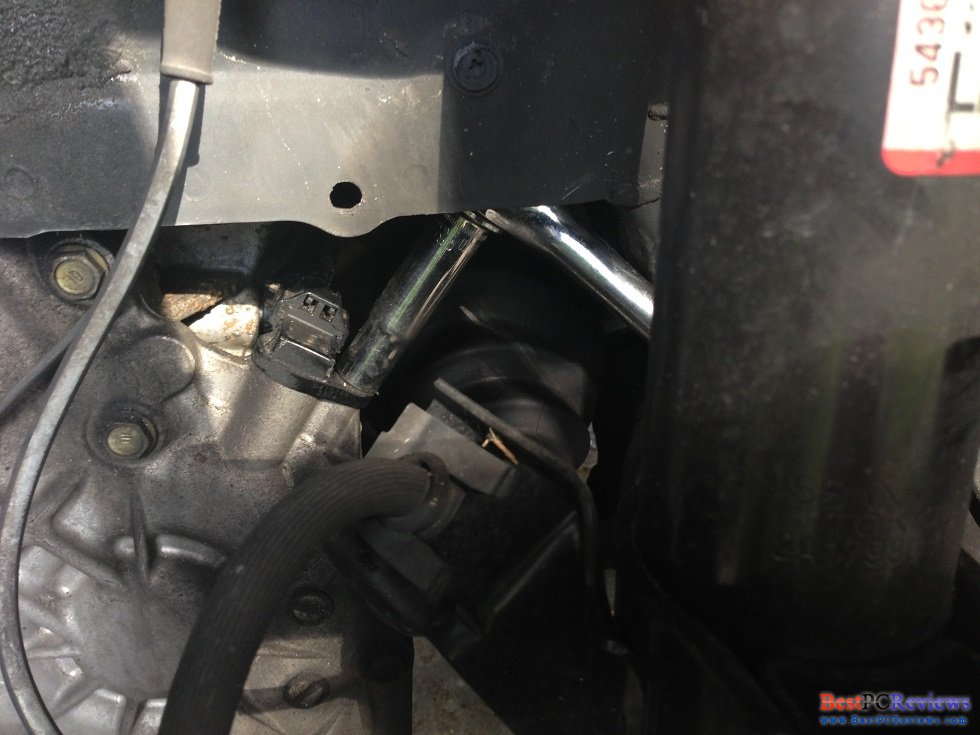
Take a Philips screwdriver and remove the bolt (pictured). Once the bolt is removed, slide the splashguard so that your brake disc is holding the splashguard.

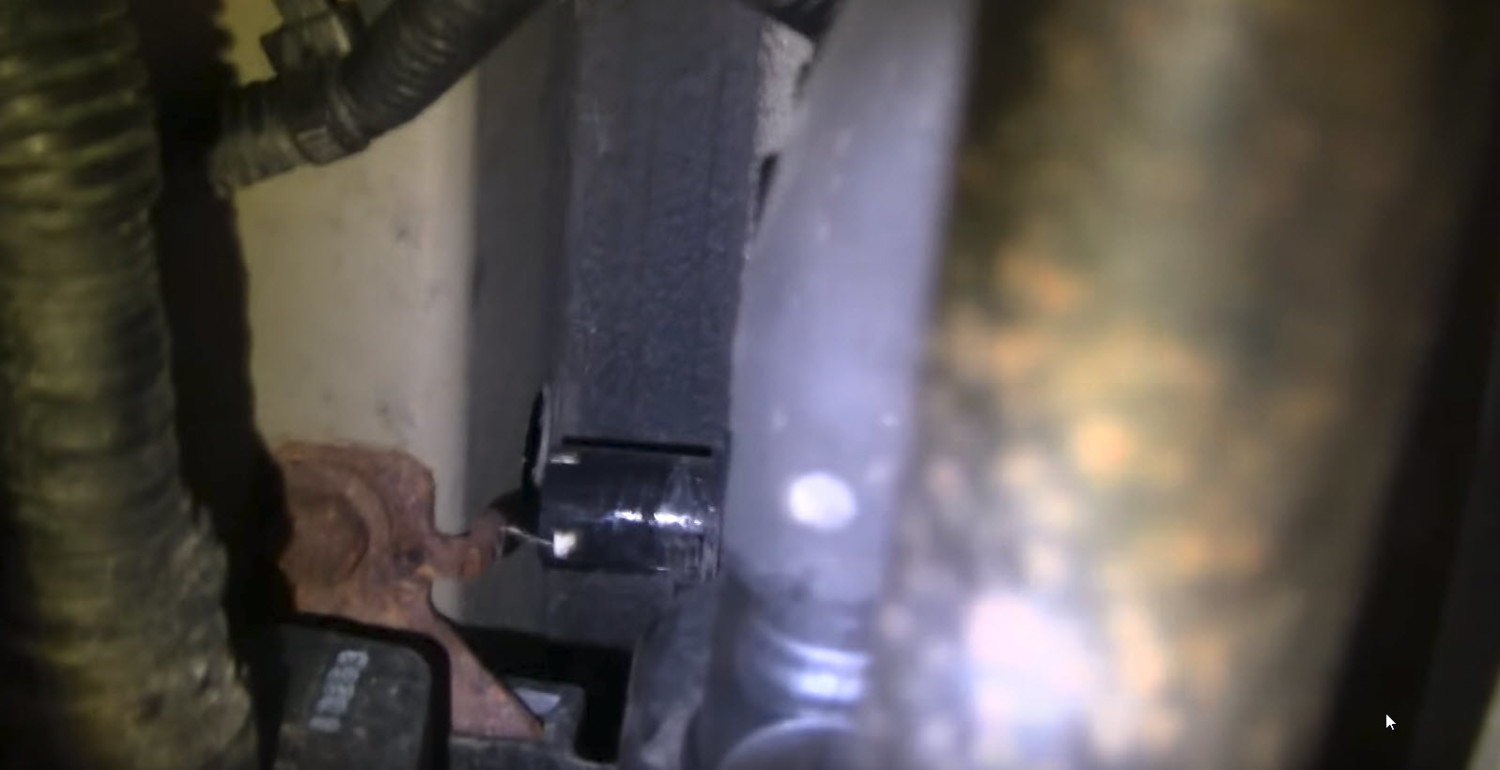
From there, you should see the sensor. The sensor is attached to your transmission.

First, take 10mm ratchet (I’d say with ratchet it would be easiest, but use one with small head), and remove the only bolt there is.

Once the bolt is removed, push the sensor up and then to you. Then, just remove the harness.

Next thing to do is put the new sensor in the transmission and push it down. Once it’s down and aligned, screw the 10mm bolt in. When the sensor is in the place, connect the harness.

That’s it, now just slide splashguard in the right place and secure it with a screw. After that put your wheel back on, remove the car jack and drive around to make sure sensor is not faulty.

If you still have check engine light, just reset it and you should be good to go. If you have any questions, feel free to post it here.

Loading

Member Credit: EddyMaxx

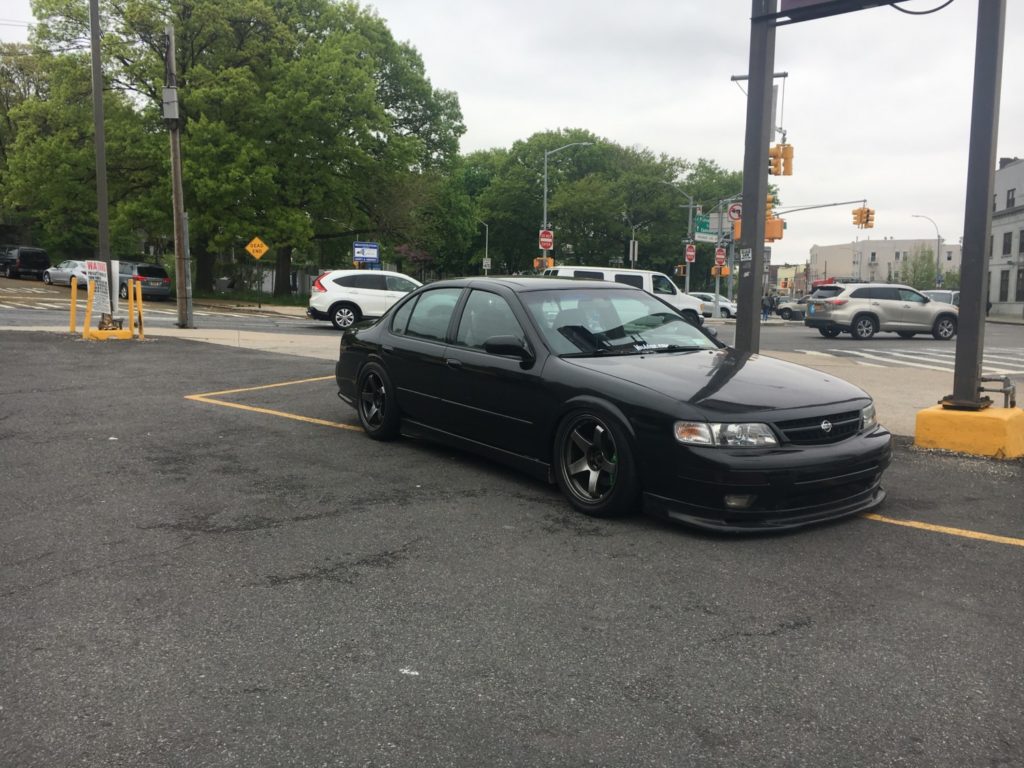
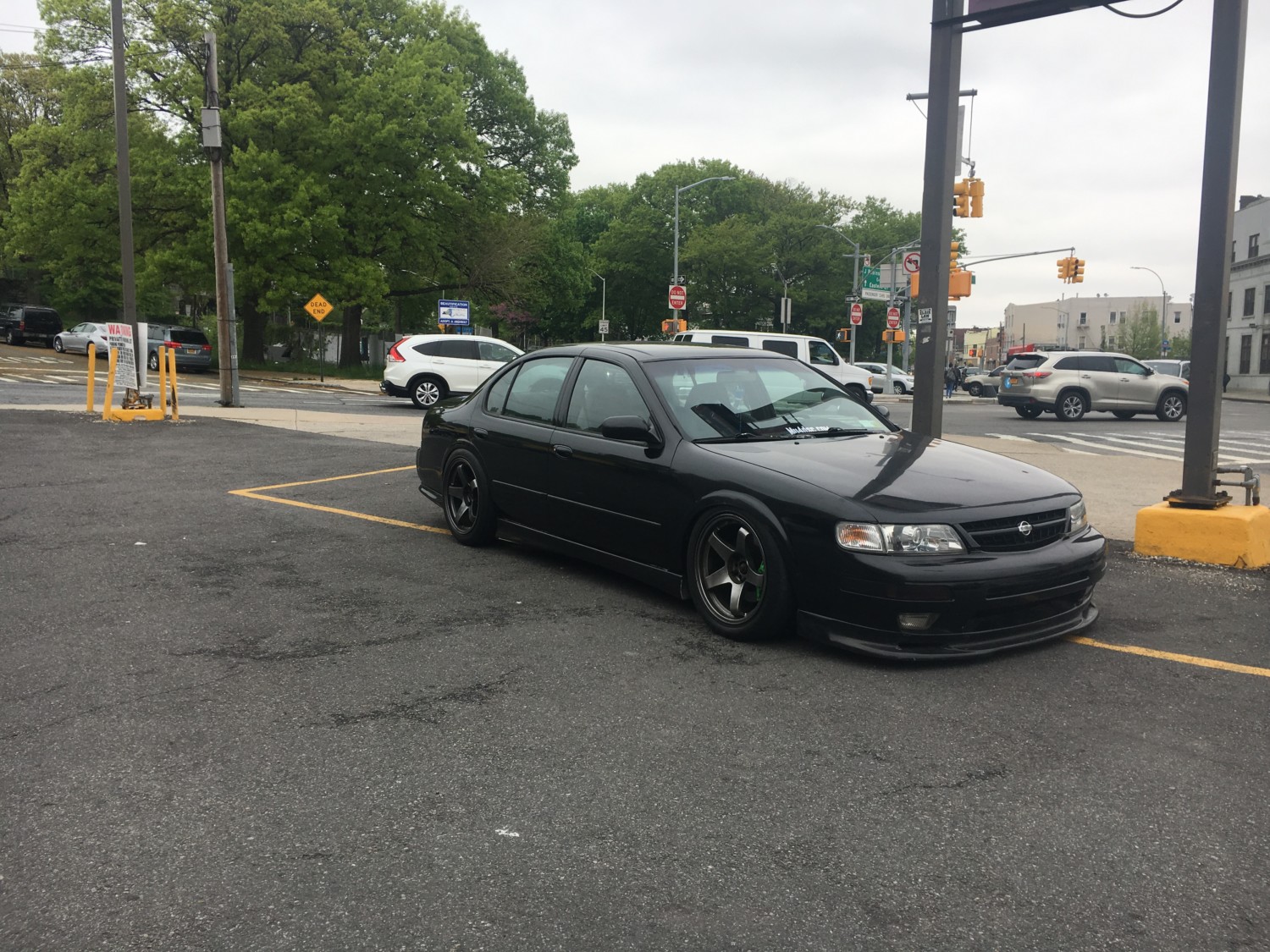
So earlier today, I went for a quick cruise in my 98′ 4thgen. I made a quick stop by a Dunkin Donuts and aired down the car as I have air suspension. I walked  back and got inside my car. Then as soon as I hit the Accuair remote to go up nothing happened!!!! UGHHHHHHHHHHHHHHH. The car is not driveable when it’s fully aired out.

But the good news!! It was a loose wire that was not making a good solid connection. It was the orange wire that goes into your Accuair ECU. It’s connects to a switched 12V source. Below is a photo of the orange wire that I’m referring to. Follow the wire and confirm that is properly secured and joined with a 12V source. This resolved the issue for me! Hope this helps someone!

Remote Behavior

And there she is!


Loading