Are you tired of going to the dealer for repairs when you know you can do it yourself? Got a broken power seat that is just driving you nuts? This seat gear for the front driver and passenger seats on all Nissan and Infiniti model 2003-2010. Fix that broken power seat and regain your memory positions as this is a quick fix back to a comfy position.
Check out the tutorial that we have provided and see how you can make this a fix and not go to the dealer. Dealers are asking upwards of $1400 for a new seat because they say it’s not possible to fix. Please verify your seat gear before purchase for easier processing. A simple look at the gear will help determine proper choosing.
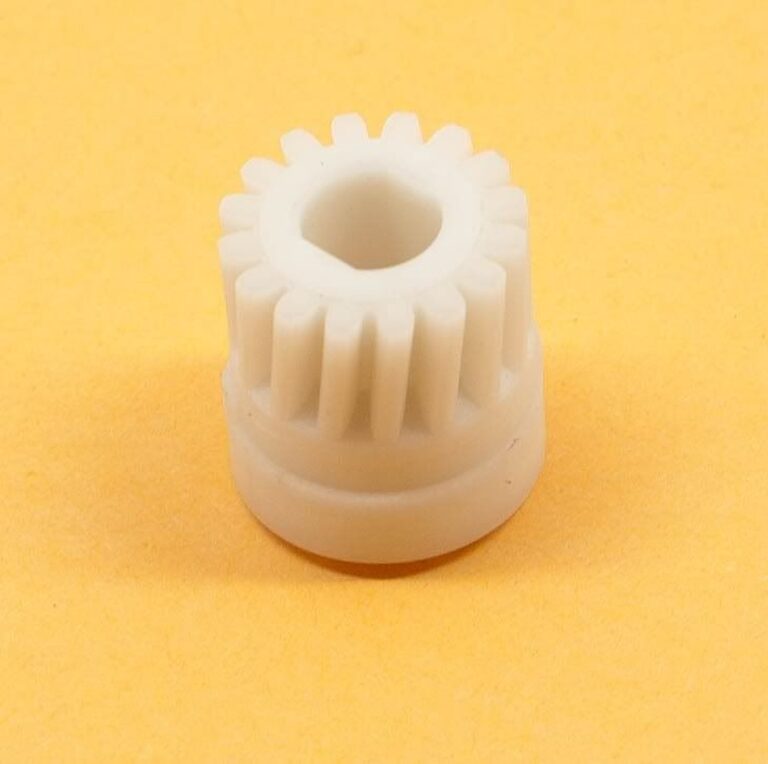
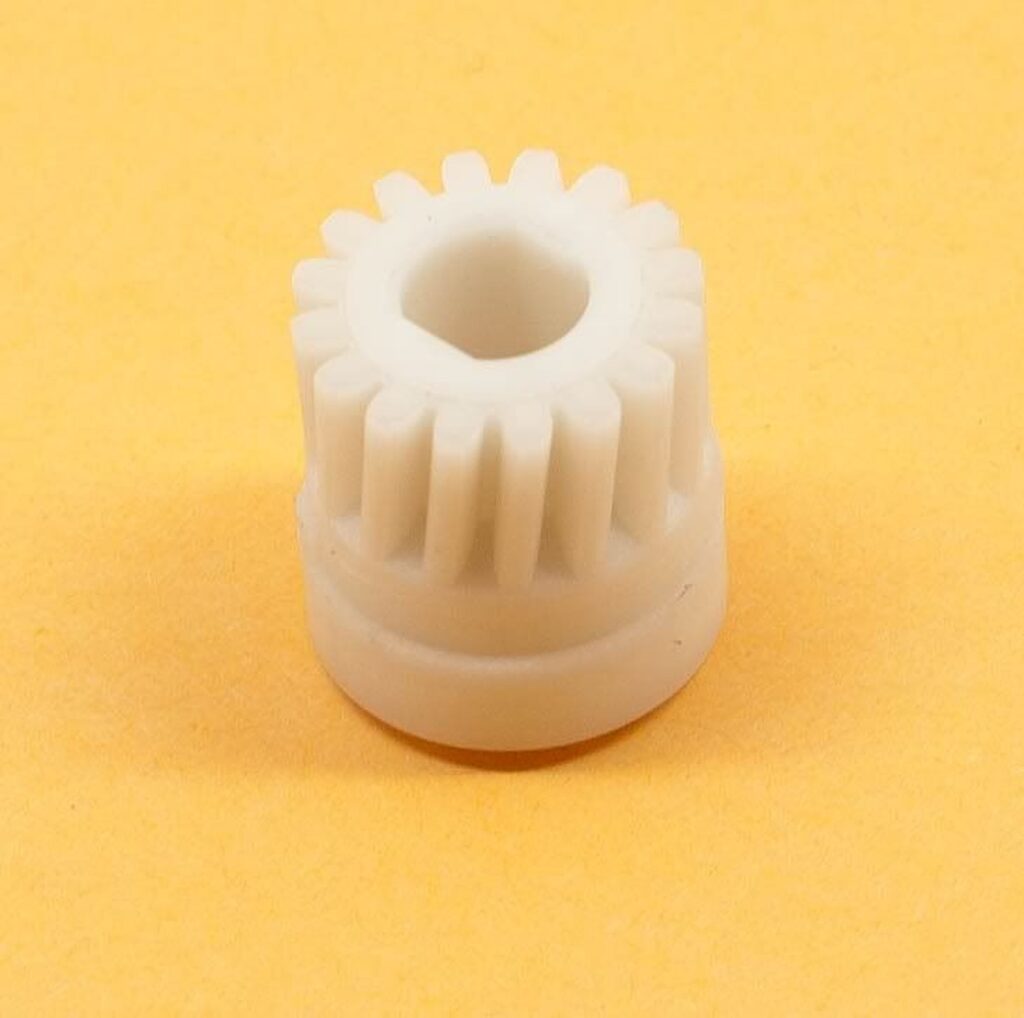
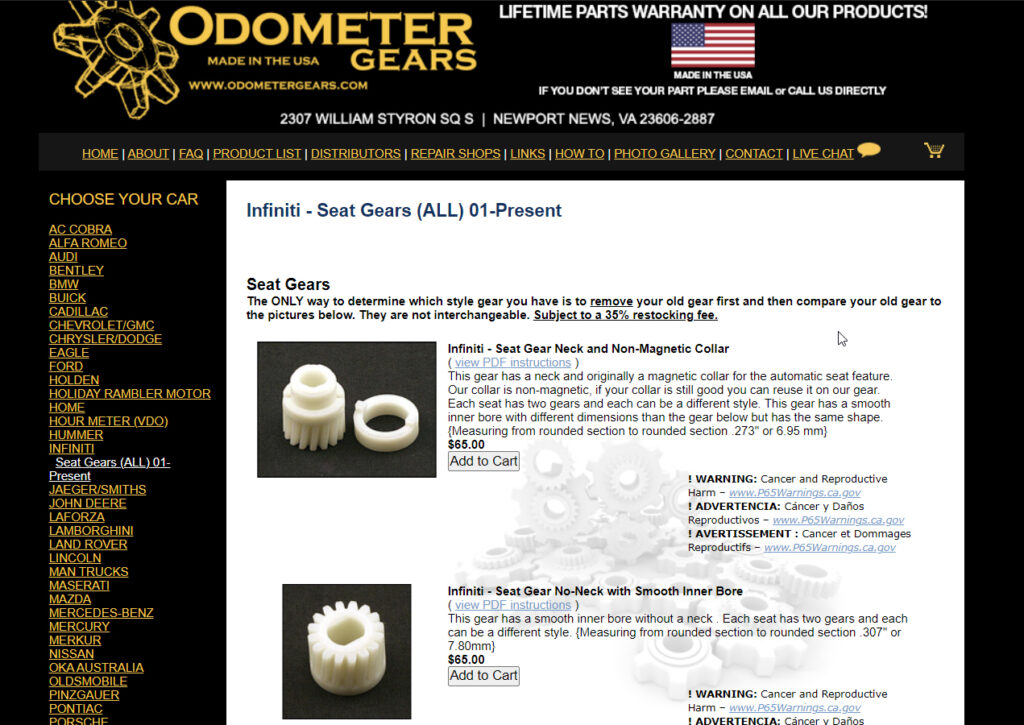
The ONLY way to determine which style of gear you have is to remove your old gear first and then compare your old gear to the pictures below. They are not interchangeable. Subject to a 35% restocking fee.
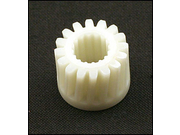
Infiniti – Seat Gear Neck and Non-Magnetic Collar ($65.00)
This gear has a neck and originally a magnetic collar for the automatic seat feature. Our collar is non-magnetic, if your collar is still good you can reuse it on our gear. Each seat has two gears and each can be a different style. This gear has a smooth inner bore with different dimensions than the gear below but has the same shape. {Measuring from rounded section to rounded section .273″ or 6.95 mm}.
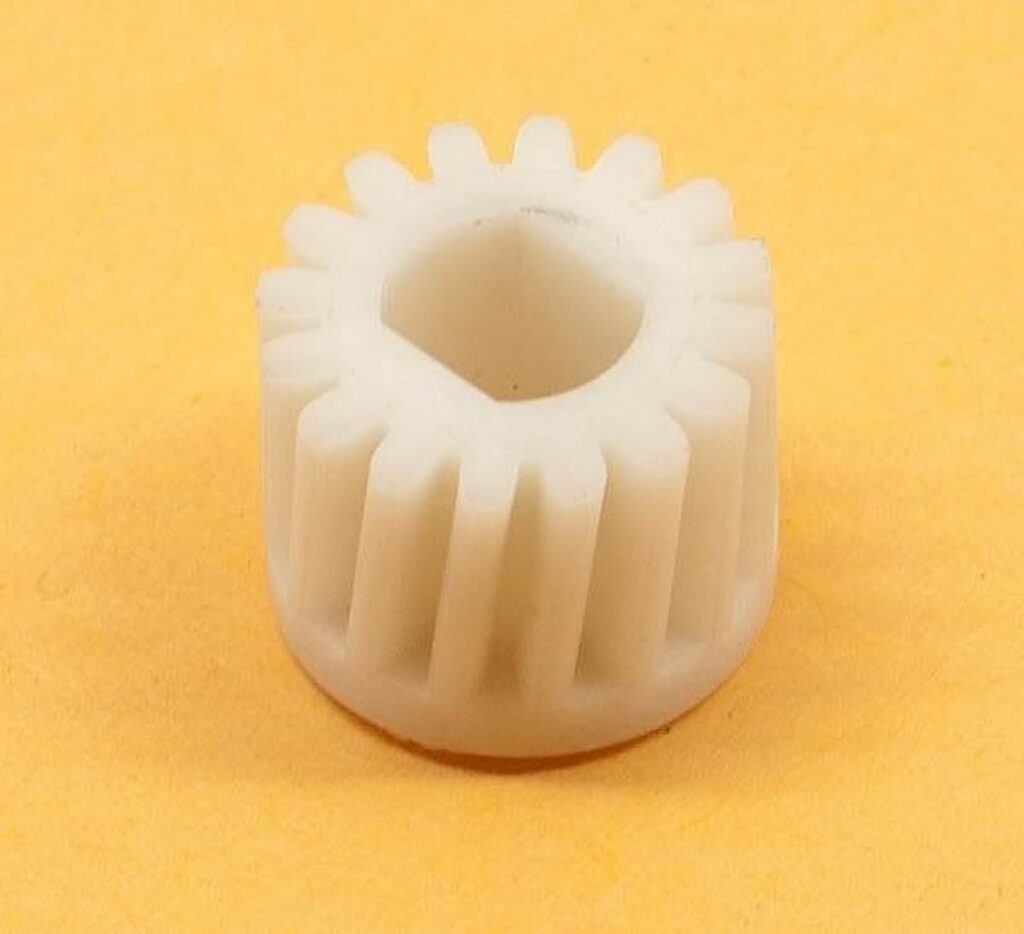
Infiniti – Seat Gear No-Neck with Smooth Inner Bore ($65.00)
This gear has a smooth inner bore without a neck. Each seat has two gears and each can be a different style. {Measuring from rounded section to rounded section .307″ or 7.80mm}
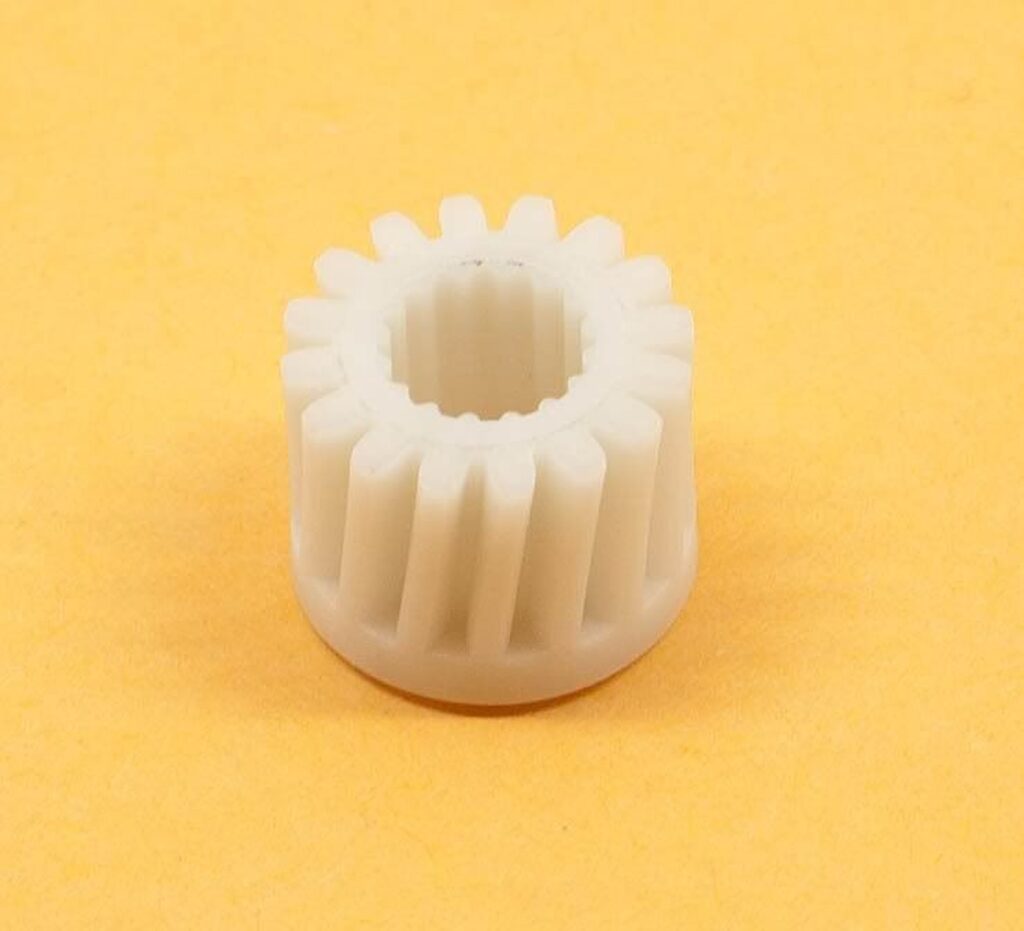
Infiniti – Seat Gear No-Neck with Splined Inner Bore($65.00)
This gear has a splined inner bore without a neck. Each seat has two gears and each can be a different style. {This is the only splined style gear and does not require to be measured.}
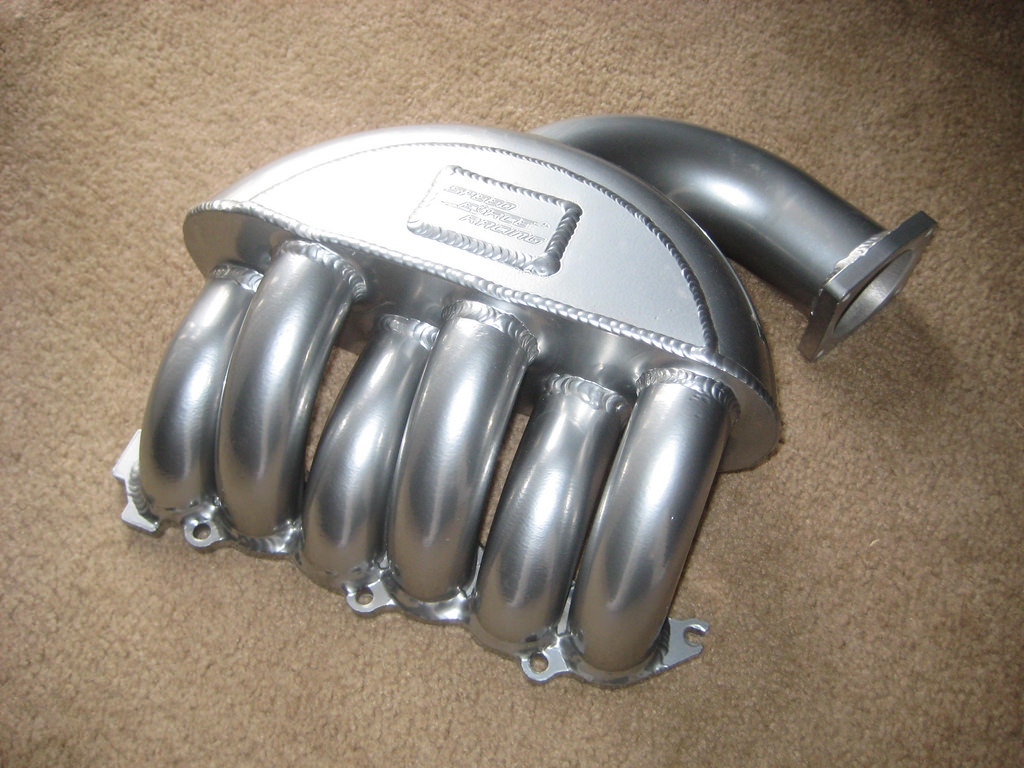
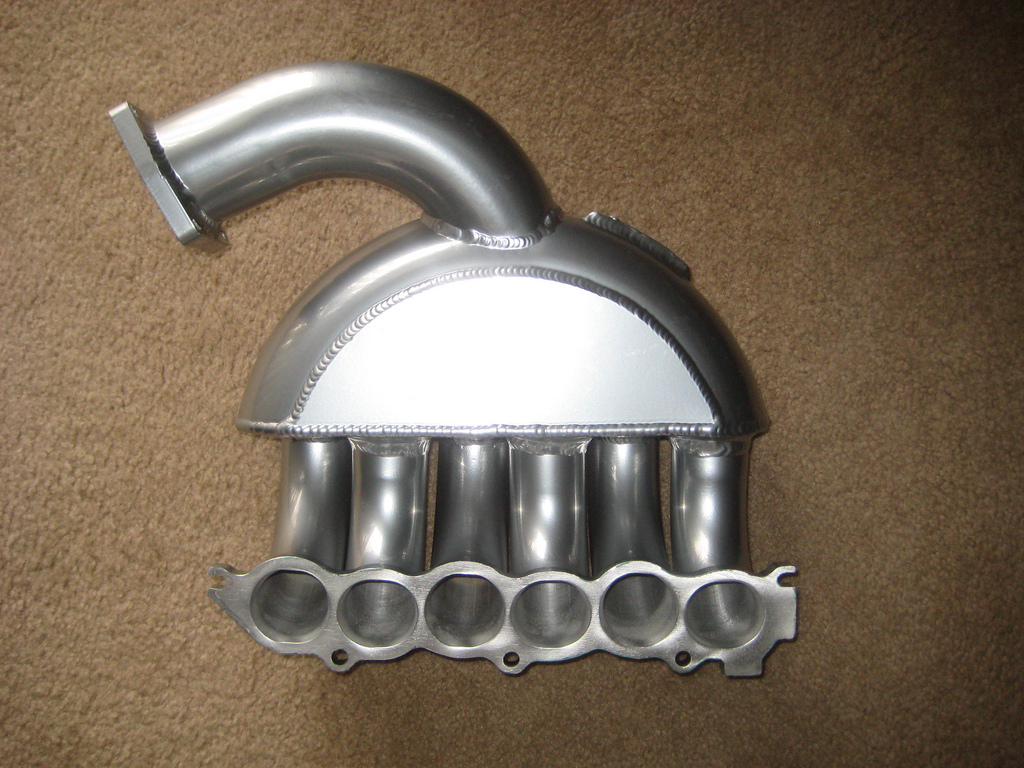
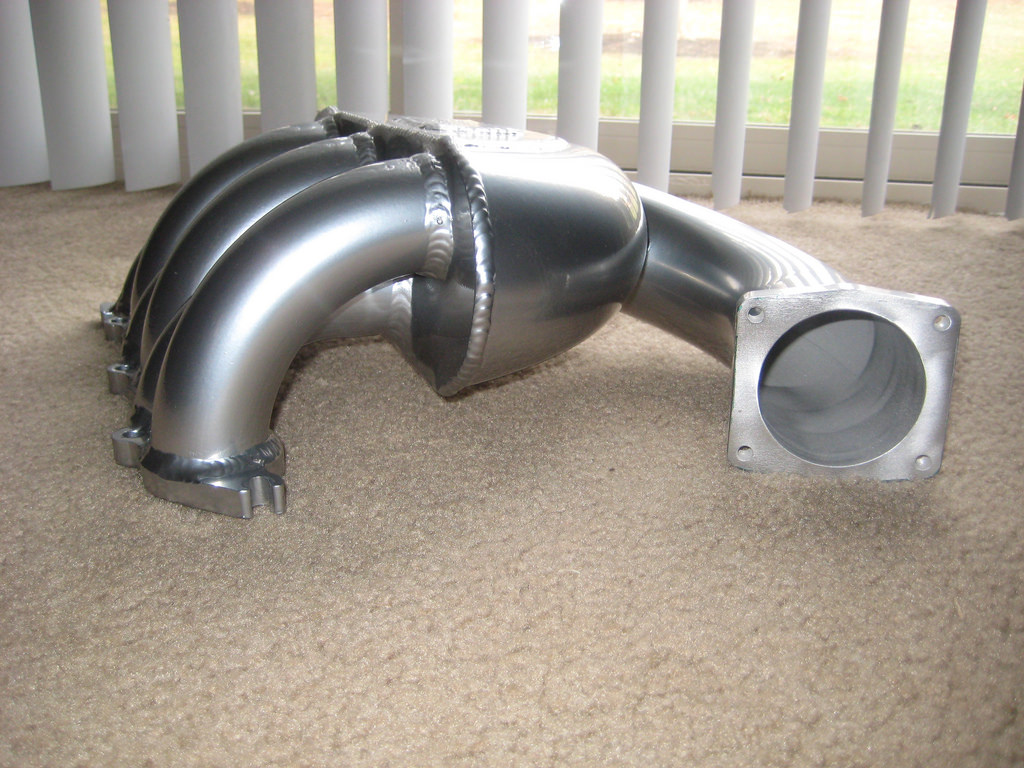
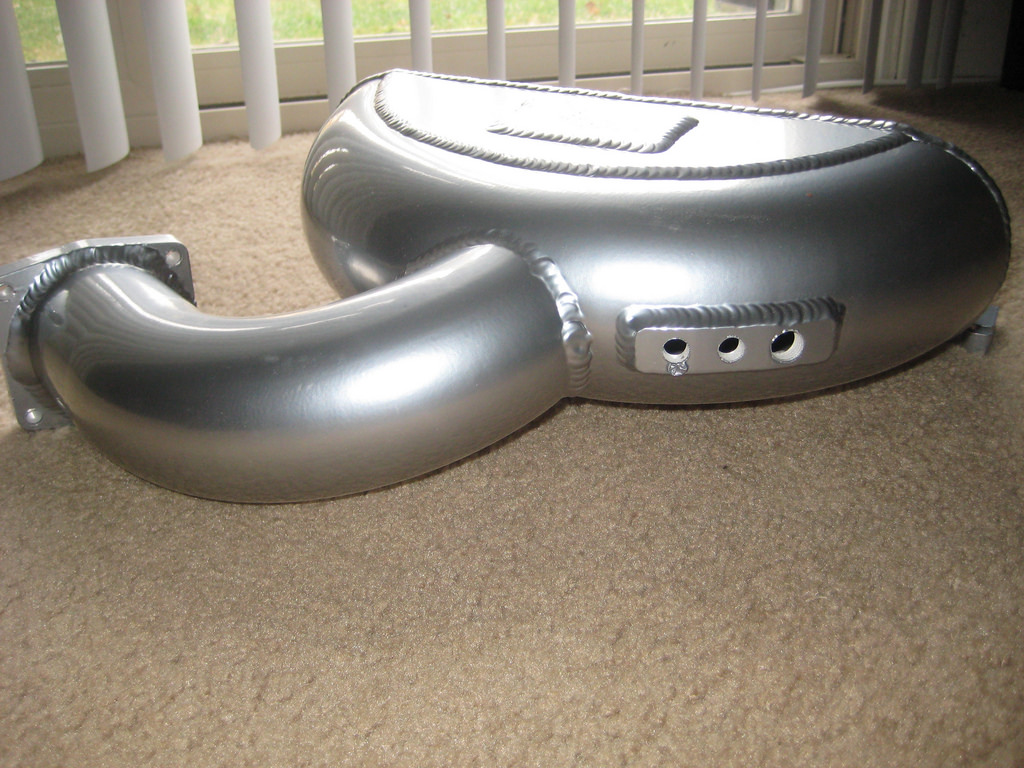
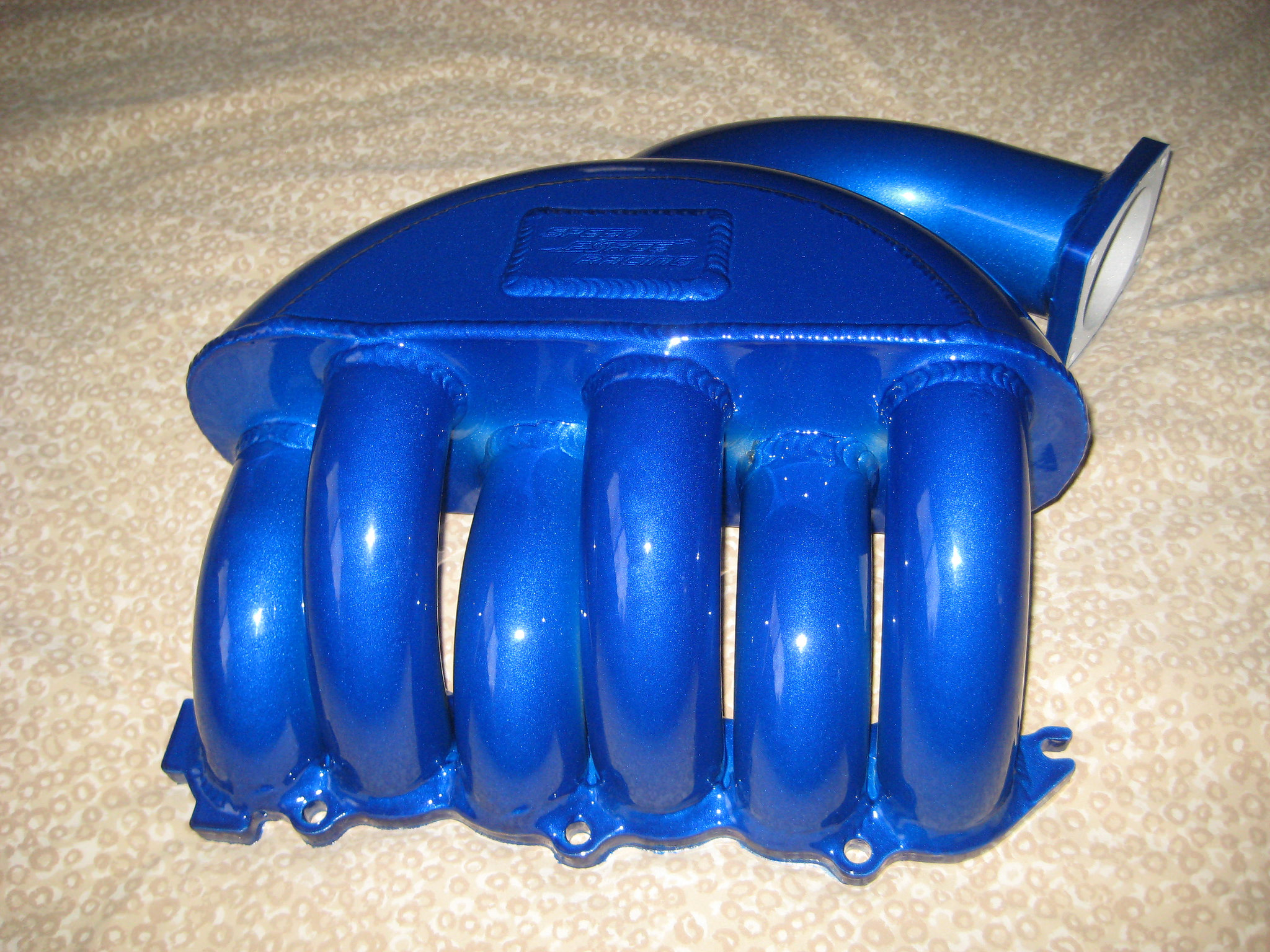
If you want to add an easy 25WHP to your Altima or Maxima then look no further. Our SFR high-velocity manifold is an easy bolt-on and adds 25WHP to an NA car and up to 50WHP on turbo cars. We also offer an aluminum engine cover that goes with it to really dress up the engine We also offer the intake manifold for the later models Altimas and Maximas.
Nissan Club
I was fortunate enough to have the first SFR High-Velocity Manifold put on a N/A vq35. From what Tim at Speed Force Racing told me this manifold is slightly different from the manifold made for forced induction cars.
I have had the manifold for months. When I first received it I was impressed with what I saw. The design is wicked and looks waaaayyy better than stock. It took me a while to slap it on at first because I had to find and purchase the correct barb fitting to hook up the vacuum hoses. At first, the installation was a bit time-consuming because I didn’t know what I was doing. I have installed the manifold on and off about 6 times already so installation for me is under an hour.
The sound is pretty cool. At low revs during soft acceleration, you hear a humming/growl from under the hood. Under hard acceleration, the engine sounds great! it isn’t loud and obnoxious. It’s more of a deeper growl, nothing too crazy or far from stock, but noticeable.
At first, I could only go off of the butt dyno and my butt dyno liked what I felt. To me, the mid-range was increased a lot. I knew the torque was increased a lot (dyno showed 10wtq at peak). Up top, the car felt great as well. My car just easily pulled to higher RPMs. I could definitely feel the car breathing MUCH better. Even while cruising at lower RPMs the car had sooo much better response.
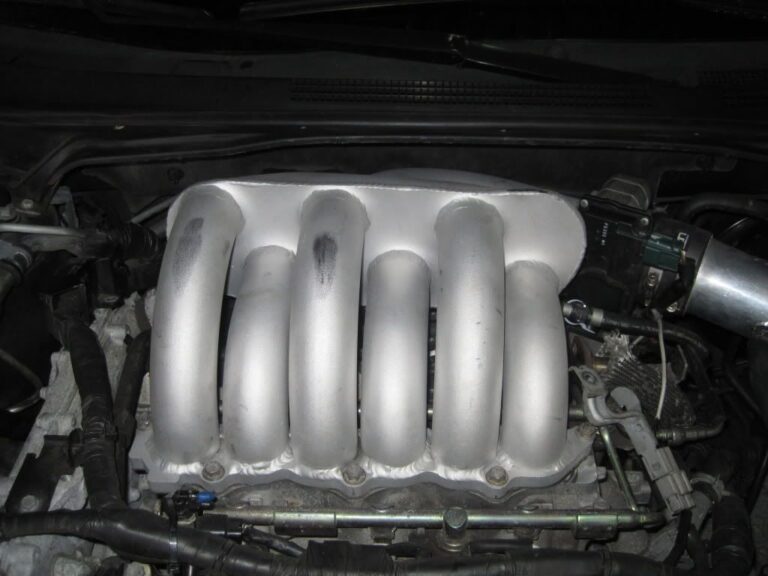
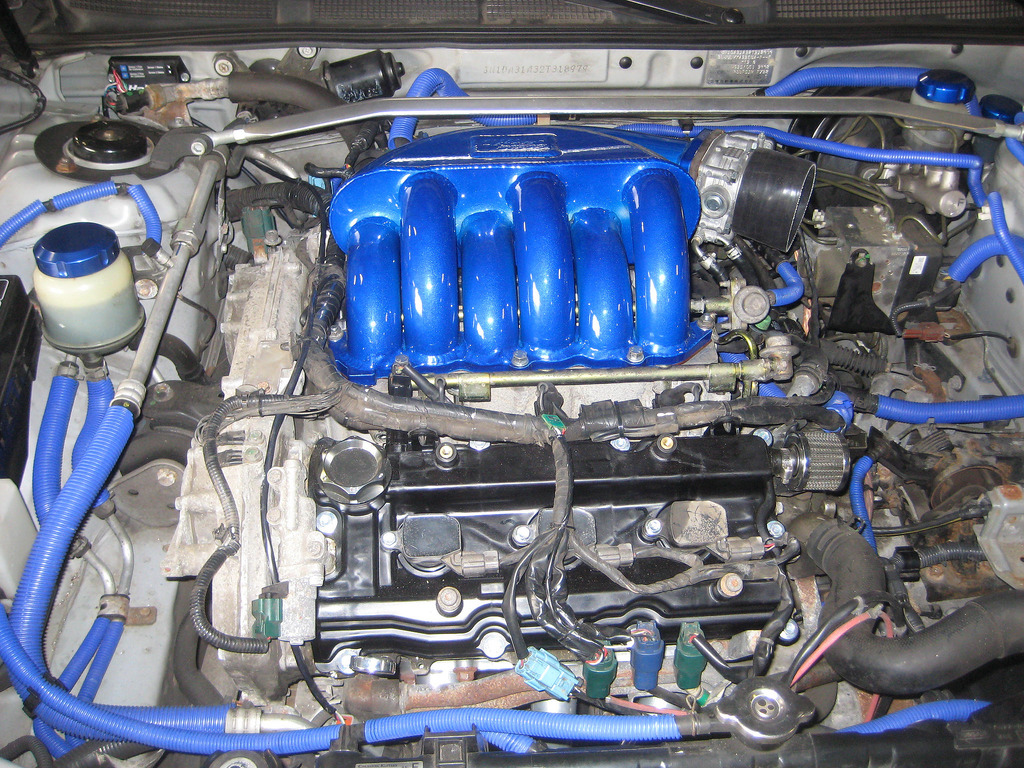
Here are some pics of what it looks like on my car:
Some graphs got mixed up at the shop but I managed to get the most important ones. The graph shows the highest dyno from the stock manifold with the highest dyno with the SFR manifold. the other graph has the highest stock vs. a couple runs with the SFR manifold but also shows the torques as well.
I picked up almost 30whp at redline alone.
I was amazed at how much power was picked up at redline. this isn’t your average SSIM dyno graph only showing gains up top. You can clearly see there are gains on the ENTIRE powerband. Peak rose 5whp (wish it was more). What’s important here is the area under the curve. midrange you can see ~12whp gains as well!
I like this manifold very much! yes, it’s not a cheap mod but for the overall power, it’s worth it. It adds power where cams don’t and cost half the price. Plus install isn’t that hard. To me, it was well worth the money spent.
If you eliminate your EGR valve, you’ll likely get a P0400 Exhaust Gas Recirculation Flow Malfunction trouble code. But no worries, here’s what you need to do to get rid of the code.
EGR stands for Exhaust Gas Re-circulation. It takes the exhaust and recirculates it back into the engine so it will burn any unburnt fuel left to create a better emission. It only does a small portion, not all of it the cats take care of most of it. The EGR is a federally mandated system designed to control tailpipe exhaust emissions.
The EGR system reduces emissions by returning small amounts of metered exhaust gases back to the engine intake. The theory is that by using exhaust gas as part of the intake air/fuel mixture, there is less oxygen to burn, which lowers the temperature of combustion. Cooler cylinder head temps lead to less formation of pollutants, specifically nitrogen oxide (NOx) compounds.
The reason most people delete the system is it really doesn’t work after 20+ years of built up gunk and crap in the system. If you take yours off, I will bet you have carbon build up in the tubes and nothing i getting through that. All its doing now is directing all of it into the exhaust system. Another reason is it ends up being a major source to a vacuum leak. All the EGR valve is, is a rubber diaphragm. They usually fail after 10-15 yrs or after 100k miles. They don’t make parts for it anymore or if they do it is insanely expensive.
What are the benefits and why do this?
The majority of Nissan owners do this modification when they install headers and eliminate the EGR valve. When eliminating the EGR, it throws a code. This mod makes it easy to keep the headers and avoid CEL codes.
It’s a very simple mod to do and won’t effect your engine performance.
There have been no major known issues when doing this modification. The EGR is designed to be mainly operational when the engine is cruising and already warmed up. Removing the EGR should not put the engine under increased risk. The EGR is only working when the engine is under minimal stress.
EGR (What you will be eliminating/deleting)
1. EGR Block-off Plate
Buy the EGR blockoff plate from NWP (you can also make your own). This will go on the intake manifold when you disconnect the piping from the EGR system. If you are doing an HR swap or have a 07-08 Maxima, then you don’t need to do this. They cost $35 bucks from NWP.
2. EGR Exhaust Plug
For the exhaust side plumbing you’ll either need a plug for the exhaust bung or have headers that don’t have an EGR bung. The EGR exhaust bung plug is a M24 plug. You can actually buy it directly from Nissan using this: Plug Taper – Nissan (14052-21R00)
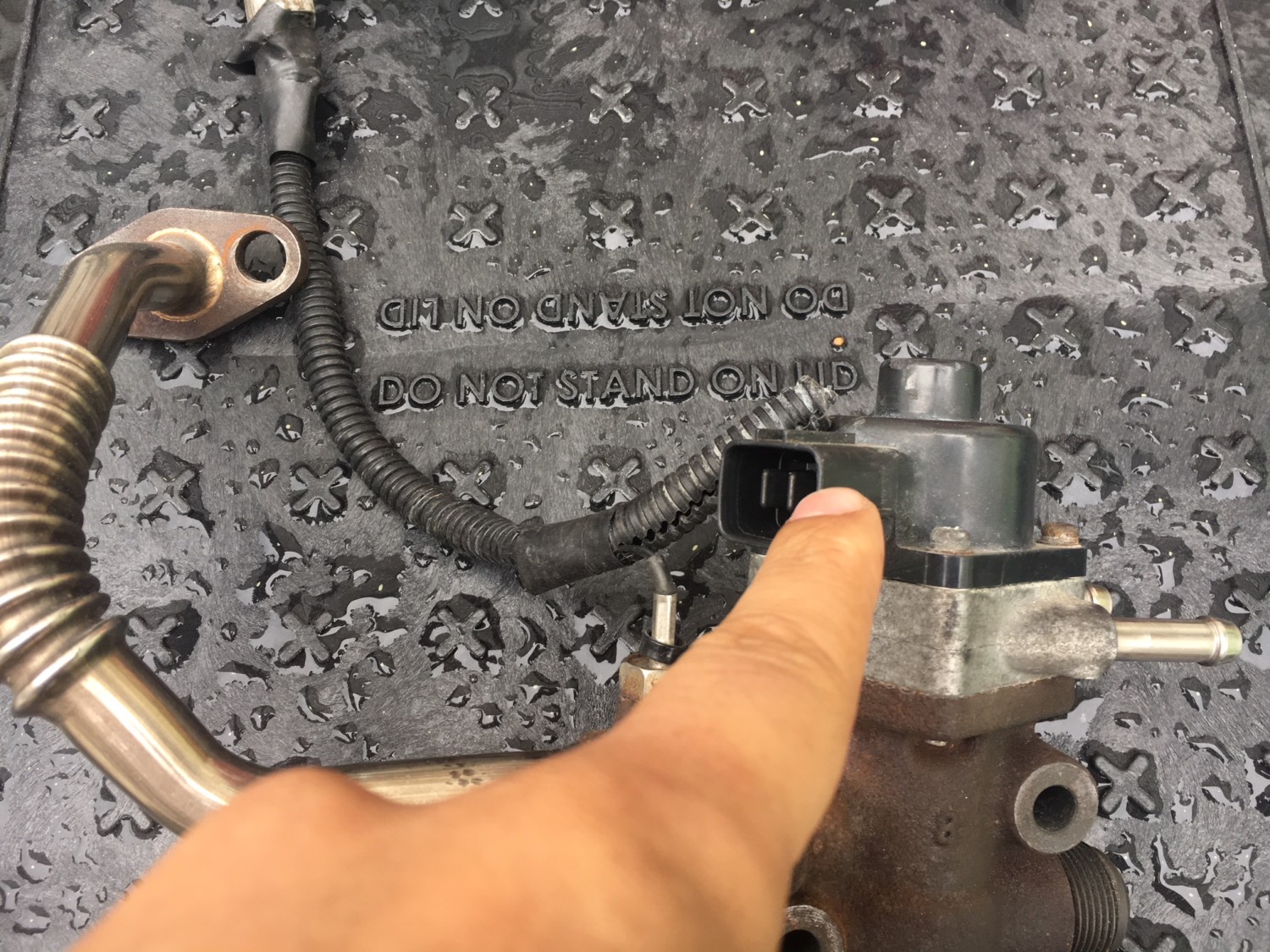
3. EGR Temp Sensor
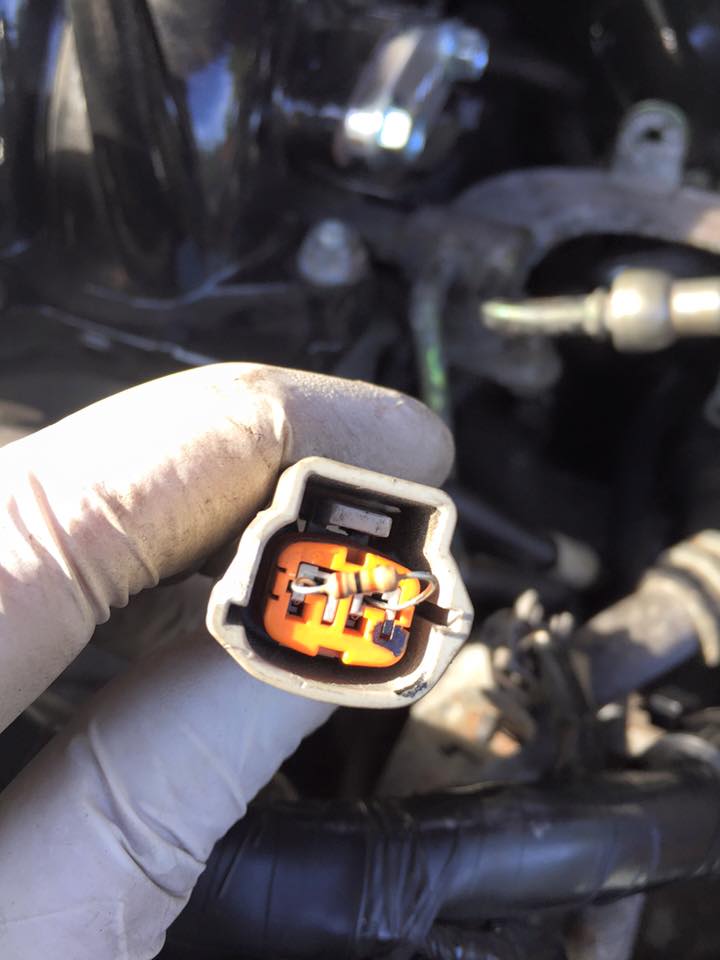
This is the smallest of the 2 sensors on the EGR piping under the hood. You can either leave it in the engine bay reading ambient air temp or you can trick the ECM by sticking a 10k ohm resistor in the female connector (as my picture illustrates above). I don’t believe you will go into limp mode if you totally remove this sensor and don’t do the resistor trick but you will throw a P0406 (EGR flow sensor A circuit high input) code.
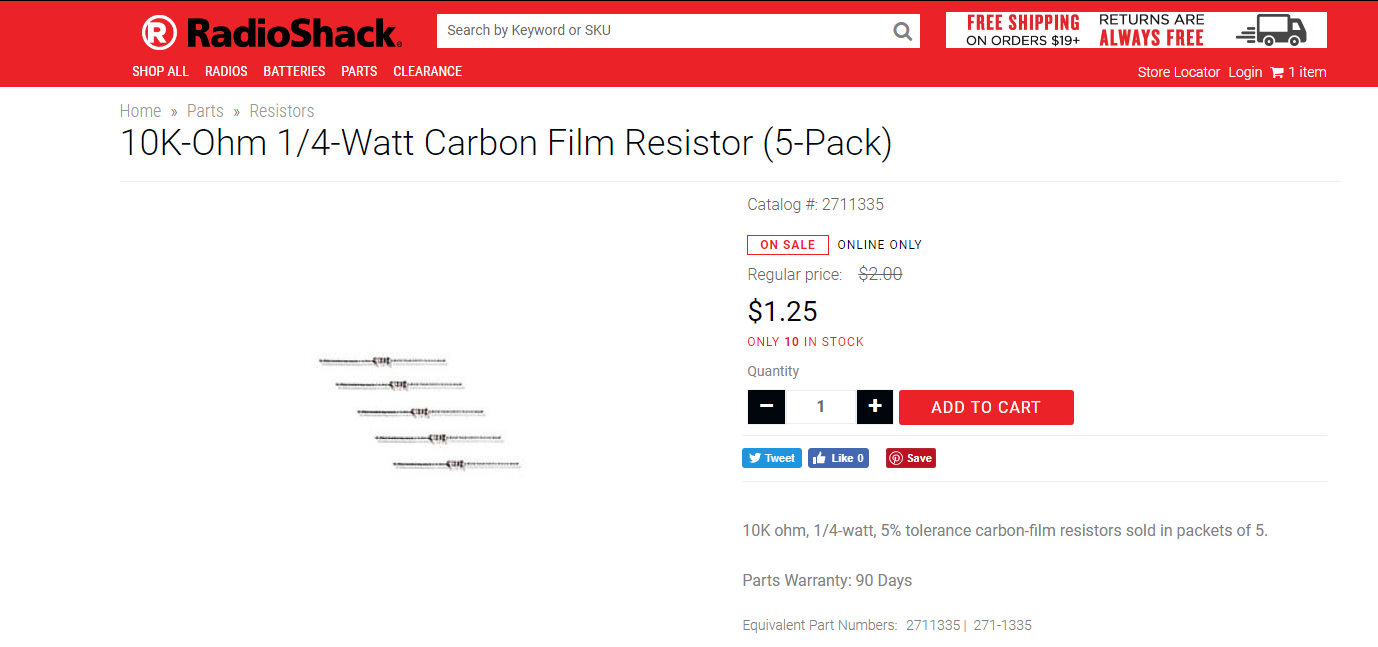
RadioShack Part #: 2711335 10K-Ohm 1/4-Watt Carbon Film Resistor (5-Pack)
Important Note: Make sure resistor is 10K-Ohm not 10-Ohm.
4. EGR Valve Sensor
I removed this sensor (4 screws secure it to the piping) from the piping, left it plugged in to the factory harness and zip tied it to some other wiring under the hood. This one is a big deal as you WILL go into limp mode and can’t rev over approx 3k rpms if you take this sensor out from under the hood! Ask me how I know
5. Coolant Lines
If I remember correctly my coolant lines went to the EGR valve, out to the throttle body and back out to the return plumbing. I basically just took the EGR out of the lineup. So the coolant line runs straight to the Throttle body and back out to the return plumbing. I’ll delete the coolant lines to the throttle body at a later date and time as I was doing a LOT of mods at once and didn’t feel like fooling with it at that time & point.
That should do it!
Update from EddyMaxx (June 24th, 2018)
I performed this on my 2004 Nissan Maxima and drove 3K+ miles. No issues or CEL from the EGR delete. The emissions readiness monitors also pick up EGR as PASS!
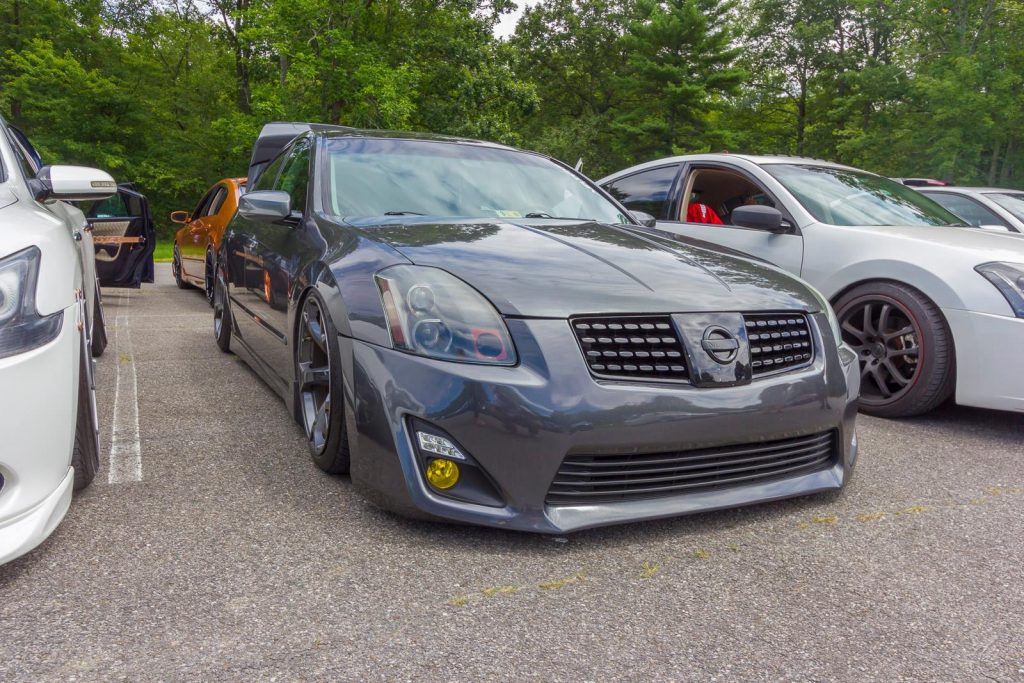
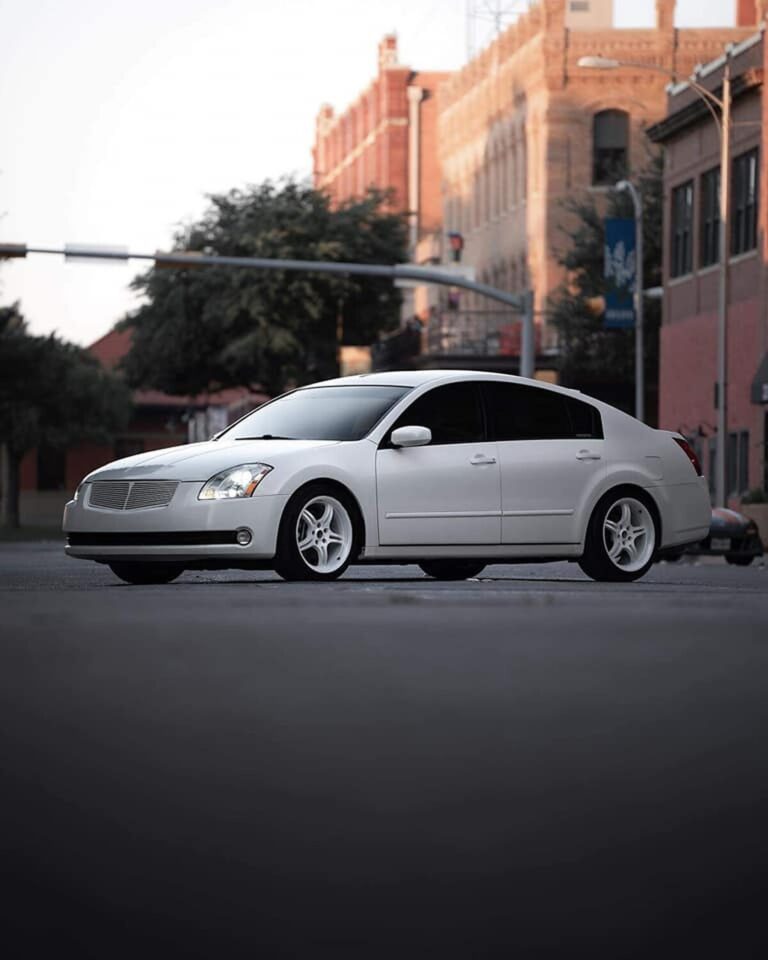
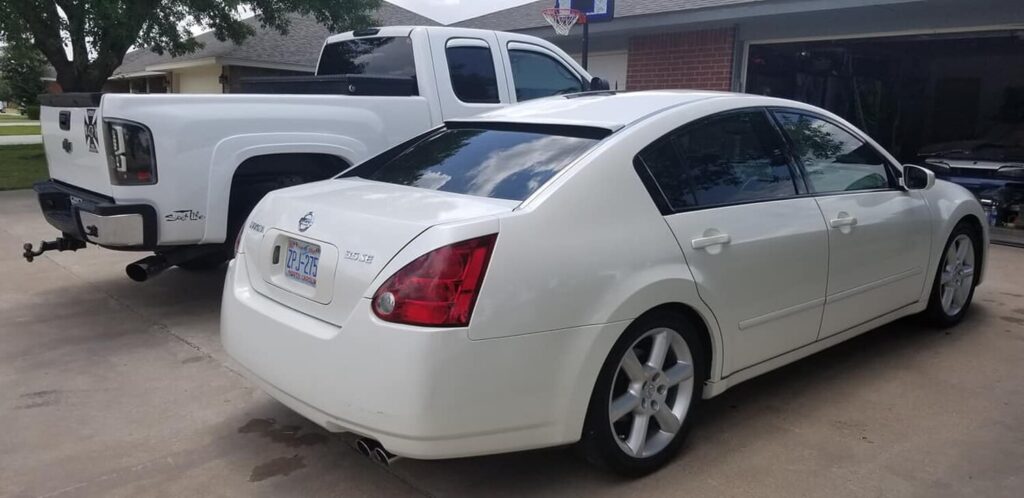
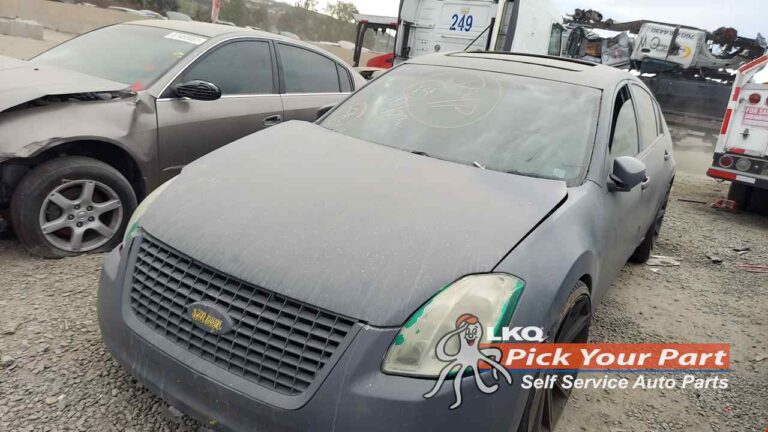
Year: 2004 Model: Maxima Color: White Transmission: 5-Speed Automatic Trim: SE
Notes:
My parents purchased the car brand new off the lot in 2004. They swapped the stock stuff for Eibach springs, stainless brake lines, Injen intake, and wheels, then drove it for about 14 years with about 260k miles.
I got the car from them and did quite a bit more to it. I really loved (and hated) the car and was sad to see it go, but, moving to Japan, I didn’t need it anymore and a JDM car was more alluring.
Cheers to all those building this underappreciated car!
Mod List:
“HR” Swapped with a 2014 Altima VQ35DE
Redlion Rear Motor Mount
Nisformance Tuned ECU
Ported Maxima Intake
Grounding Kit
Optima Battery
Mishimoto Radiator
Injen Cold Air Intake
Automatic Transmission built by LEVEL10 (Stronger Internals)
2500 Stall Speed
1st Gear Lockout Removed
Aftermarket Trans Cooler
“Dress up” Bolt Kit for Fenders
Trenz Grille
Eibach Springs
Motul Brake Fluid
Goodridge Stainless Steel Brake Lines
Racingline Front Strut Bar
18×9 +30 Mustang Steeda Wheels Painted Blue Pearl over White
LED Everything
Turn signals are “switchbacks” white when running, amber when flashing













 1. EGR Block-off Plate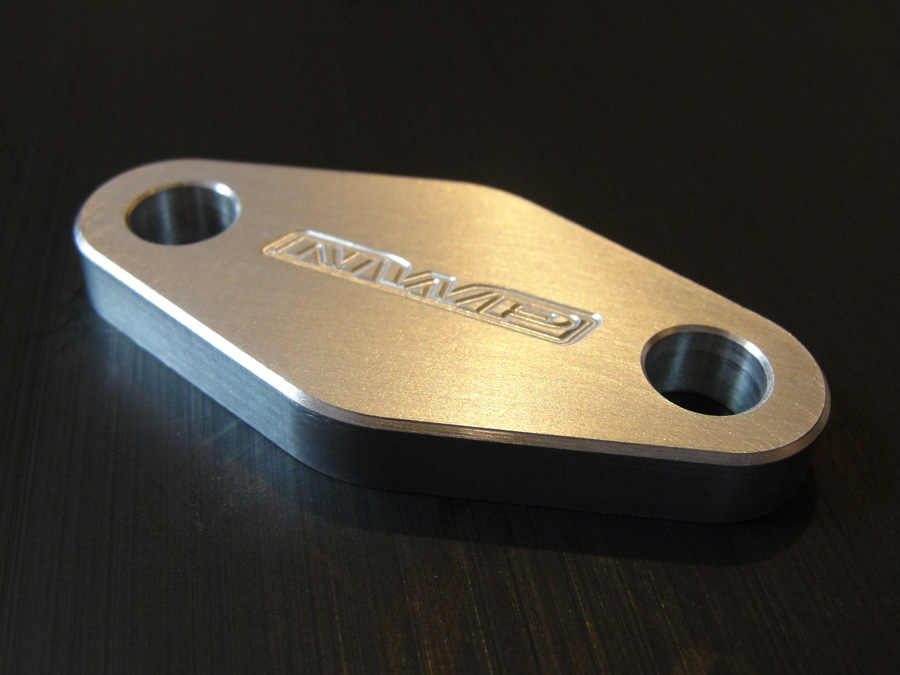



 4. EGR Valve Sensor