
Category

my5thgen 00-03

Category

Credit: KRRZ350

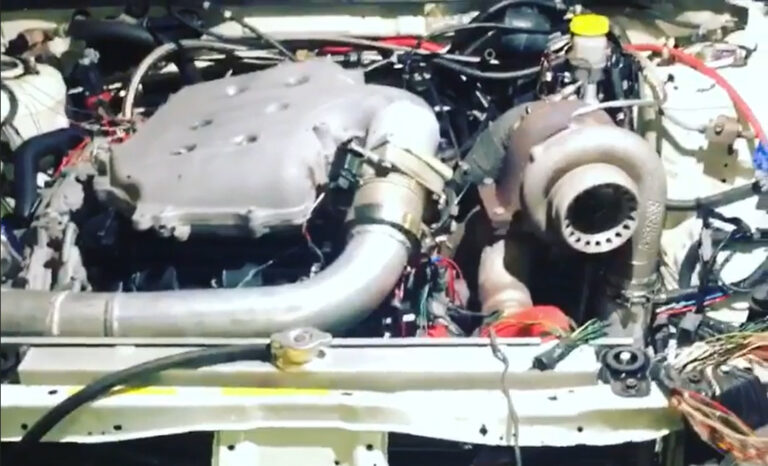
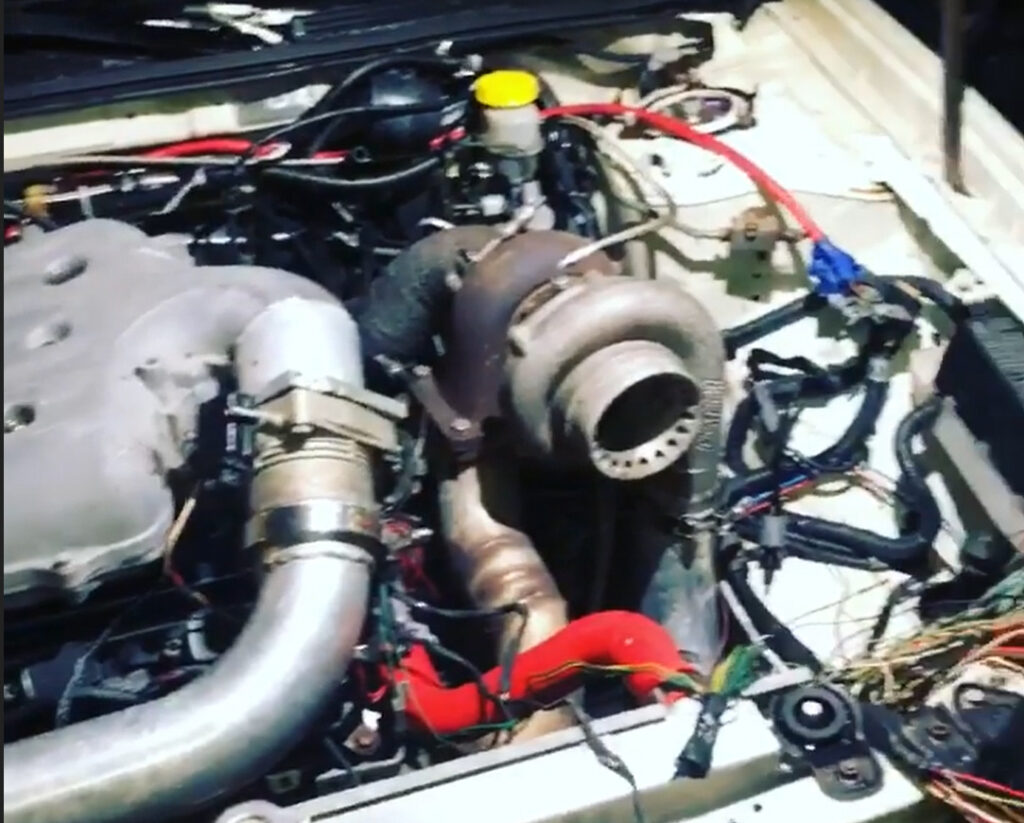
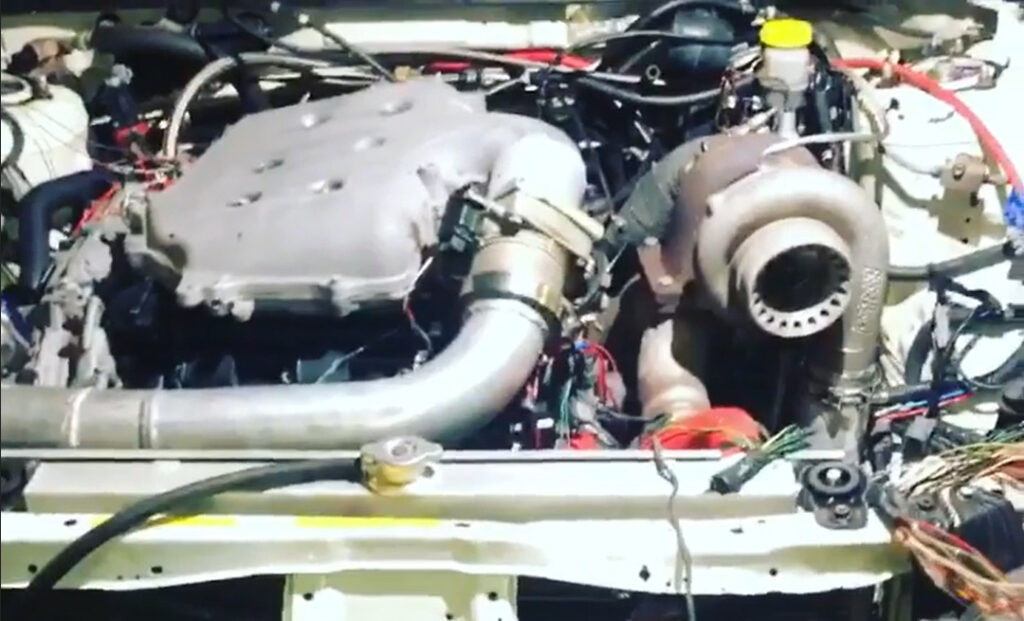
After spending more time with the Turbo Specialties kit, I’ve got some real-world feedback to share — both good and bad. I’m not here to sugarcoat anything; this is what you can actually expect when wrenching one of these onto your car.

The Fitment Struggles: When “Bolt-On” Isn’t Really Bolt-On

Let’s start with the bad news. While this kit looks great on paper, installation was far from smooth sailing. I ran into a laundry list of issues that turned what should’ve been a weekend project into a deep dive in creative problem-solving.

1. Manifold Misalignment

The turbo manifold wouldn’t fit over the studs — every single hole needed slight enlargement to line up properly. It’s a small tweak, but frustrating when it’s the very first step of the install.

2. Hardware Headache

The kit includes no manifold nuts. I guess they expect you to reuse the stock ones, which don’t work on about 75% of the studs. Tracking down M10 x 1.25 nuts with no flange locally was a nightmare. A small bag of proper hardware would’ve saved hours of wasted time.

3. Wastegate Bracket Clearance

The wastegate actuator bracket absolutely will not clear the motor mount bracket. I had to extend the actuator arm outward and fabricate a custom bracket just to make it work. This should not be something the end-user has to figure out.

4. The “What Were They Thinking?” Moments

Someone, somewhere, decided that red Loctite and finger-tight torque was good enough for a compressor housing bolt. Spoiler: it wasn’t. It stripped right out.

Then, to make matters worse:

  • The compressor housing hits the motor mount bracket.

  • The motor mount hits the crossmember.

  • The motor mount also hits an oil or coolant line — though that one was easy to fix.

  • And the oil return line? Yep, it interferes with the motor mount bracket too.

As if that weren’t enough, the motor mount itself doesn’t line up properly, forcing me to use spacers behind the mount bracket. That just made the compressor housing and wastegate clearance problems even worse.

Dear Turbo Specialties: Please, Do Better

To whoever at Turbo Specialties is following these threads — seriously, take this as constructive criticism from someone who wants your product to succeed.

Here’s what would make this kit great instead of just okay:

  1. Establish proper production tolerances and actually stick to them.

  2. Improve your quality control — small issues compound fast when everything is tight under the hood.

  3. Buy a 4th Gen Maxima mule car. It doesn’t have to run; it just needs to exist. Use it for every single test-fit before you ship a kit. Scratched parts are better than ones that don’t fit.

  4. Charge $500 more if you need to. Most buyers would happily pay extra for a kit that truly bolts on cleanly instead of spending days fabricating fixes.

I’m not just venting — I make money from installs like this, and even I’m frustrated. Imagine how a regular weekend warrior would feel tackling these issues in their driveway.

To Be Fair: It’s Still an Impressive Kit

Now, credit where it’s due — I don’t want this to sound like a total takedown. Despite all the fitment headaches, I’m still impressed by how complete the kit is. It includes nearly everything you need, and once everything is sorted out, the performance potential is absolutely there.

But quality control and consistency matter just as much as horsepower numbers. The foundation is solid — it just needs refinement.

Current Setup and Upgrades

There have been quite a few changes made to the kit since my initial install. I’m now running a Garrett GT3071R with a custom 3″ downpipe — a huge improvement over the stock setup.

At the moment, I’m still tuning with an FMU, but I’ll be switching soon to GReddy E-Manage paired with 440cc injectors for finer control and reliability. The MAF sensor has also been relocated to the charged side, which has helped smooth out airflow readings under boost.

I don’t have dyno numbers just yet, but they’re coming next week. For now, the car is running 7 psi, and even with an open downpipe (which makes it insanely loud), it feels incredibly strong — easily more powerful than the previous dyno numbers posted by Doc when he installed the kit.

A big shoutout to Kevin (KRRZ350) from Goodwin Motorsports for handling the installation. He worked through every issue that came up, and the fabrication on the downpipe is absolutely top-notch. One note: if you go with a 3-inch downpipe, you’ll have to sacrifice your A/C system — there’s just no room to keep it.

Final Thoughts

The Turbo Specialties VQ30 Turbo Kit is a bold product for an under-supported platform. It delivers great results once it’s working, but getting there takes patience, fabrication skills, and a willingness to improvise.

If Turbo Specialties tightens up their manufacturing and test-fitting process, this could easily be the go-to kit for Maxima enthusiasts. Until then, consider it a solid project — not a plug-and-play solution.

Loading

Credit: doc2278

Turbocharging the VQ30: My Experience with the Turbo Specialties Kit on a 2000 Nissan Maxima

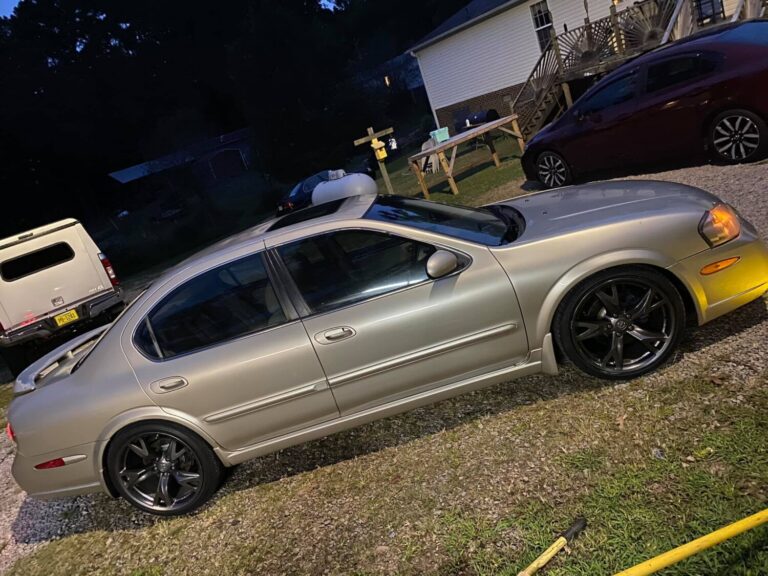
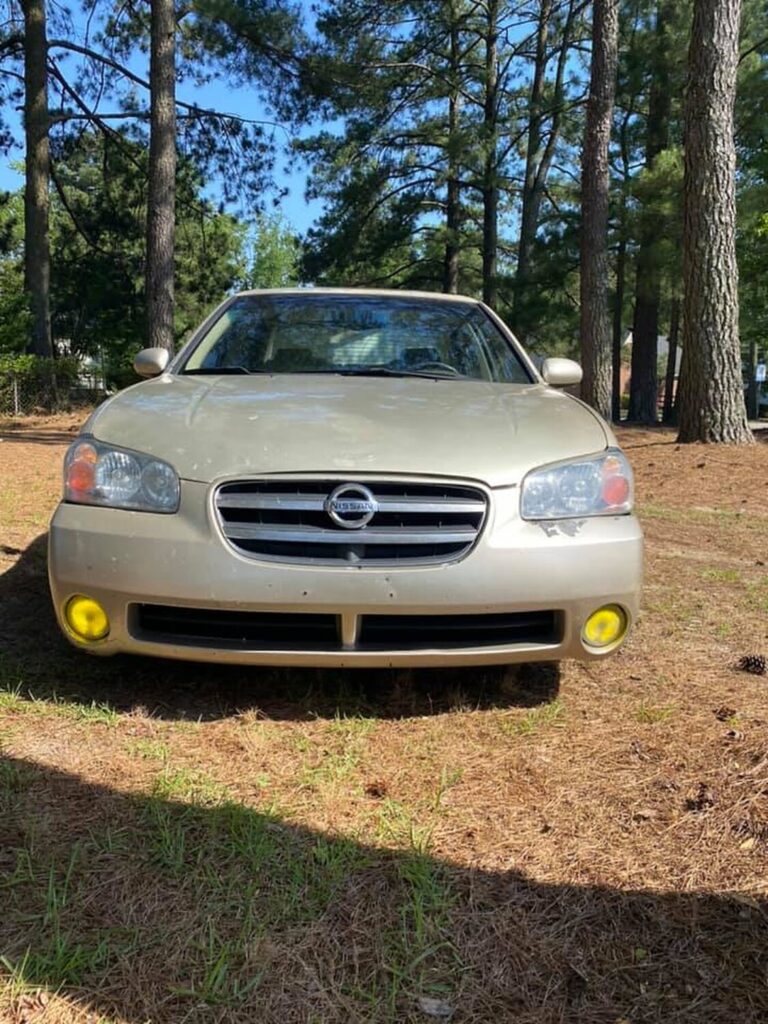
As many of you already know, I recently installed the Turbo Specialties VQ30 Turbo Kit on my 2000 Nissan Maxima. Since quality turbo kits for the Max are few and far between, I wanted to share my honest experience — from unboxing to tuning — for anyone considering taking the plunge.


First Impressions: A Surprisingly Complete Kit

Right out of the box, I was impressed. This is easily one of the most comprehensive kits I’ve seen for the Maxima platform. It includes:

  • A standalone control unit that combines multiple functions — turbo timer, boost controller, boost data logger, and injector driver.

  • A set of injectors included in the kit, meaning no need to source your own or risk running lean.

  • New motor mount, engine bracket, bolts, turbo manifold, and downpipe — all included.

The control unit deserves special praise. It’s well thought out, easy to wire, and performs exactly as advertised — turbo timer and all. Having everything integrated in one module saves a ton of time and money versus piecing together electronics separately.


Installation Notes: The Good, the Tricky, and the Workarounds

Oil Return Line

The only part I outsourced was dropping the oil pan for the return fitting — that cost me about $450.
The kit’s return line is a fiber-wrapped 5/8″ rubber hose, but I recommend upgrading to steel braided 5/8″ line for durability. Pick one up from Pep Boys for around $30, along with a 5/8″ L-fitting and collars to protect it from road debris.

Heat Shield

The included heat shield requires trimming to fit. A rotary grinder or Dremel makes this job much easier. Mark your cut lines first, trim carefully, and smooth the edges — sharp metal near a turbo is never a good idea.

Turbo Fitment

The top oil inlet tube needed a slight bend to clear the cooling fan. I used a $6 aluminum tube bender from AutoZone and a Dremel to shave the fitting edge — just enough to clear, not weaken it.
I also had to rotate the compressor housing (“snail shell”) to align it properly with the intake. After several radiator test fits, I locked everything down tight. Be careful with the oil return fitting; if it’s not seated correctly, you’ll have oil everywhere — ask me how I know.

Manifold and Wastegate

Mounting the manifold is a two-person job. Follow the FSM torque pattern, and finger-tighten the bottom center nut first before working outward.
The wastegate bracket needs minor trimming to allow the O₂ sensor to thread in properly — mark carefully, trim sparingly, and test-fit multiple times.

Charge Piping and Intercooler

Once you reach this stage, you’re almost done.
You’ll need to cut holes in the plastic underpan to route the charge pipes. On my setup, the driver’s side pipe (#7) hung too low, so I shortened it about 1.5 inches to sit flush with the fascia.
I mounted the intercooler brackets to the lower frame using self-tapping screws. Tip: mock up all the piping before bolting in the intercooler to ensure perfect alignment.

Wiring

Follow the provided diagrams carefully. The wiring is straightforward, with the only tricky part being the tachometer wire tap at the ECU. If you don’t have a factory service manual (FSM), you can find it at PhatG20.com — trust me, it’s a lifesaver.


Startup, Tweaks, and Break-In

Once everything was buttoned up, I double-checked every connection, started the car, and checked for leaks around the manifold and fuel lines. A few bolts needed retightening, but otherwise, the system came alive beautifully.

I drove gently for a week to let the ECU adapt, and sure enough, it adjusted timing automatically. The blow-off valve sounds fantastic — smooth and sequential in tone — and the turbo spool is addictive. It completely transforms the character of the car.


Dyno Results and Performance

Under test conditions:

  • Humidity: 94%

  • Dew Point: 60°F

  • Barometric Pressure: 30.5 inHg

  • Temperature: 62°F

  • Time: 1:15 PM

At 7–8 psi, the results speak for themselves:

Metric Stock Turbo Kit
Wheel Torque (wtq) ~173 244.3 @ 4650 rpm
Wheel Horsepower (whp) ~186 220.3 @ 5100 rpm

That’s a solid gain for a bolt-on kit running modest boost through an automatic transmission with a T28 ball-bearing turbo. If you want to push it further, you can easily upgrade to a larger turbo down the line.


Final Thoughts

At $2,888 shipped from California to New Jersey (arrived in 5 days), this kit is an outstanding value. The instructions are thorough, the hardware fits well, and the performance is night-and-day compared to stock.

If I had to do it all over again, I wouldn’t change a thing. The install was challenging in spots but deeply rewarding — and the end result feels OEM+ in both reliability and response.

If you’re considering this setup and need help during your install, feel free to reach out. I’ll be happy to walk you through any tricky steps.

The Turbo Specialties VQ30 Turbo Kit truly brings new life to the Maxima platform — and in my opinion, it’s worth every penny.

Loading

Quick video on throw-out bearings (release bearings) and clutch forks. A local installer recently put one in backwards, which got me digging deeper into how common this issue is.

If your car feels jumpy or jerky when taking off from a stop, there’s a good chance your throw-out bearing (TOB) might be installed backwards. Many people assume this behavior is normal—especially after installing a Stage 2 clutch—but it’s not.

An incorrectly installed TOB can cause bearing wear, clutch engagement issues, and other drivability problems. Make sure it’s oriented correctly during installation to avoid costly repairs later.

Loading

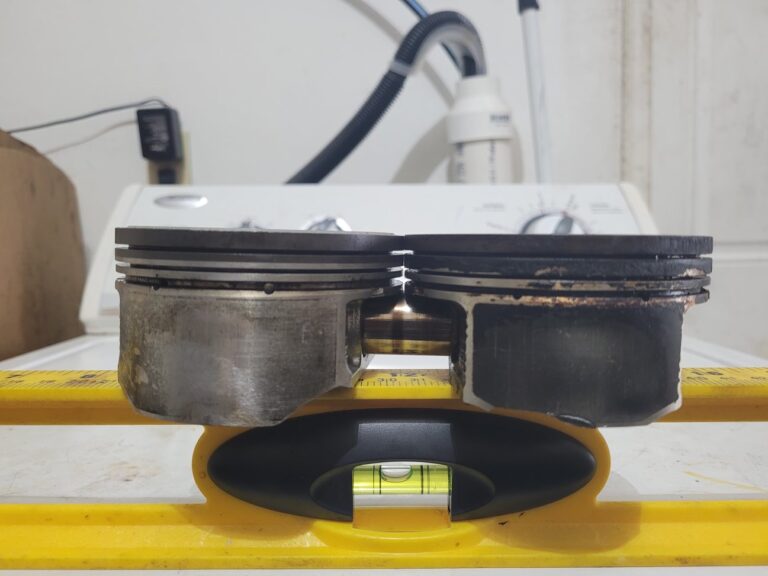
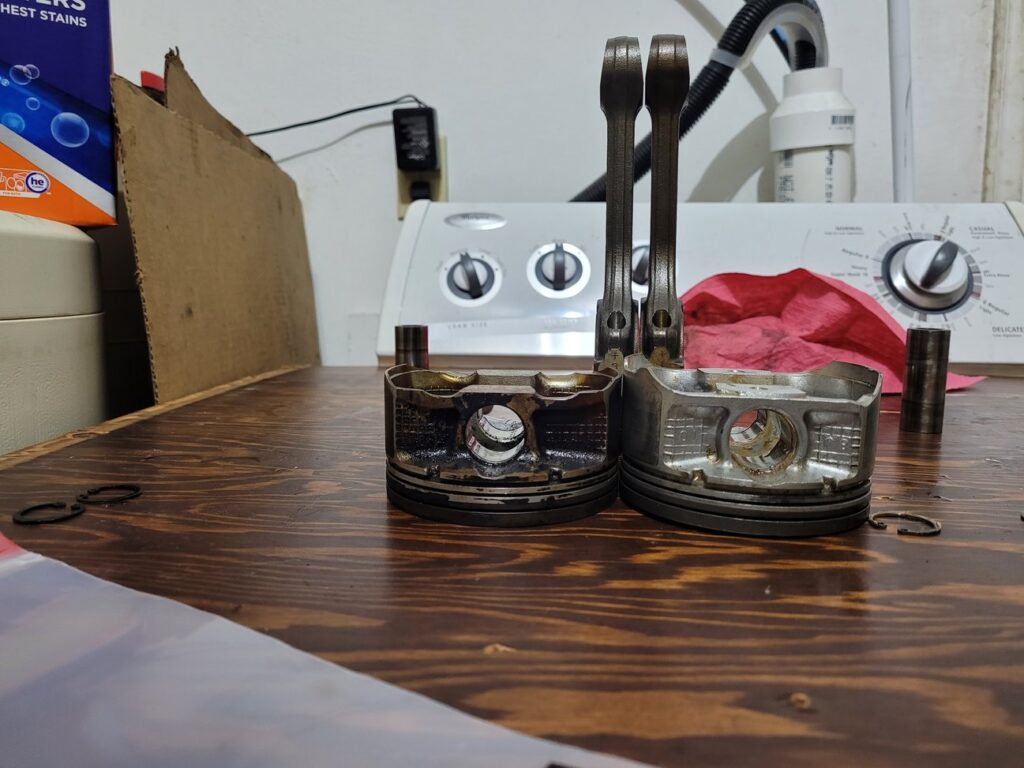
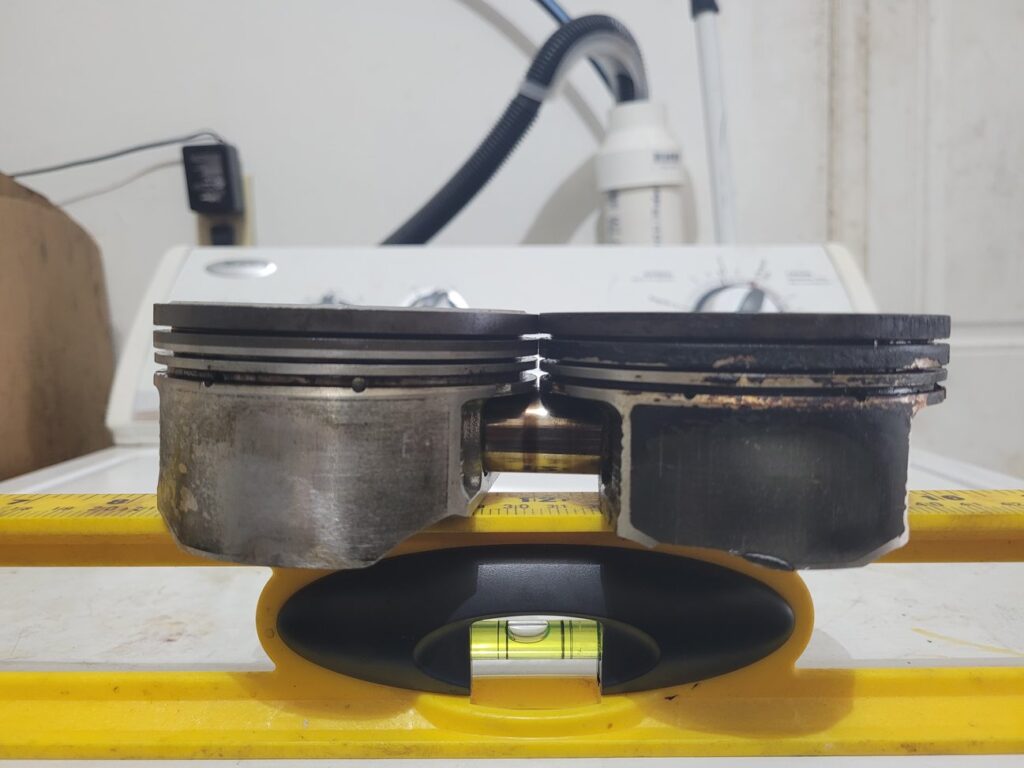
I came across a 2012 Maxima engine, but unfortunately it has a burned-up bottom end. I also have a good 2003 VQ35DE, and I was wondering if there’s any benefit to running a fresh set of 2012 pistons in the 2003 block, while keeping the ’03 rods.

For reference, the 2012 piston is on the left.

I got access to a scale and recorded the following component weights:

Pistons

  • 2012: 383.4 g
  • 2003: 396.4 g

Wrist Pins

  • 2012: 99.2 g
  • 2003: 105.7 g

Connecting Rods

  • 2012: 590.0 g
  • 2003: 589.3 g

The combustion height is the same for both pistons.

Loading

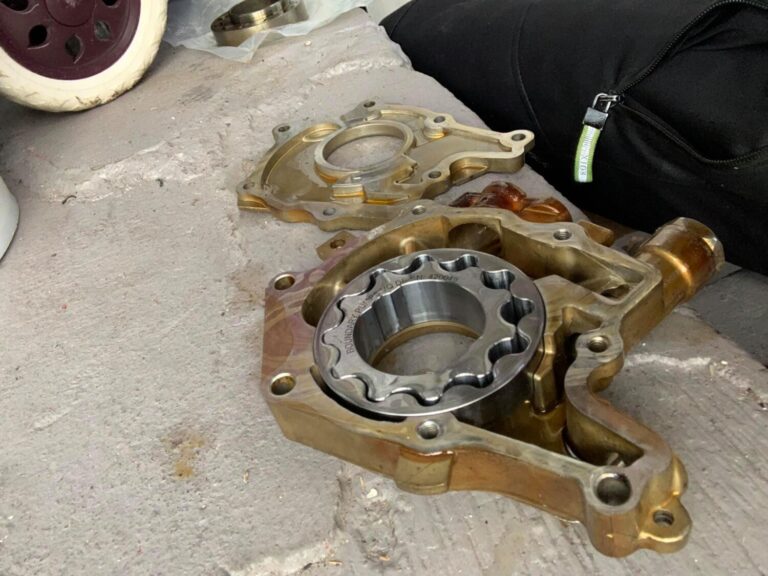
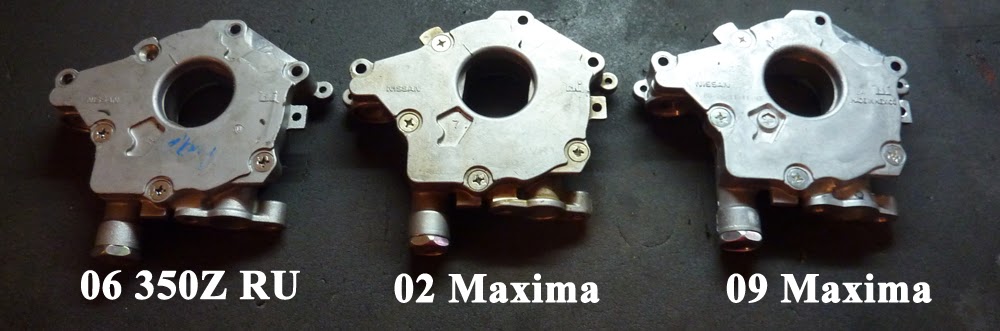
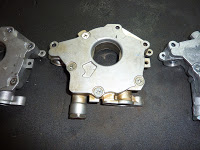
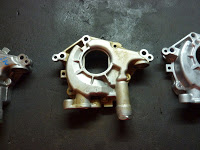
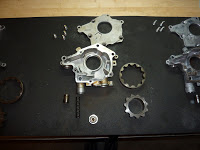
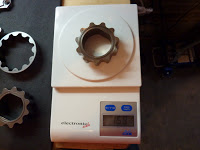
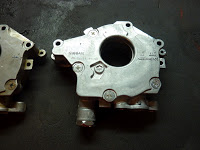
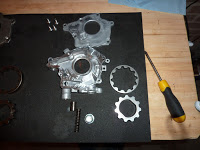
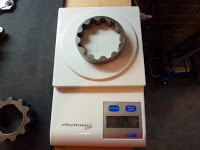
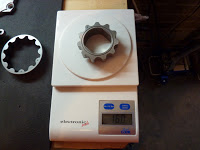
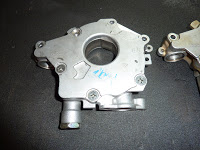
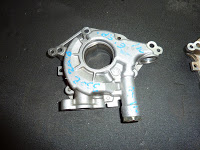
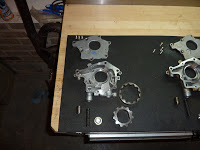
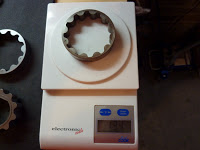
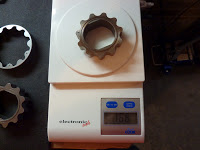
Credit: Nisformance We are comparing the 2009 Maxima oil pump, with the 2002 Maxima oil pump, and the 2006 RevUp 350Z.

Without having to take the 09 motor apart I decided to buy a new oil pump.  This is to find out what pump is in the Newer FWD VQ’s.

2002 Maxima Oil Pump

Outer Gear weight- 132 g
Inner Gear weight- 158 g

Has dots on the gears.
P/N 15010-8J101 $205.67

2009 Maxima Oil Pump

Outer Gear weight- 126 g
Inner Gear weight- 160 g

Has dots on the gears, Made in Mexico.
P/N 15010-7Y00A $31.17

2006 350Z RevUp Oil pump

Outer Gear weight- 134 g
Inner Gear weight – 166 g

Has arrows on the gears
P/N 15010-AC700 $183.64

Summary

The 2009 Maxima oil pump is $31.17! I was amazed by the price of this oil pump. All of the other VQ pumps range from 180-220. So why is this oil pump so cheap? Well the casting looks cheap with lots of flaws. One thing i noticed is there is a lot of play in the pump you can simply shake it and hear the gears hitting the case. Now this pump is brand new and the others are not. This 09 pump is the only one that has the “looseness” like that.

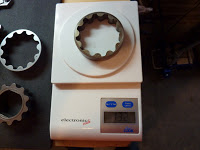
The weights are as follows:

02 Maxima O- 132 I- 158
09 Maxima O- 126 I- 160
06 ZRevUp O- 134 I- 166

All weights are in Grams.

As you can see the outer gear on the 09 has the biggest difference, this might be why the pump cost so little. The inner gear is not so big of a difference but its still 6g lighter than the rev up

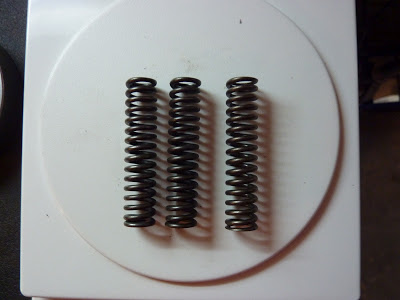
All of the springs look the same, they all have 15 coils. And feel the same but I don’t have any way to test the springs.

Left to right- 06Z, 02 Max, 09 Max.

Loading

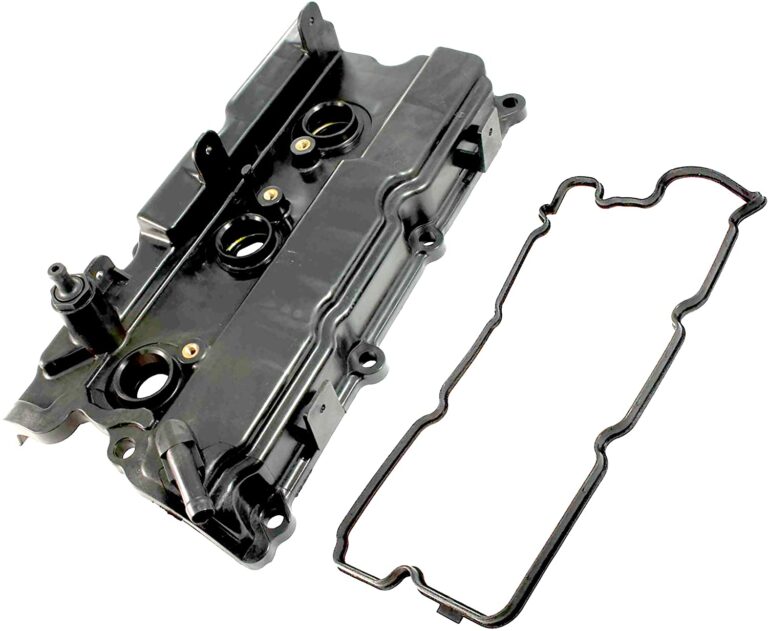
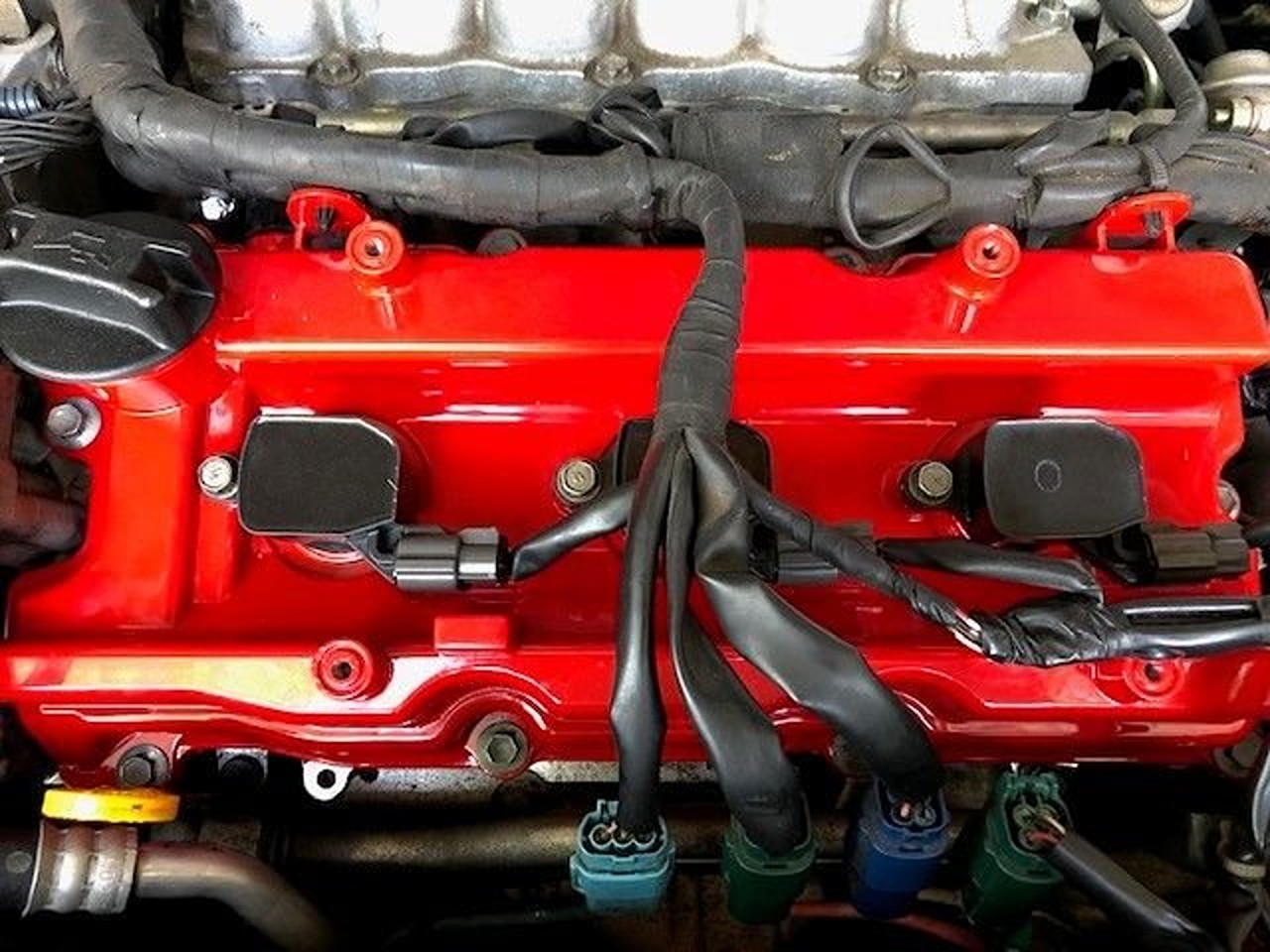
Of course, my ’02 valve covers are leaking at the spark plug tube seals, so I decided to upgrade. I went to the dealer and picked up a set of fresh ’04 3.5 Maxima valve covers.

Part Numbers (2004 Valve Covers):

  • 13264-7Y000
  • 13264-7Y010

Valve Cover Gaskets (required):

  • 13270-EA20A
  • 13270-EA21A

Bonus: The new valve covers come with a PCV valve already installed—so you can save yourself another $8. I didn’t realize that at first and ordered one separately, but at least I’ve got a brand-new spare now.


Loading