
Category

allGens

Category

Community Member Credit: nissancaraudio

The Bose system is made up of three components:

  • Bose Head Unit
  • Bose Factory Amplifier
  • Bose Stock Speakers

Lets go over the Bose head unit first:

The bose head unit has three distinct qualities that separate it from today’s common head units
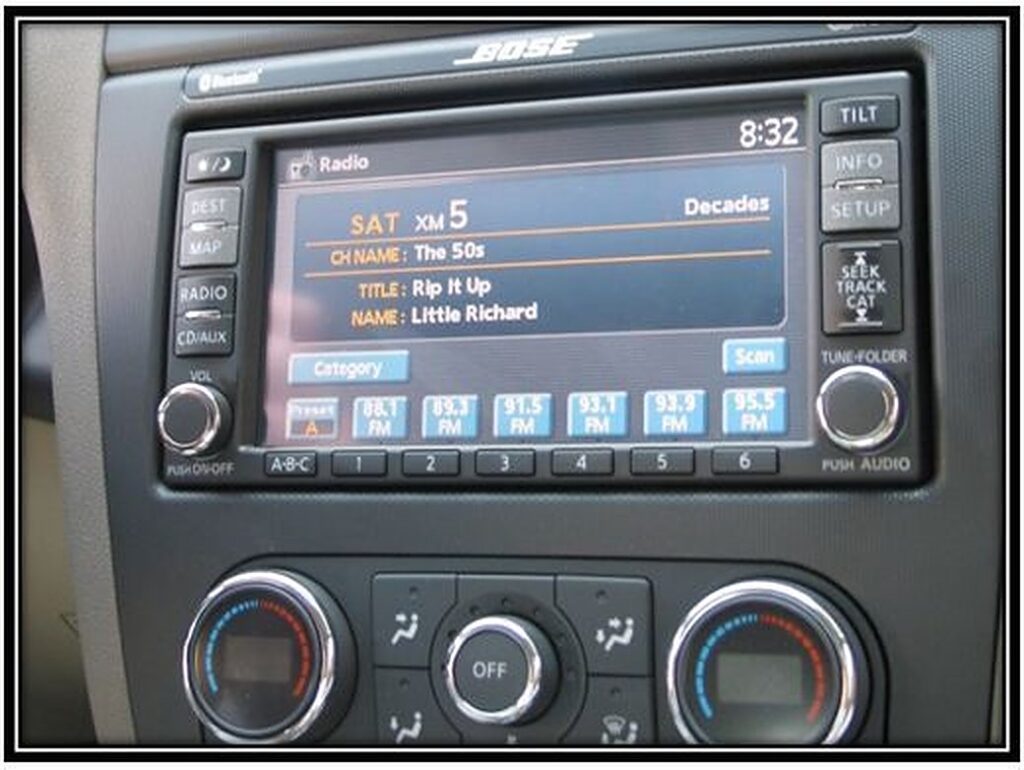
It has no internal amplifier. All standard car stereos have an amplifier inside of the head unit housing and actually, it’s more like a chip. This chip produces about 18 watts per channel into four speakers.

The Bose head unit has no internal amplifier chip instead the bose system has an outboard true amplifier hidden someplace separately inside the vehicle.

Bose does this because they are able to place a much bigger and more powerful amplifier in an area that would of have never been able to fit in the confines of the head unit housing. Bose amps are usually 22 watts per channel and has 5 channels of amplification, the extra channel is for the bose subwoofer.

Differential outputs

All bose head units output from the deck a differential balanced output. The advantage to this uncommon car stereo technology is noise rejection. The differential balanced outputs provide two equal but opposite versions of the musical signal (an inverted signal and a non-inverted signal) the bose amp has differential balanced inputs and that’s where the two versions are subtracted creating the cancellation of noise and as a result the bose system becomes noise free.

Aftermarket head units use standard speaker output technology

Built-in Volume Sensing EQ

The bose system is designed to make its speaker components sound the best it can with its propriety eq volume sensing system. This system limits bass output at higher volumes to protect its stock speakers, this is good news for the stock bose speakers but if you replace them with a higher quality pair, you will not get everything you paid for out of the new pair. not all bose systems have volume sensing eq built-in.

Factory bose amp

Eq setting

Looking at a standard amplifier you will notice that the amplifier gives you different options in tuning. The amp has adjustable cross-over filters such as high pass low pass and all pass. The standard amp even lets you decide on the crossover points for the filter setting.
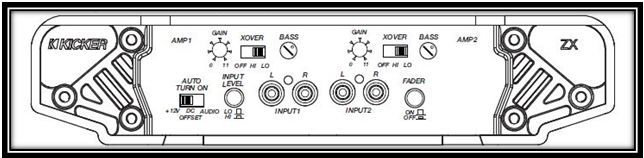
Bose amps have no user-adjustable buttons or switches to change, the networks for such are built into the amp’s circuitry. The crossover and filters are fixed on the setting that bose has deemed beneficial for the bose factory speaker.

Bose amp Impedance Level

Standard aftermarket speakers all come with a 4-ohm load resistance, every standard head unit amplifier is designed to take a four-ohm load and supply the speaker with about 18-22 watts RMS of power. The bose amplifier can only generate those types of power levels at an extremely low ohm resistance. So they create their bose speakers to be a low ohm load like 2 ohms and 1 ohm even sometimes a 1/2 ohm load. I believe bose does this just to piss us off. if you replace the bose stock speakers with an aftermarket 4-ohm model you will get only about half the power from the bose amp and the speakers will sound less impactful.

Bose Amp Input Signal

An aftermarket head unit has amplifier pre-outs for adding amplifiers to your system.

An RCA cable plugs into your head unit and runs down to and plugs into the input signal on an aftermarket amplifier.
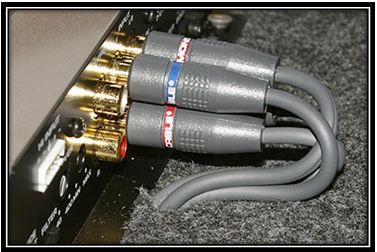
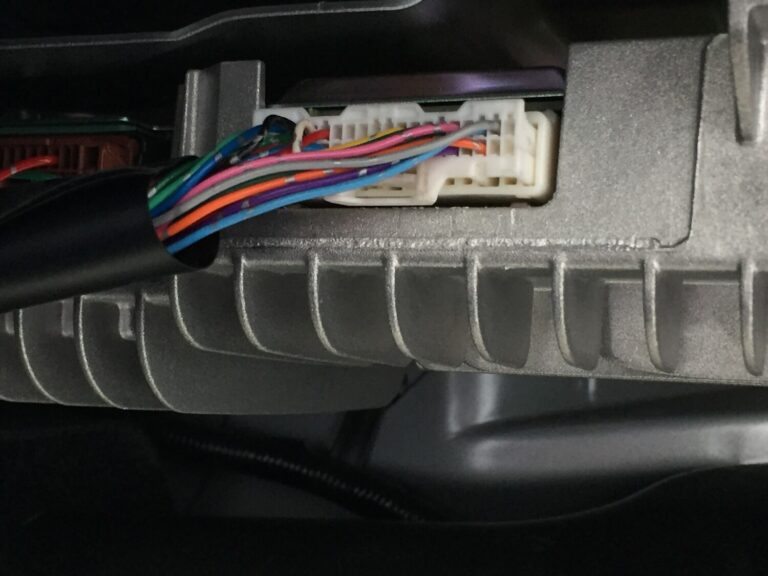
On a bose system you will not find any type of pre-outs for adding an amp. The bose uses a balanced differential unamplified speaker wire-out that runs out from behind the bose head unit and plugs directly into a bose amplifier via a Molex plug. These Molex plugs carry all the speaker outputs from the bose head unit.

Outputs of a Bose Amp

You may see one or two or three Molex connections on an amp of a bose system.

In these plug or plugs is the unamplified speaker signal along with power and ground wires coming from the bose head unit and also the amplified output from the amp to the speakers in the vehicle. Commonly found in the output harness is the tweeter left front, tweeter right front, mid-front left, mid-front right, rear left, rear right, and a sub. The speaker outputs are internally crossed and filtered by the amplifier.

Bose Speakers

The bose speakers incorporate a very low ohm impedance resistance common bose speakers are 2ohm 1 ohm and ½ an ohm. bose does this so it can extract as much power as possible from its amplifiers. To keep this simple the lower the speaker impedance an amp sees on its outputs the more power it can extract from its amplifier. This low speaker impedance can cause problems when trying to replace a bose speaker with a common 4-ohm speaker normally found at any retailer. since the common standard speaker is a 4 ohm model (not including subwoofers) it will extract significantly less power from the bose amp making the new aftermarket speakers have a drop off in volume output.

There are very few options when replacing a bose speaker, you can either scour eBay looking for another used speaker for your same exact vehicle (there are many different types of speakers for the bose system, finding an exact match can be daunting) or you can purchase the only known compatible speakers to work with bose speakers. The infinity kappa series.


Loading

Community Member Credit: Eddy

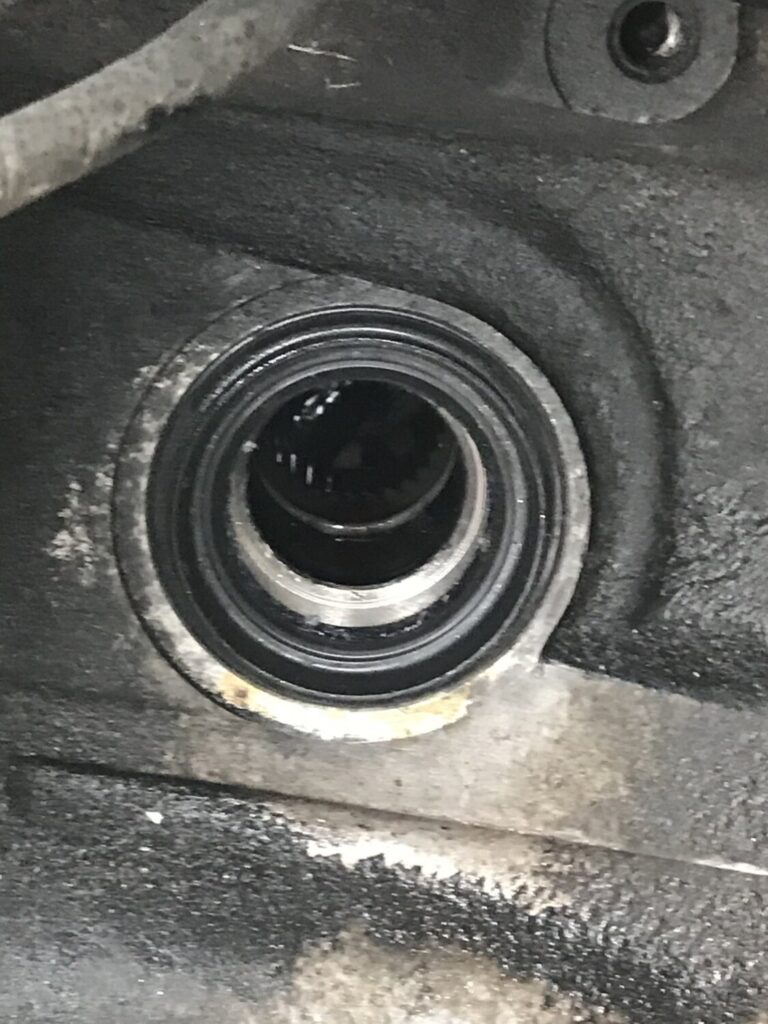
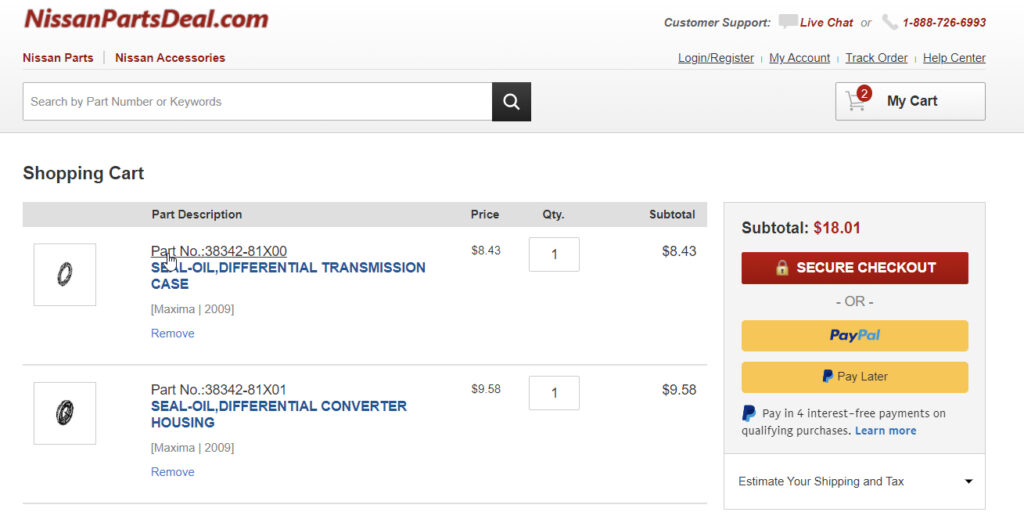
OEM Driver Side Part Number: 38342-81X00
Alternate Non-OEM Part Numbers: Timken / O’Reilly – 710118
Part Description: SEAL-OIL, Nissan Driver Side Output Shaft Seal / Differential Transmission Case
Price: $8.00-$9.00

OEM Passenger Side: 38342-81X01
Alternate Non-OEM Part Numbers: Timken / O’Reilly – 710124
Part Description: SEAL-OIL, Nissan Driver Side Output Shaft Seal / Differential Clutch Housing
Price: $8.00-$9.00

How-to Video

Loading

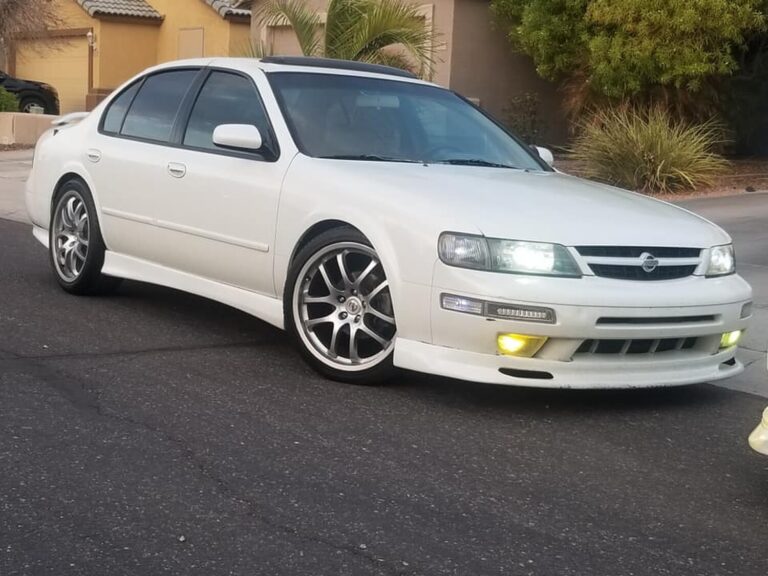
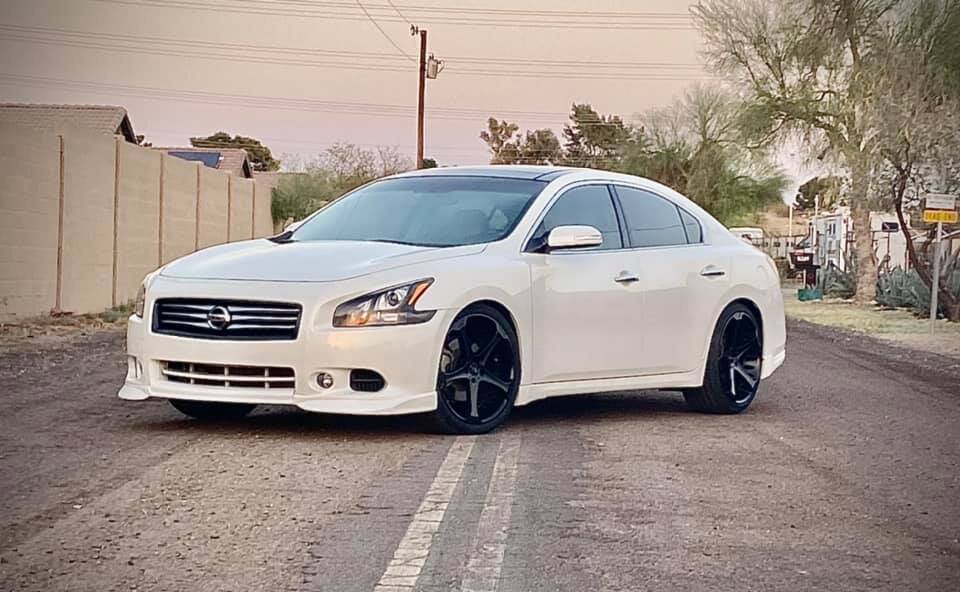
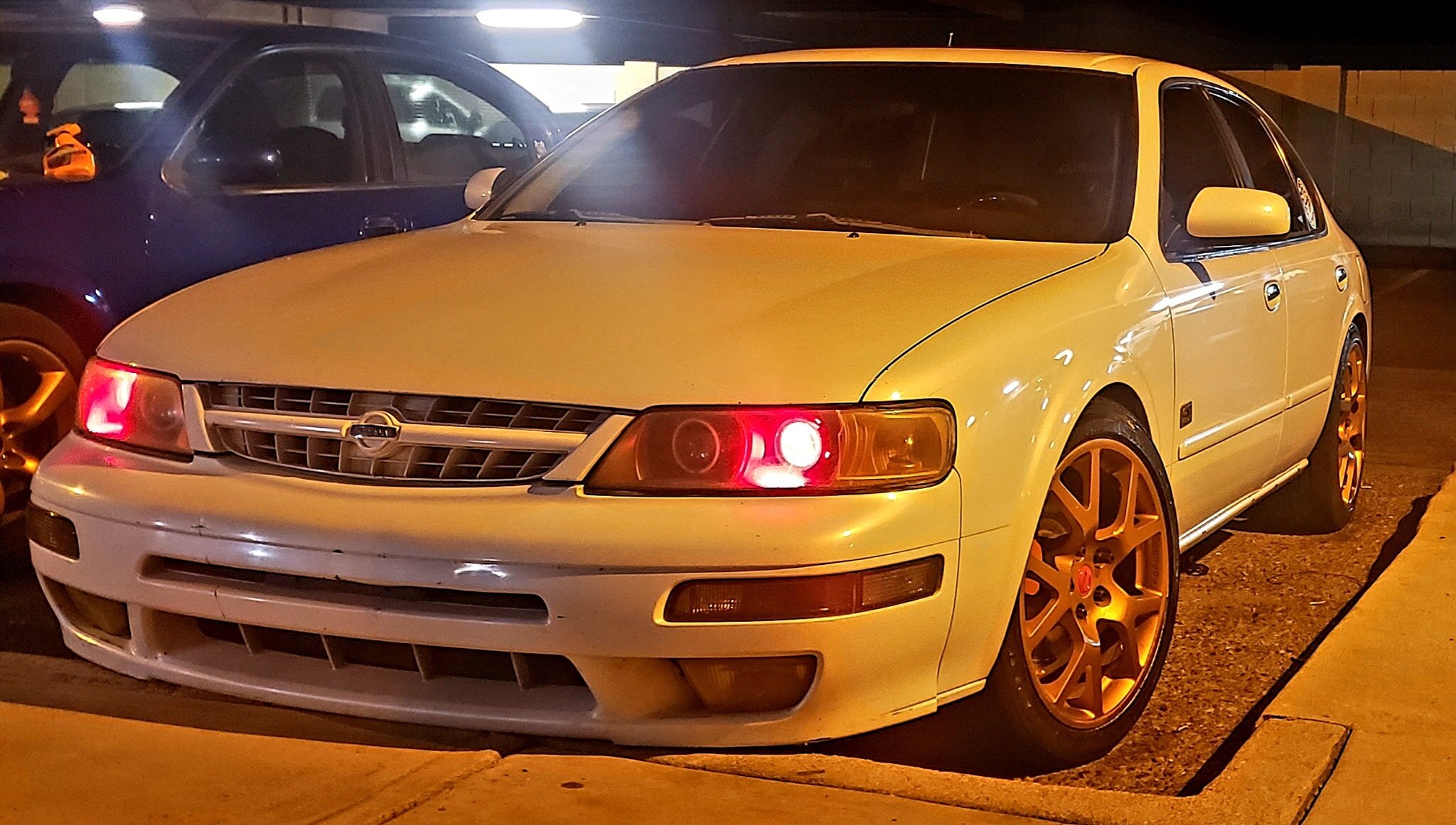
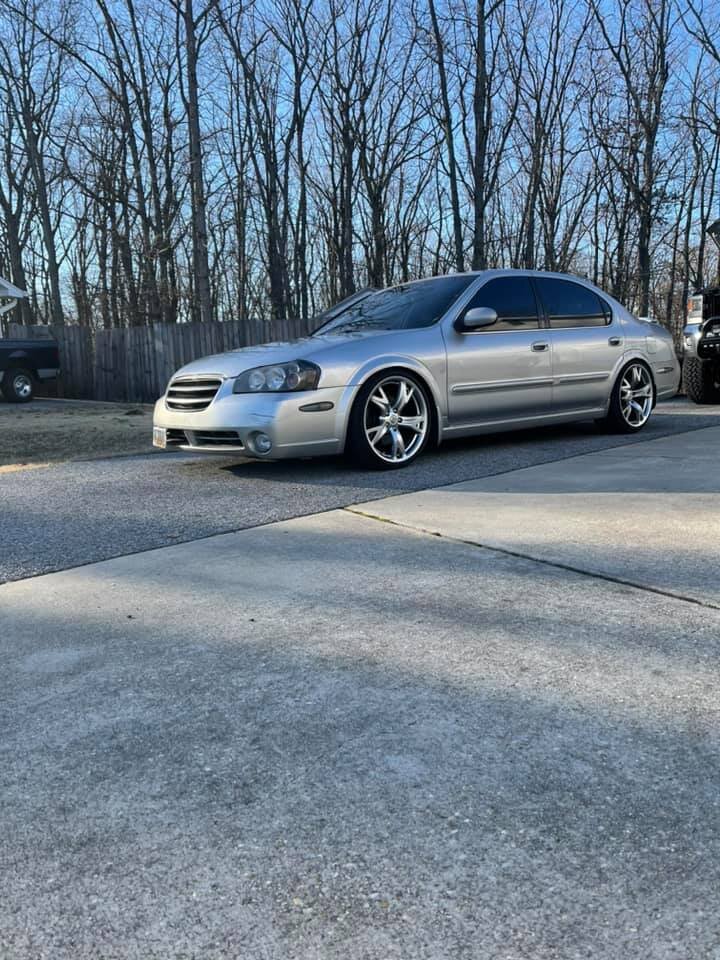
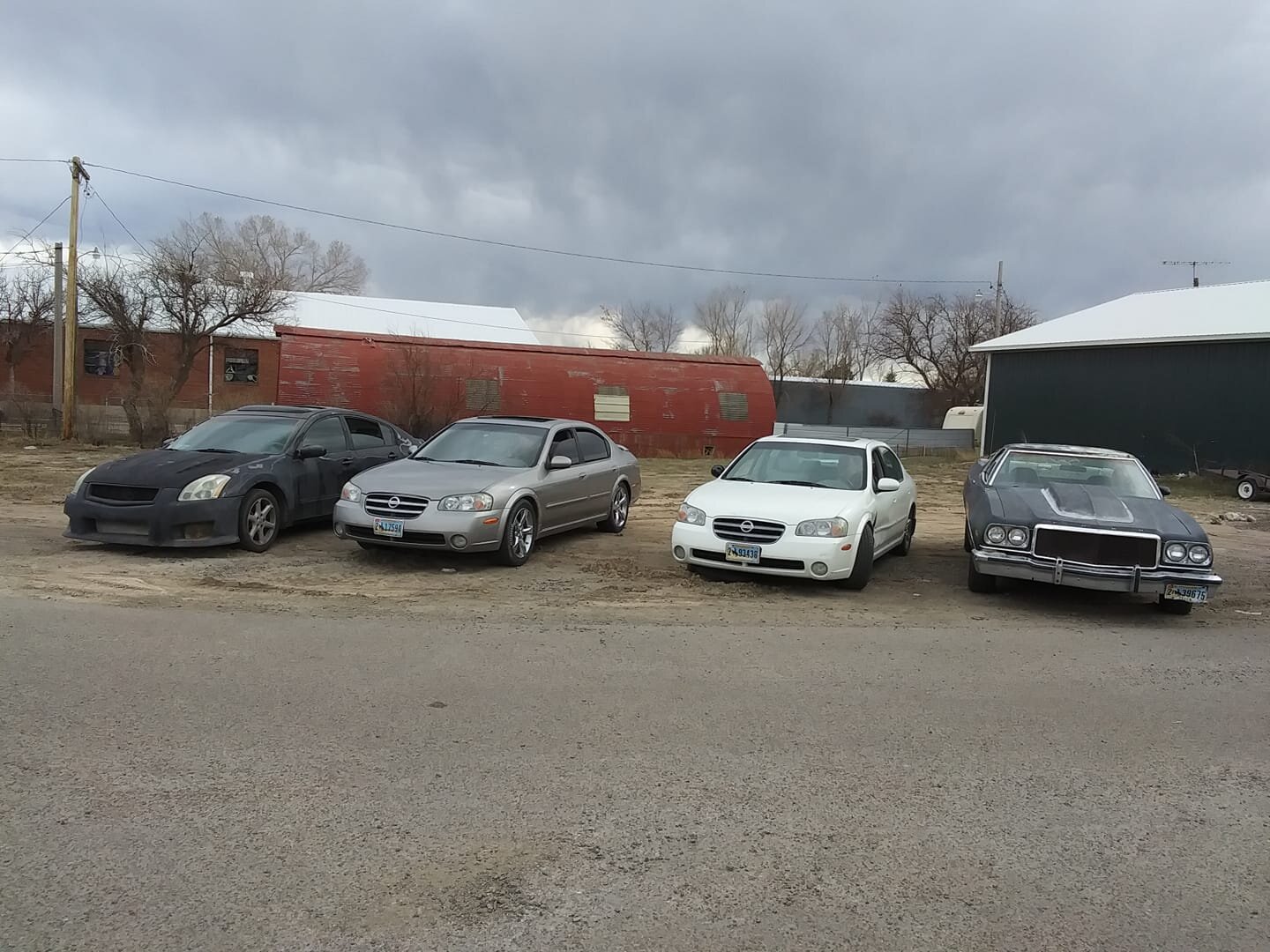
Photo Gallery of FB Group my4dsc.com – What Did You Do To Your Car Today?
Active Members – Sept 2020 Edition
Join Group Here

Loading

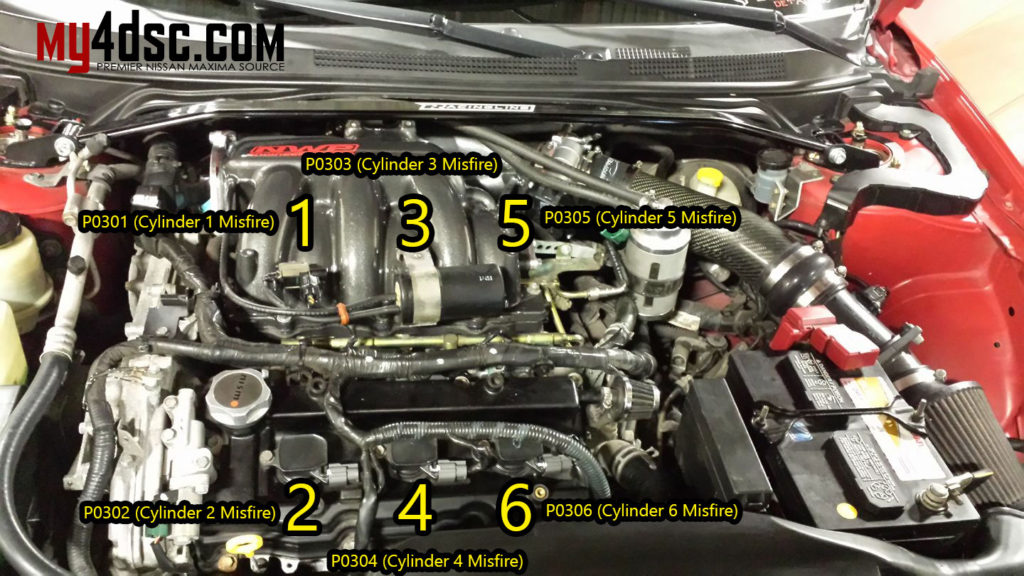
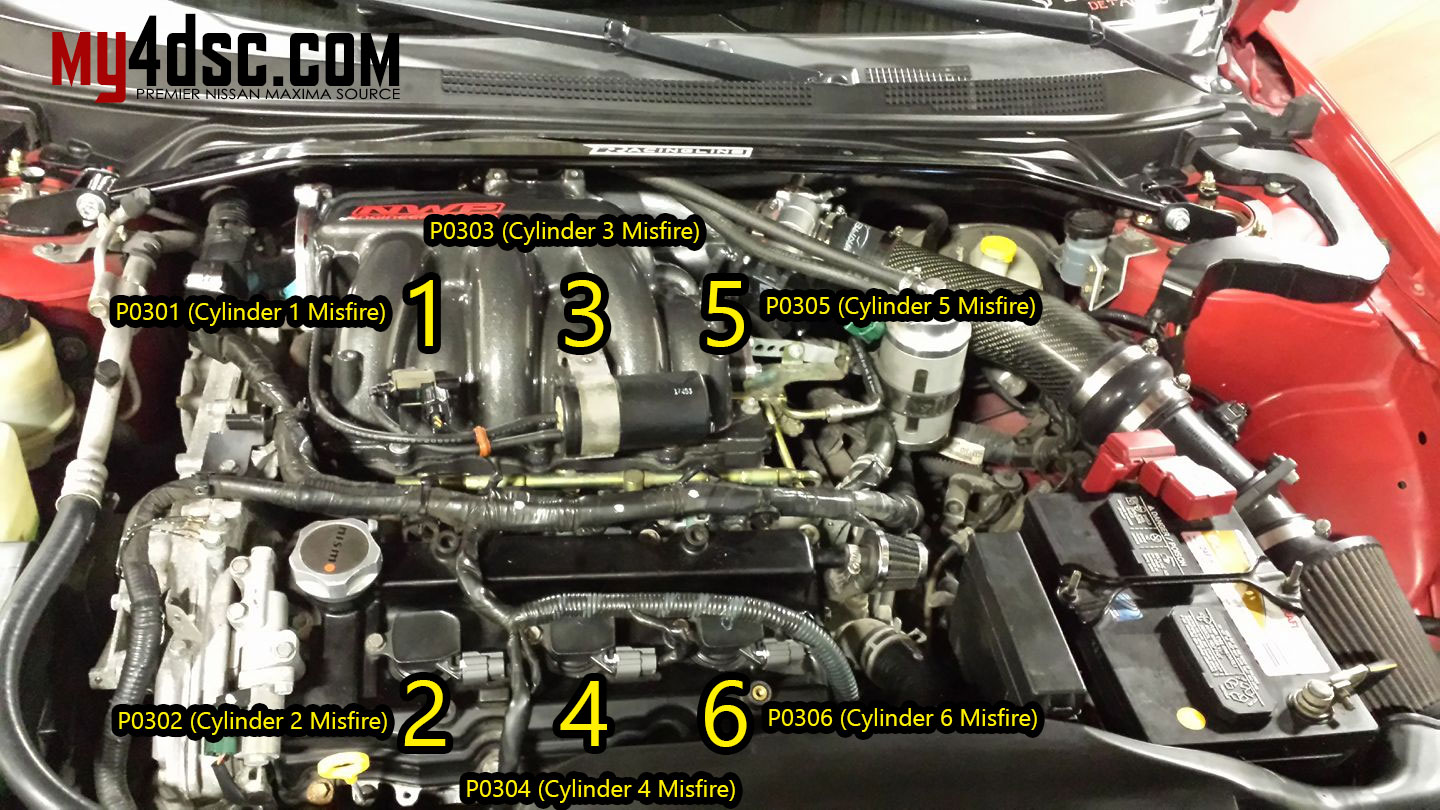
Reference photo of the VQ35DE Engine Firing Order for the Nissan Maxima. Very helpful when it comes to diagnosing P030x CEL Codes.

If you have a CEL for random misfire, below the common codes.

  • P0300 (Random Misfire)
  • P0301 (Cylinder 1 Misfire)
  • P0302 (Cylinder 2 Misfire)
  • P0303 (Cylinder 3 Misfire)
  • P0304 (Cylinder 4 Misfire)
  • P0305 (Cylinder 5 Misfire)
  • P0306 (Cylinder 6 Misfire)

FSM Photo:


Loading

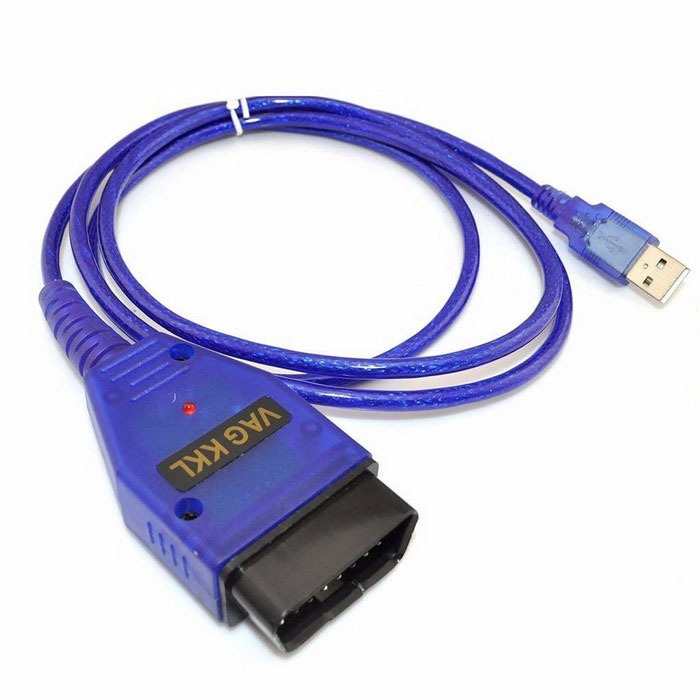
If you are DIY person and love working on your Nissan Maxima, then this tool is a MUST HAVE! When you go to the Nissan dealer, the person working on your car typically uses a tool called a Nissan Consult. The Nissan Consult that the dealer uses costs thousand of dollars and is only available to dealers. By using the Nissan DataScan software, a laptop and a generic VAG COM OBDII adapter you can achieve just about the same level of on-board diagnosis that $5,000 Nissan Consult provides. This software allows you to:
  • Check CEL codes
  • Check/Reset ABS and SRS-Airbag Faults
  • Check/Reset TCM Codes
  • Adjust timing
  • Perform Idle Air Relearn
  • Reset ECU learned settings
  • Data-log
  • Program keys
  • Check Emissions Readiness Monitors
  • Active Test temporary modify some of the engine parameters for testing purposes
  • And Much much more….

The software itself costs $55.00 and generic cable costs around $7.00-$8.00. 

Software License Purchase Link: Nissan DataScan II

Software Download Links:

OBD2 Cable Order Links: 

You can find the cables on eBay between $12.00-$20.00 shipped. It ranges based on location and shipping. Search for the following keywords on eBay and you will find it: “KKL 409.1 VAG-COM OBD2 USB Cable”

Below are all the functions it provides:

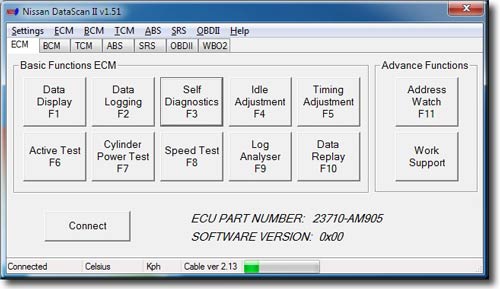
ECU Part Number

This is the main window of the NDSII software which shows the ECM Nissan Identification part number. Basic and Advance Functions can be selected by clicking on the buttons, using the shortcut keys (F1 – F11) or using the Menu bar. Most functions except Data Replay and Log Analyser are disabled until communication with the ECU is successfully established.

Progress bar at the bottom indicates communication between the ECU and PC. If the bar is not moving there is no data being received from the ECU.

Data Display Settings

This window is used to assign parameters to be displayed by the Data Display function. Only parameters that are supported by the currently connected ECU are available for selection. Gauges are counted from left to right, top to bottom. Multiple gauges can monitor the same parameter.

Data Logging ECM

Selected parameters can be logged to a file. This function can also be accessed from the Data Display window. The data log file can be analysed using the Data Replay or Log Analyser functions.

Self Diagnostics ECM

Self Diagnostics function allows users to read and reset engine ECU error codes.

Idle Adjustment

Idle Adjustment function allows users to adjust the base idle RPM. The setting is saved to the ECU and it does not reset with engine restart.

Timing Adjustment

Timing Adjustment function allows users to adjust the base ignition timing. The setting is saved to the ECU and it does not reset with engine restart.

Active Test ECM

Active Test allows users to temporary modify some of the engine parameters for testing purposes. They return to their original values when a function is stopped, PC disconnected or engine restarted.

Note: It is possible to damage the engine if the A/F Base % functions is used to excessively modify fuel delivery. Likewise the engine may overheat if the Engine Temperature is set to low for a long period of time. Do not use those functions if you are not sure how they will effect your engine.

Work Support

Work Support functions allow users to perform some of the advance service procedures. Those procedures may need to be performed after replacement parts are installed.

Clear Self Learn – clears the A/F Base SL map learned by the ECU.

Idle Air Volume Learn – is an operation to learn the fully closed position of the throttle valve.

Program Immobiliser Key – allows to register the Nissan transponder keys with the Immobiliser Note: The immobiliser security PIN CODE needs to be known. Initially all registered keys will be erased and all keys will need to be reregistered.

Cylinder Power Test

Cylinder Power Test function can be used to identify cylinder that is under performing. This function allows shutting down individual cylinders. If all of the cylinders are producing the same amount of power the engine RPMs will drop exactly the same amount on each cylinder that is cancelled.

Log Analyser is used to review log files previously generated by with Data Logging function. Graphs are drawn by selecting boxes next to parameter value. Graph colours match the parameter value colours.

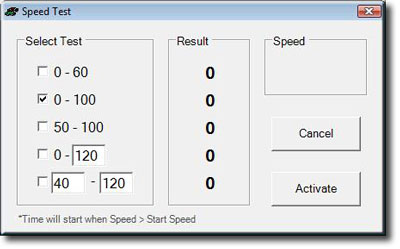
Speed Test

Speed Test is a unique function for measuring car’s acceleration performance. Predefined or user specific tests can be used. Due to the low resolution of Nissan speed sensors, measurements should only be used as a guide and not a true reflection of car’s performance.

Note: This function should not be used while driving on public roads.

Address Watch

Address Watch function is used for monitor specific ECU memory addresses. By monitoring a memory address extra information can be retrieved that is not normally available using Consult II protocol. A knock sensor reading can be obtain using this method if knock sensor memory address is known.

Wideband O2 sensor

Nissan DataScan II also supports wideband Air/Fuel ratio meters from Innovate Motorsports. A second serial port is used to connect to the controller and collect data.

The data from the wideband meter can be displayed or logged in conjunction with other engine parameters using the Data Logging function.

ECU Part Number BCM

The BCM tab shows the BCM Nissan Identification part number. Basic Functions can be selected by clicking on the buttons or using the Menu bar. All functions are disabled until communication with the ECU is successfully established.

Progress bar at the bottom indicates data being send between the ECU and PC. If the bar is not moving there is no data being received from the ECU.

Note: Some vehicles may use K line for diagnostics of engine ECU (ECM) but still use DDL1 line for diagnostics of other control modules. This software does not support diagnostics over the DDL1 line. Some of those models are: X-trail, Maxima, Patrol.

Self Diagnostics BCM

Self Diagnostics function allows users to read and reset BCM error codes.

Active Test BCM

Active Test allows users to temporally activate some of the functions of the BCM. This is usually used to manually test the functionality of the systems controlled by the BCM.

Note: Functions not supported by the BCM are disabled (grayed out).

ECU Part Number TCM

The TCM tab shows the TCM Nissan Identification part number. Basic Functions can be selected by clicking on the buttons or using the Menu bar. Most functions except Data Replay and Log Analyser are disabled until communication with the ECU is successfully established.

Progress bar at the bottom indicates data being send between the ECU and PC. If the bar is not moving there is no data being received from the ECU.

Note: Some vehicles may use K line for diagnostics of engine ECU (ECM) but still use DDL1 line for diagnostics of other control modules. This software does not support diagnostics over the DDL1 line. Some of those models are: X-trail, Maxima, Patrol.

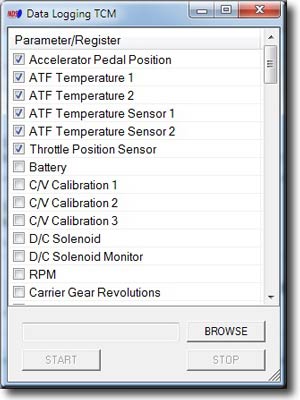
Data Logging TCM

Selected parameters can be logged to a file. This function can also be accessed from the Data Display window so the data can be logged while it is displayed. The data log file can be analysed using the Data Replay or Data Analyser functions.

Self Diagnostics TCM

Self Diagnostics function allows users to read and reset TCM error codes.

ECU Part Number ABS

The ABS tab shows the ABS Nissan Identification part number. Basic Functions can be selected by clicking on the buttons or using the Menu bar. Most functions except Data Replay and Log Analyser are disabled until communication with the ECU is successfully established.

Progress bar at the bottom indicates data being send between the ECU and PC. If the bar is not moving there is no data being received from the ECU.

Note: Some vehicles may use K line for diagnostics of engine ECU (ECM) but still use DDL1 line for diagnostics of other control modules. This software does not support diagnostics over the DDL1 line. Some of those models are: X-trail, Maxima, Patrol.

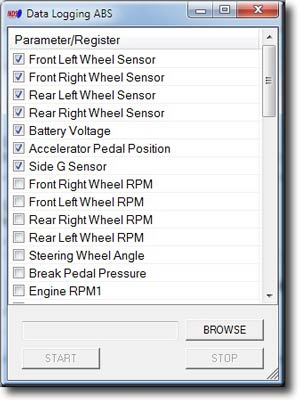
Data Logging ABS

Selected parameters can be logged to a file. This function can also be accessed from the Data Display window so the data can be logged while it is displayed. The data log file can be analysed using the Data Replay or Data Analyser functions.

Self Diagnostics ABS

Self Diagnostics function allows users to read and reset ABS error codes.

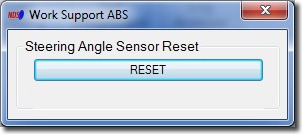
Work Support ABS

Work Support functions allow users to perform advance service procedures. Those procedures may need to be performed after replacing parts.

Steering Angle Sensor Reset – After removing/installing or replacing VDC/TCS/ABS control unit, steering angle sensor, steering components, suspension components, and tires, or after adjusting wheel alignment, make sure to adjust neutral position of steering angle sensor before running vehicle.

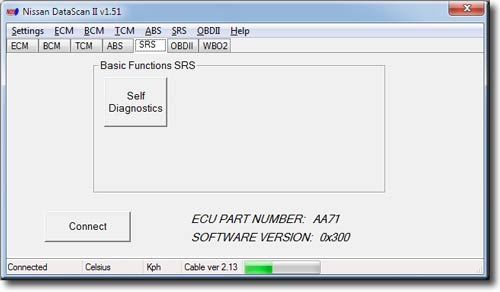
ECU Part Number SRS

The SRS tab shows the SRS Nissan Identification part number. Basic Functions can be selected by clicking on the buttons or using the Menu bar. All functions are disabled until communication with the ECU is successfully established.

Progress bar at the bottom indicates data being send between the ECU and PC. If the bar is not moving there is no data being received from the ECU.

Note: Some vehicles may use K line for diagnostics of engine ECU (ECM) but still use DDL1 line for diagnostics of other control modules. This software does not support diagnostics over the DDL1 line. Some of those models are: X-trail, Maxima, Patrol.

Self Diagnostics SRS

Self Diagnostics function allows users to read and reset SRS error codes.

Note: Recorded faults are historical and can not be cleared.

Work Support

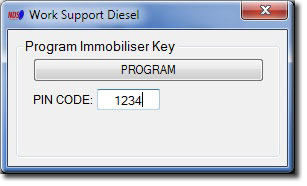
Work Support functions allow users to perform the advance service procedures. Those procedures may need to be performed after replacement parts are installed.

Program Immobiliser Key – allows to register the Nissan transponder keys with the Immobiliser Note: The immobiliser security PIN CODE needs to be known. Initially all registered keys will be erased and all keys will need to be reregistered.

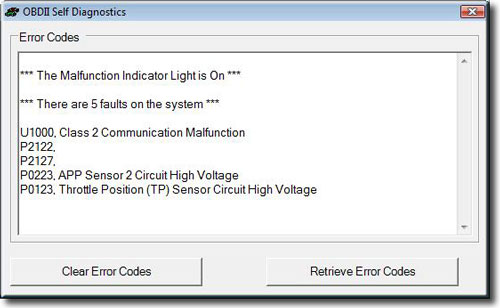
OBDII Self Diagnostics

OBDII Self Diagnostics function allows users to read and reset ECU error codes.

OBDII Monitor Status

OBDII Monitor Status shows the current status of various monitoring systems used by the car’s engine management system.

OBDII Log Analyser

Log Analyser is used to review log files previously generated by with Data Logging function. Graphs are drawn by selecting boxes next to parameter value. Graph colours match the parameter value colours.

OBDII Fuel System Satus

OBDII Fuel System Status can be used to check if the car’s fuel system is running in Closed Loop mode.

Fuel systems do not normally refer to injector banks. They are intended to represent completely different fuel systems that can independently enter and exit closed loop fuel. Banks of injectors on a V-engine are generally not independent and share the same closed-loop enablement criteria.

OBDII Data Logging

Selected OBDII parameters can be logged to a file. The data log file can then be analysed using the Log Analyser function.

Due to the slow nature of OBDII protocol it’s recommended to log only the required parameters.

Loading

Source Credit: Via Facebook

The car scene can be toxic.

Let me explain why…

Long gone are the days where you can build a car how you want it and not receive negative comments towards you and the car.

Buy a new exhaust? Too loud. Sounds like shit. Sounds like [insert instrument here]. Sounds slow. Why didn’t you go with ABC?

Post dyno numbers up? Fake numbers. You’re going to blow your engine up. Way underpowered. My car makes way more HP. Let’s race. Prove those numbers because they’re obviously fake.

Do some exterior/interior mods? HAHA! Wow that looks horrible. Why did you do that? Who does that to [insert your car here]?

There is no more respect in the car community. Everybody’s prerogative is to berate or throw negative comments at other people who are building/modifying/customizing their car to how they want it. They’re not customizing their car to make you happy.

If you don’t like what somebody posts up about their car, or shows off something they’ve done, why even comment? Why does it make you feel good to put other people down?

Why make remarks to make fun of somebody’s work? They probably thought about what they wanted to do, put in the time and money to do it, and now they have it.

It’s just a show of character on yourself when you can’t even say anything nice about what somebody has done.

It’s an equal show of your character if you make a react on a post that talks down or makes fun of somebody else.

Just let the person who is doing custom work be. Let them enjoy their car. No need to make stupid reacts to what he posts or berate/belittle them.

Be an adult. Act your age.

In the end, I’m going to continue to keep doing me, whether anybody likes it or not. I’m going to do what makes me happy, because in the end, being happy with whatever you decide to do with your car and your build is all that really matters. 💯

Copy and paste if you agree.

Loading

Member Credit: SGSash / onpointdyno

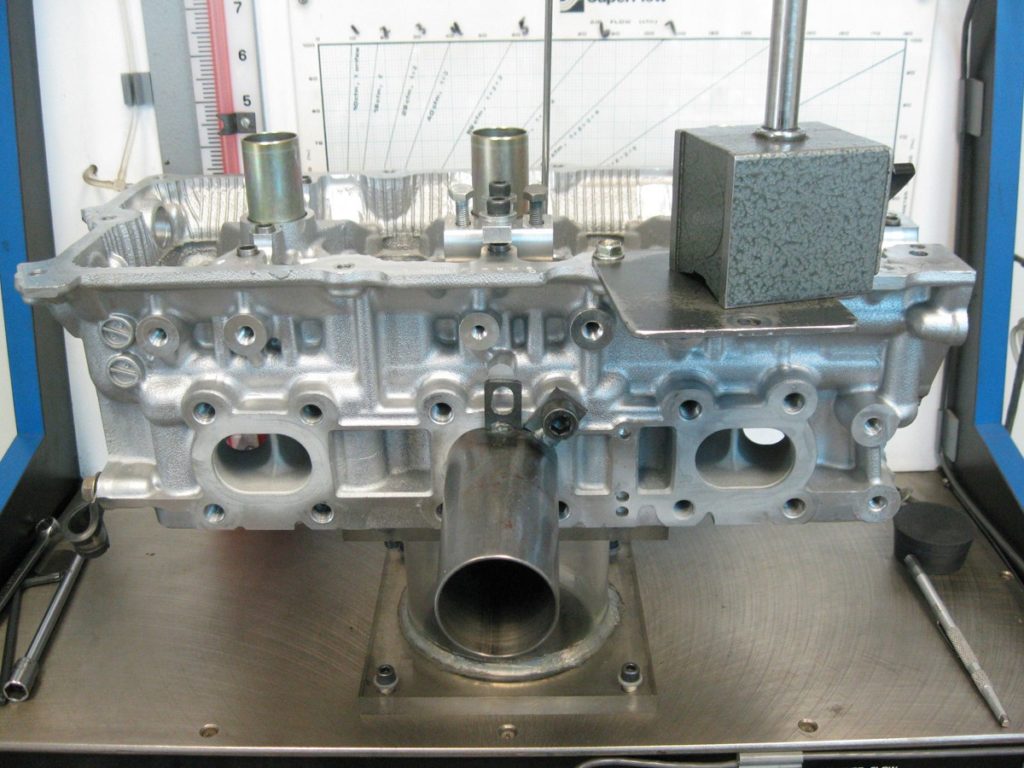
I just picked up my HR heads from Gord Bush who cleaned them up for me and flow tested them. We of course have previous numbers from the non-revup heads that I had Gord Bush port – so let’s compare! Visually looking at the HR heads you can see just how much bigger the intake port is than the non-revup heads, and the numbers prove it – the HR heads flow the same as the ported DE heads (in fact substantially more at low valve lifts). The exhaust doesn’t flow quite as well as the ported DE exhaust did, but it is still substantially better than a stock DE at high lifts.

Stock VQ35DE heads on the flow bench, very similar looking to the HR exhaust ports

Stock DE intake ports on the flow bench, substantially different than the HR

One reason the exhaust flows less at low valve lifts may be due to the fact that the HR has smaller valves. While this may be counter intuitive to those of you that go out there and buy the biggest valves you can, a smaller valve shrouds the combustion chamber less, and in-fact promotes flow at higher lifts. My imagination tells me you want the smallest valve and biggest port you can get away with, without overheating the valve.

Once these HR heads are ported, we should be able to get a decent bit more exhaust flow and hopefully crack the 400whp barrier with shorter intake runners and exhaust runners.


Loading