


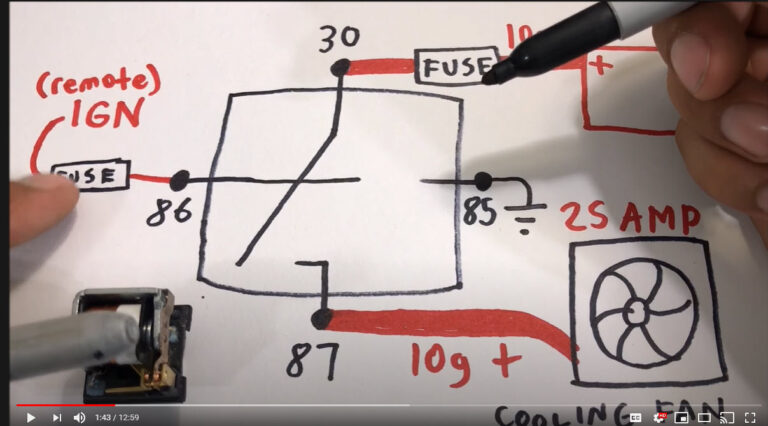
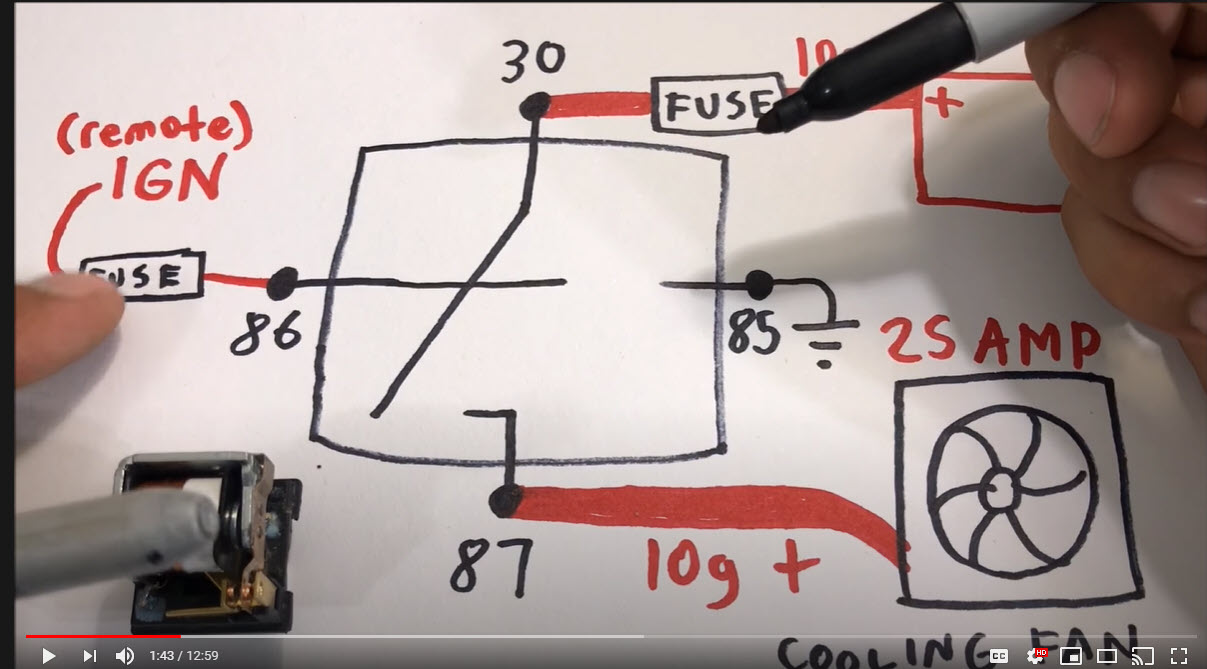
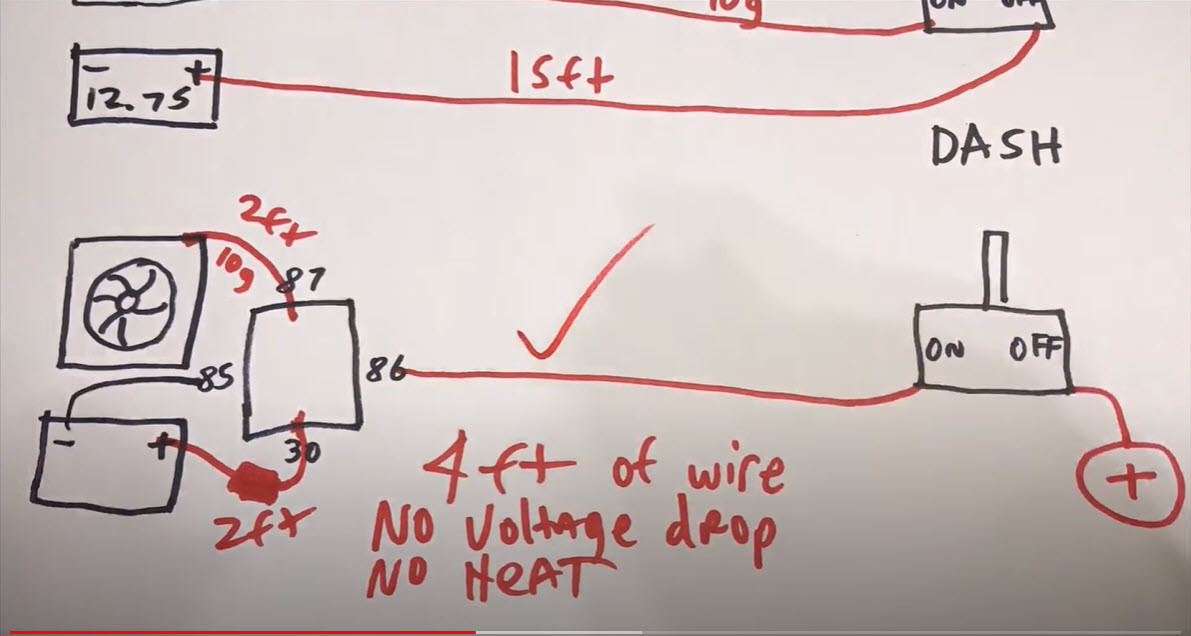
This is an awesome video explanation on Automotive Relays. Many Nissan Maxima members like to install high-performance cooling fans. If not properly installed using a relay, you can risk burning the wiring out. This has happened to us various times. The video below will help you understand how to do it correctly.
Member Credit: Matt Riney
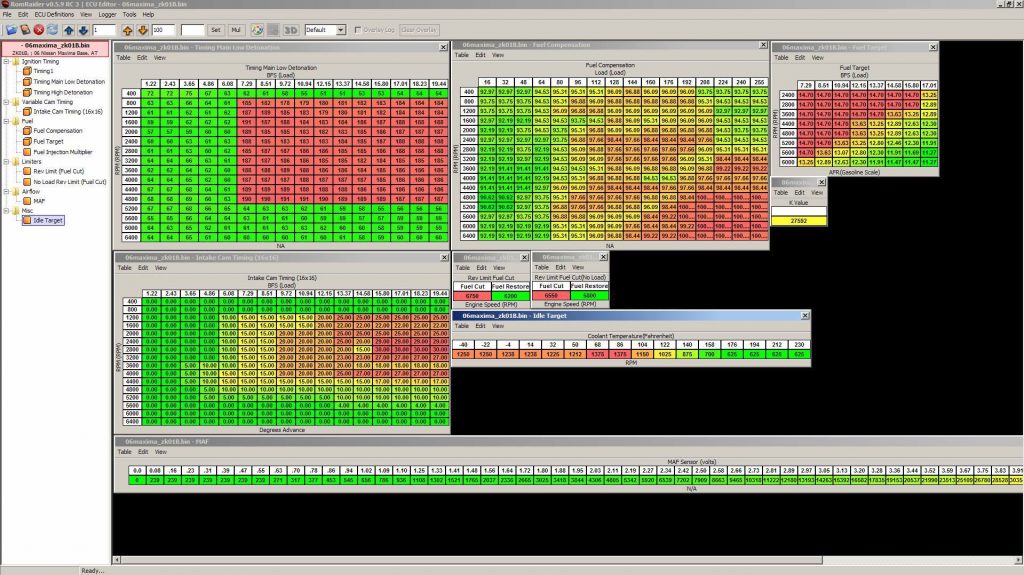
For all you hardcore Nissan/Infiniti enthusiasts, there is finally an open-source solution that allows you to modify and flash ECUs! With a $10 VAG-KKL cable, you can basically flash your own ECU and tune it your to personal comfortable without breaking your wallet. The average tune costs roughly $600+ these days. Since you’re modifying the ROM yourself, there’s no vendor lock-in and you are free to do what you need and want. Great for those who have knowledge of tuning and want to tune their own vehicles!
Applicable Vehicles:

Links to Tool/Software that you will need (Click links to Download):
Below are helpful videos on installing and running Rom Raider, along with dumping a Nissan SH7055 ECU with the Nisprog/Npkern software.
Most gasoline Nissan / Infiniti ECUs from ~ 2002 onwards share very similar ECU hardware, based on SuperH microcontrollers manufactured by Renesas (previously Hitachi). This project supports ECUs that use the OBD-II “K line” signal for diagnostics communications.
The process is carried out entirely over the OBD-II “K Line” serial communications link through an undocumented set of manufacturer-defined extensions to the standard ISO14230 protocol. Recently, the necessary commands have been reverse-engineered revealing the required steps:
The basic kernel is an implementation of an ISO14230-compliant protocol with extensions. It implements the following requests:
The basic reflashing kernel will support gasoline ECUs with:
Host computer:


There are several important points to be aware of when using Nisprog:

When looking for parts, you usually refer to them as driver side or passenger side. However, there are often times where all you see is either an “LH” or “RH“. While it may seem self-explanatory, there are some people who get it confused and end up ordering the wrong parts. So here’s what they mean (for USA based vehicles):
Example: The fender below says RH. This means it’s for the “Right Hand Passenger Side”.

Credit: Rene aka https://www.youtube.com/user/carsnwomen91
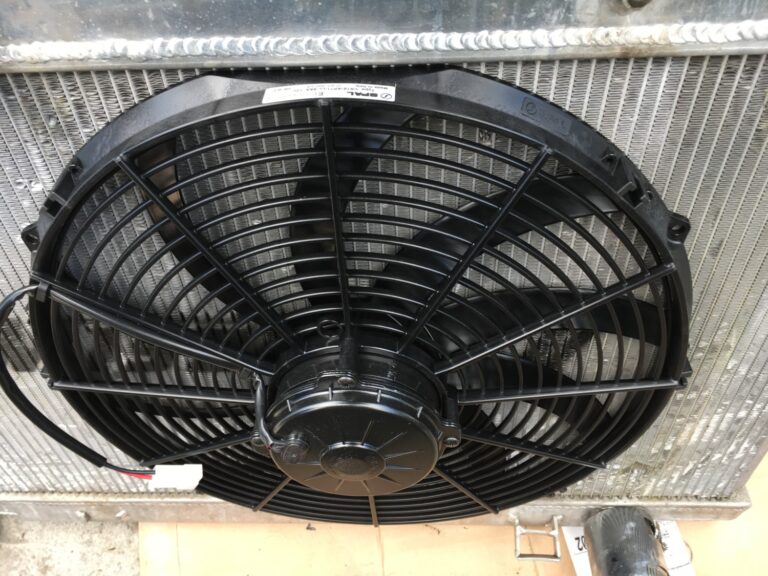
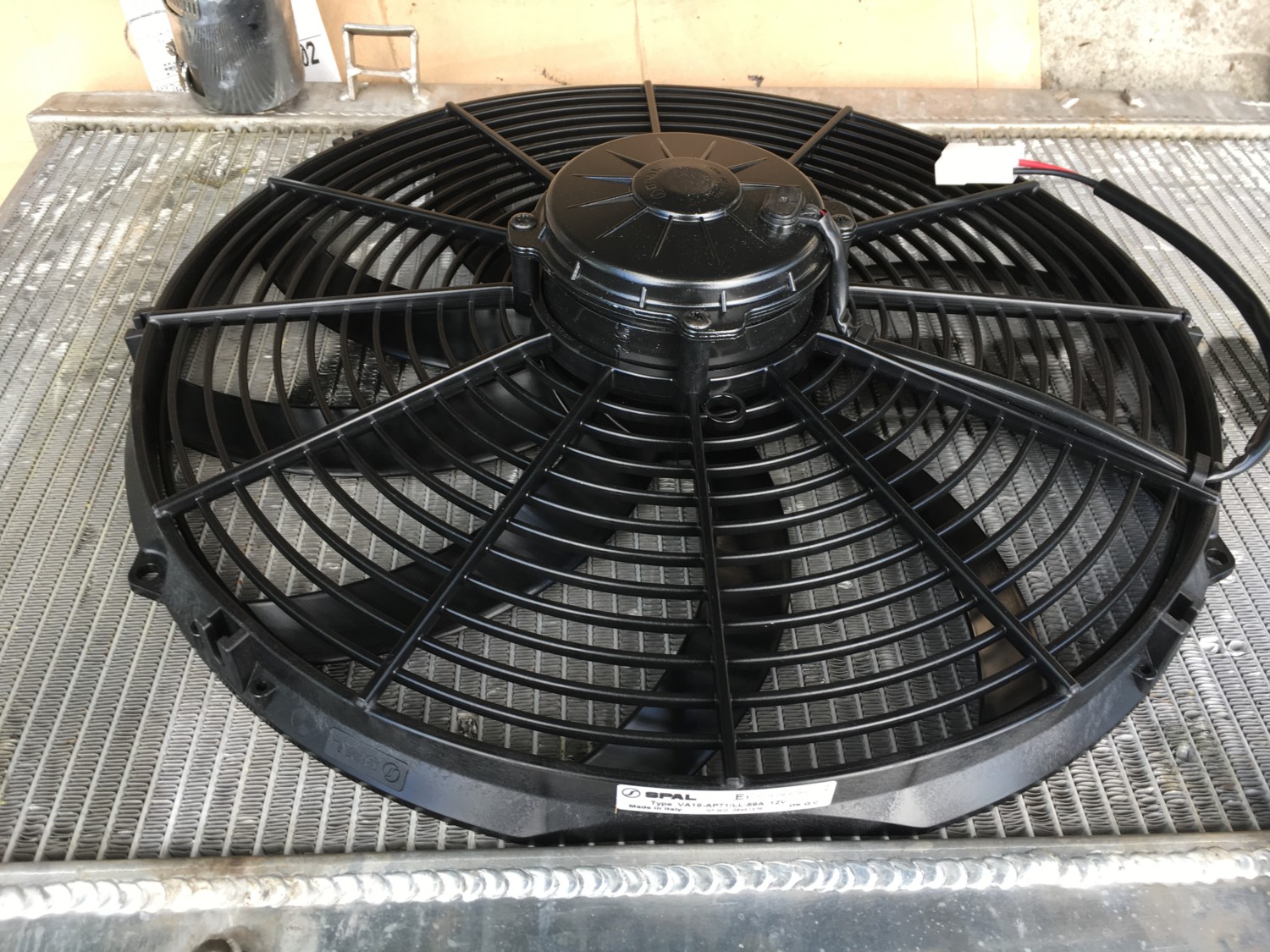
This post if for folks looking to install SPAL Fans into their Maxima. These are quality high-speed fans that are great for both N/A and Boosted Setups.
We designed the SPAL fan wiring harness to enable the simplest installation of our performance fans. It is compatible with all types of vehicles and can be installed on positive or negative ground vehicles with no modifications
When installing electric cooling fans, it is important to cover as much surface area as possible. Mount the fan as high up on the core as possible. Attach the fan to the small area around the core of the radiator where there is a metal lip that is approximately 1/4″ to 3/8″. This will allow mounting of the fan(s) without compromising the core of the radiator.
Mount the relay in a secure place in the engine compartment away from heat sources. Once this is completed, connect the wires per the diagram and notes below.
Installing the Thermostat Switch:
The sensor has 3/8″ pipe thread. The thermostat supplied with the kit is an OE type that is designed to mount in the cylinder head of the engine. However, any mounting in water jacket is suitable. The 195FH sending unit comes on at 195 degrees and off at 175 degrees. The 185FH module turns on at 185 degrees and off at 165 degrees. The modules will work on the majority of applications. If a different size adapter is needed, the correct size thread adapter can be found at most automotive parts or hardware stores (1/2″ adapter included in the kit) . Do not use Teflon tape on the sensor it can cause poor electrical contact and incorrect temperature readings.




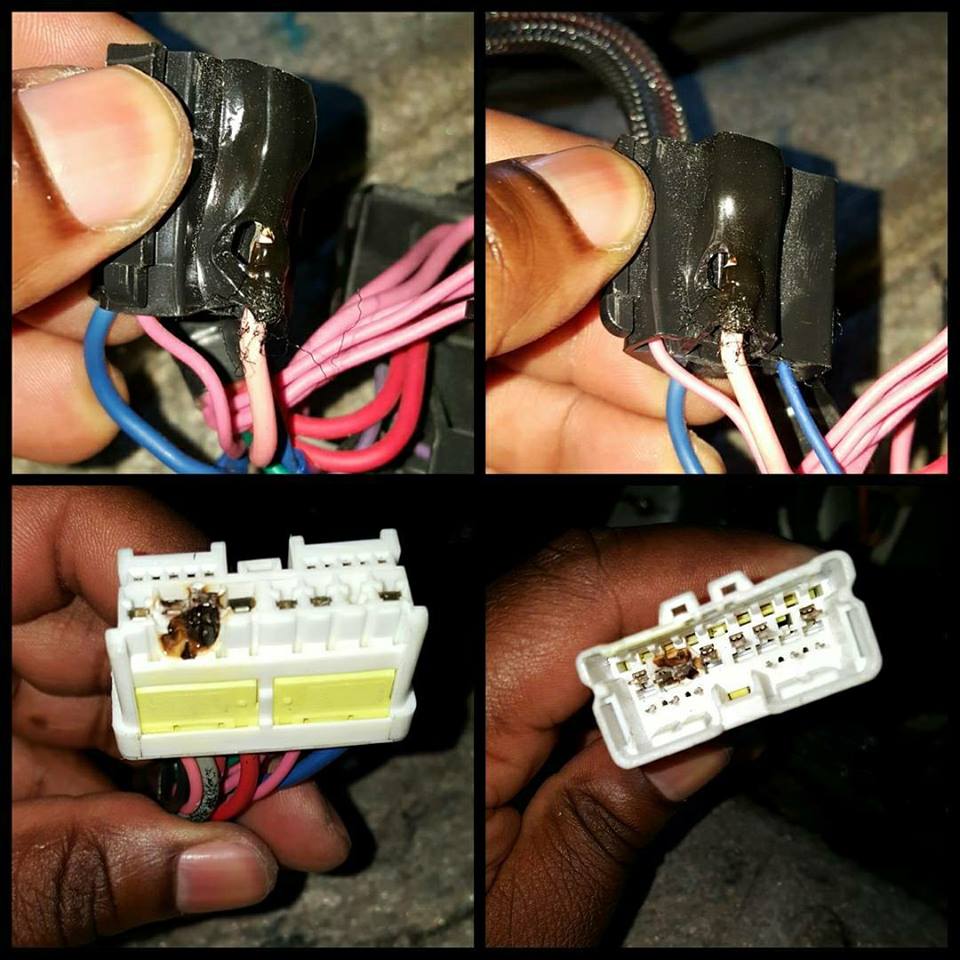
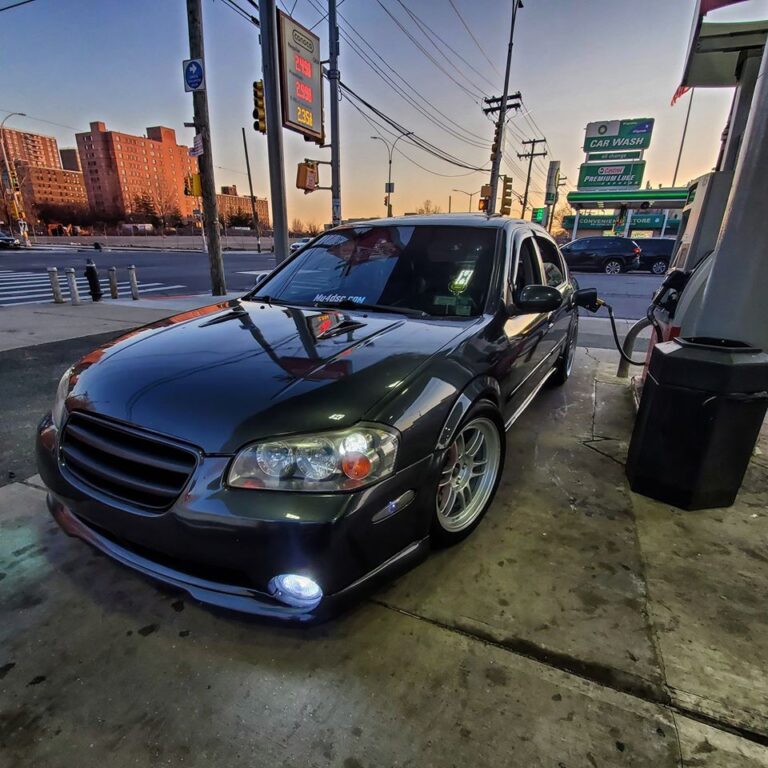
If you don’t use a good relay like the one above, this will happen (Photo Courtesy of Javon Bennet)
Original Music Credit: TrixXx (Brian B.)
I was finally able to get a hold of Brian who made this song back in 2009 for the Maxus09 event. I couldn’t find it for years. But here it is. This deserved its own official post.
Thanks Again Brian.

If you are reading this article, you are very likely trying to resolve P0420/P0430 without having to spend a lot of money on the issue. Most of the time, the codes are due to a bad clogged catalytic converter or bad O2 sensors. Before replacing the O2 sensor, be sure to do the spacer fix modification first because O2 sensors are not cheap.
There aren’t usually any drivability issues associated with these codes. For most people, the first sign that anything is wrong at all is the check engine light. Below are the typical check engine lights you would normally get:
You can eliminate the codes by using a spark plug non-fouler which tricks your engine computer to think that everything is working fine. This simple trick will pull the O2 sensor away from the exhaust flow and the computer will think the Catalytic converter is working properly. This will work if you remove the catalytic converter or have a bad cat. It’s very simple and cheap to do. Below is a video on how to perform the fix:

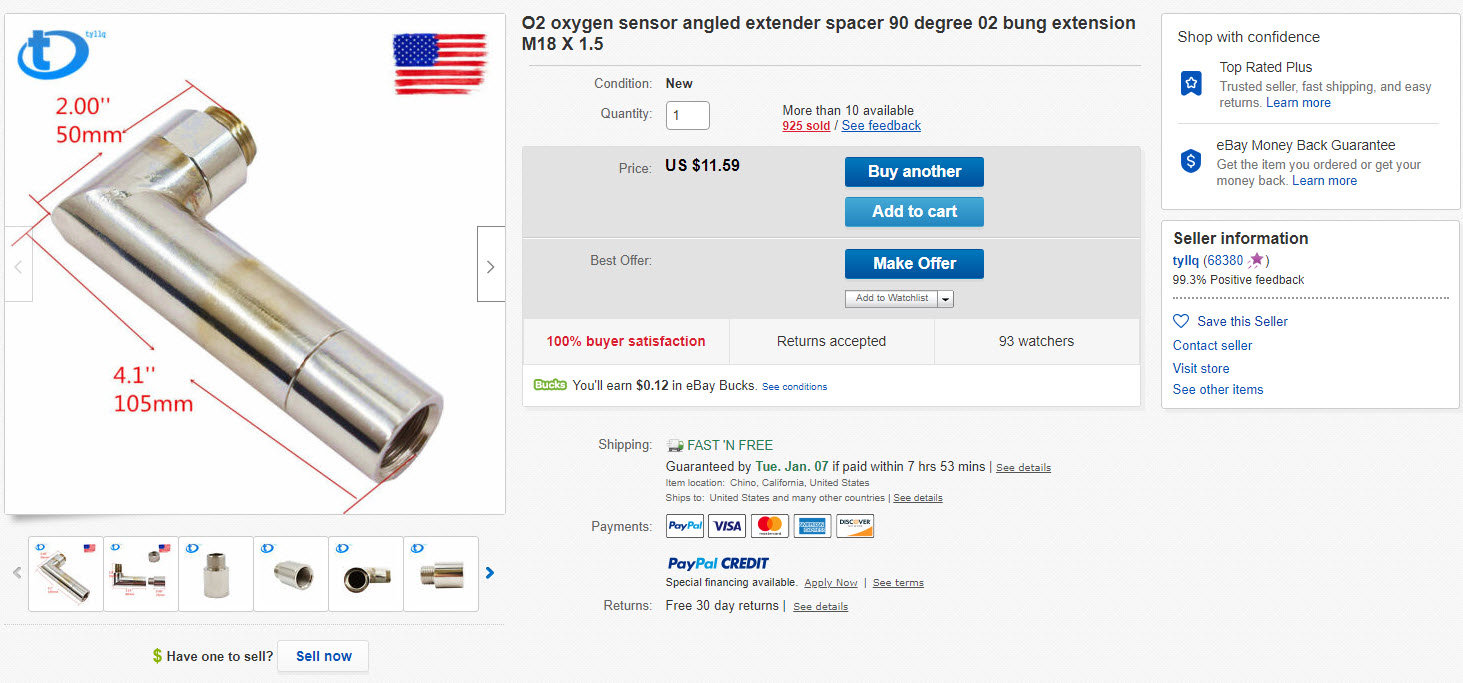
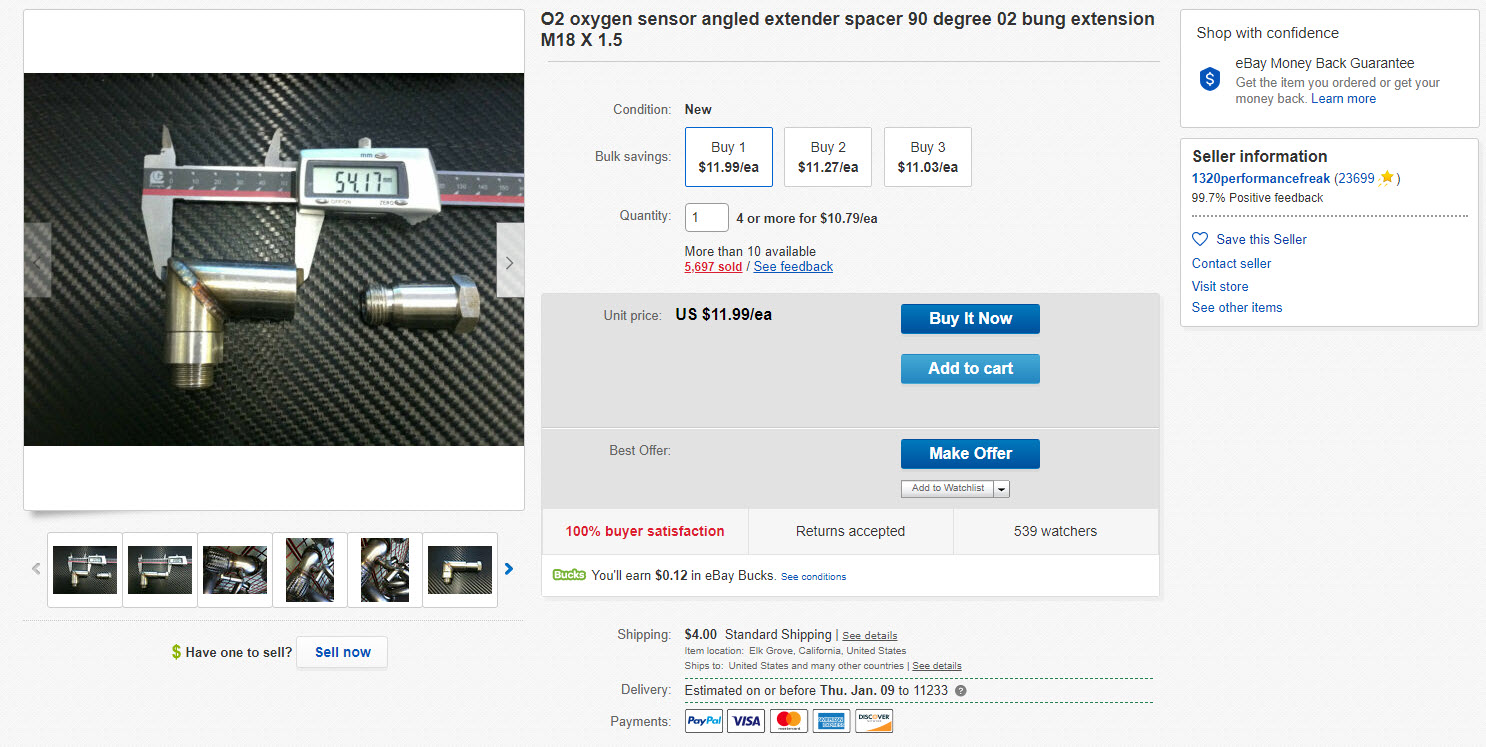
You can buy these non-fouler spacers at your local parts store. You can get them from Advanced Auto or Autozone for about $7-8 bucks.

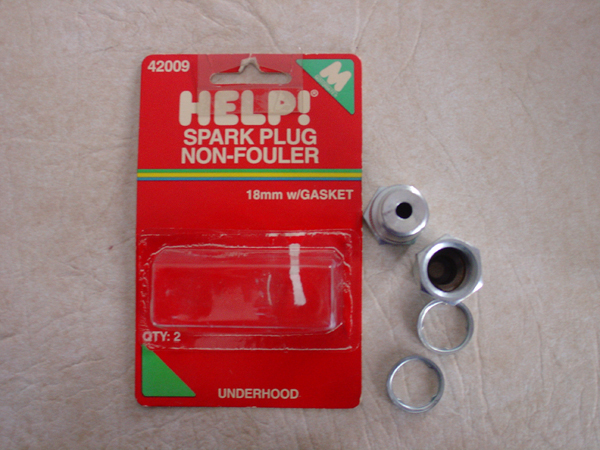

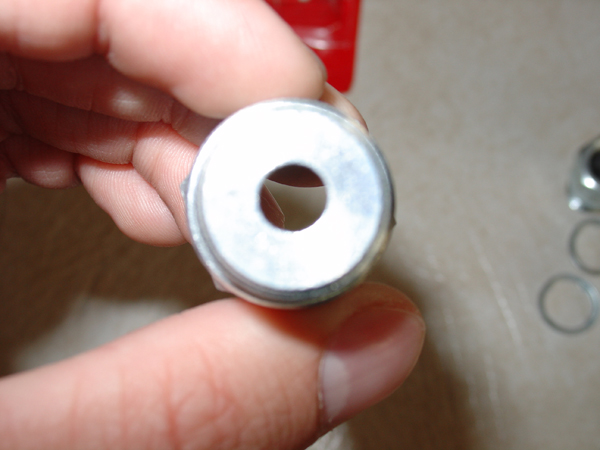
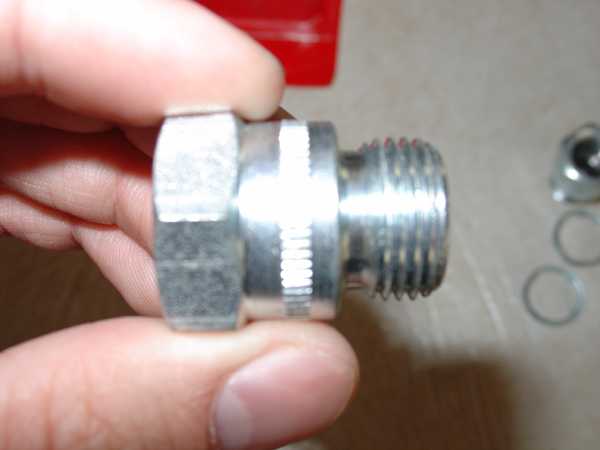
You now need to drill out 1 of the non-foulers using a 1/2″ drill bit. When finished this is what it will look like.


O2 Sensor inserted in the modified non-fouler

Second, unmodified non-fouler now installed on modified non-fouler, then threaded into the pipe

Below are photos of the spacers installed and 100% working on Nissan Maximas by generation. After installing the spacers, the CEL codes went away.



Member Credit: xlack
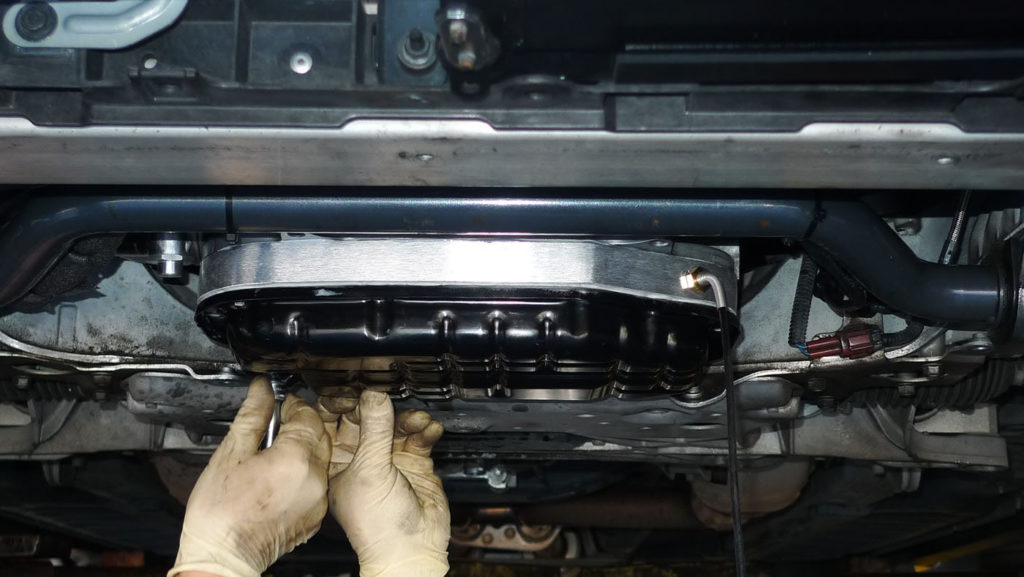
This is from a G37 but the procedure pretty much identical to Nissan Maximas.


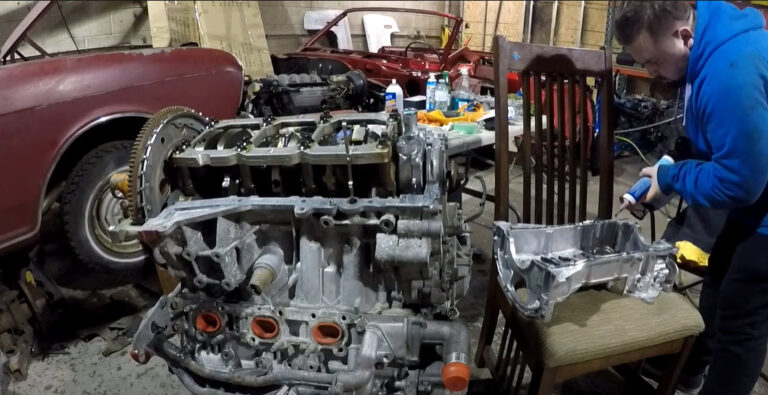
OEM Oil Pan completely stripped of silicon residue:

JWT Oil Pan Spacer:

New silicon applied:

Brush used to remove silicon remains: 


This bolt has to be bended in order for the oil pan spacer to fit. (guy from 370z forum had it cut off, but is not necessary):


Bolt is knocked back into position: