Owner: Vasilios Ioannis Mihalos
Year: 2003
Model: Maxima
Color: Charcoal
Engine: Gen2 VQ35DE
Transmission: 6-Speed Manual




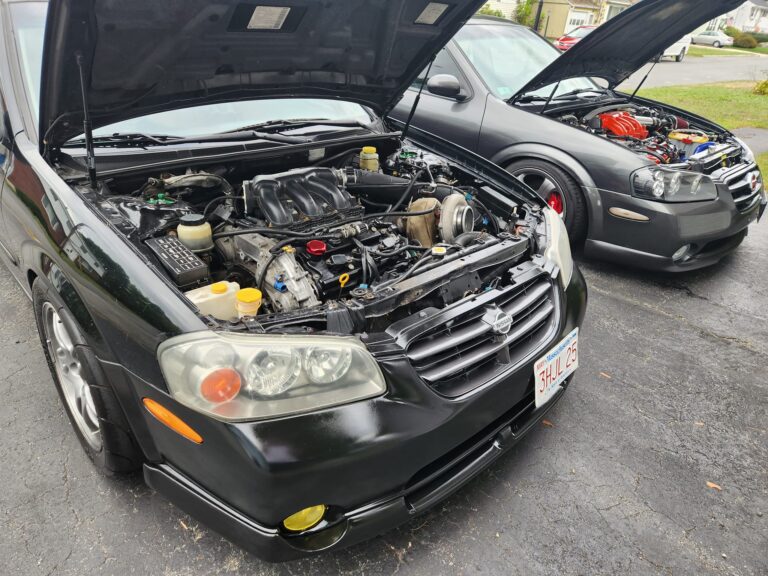
Owner: Vasilios Ioannis Mihalos
Year: 2003
Model: Maxima
Color: Charcoal
Engine: Gen2 VQ35DE
Transmission: 6-Speed Manual
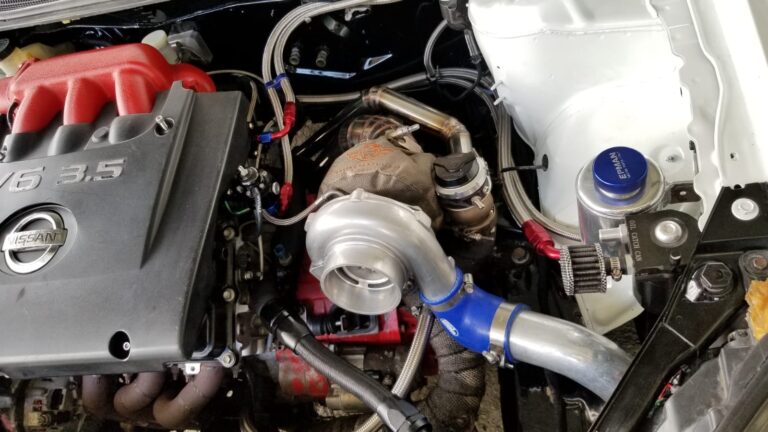
Community Member Credit: Davidson Nicholai Francis



Owner: Malik Fortune
Year: 2003
Model: Maxima
Color: Charcoal
Engine: VQ35DE
Transmission: 4-Speed Automatic


Credit: Eddy
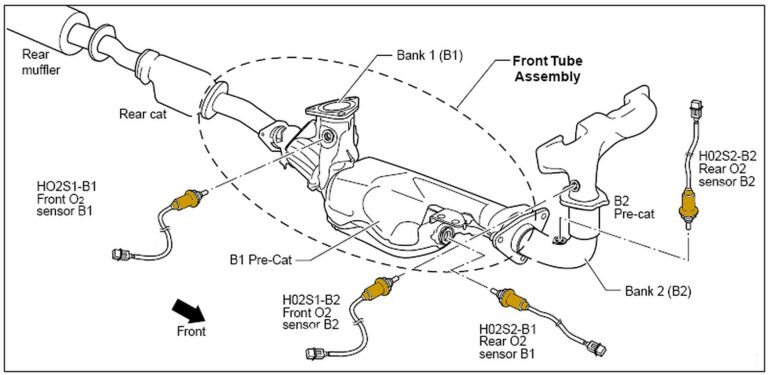
The Nissan Maxima was made in FEDERAL and CALIFORNIA specs all the way through 2001. However all Maxima’s starting in 2001 were built to California specs. This was to align to the latest National Low Emission Vehicle (NLEV) EPA regulations.
This just basically means that all 2001 Maxima’s has 4 O2 sensors. Two upstream that monitor A/F ratio and two downstream that sit behind the pre-cats to monitor them.



The mixture ratio feedback control system monitors the mixture ratio signal transmitted from air fuel ratio (A/F) sensor 1. This feedback signal is then sent to the Engine Control Module (ECM). The ECM controls the basic mixture ratio as close to the theoretical mixture ratio as possible. However, the basic mixture ratio is not necessarily controlled as originally designed. Both manufacturing differences (i.e., mass air flow sensor hot wire) and characteristic changes during operation (i.e., fuel injector clogging) directly affect mixture ratio.
Accordingly, the difference between the basic and theoretical mixture ratios is monitored in this system. This is then computed in terms of “injection pulse duration” to automatically compensate for the difference between the two ratios.
“Fuel trim” refers to the feedback compensation value compared against the basic injection duration. Fuel trim includes short term fuel trim and long term fuel trim.
“Short term fuel trim” is the short-term fuel compensation used to maintain the mixture ratio at its theoretical value. The signal from air fuel ratio (A/F) sensor 1 indicates whether the mixture ratio is RICH or LEAN compared to the theoretical value. The signal then triggers a reduction in fuel volume if the mixture ratio is rich, and an increase in fuel volume if it is lean.
“Long term fuel trim” is overall fuel compensation carried out long-term to compensate for continual deviation of the short term fuel trim from the central value. Such deviation will occur due to individual engine differences, wear over time and changes in the usage environment.
Instructions

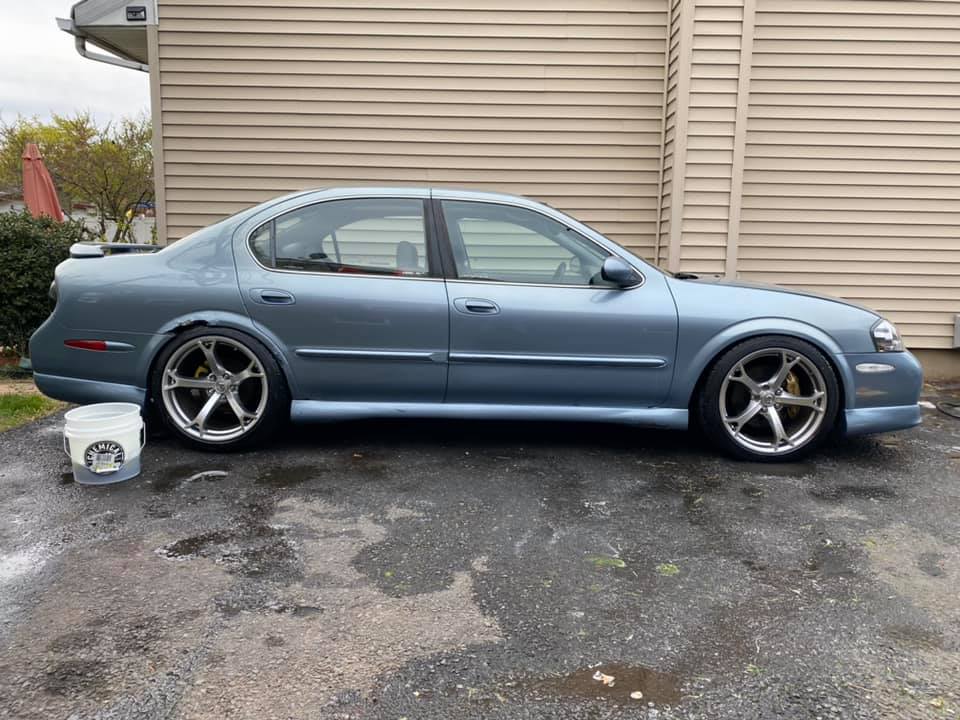
Below are the factory rim and tire specifications for Nissan 350z/370z models which are commonly installed on the 5thgen Nissan Maxima.
Front Wheels: 18×8 +30MM
Front Tires: 225/45/18
Weight: 24.4lbs
Rear Wheels: 18×8.5 +33MM
Rear Wheels: 245/45/18
Weight: 25.8lbs


Front Wheels: 18×8 +43MM
Front Tires: 225/50/18
Weight:
Rear Wheels: 18×9 +15MM
Rear Wheels: 245/45/18
Weight:




Front Wheels: 19×9 +47MM
Front Tires: 245/40/19
Weight:
Rear Wheels: 19×10 +30MM
Rear Wheels: 275/35/19
Weight:


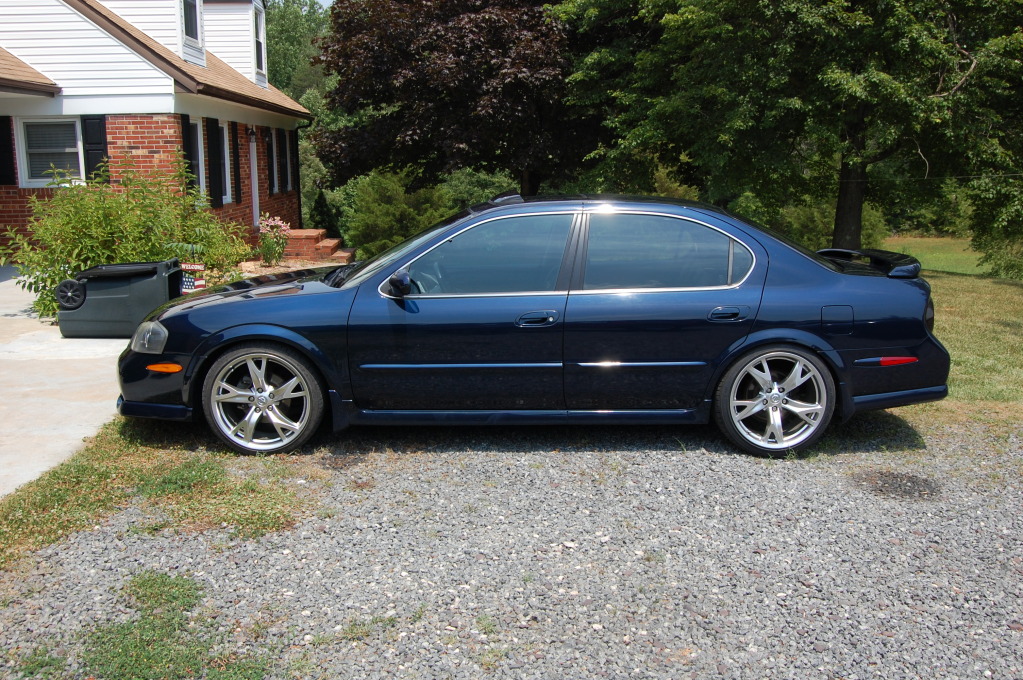

Front Wheels: 19×9.5 +40MM
Front Tires: 245/40/19
Weight:
Rear Wheels: 19×10.5 +23MM
Rear Wheels: 285/35/19
Weight:






DRL modules are specifically made for Nissan and Infiniti models made to meet Canadian motor vehicle law requirements and vehicles imported from United States do not have the necessary wiring harness for this module to be connected to. As an example vehicles with MPH speedometer numbers as dominant and smaller KPH will be manufactured to US standards.


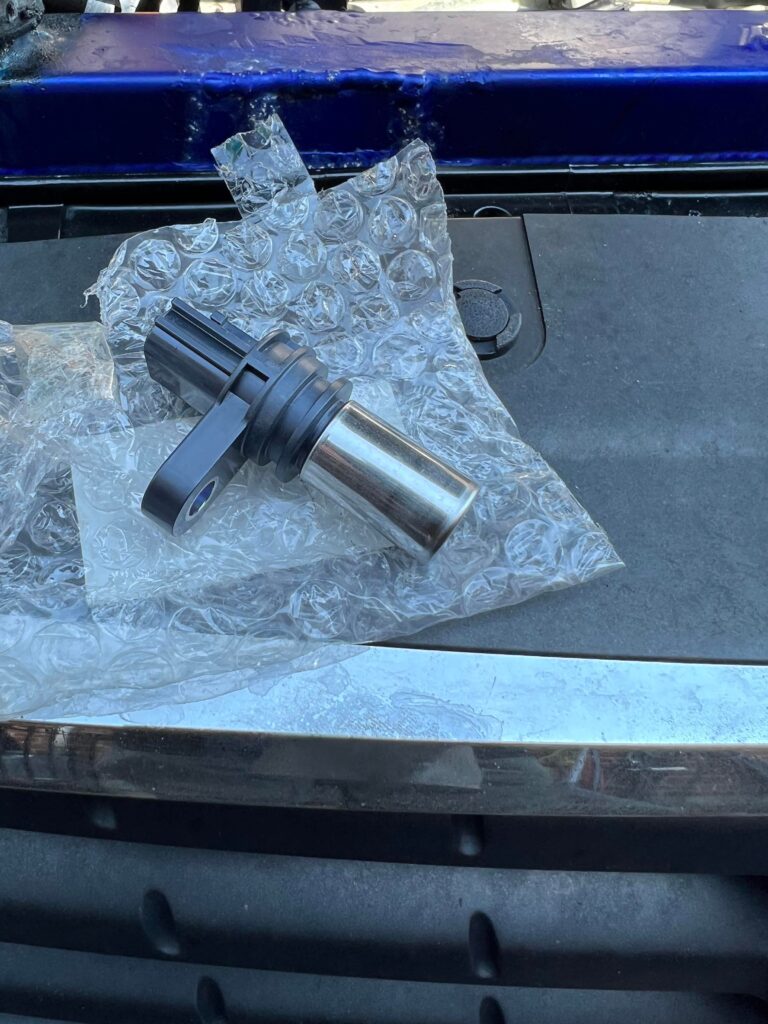
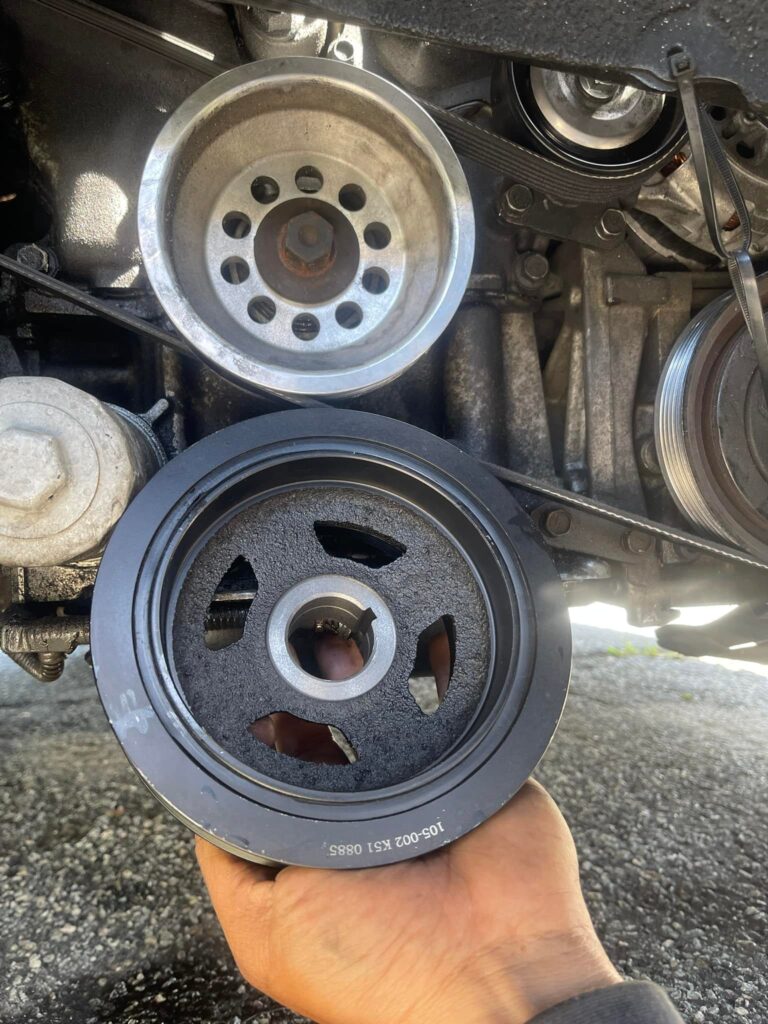
Community Member Credit: Eddy
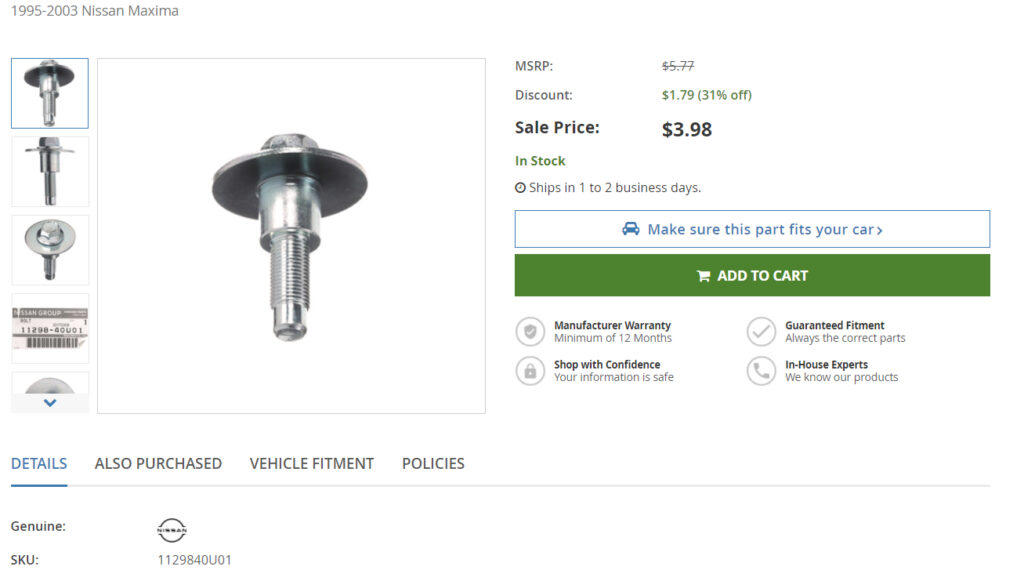
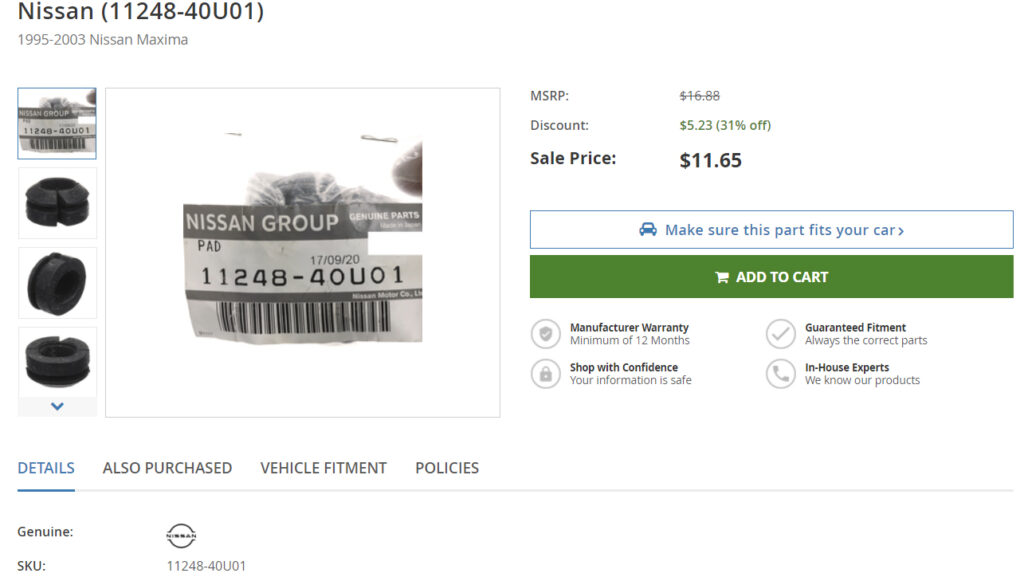
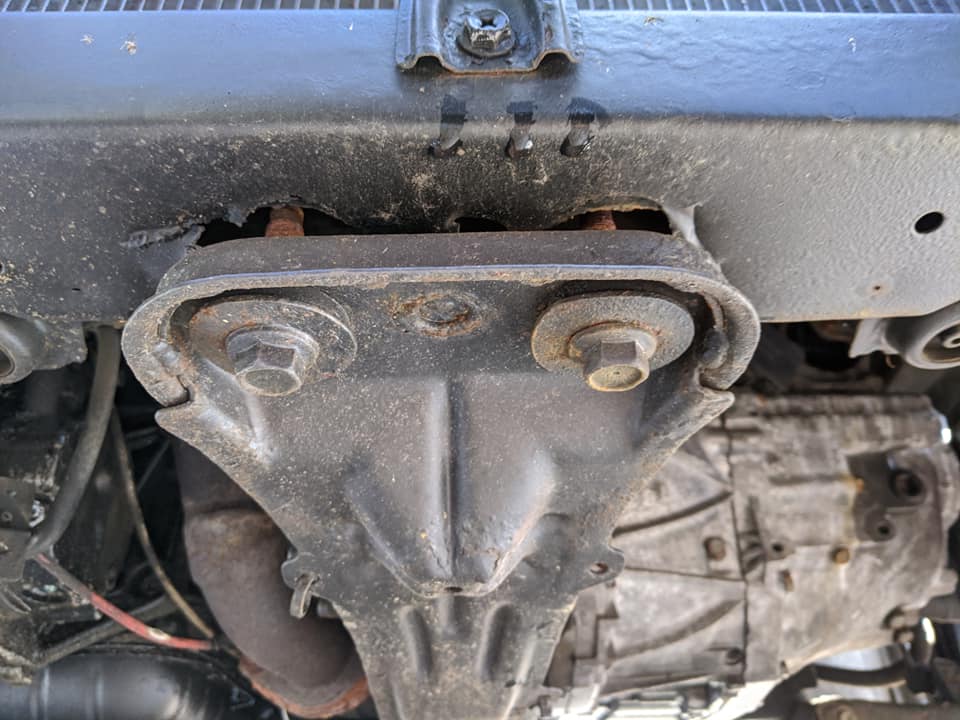
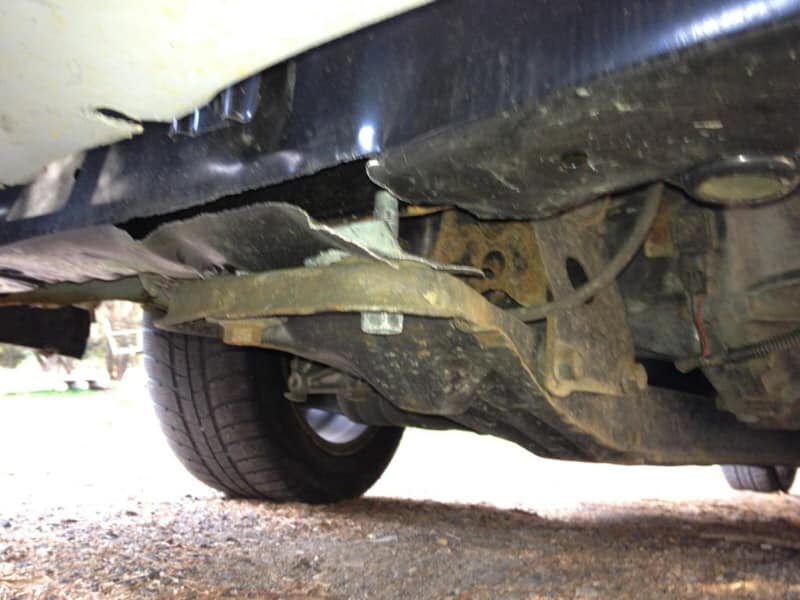
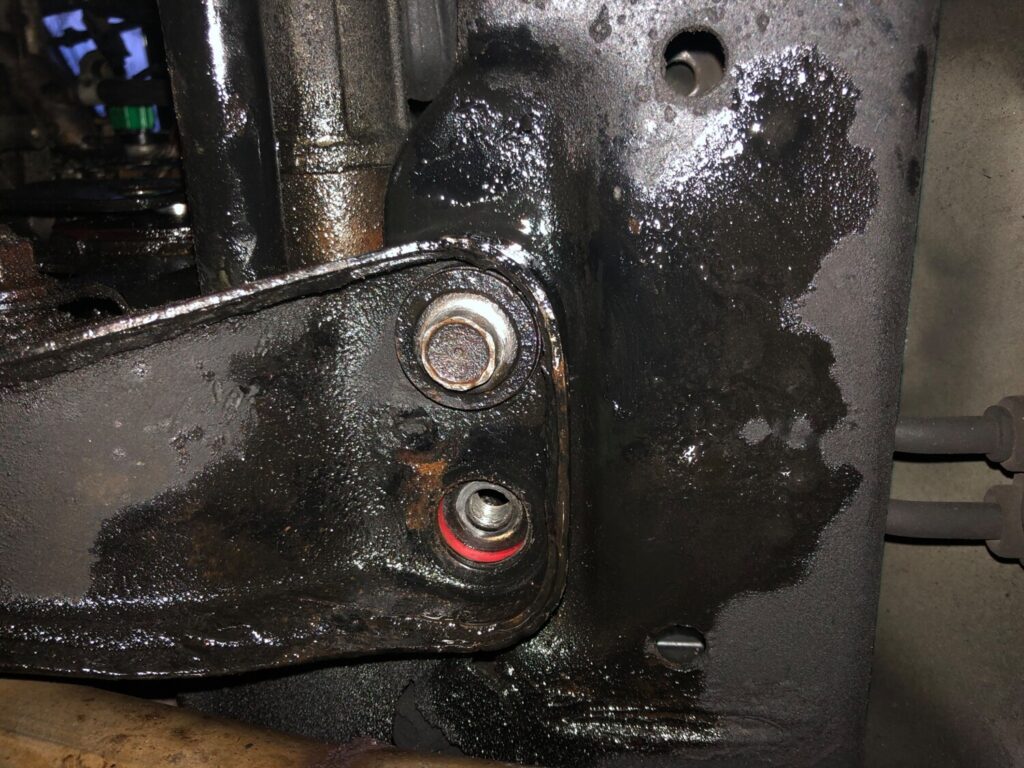
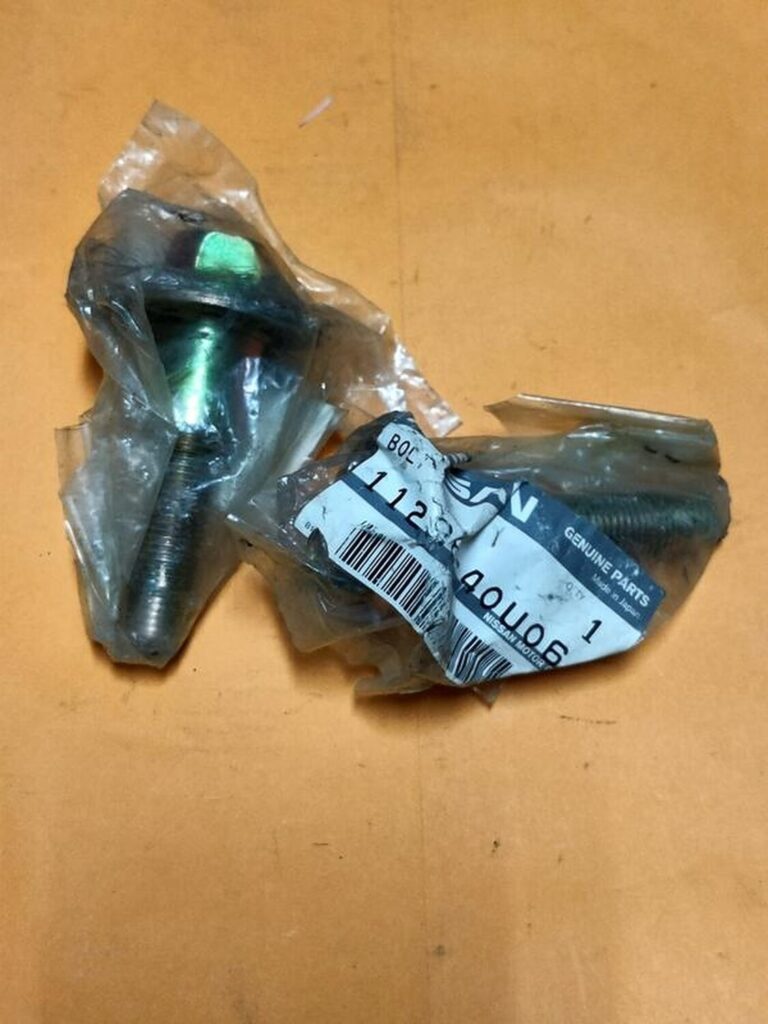
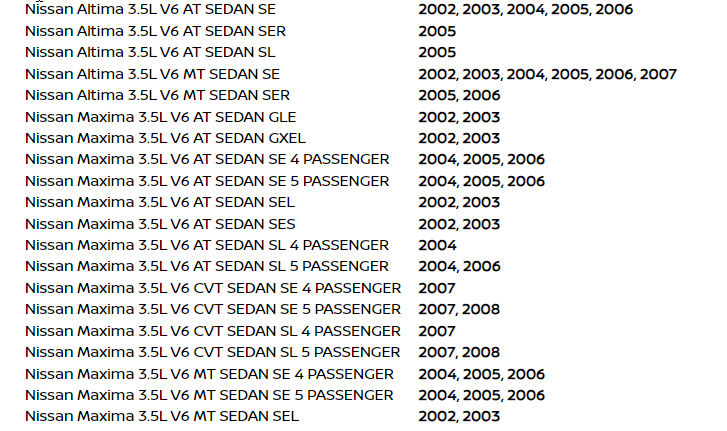
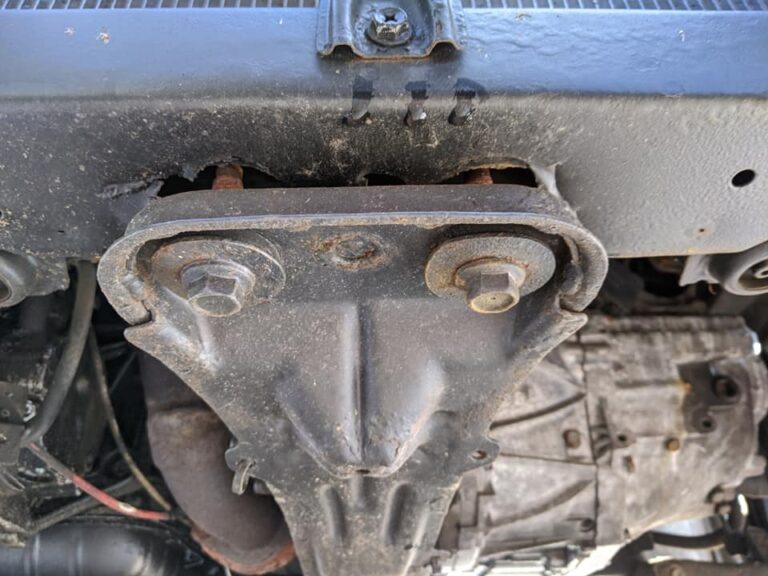
Applies to 1995-1999 and 2000-2003 Nissan Maxima. The cross-member bolts show up as two different part numbers but they are the same exact bolt. You can enter the part numbers online and order from whichever site you prefer.
1995-2003 Nissan Maxima Engine Crossmember Bolt:
1995-2003 Nissan Maxima Engine Crossmember Mount Bushing: