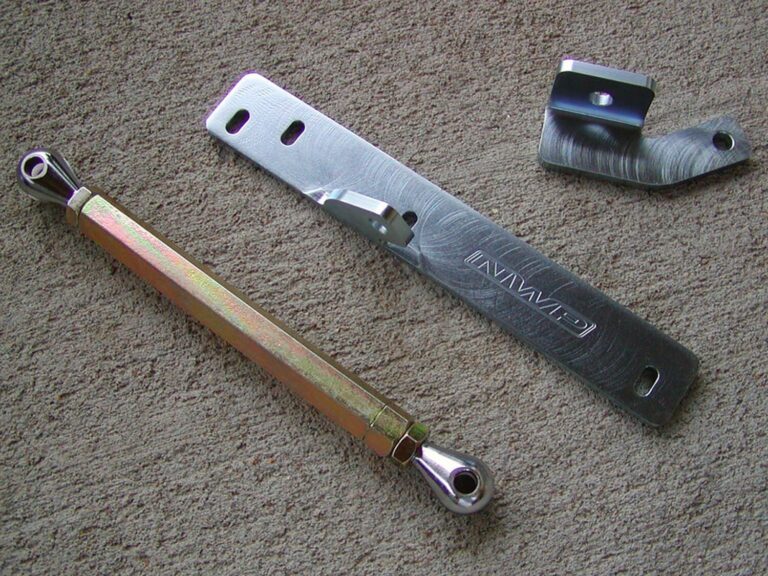
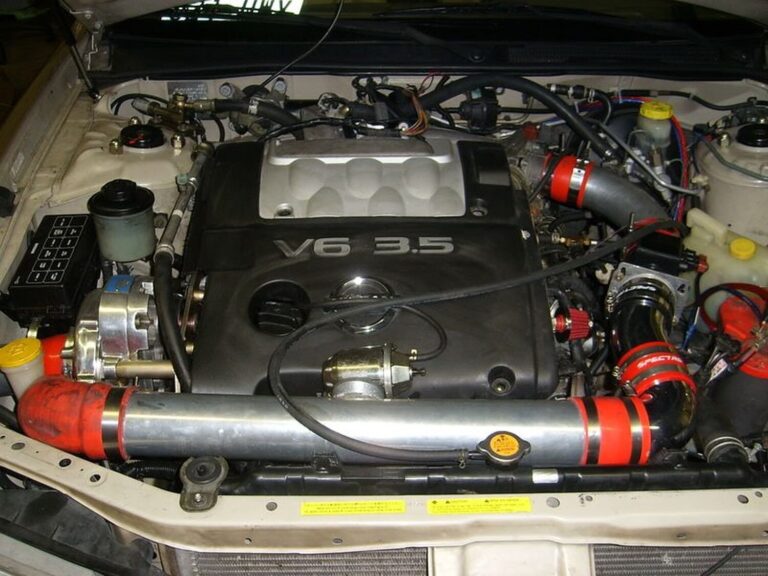
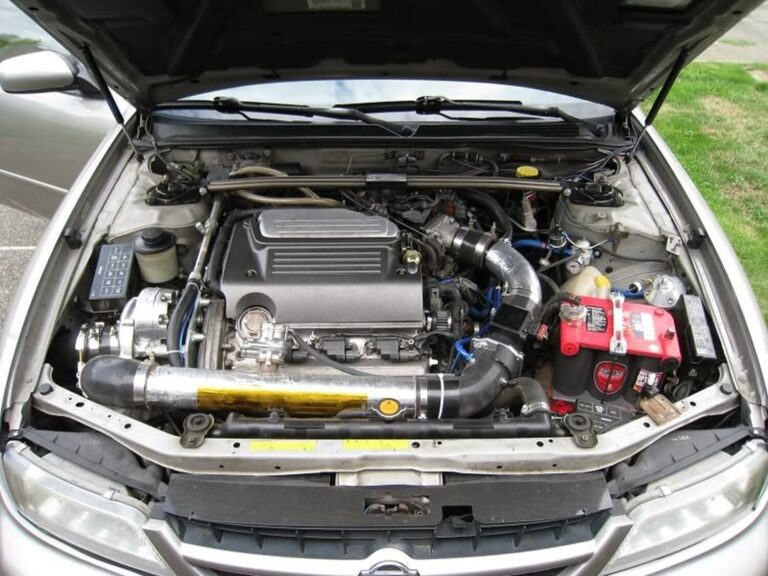
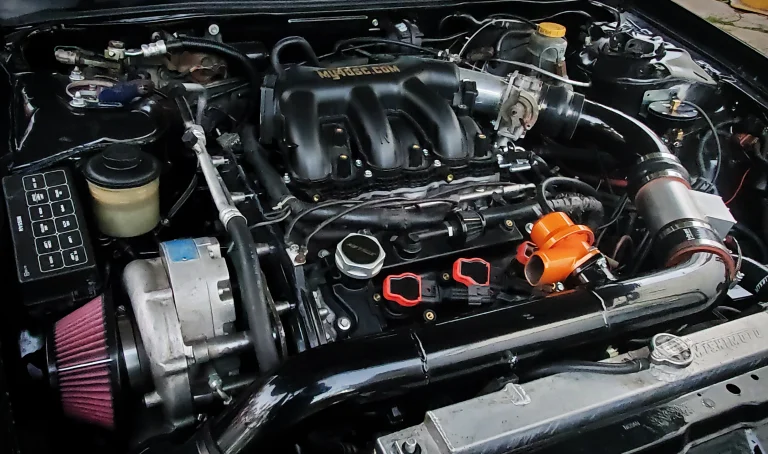
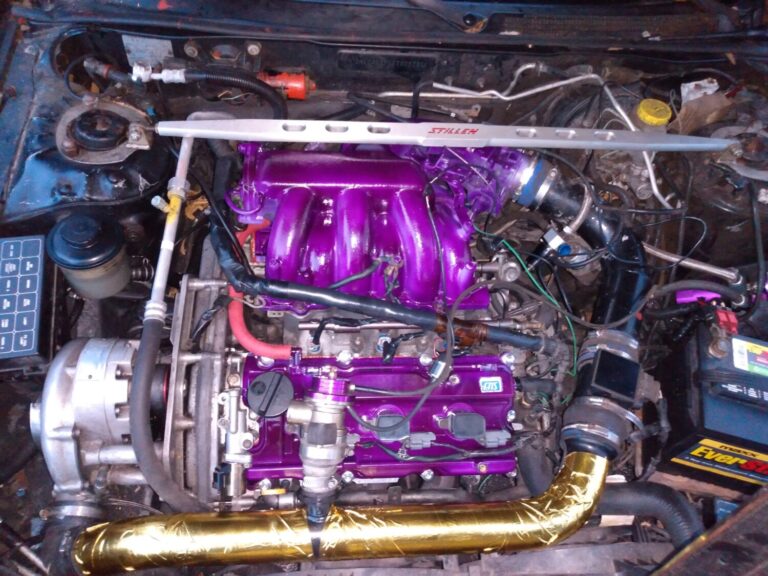
This afternoon I installed an NWP Engine Torque Link on the 98 GLE automatic. Installation was quick and easy. NWP does a “first-class” job on packaging and instructions for this product.
I’ve been running an NWP torque bar on the 99 SE 5-MT for 3 years. It really provides a nice tight feel and practically eliminates any engine rock during take-off and downshifting.
For the 98 models GLE automatic, it gives a more direct feel and eliminated some of the sloppy feelings that comes from engine movement with an automatic. I now feel more connected to the engine when driving — like it has a little more torque. Any wheel hop that it had before the installation is now unnoticeable.
The engine mounts are in very good shape on both cars. By reducing engine rock, I believe these torque links help extend the life of engine mounts.
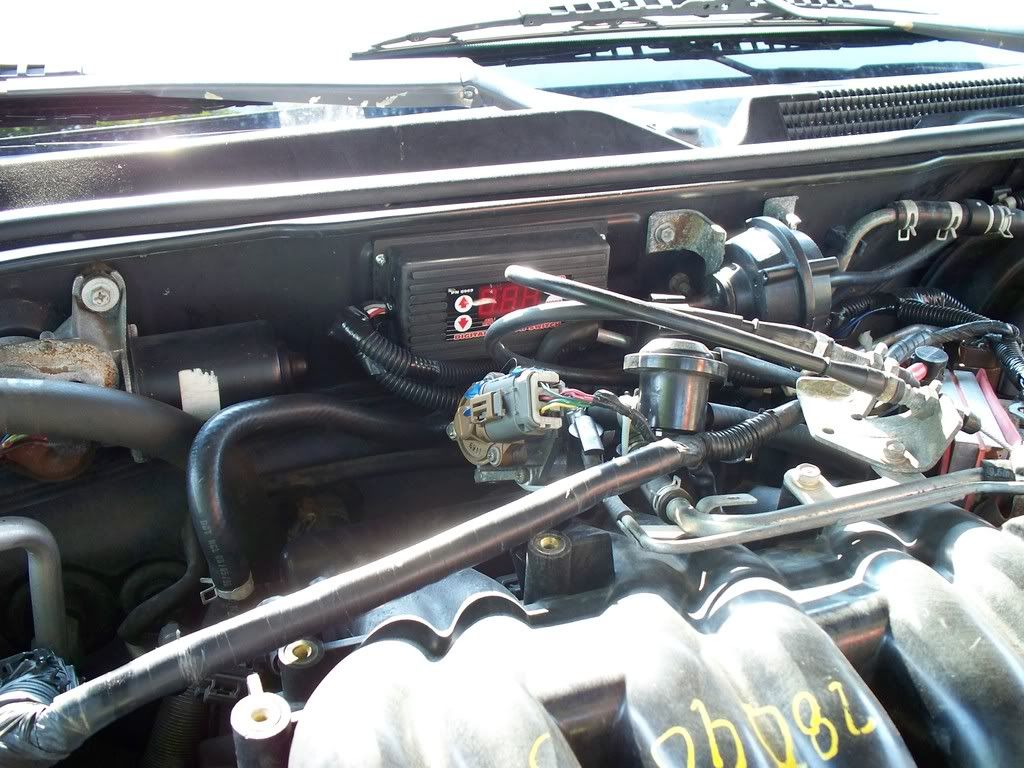
The Anti-Theft on 4th generations has a Relay to disable the ignition if activated (relay located on the passenger side of the engine bay near right strut, look for “Anti-Theft/Start” on the relay box cover). When tripped it will ground power to the Inhibitor Relay that controls the starter solenoid.
THEFT-DETERRENT SYSTEM
To cancel the system and prevent accidental activation, perform any one of the following:
Using the key, unlock either the driver’s or passenger’s door.
Using the multi-remote control system, if installed, unlock doors.
Turn the ignition to the ACC or ON position.
Using the key, unlock the trunk lid. The system is only temporarily canceled while the trunk lid is open. After the trunk lid is closed, the system is reset.
To set the system, remove the key from the ignition, and close the doors, trunk, and hood. Then lock all doors either manually using individual door lock buttons, or activate the power lock system with either the key or the multi remote control system.
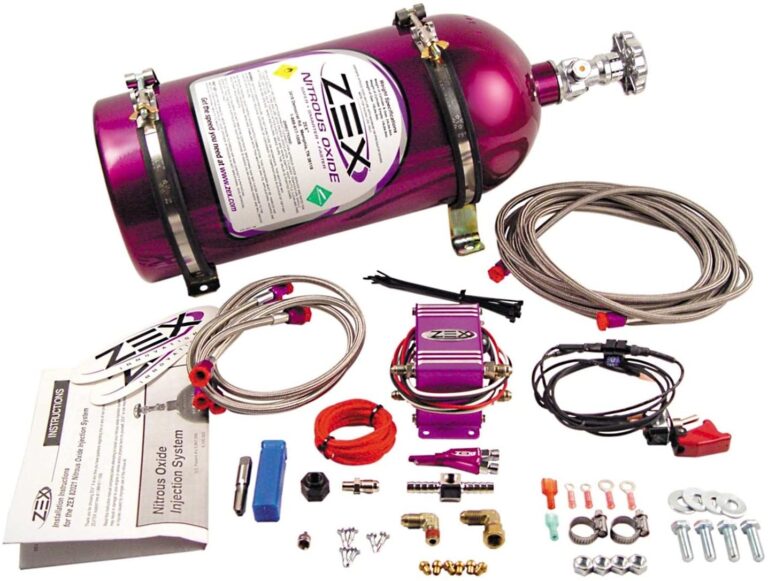
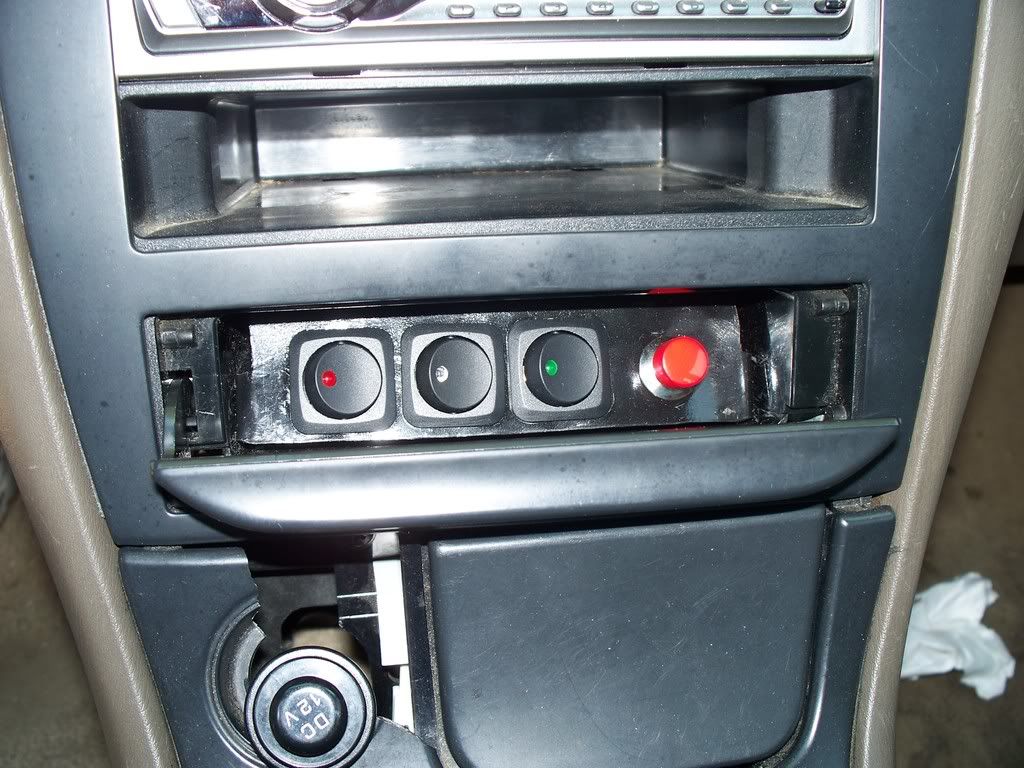
Alright, I keep getting emails and posts about how NOS is going to destroy my car and take miles off my engine, so here’s some info that will hopefully become a sticky! (hint hint)
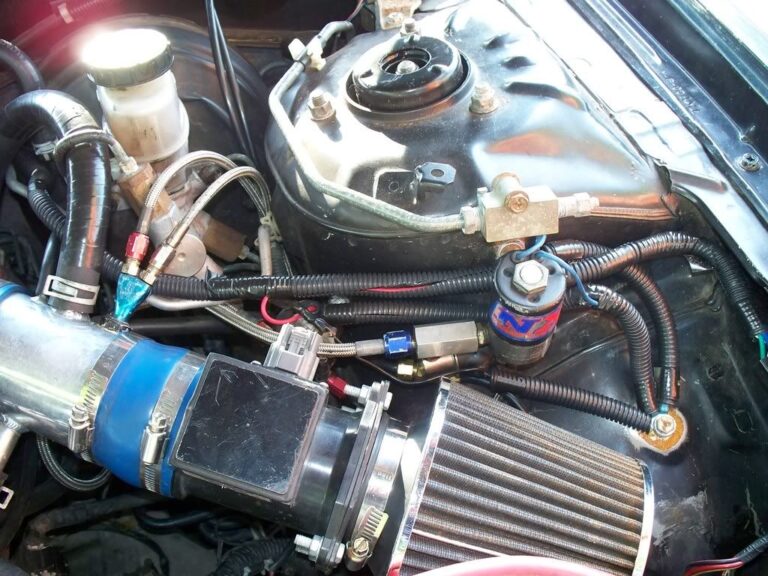
NOS kit #5124 is a universal kit that works great on the Nissan Maxima. You can use it in a basic 50 shot (.032 jet) without the addition of gauges or a fuel pump. The NOS jet connects to your intake plumbing and your fuel pressure regulator, to boost your power and raise your fuel pressure.
NOS is not combustible per se, it lowers your intake temp and adds more parts oxygen to the process, which increases your power. It can be used with either an auto or 5 speed, though I recommend getting a tranny cooler and vb mod for the auto, and a new clutch depending on what shot you use for the 5 speed. You can run a 50-60 shot without adding much else, though once you go over that, I would recommend at a minimum, a fuel pressure gauge, EGT, and a new fuel pump. The stock pump can not reliably provide enough fuel pressure over a 70 shot.
NOS is like anything else, abuse it you lose it. It is not on all the time like a supercharger or turbo and can be used safely for many many miles. The only time I have heard of anyone damaging anything was through negligence or running too high a shot of NOS. FYI, the picture of the blown-up maxima, was because he wired his bottle heater wrong, it was on all weekend, and he added an extra disc to his relief valve. NOS is inherently safe, it’s the users that get dangerous. The fastest times I’ve seen posted so far are 12.6 and 12.8, 5 speed and auto, with 120-125 shots I believe, but this was with other extensive mods and experience.
Right now I am running:
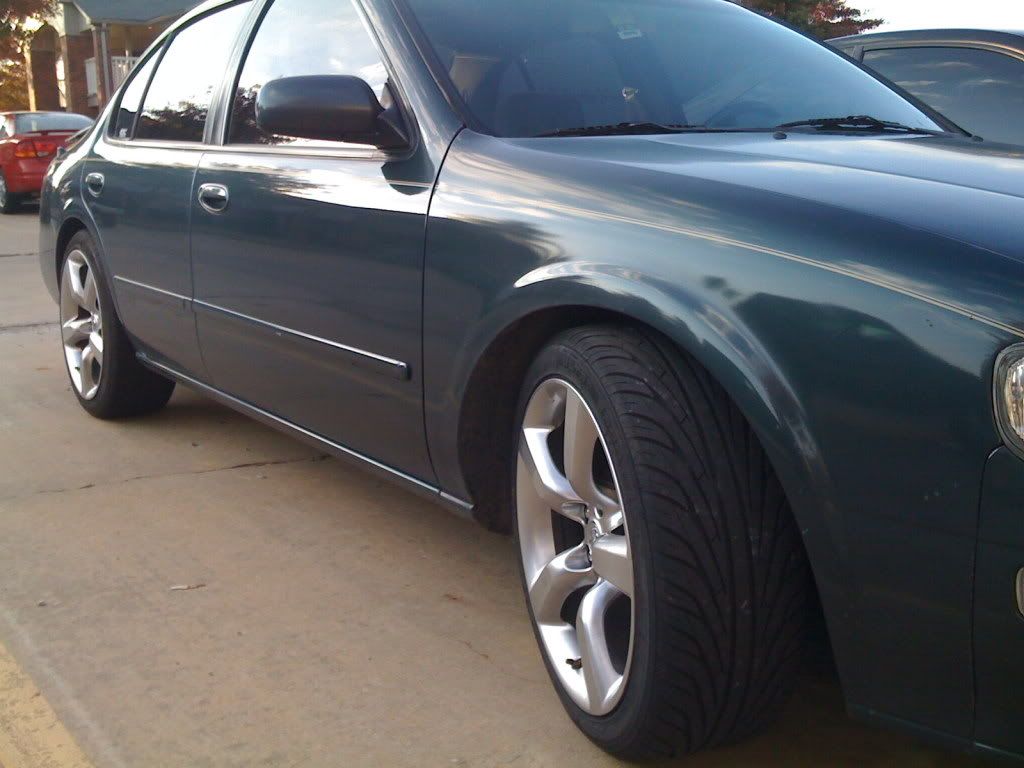
1997 GXE
4-Sped Automatic Transmission
Warpspeed Y-Pipe
Place Racing CAI
Stillen Exhaust
Transgo VB mod
Tranny cooler
Walbro 255lph High flow fuel pump
NOS
.042 jet
Step colder NGK platinum plugs
Autometer gauges
Best Track Times:
Auto: 15.3 @ 91 MPH
Auto w/NOS 13.9 @ 101 MPH
5spd NA 15.2 @ 92 MPH
I hope this provides you all with some info. Good luck to all!
As far as the stock fuel system is concerned. The Maxima uses an airflow referenced system. The mass airflow sensor (MAFs, or MAF) sends a voltage signal to the ECU based on how much air is flowing through it into the engine. The ECU uses that information, along with engine rpm and O2 sensor voltage to determine how long injector pulses should be to achieve stoichiometric combustion. This is for cruising and light acceleration and is called closed-loop mode. Closed-loop refers to the feedback loop in which fuel metering by the injectors is adjusted based on whether the O2 sensors detect combustion that is either leaner or richer than stoichiometric.
If the throttle is opened beyond a certain amount, as sensed by the throttle position sensor, the ECU goes into a mode in which it ignores O2 sensor voltage altogether and uses only the MAF signal and engine rpm. This is the open-loop mode. Injector pulse widths are determined by a lookup table for each combination of MAF voltage and engine rpm. The values in the lookup table are based on engine testing and give about a 13:1 to 13.5:1 air-fuel ratio for the stock engine at wide-open throttle.
When you install the supercharger kit you are significantly increasing the air flowing into the engine. This is not a problem during cruising and light acceleration because the SC does not exceed the airflow beyond what the MAF is able to measure. At wide-open throttle, however, it is possible to exceed what the MAF can measure. Also, for the boosted operation, we want an air-fuel ratio that is lower than what is provided by the ECU as a deterrent to detonation. The method that the Stillen kit uses to provide sufficient fuel for the additional air is to provide extra fuel pressure based on manifold pressure. This is done with the fuel management unit (FMU), which boosts fuel pressure according to a ratio that is determined by the size of the disk inside it. It is possible to have a fuel pressure to boost pressure rate as low as 3:1 and as high as 12:1. The stock Stillen kit comes with a 6:1 disk in the FMU (it might actually be 8:1, I forgot which), meaning that the FMU raises fuel pressure 6 psi for every psi of positive manifold pressure. This is a fairly crude way to tune, but it is simple and effective. In most cases, it results in an overly rich AFR at mid-range rpm which leans out to an acceptable AFR at high rpm.
In order to supply the additional fuel, either the Vortech auxiliary inline pump should be used, or the stock in-tank pump should be replaced with the Walbro 255 LPH pump. The stock pump can not deliver enough fuel at a sufficiently high pressure to provide a rich enough AFR to prevent detonation.
Additional Info:
You need more fuel than what the OEM fuel pump can supply. You have two options. You can use the Vortech T-Rex auxiliary inline fuel pump (that comes with the Stillen kit) along with the OEM in-tank pump, or you can replace the in-tank pump with a Walbro 255 LPH pump. If you go with the Walbro pump you do not need the Vortech aux pump.
In either case, you still need the FMU to raise fuel pressure when you are boosting. The only thing that would change that is if you installed larger fuel injectors that could supply an adequate amount of fuel at OEM fuel pressure.
The stock fuel pump has its strainer parallel to the bottom of the gas tank and is able to suck up pretty much all the gas in the tank. The strainer that comes with the Walbro points upward at about a 30-degree angle and is not capable of sucking as much gas up (when it gets below approximately 1/8th of a tank) as the stock strainer. To fix the problem, take the stock fuel pump strainer and put it on the Walbro fuel pump. This has been tested and proven to work during the course of installing Mike’s (VIP Maxima) supercharger. With this mod, you can now drive your car like normal and not worry about running out of gas/poor performance at 1/8th of a tank.