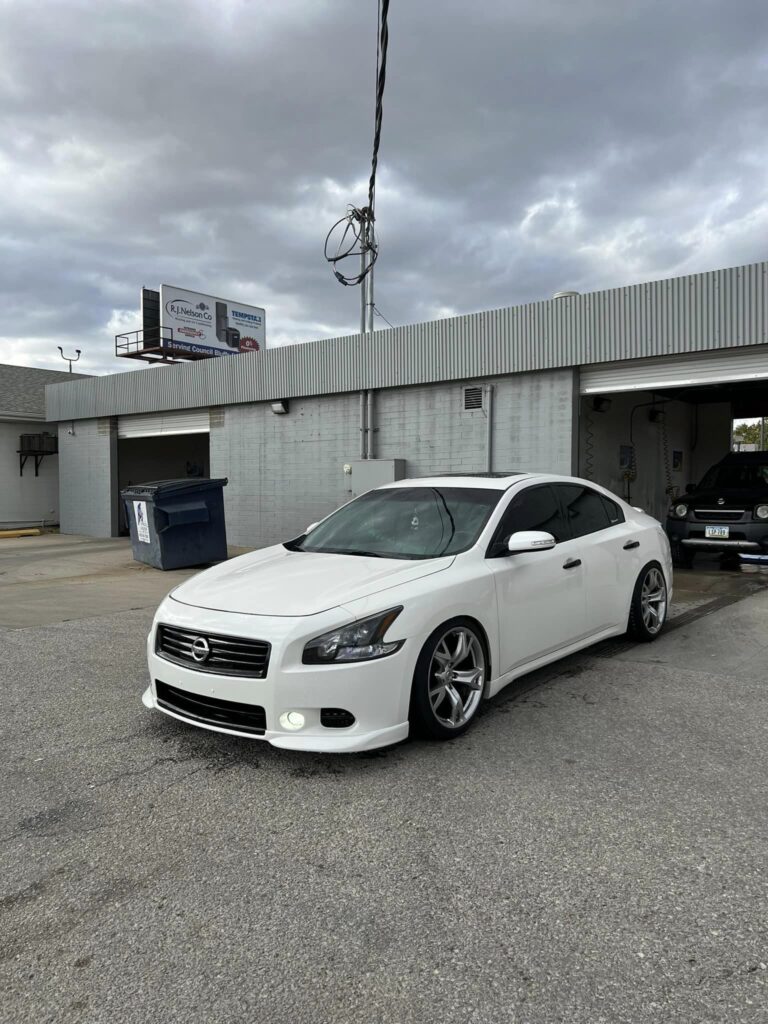
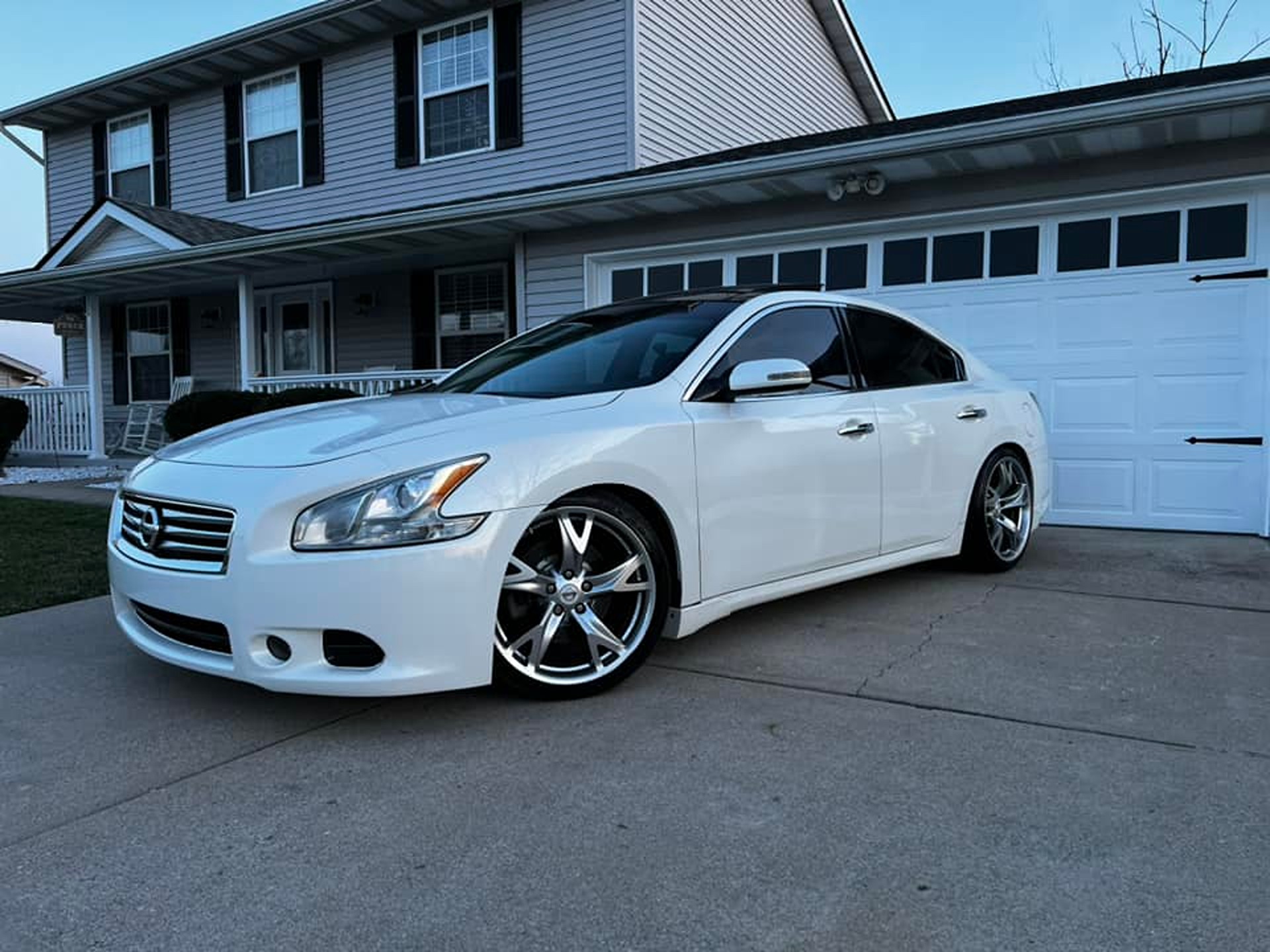
Owner: Ismael G.
Year: 2010
Model: Maxima
Color: Silver
Engine: Gen2 VQ35DE
Transmission: CVT
Trim: SV




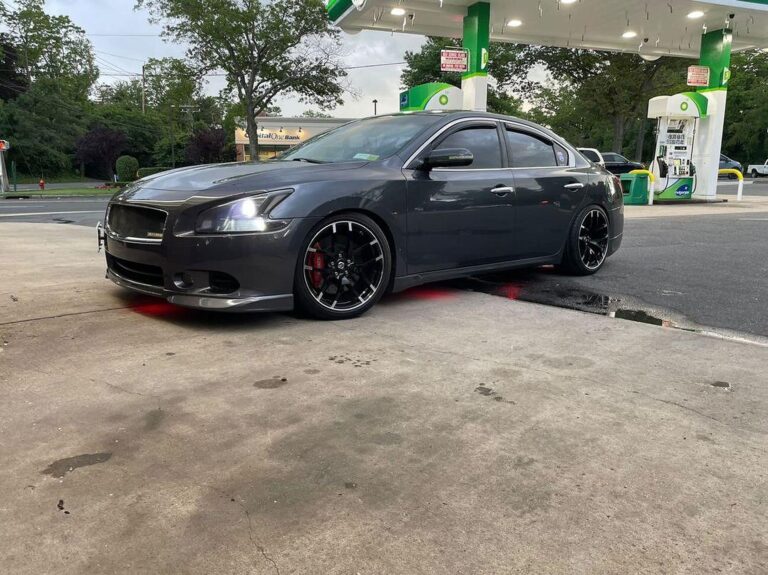
Owner: Ismael G.
Year: 2010
Model: Maxima
Color: Silver
Engine: Gen2 VQ35DE
Transmission: CVT
Trim: SV
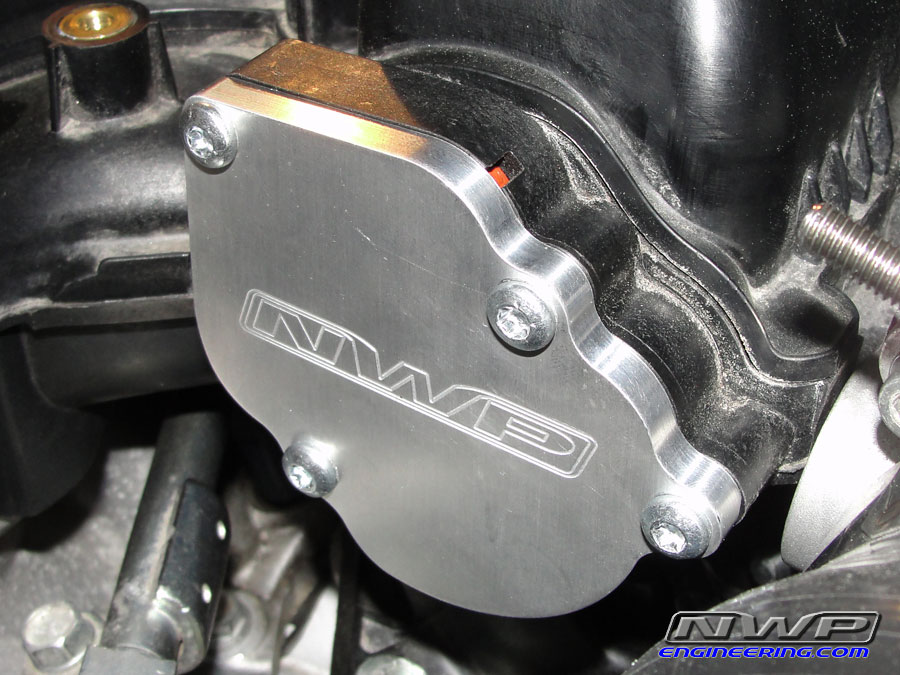
Member Credit: Aaron92SE
Ever since the 2009 Maxima came out, I knew that an NWP Engineering VIAS Block Plate Kit could possibly be a great modification to offer to the community. And for the past year or so, I have been working on this project for the 7th gen 2009+ Maxima. I realize that a block off plate kit is currently being sold by someone else. But, I do not feel it’s necessary to abort a project simply because a different kit came out before we had a chance to finish our testing.
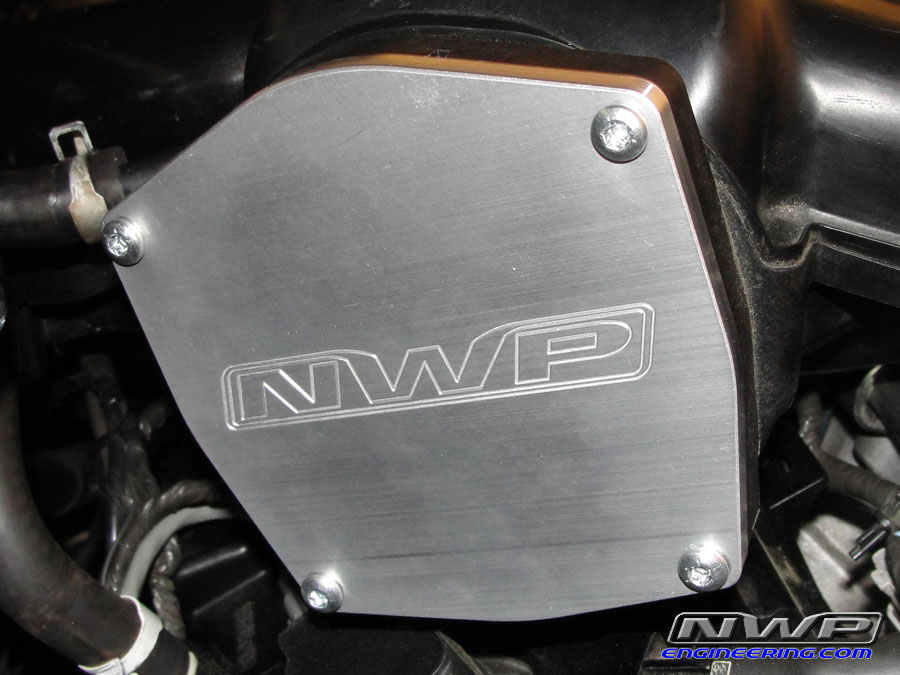
Here are some pictures of the NWP Engineering prototypes:
Several hours have been spent on the dyno testing these prototypes. The stock 7th gen Maxima only comes with a CVT (Continuously Variable Transmission). This means that the gear ratios are always changing during the dyno pull. Since this is the case, you are unable to accurately use the dyno charts to determine HP gains and losses in various parts of the powerband. Simply put, running a CVT on a dyno can possibly provide some ballpark numbers to look at, but they will not be accurate in determining low end, midrange, and top end HP results and comparing before and after dyno runs. The only way to properly dyno test a vehicle with a CVT transmission is to lock it into a 1:1 gear ratio and currently, this has never been done on a 7th gen Maxima
Here is a before and after dyno comparison of a stock intake manifold with stock operating VIAS actuators versus the VIAS actuators being removed and block plates installed:
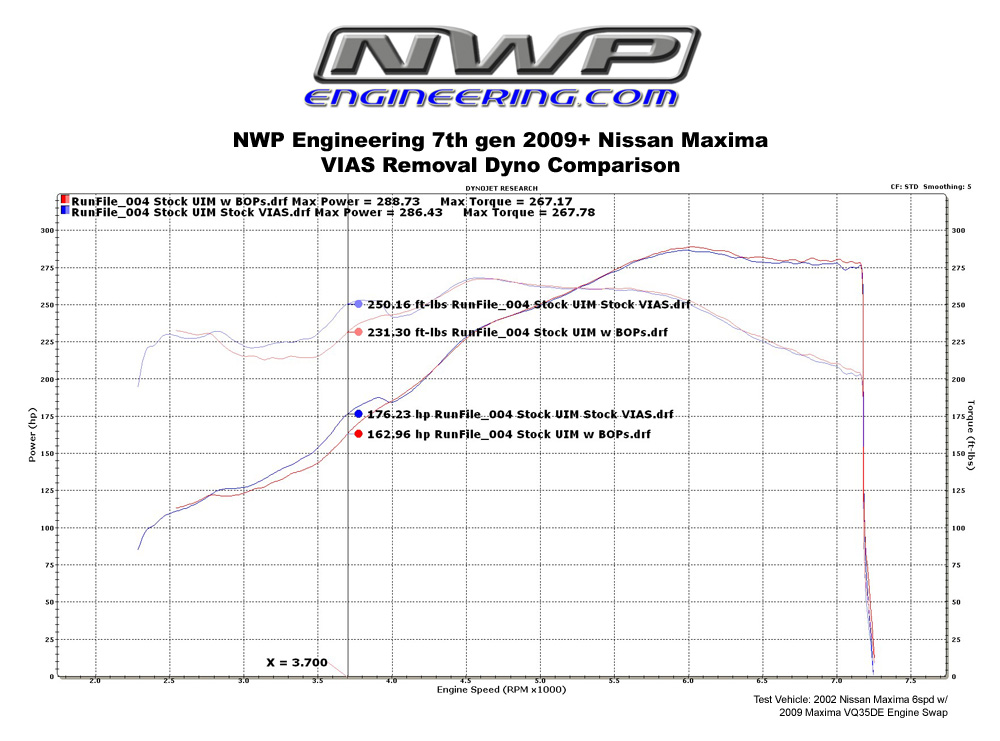
As you can see, there is a huge 19 ft-lbs of torque loss in low end power and roughly only a 2HP increase on top end. But, this is only comparing two dyno runs. If you know how NWP Engineering does dyno testing, you know that we are way more accurate than this! We always like to take an average of all the dyno runs.
We did 4 dyno runs before and 3 dyno runs after the NWP Block Plates were installed. Then, we exported the runfile data to an Excel spreadsheet so that the numbers can be analyzed more thoroughly. Horsepower and torque data was taken at every 100rpm and used for this comparison. At every 100rpm increment for every dyno run, an average was calculated and then plotted on the dyno chart shown below.
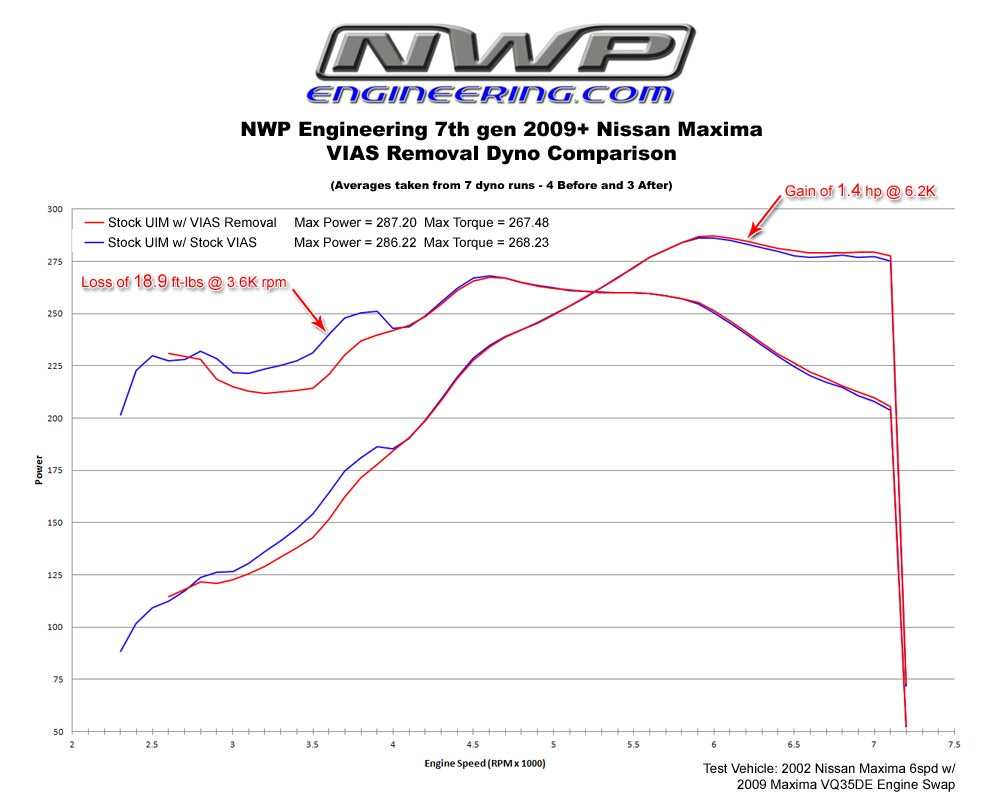
Since the 2009 engine was running so consistent, our average dyno comparison chart looks almost identical to the two dyno runs shown above. But, these average results are even more accurate than simply comparing two dyno runs with one another.
As you can see from this dyno chart, that by eliminating the VIAS actuators, there is a low end torque loss of 18.9 ft-lbs at 3600rpm with an average loss of 14.6 ft-lbs between 3200-3900 rpm. And there is a gain of 1.4HP at 6200rpm with an average gain of 1.3HP between 6000-6400 rpm where the 09 Maxima CVT holds the revs at during a wide open throttle run.
In order for your Maxima to accelerate at the same rate or faster from 0-60mph or in the 1/4 mile, you will need a much greater top end HP gain to compensate for the big low end power loss even with the efficiency of a CVT. So in other words, your car will accelerate slower from 0-60mph and in the 1/4 mile with the VIAS actuators removed.
I am really surprised with the efficiency of the stock 09 Maxima Upper Intake Manifold (UIM) with the stock variable induction air system (VIAS).
Unfortunately, the results are not what we had hoped for. I knew there would be a low end power loss, but I didn’t know it would be this large of a loss. And I really thought there would be a noticeable top end HP gain to make it worth it overall like the 02-08 Maxima VIAS removal does. But, what seems to work for the 02-08 VQ35DE Maxima does not necessarily work on the 2009 and newer VQ35DE Maxima.
Due to what was proven in our testing, I do not see a need to produce the VIAS Block Plate Kit for the 2009 and newer Maxima. But, I feel compelled to share this information to the Nissan community to let you know what kind of projects NWP Engineering has been working on lately.
As you can see, we thoroughly test all our products before they are released. I won’t release a product unless it has been proven to benefit your car’s performance. This is not the first time we’ve tested an NWP prototype and had to abort it due to low performance gains.
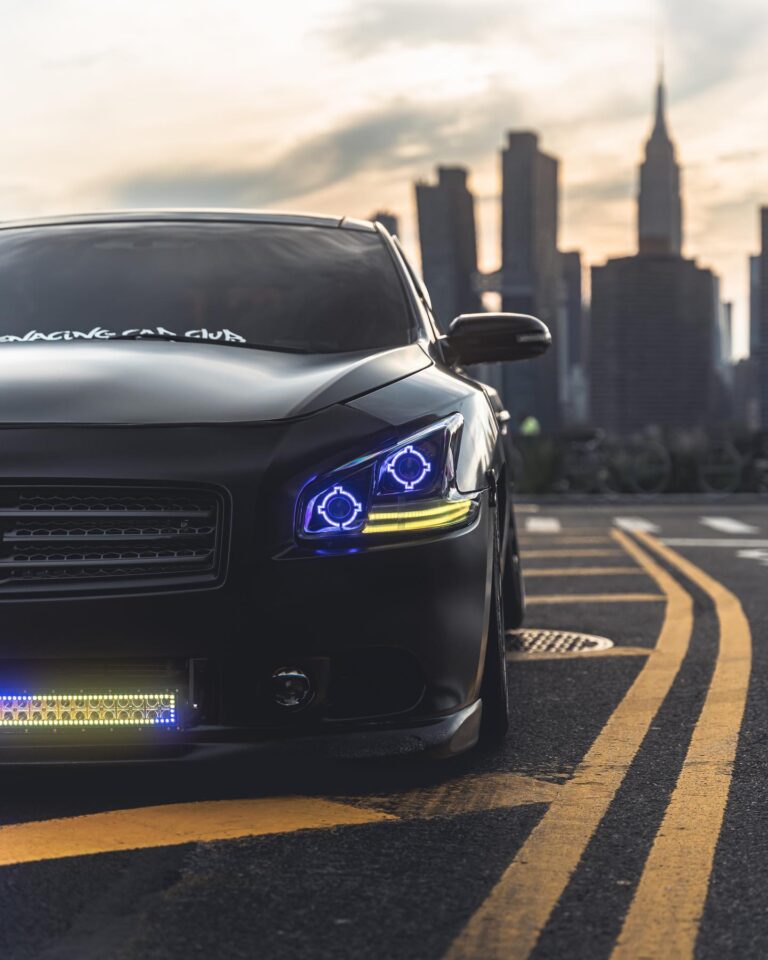
Owner: Anthony Hunter
Year: 2012
Model: Maxima
Current Color: Custom Wrapped
Transmission: CVT
Trim: SV Premium Package
Photography: https://www.instagram.com/envytheshot/


Owner: Gerson aka gtunedperformance
Year: 2012
Model: Maxima
Color: Dark Slate (KBC)
Engine: Gen3 VQ35DE
Transmission: 6-Speed Manual
Trim: S


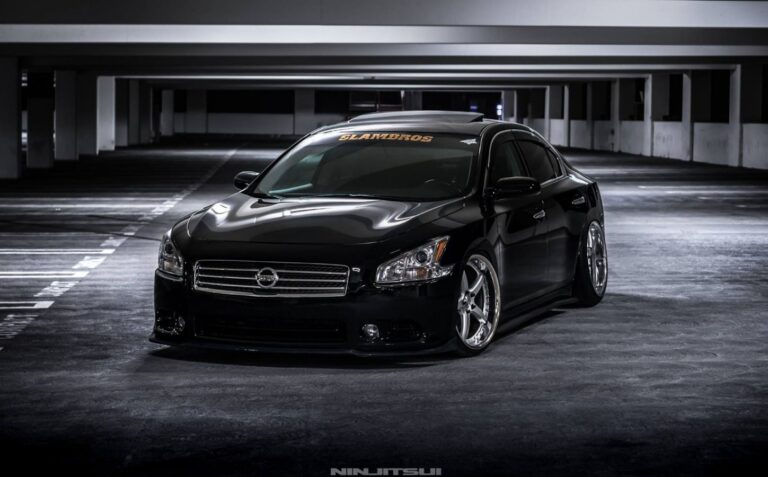
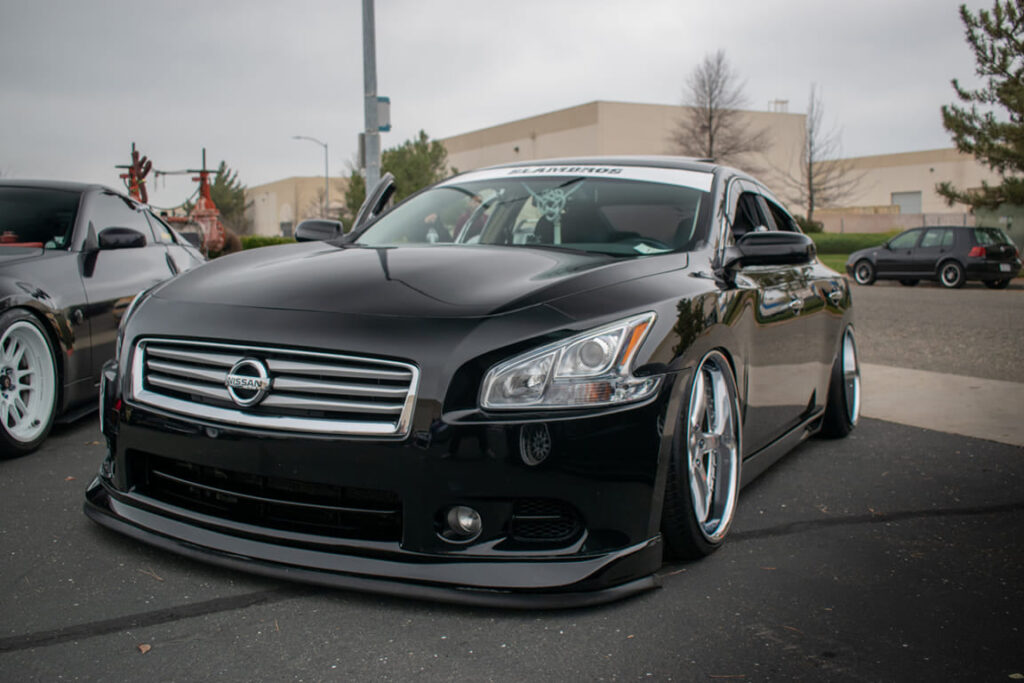
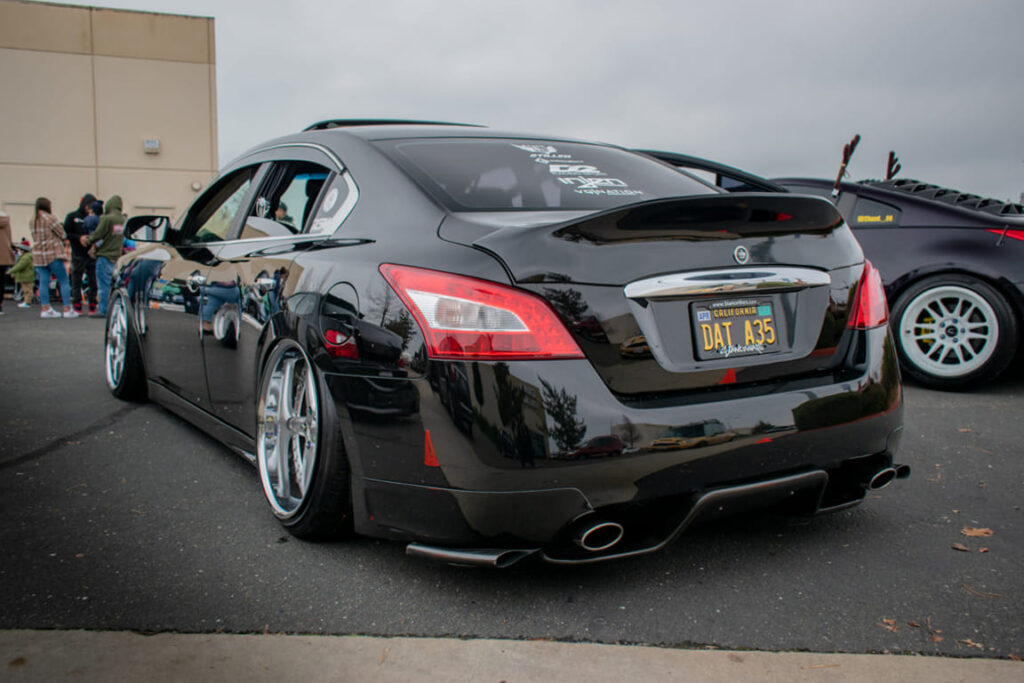
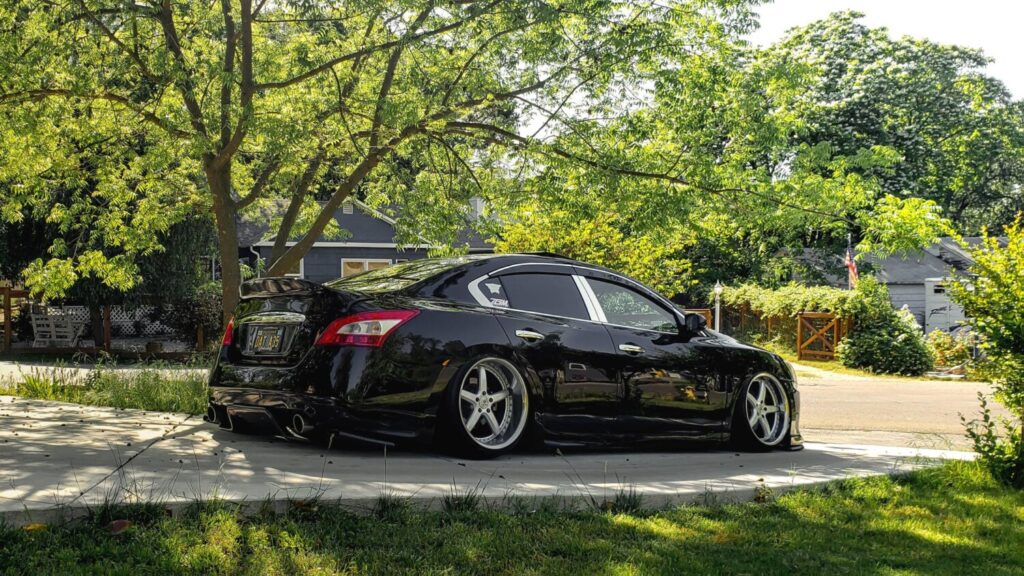
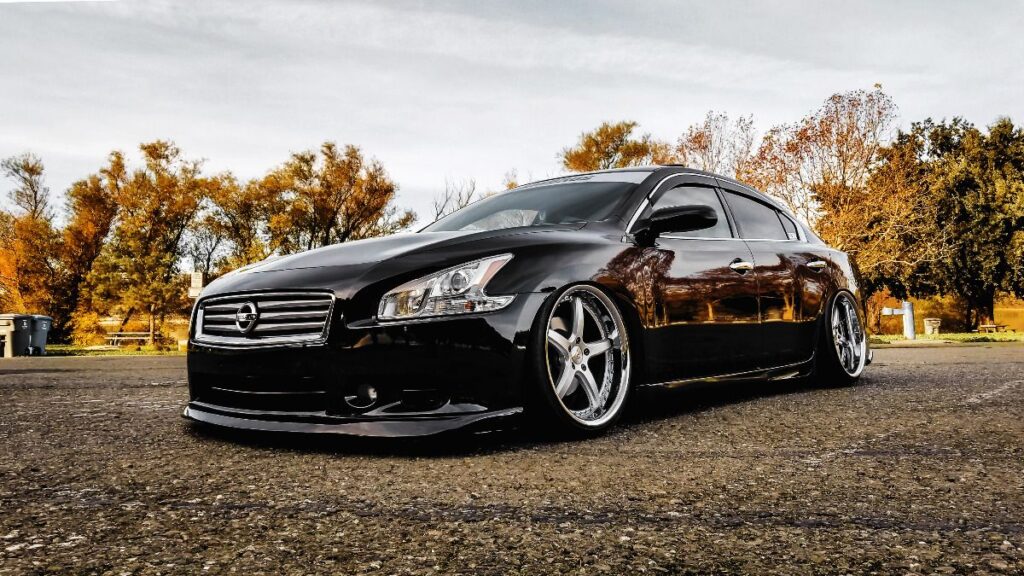
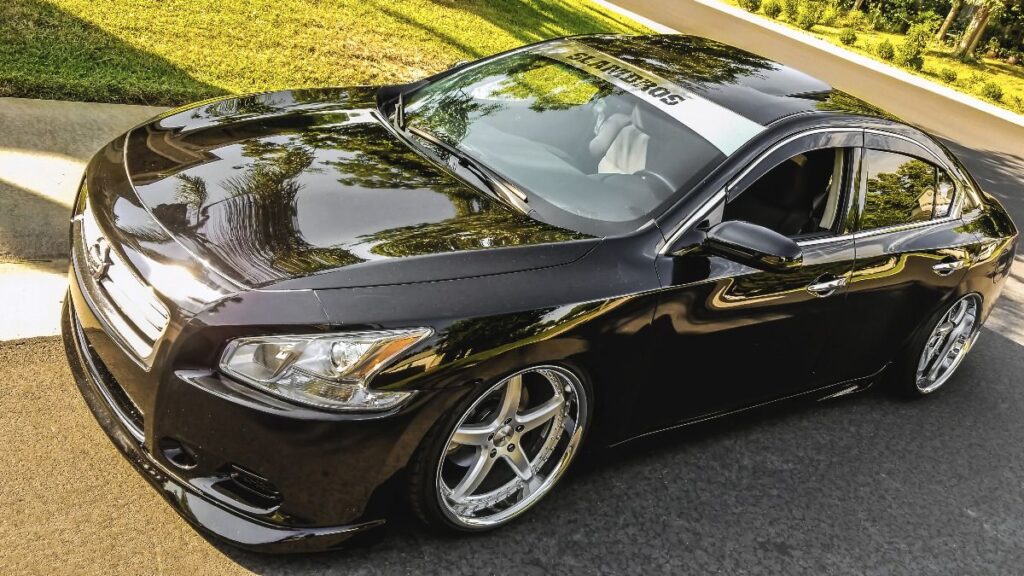
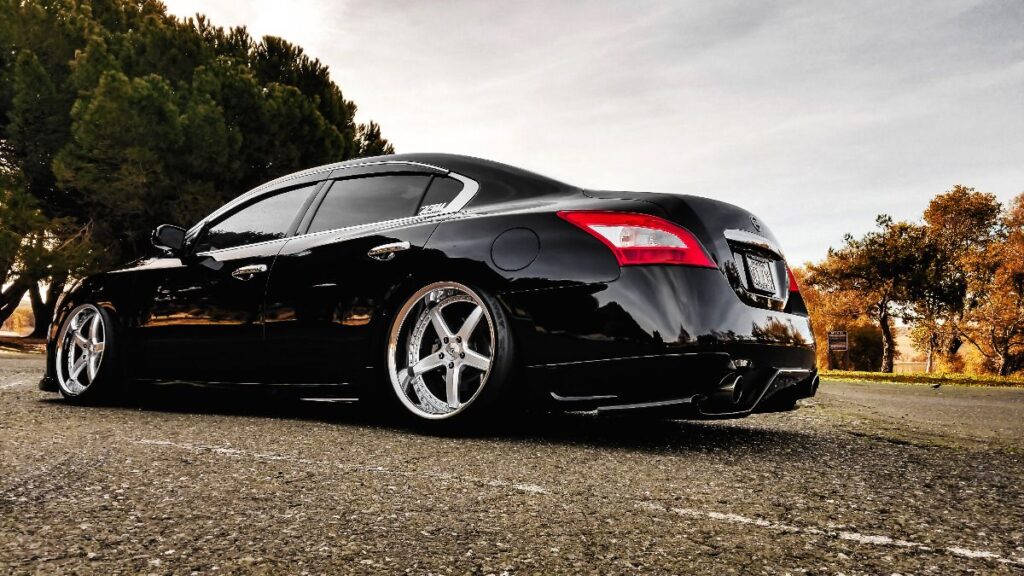
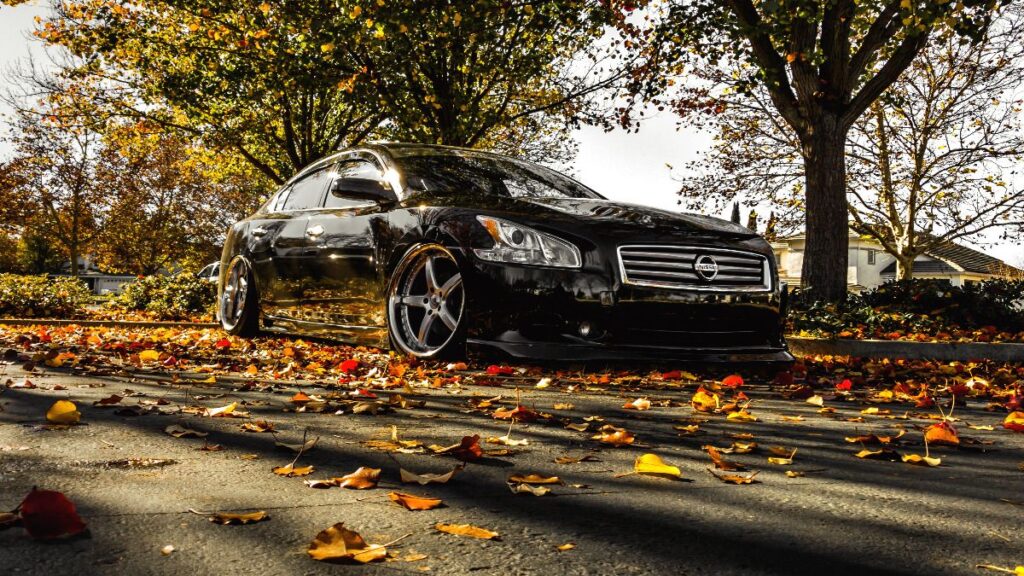
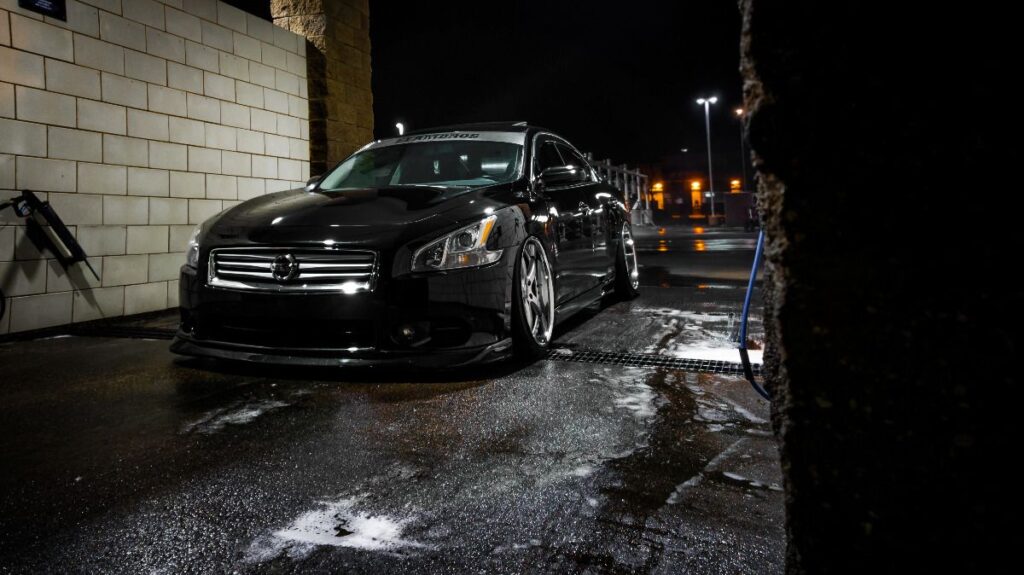
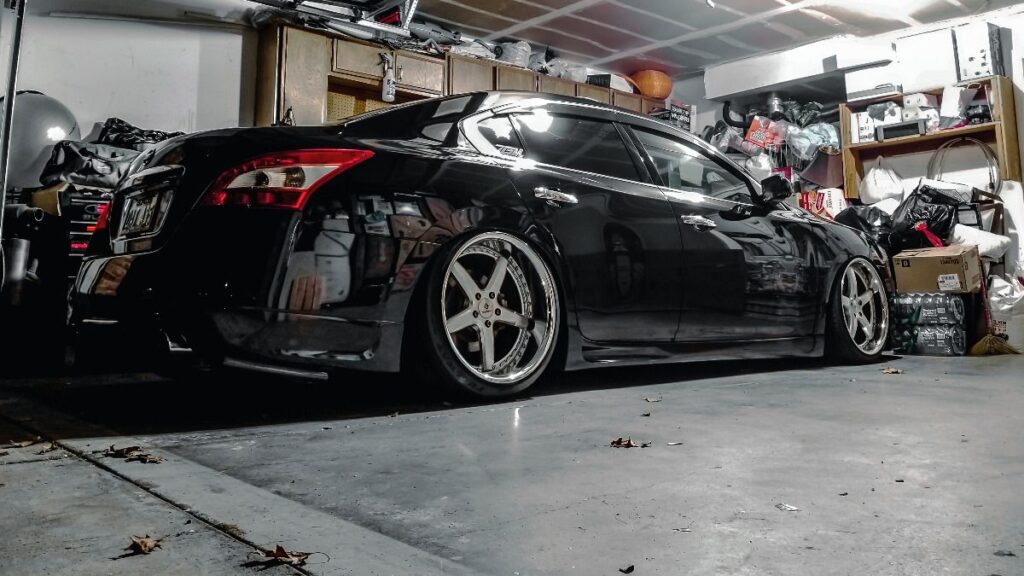
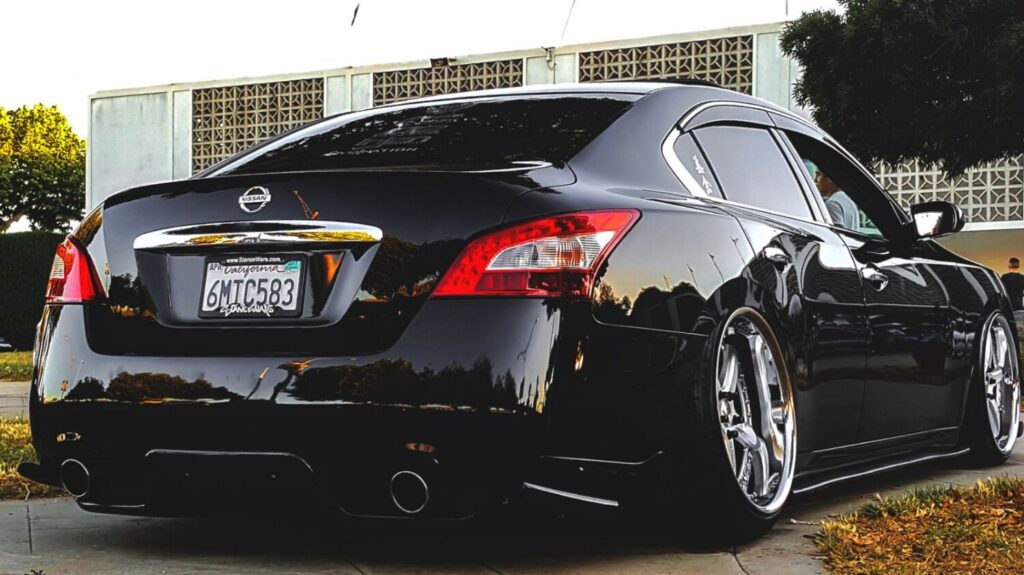
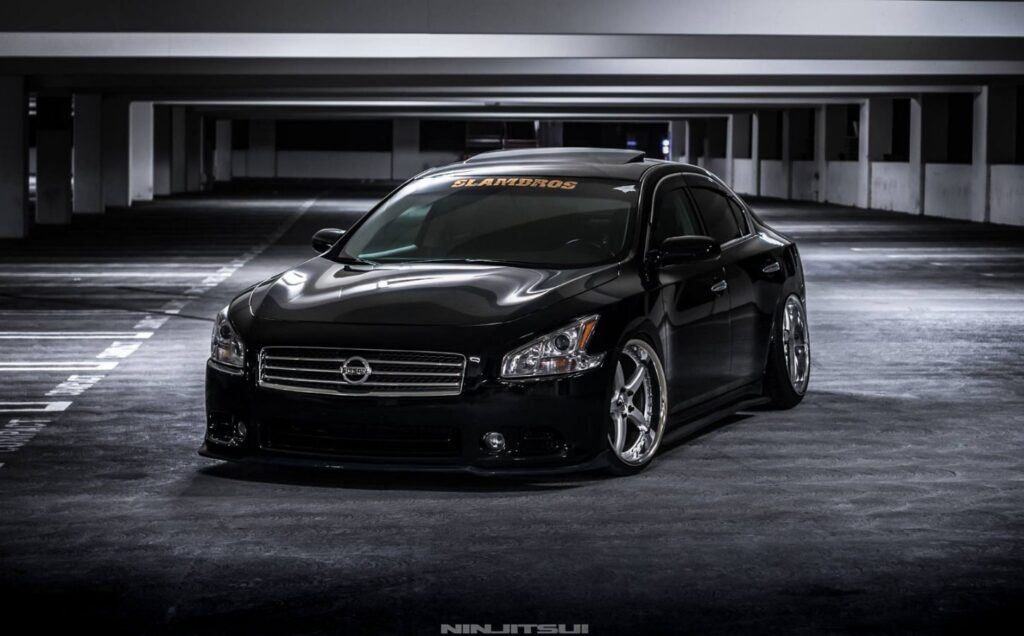
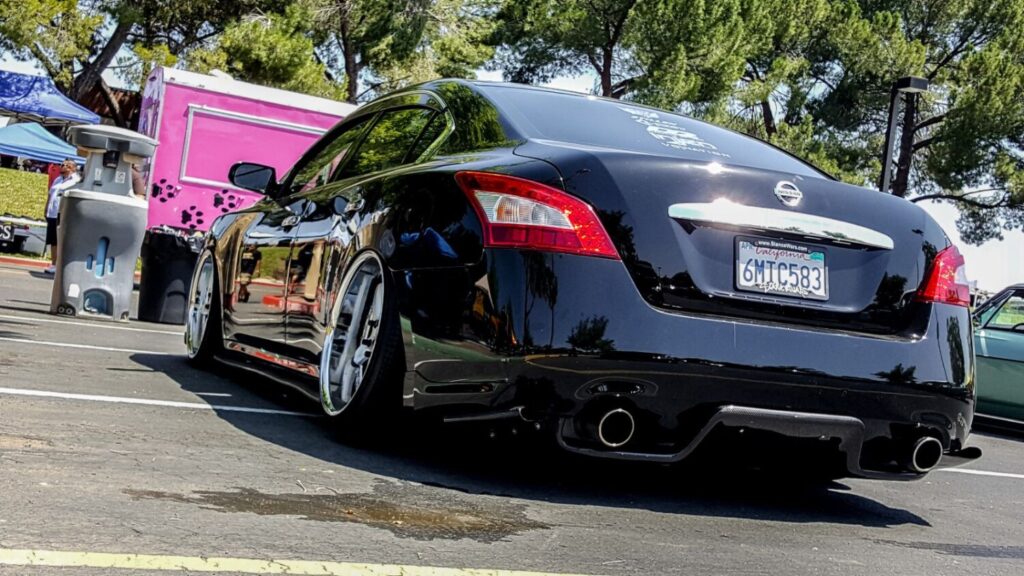
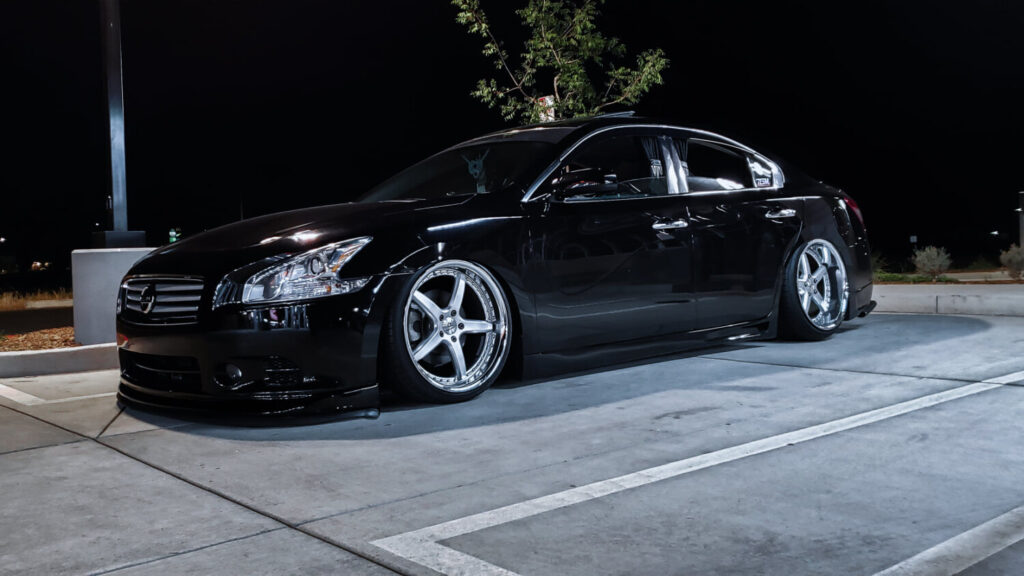
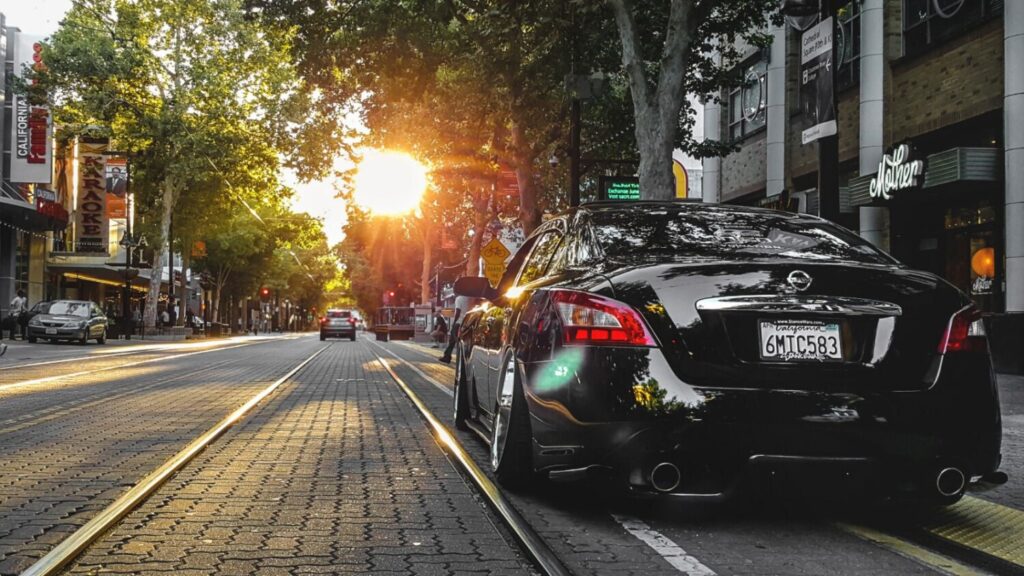
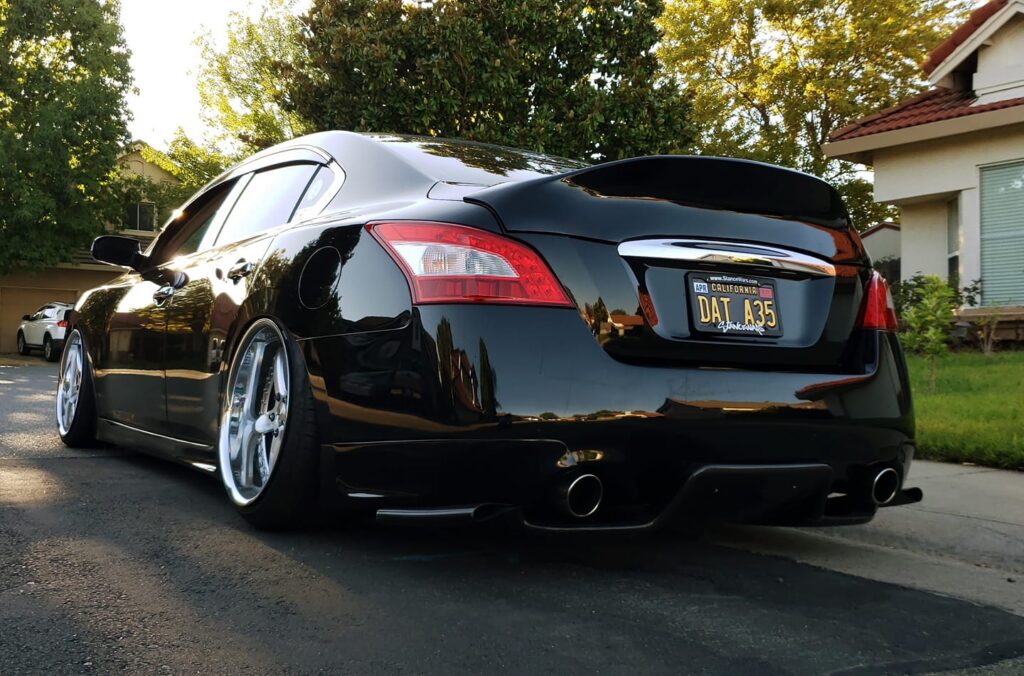
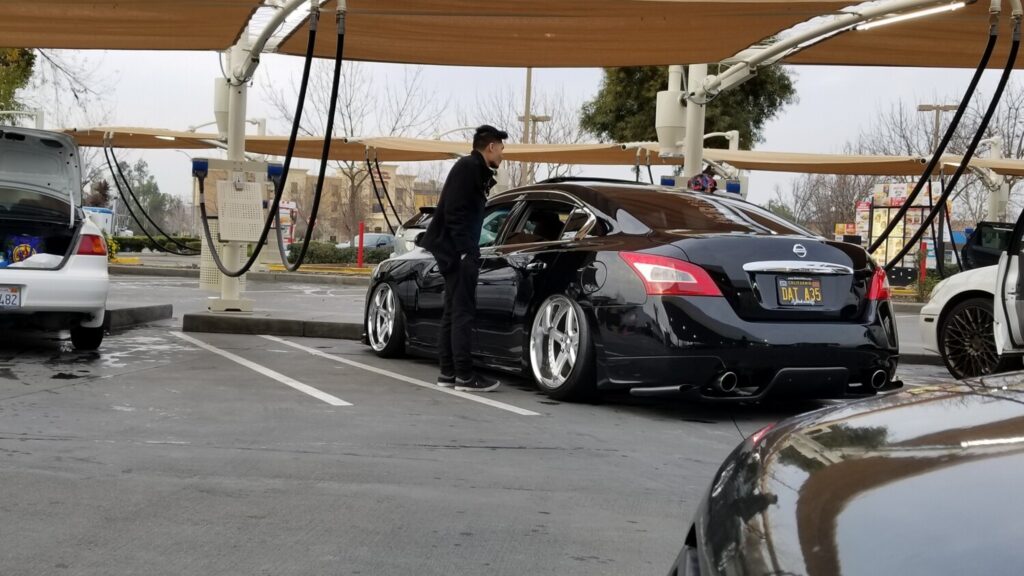
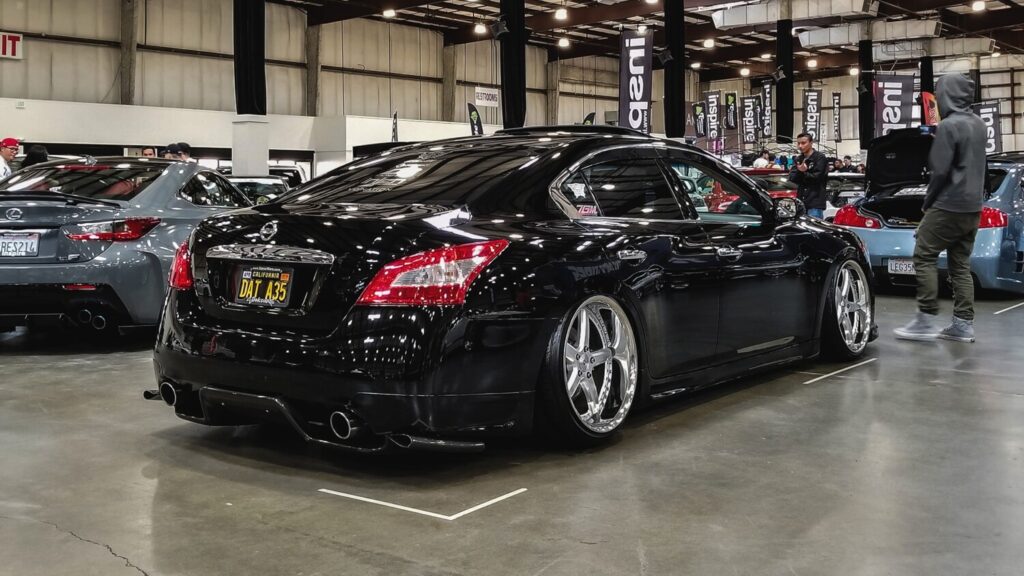
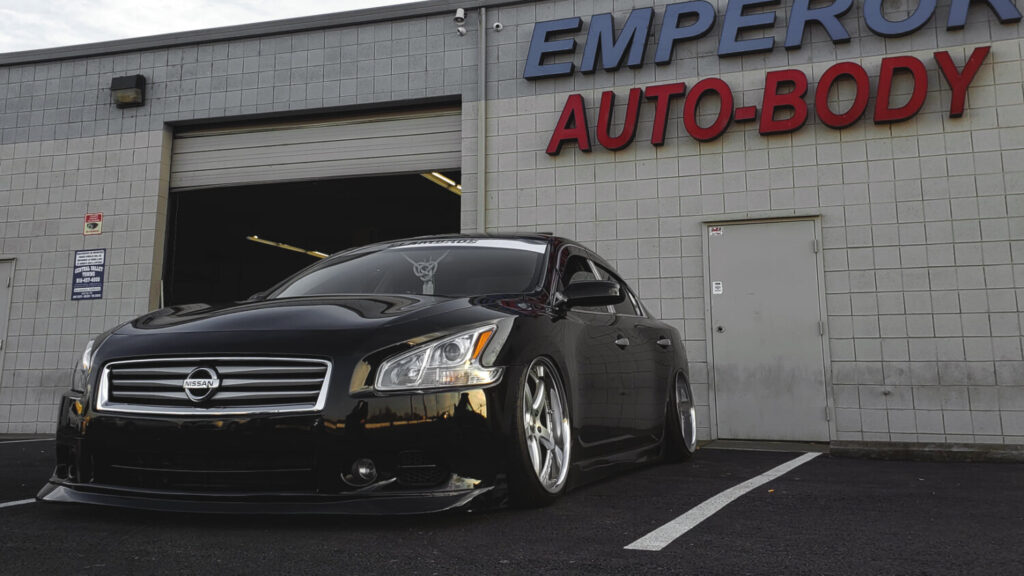
Owner: Tristan Tomas
Year: 2010
Model: Maxima
Color: Black
Transmission: CVT
Trim: SV
IG: @ChokuDori_8o8
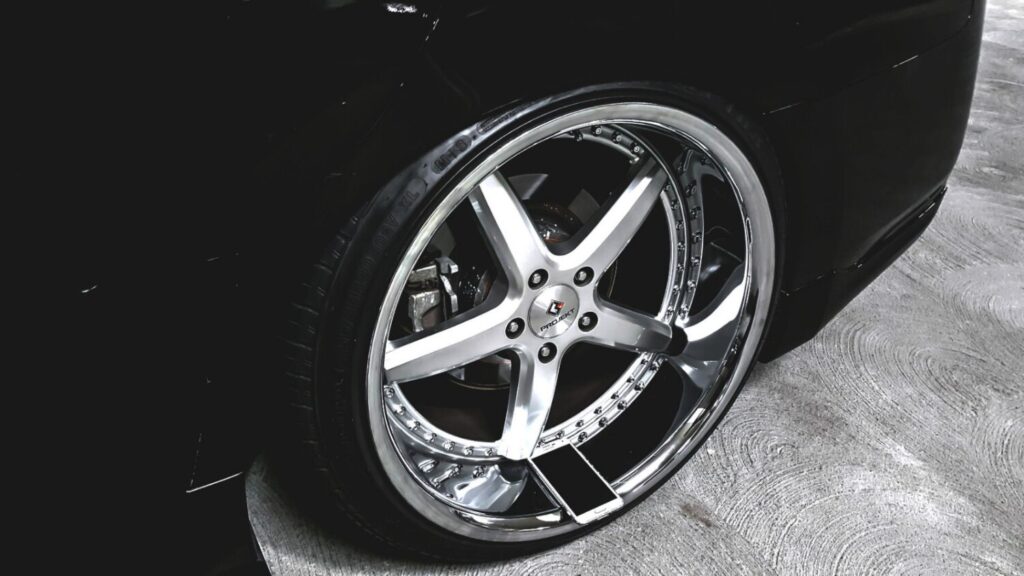
Wheel Specs (Frequently Asked Question):
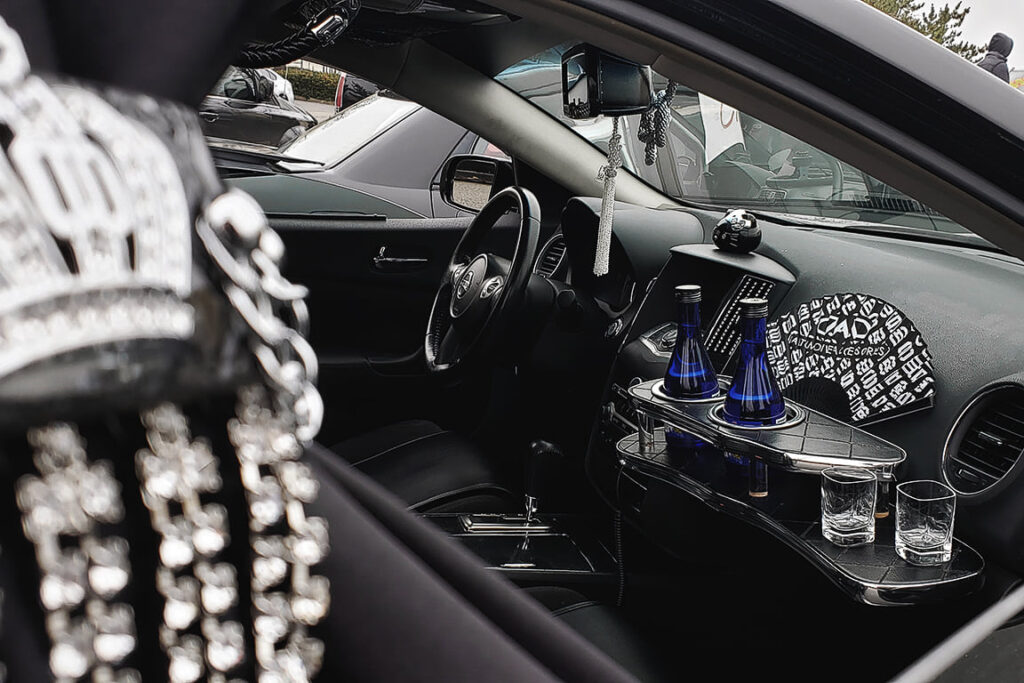
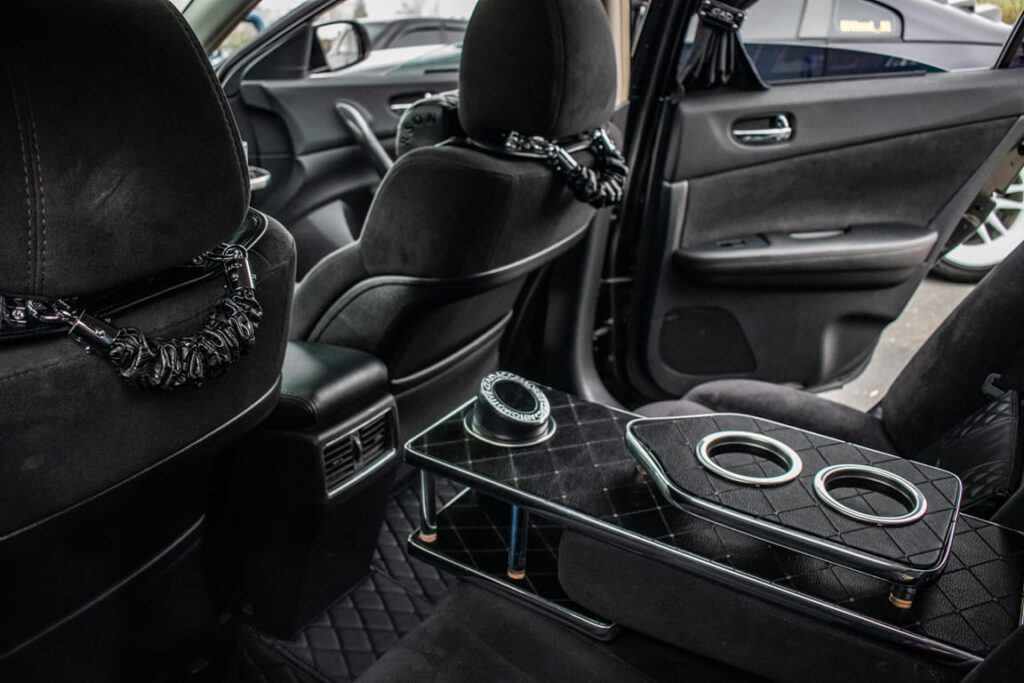
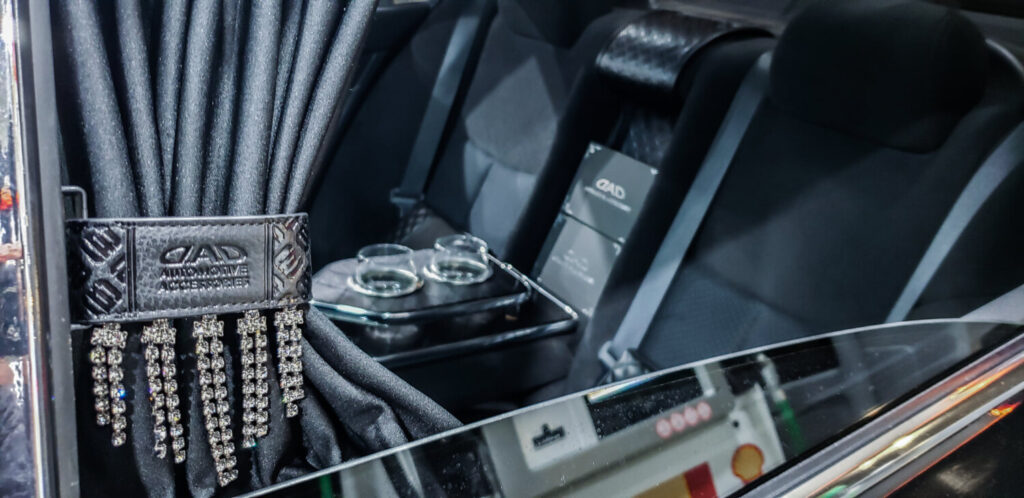
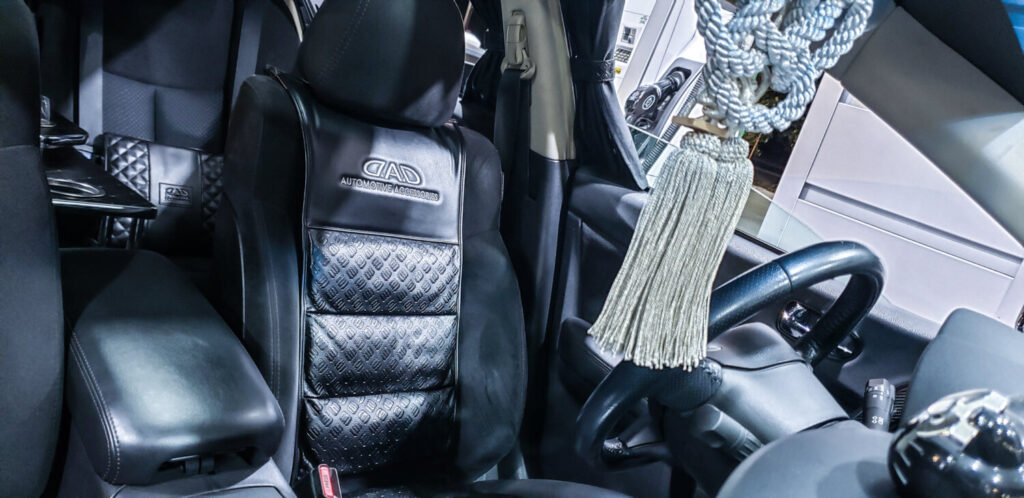



Engine:
Exterior:
Suspension/Wheels/Brakes:
Interior:

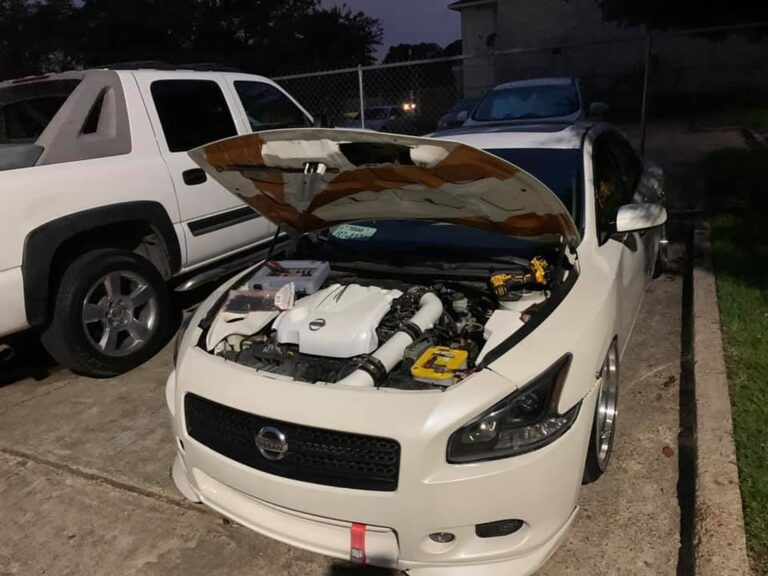
Owner: George Luna
Year: 2009
Model: Maxima
Color: White –> Custom
Engine: Gen2 VQ35DE
Transmission: 6-Speed Manual
Trim: S


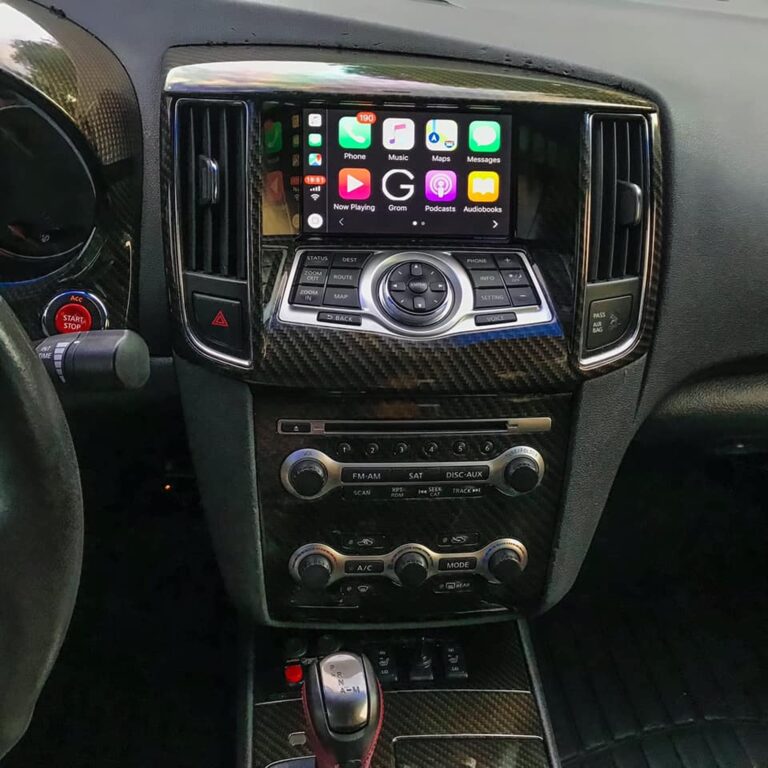
Community Member Credit: Voltaire Duran Cacal
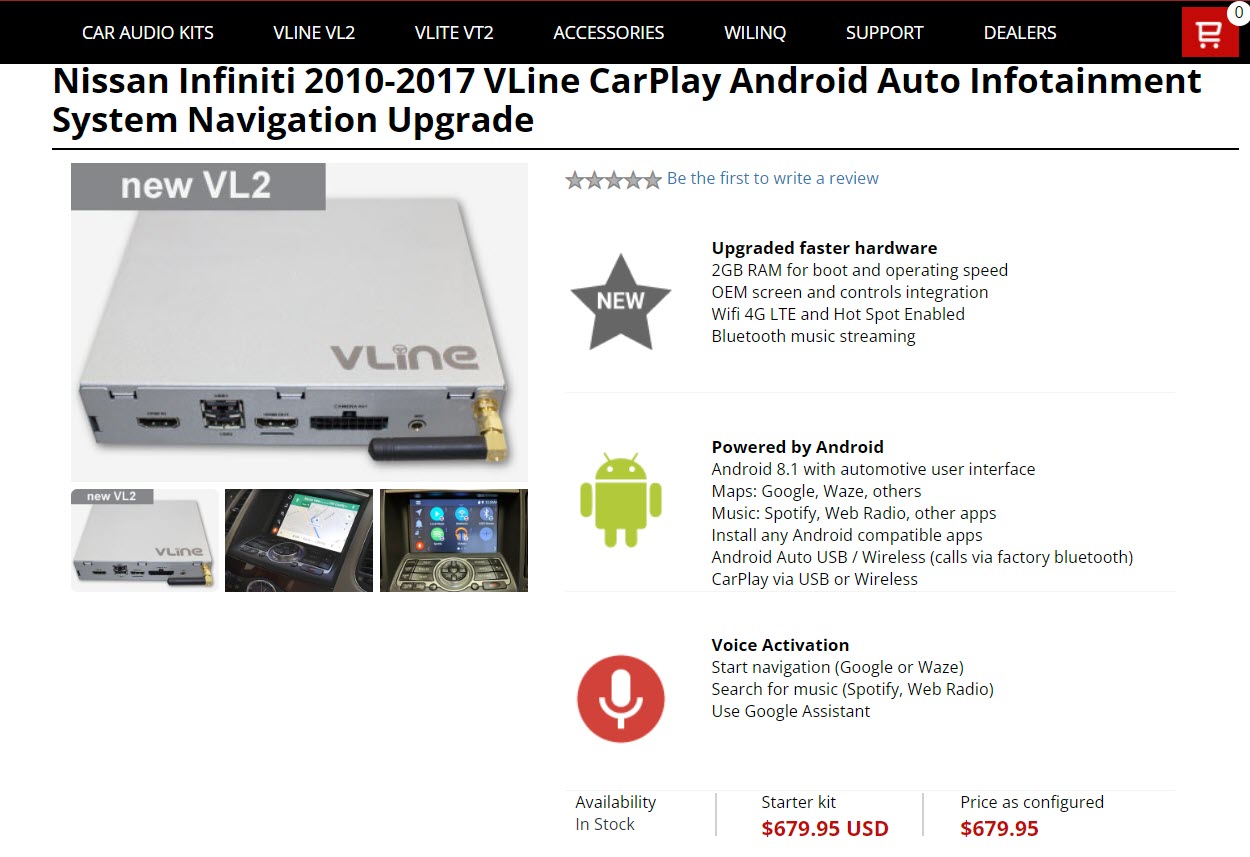
Order Link: https://gromaudio.com/store/all-nis9_wlq1mu_wlq1tc_.html
Price: $679.95
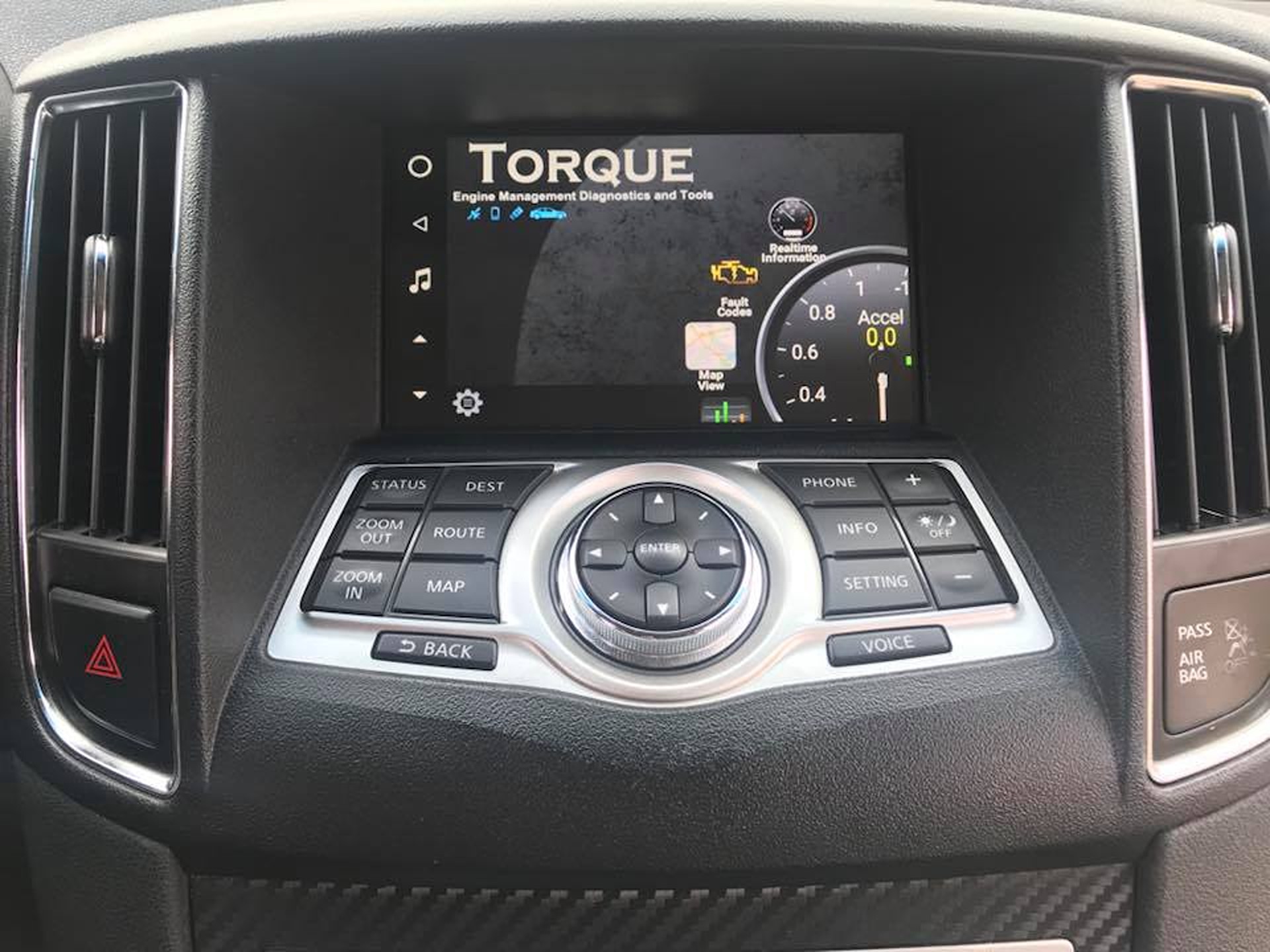
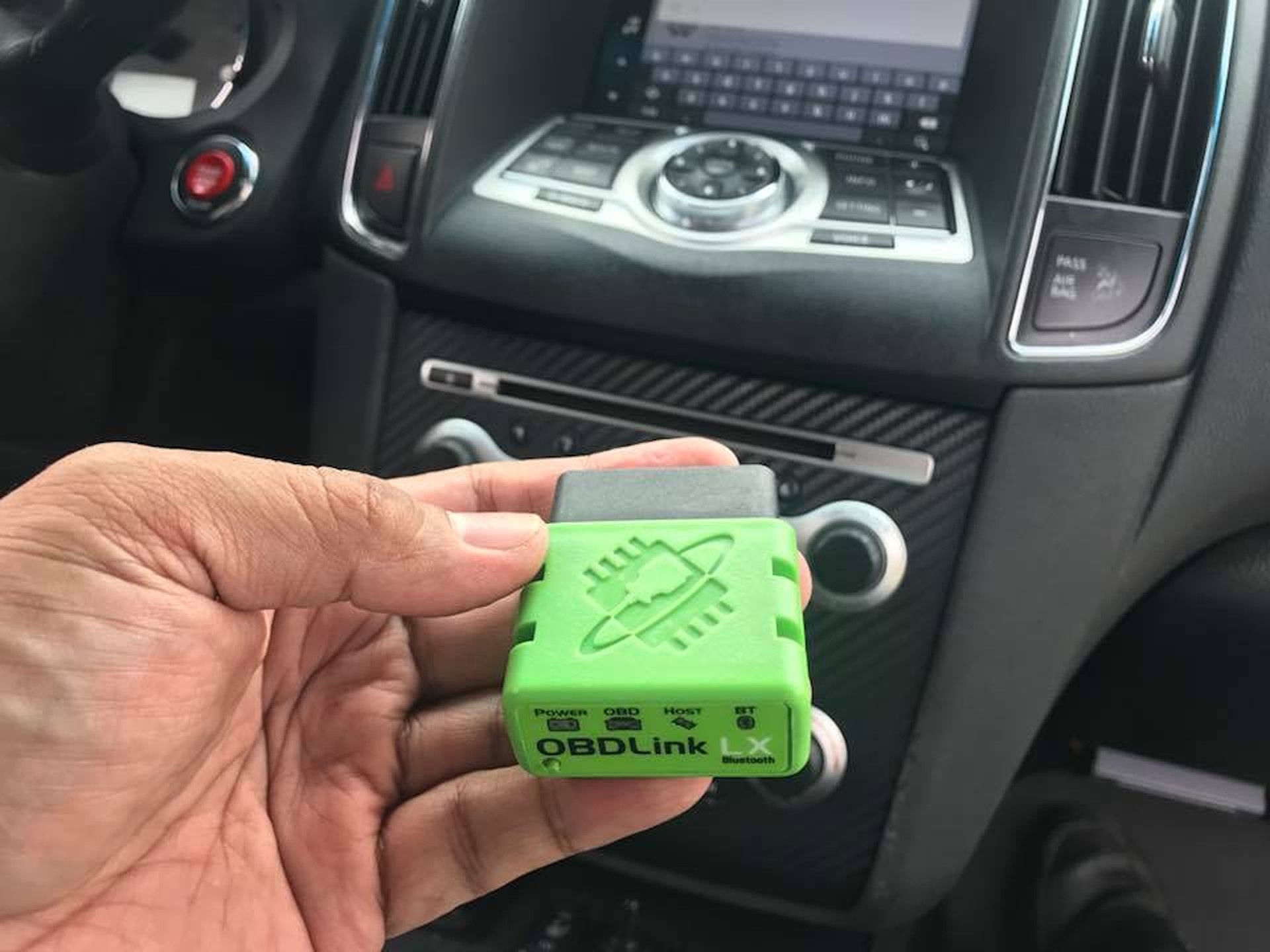
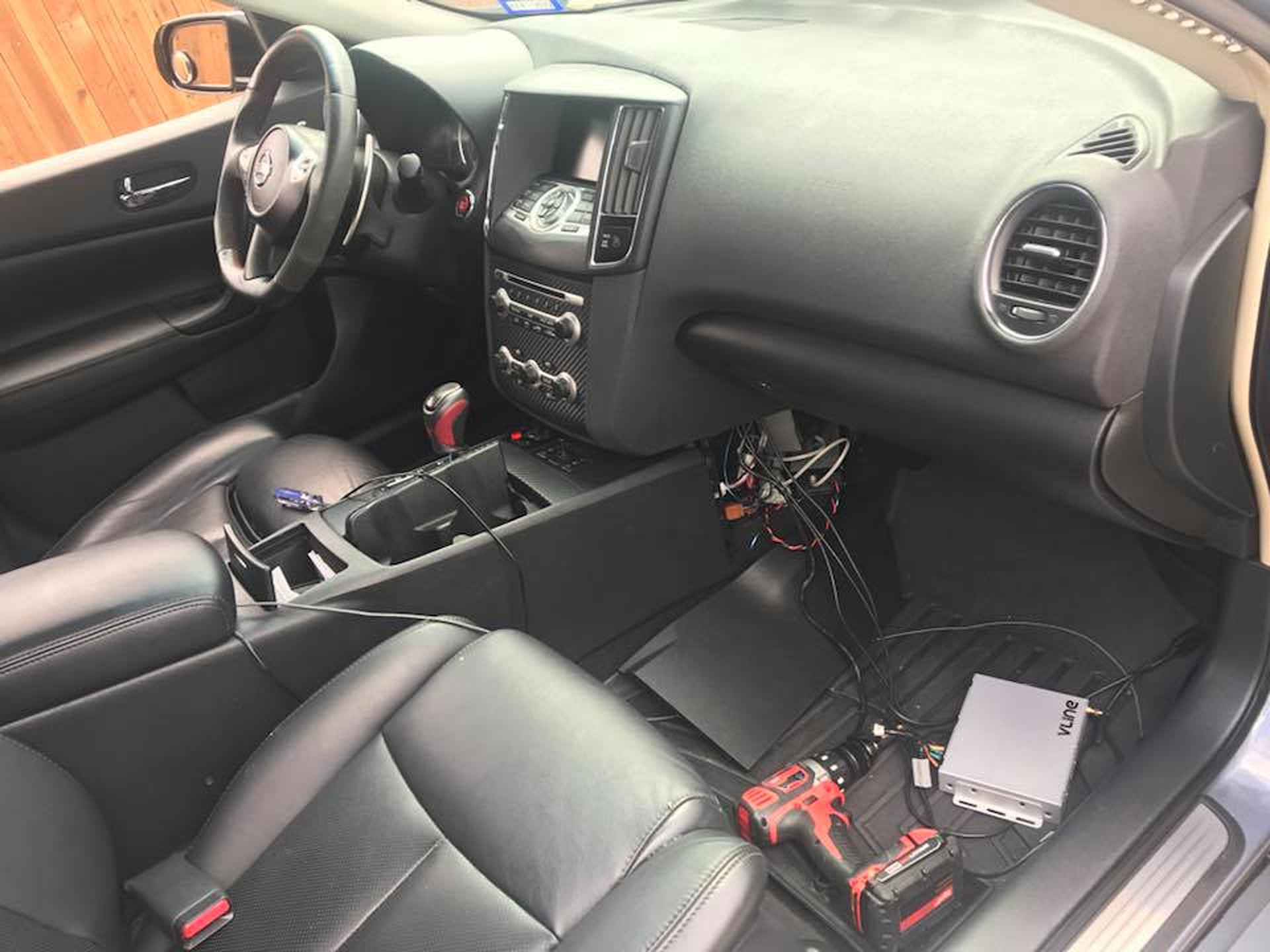
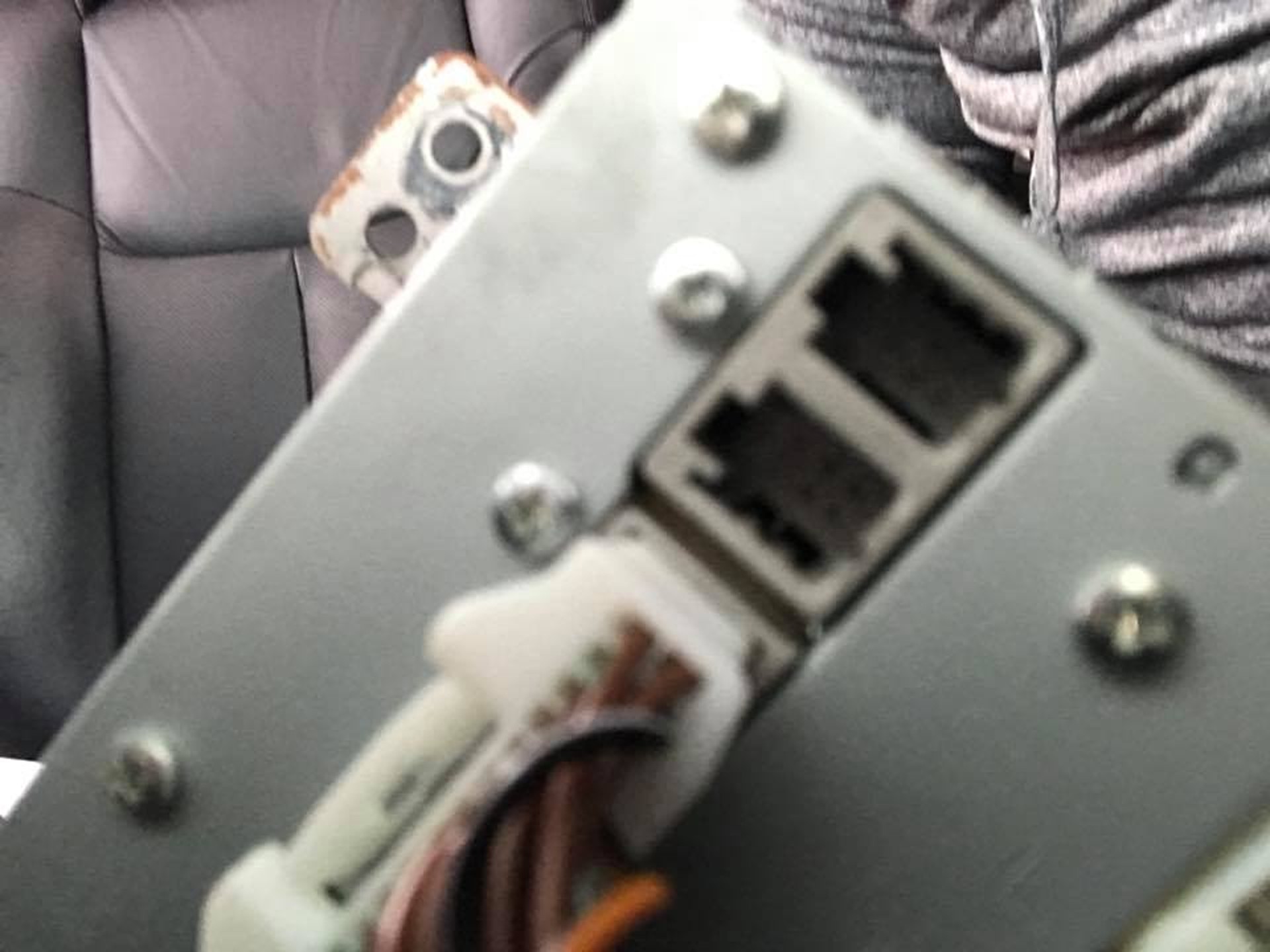
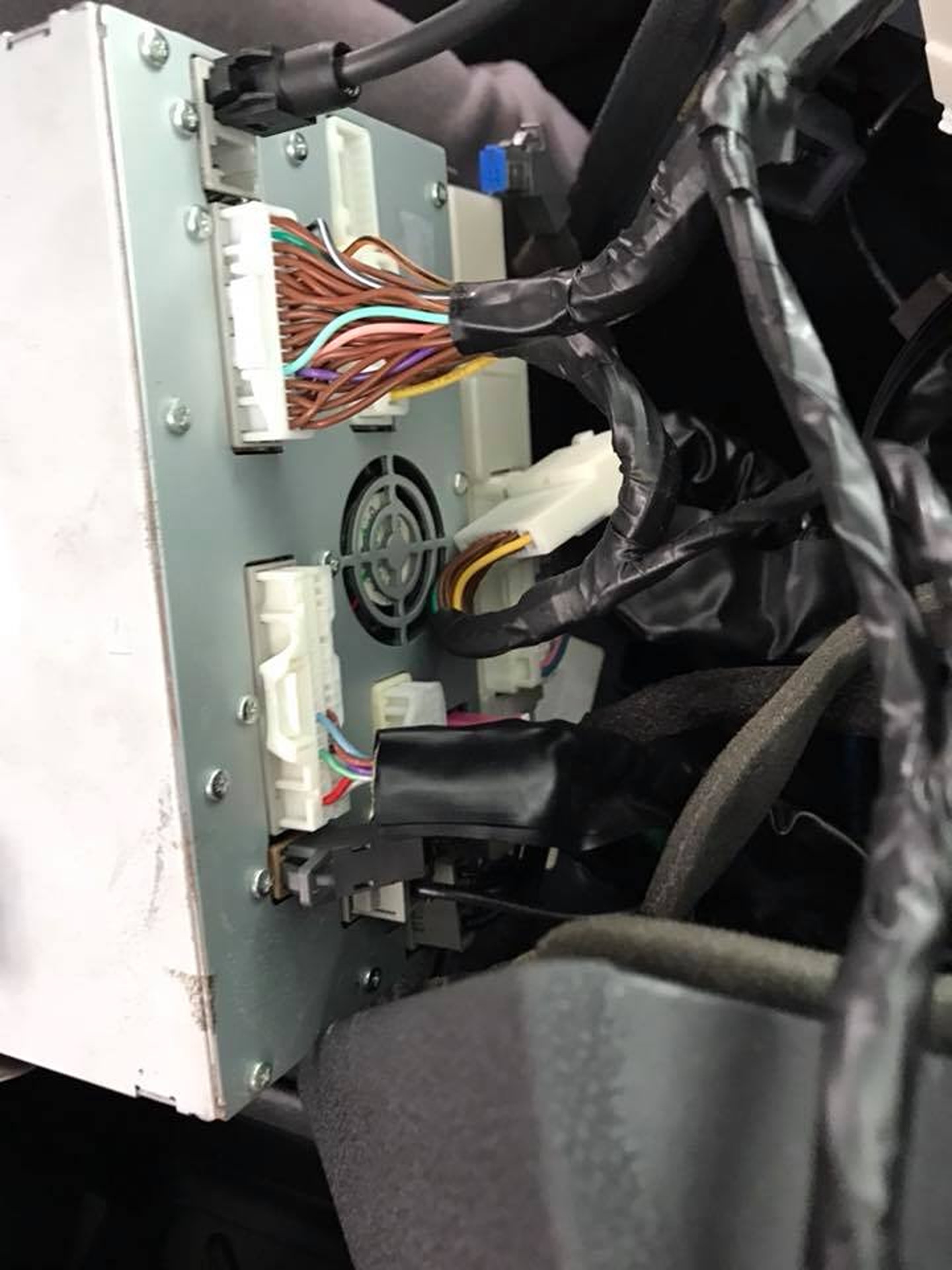
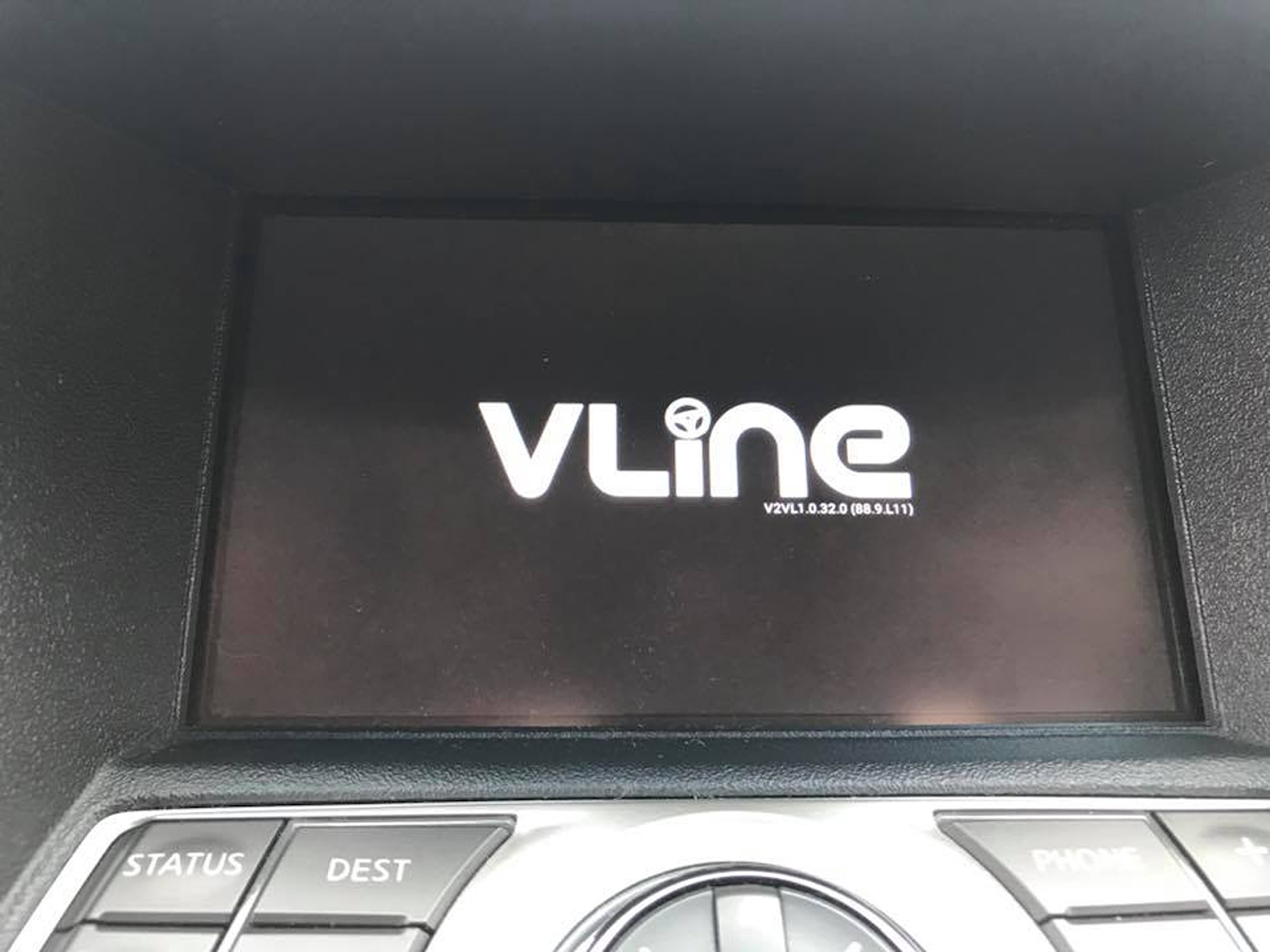
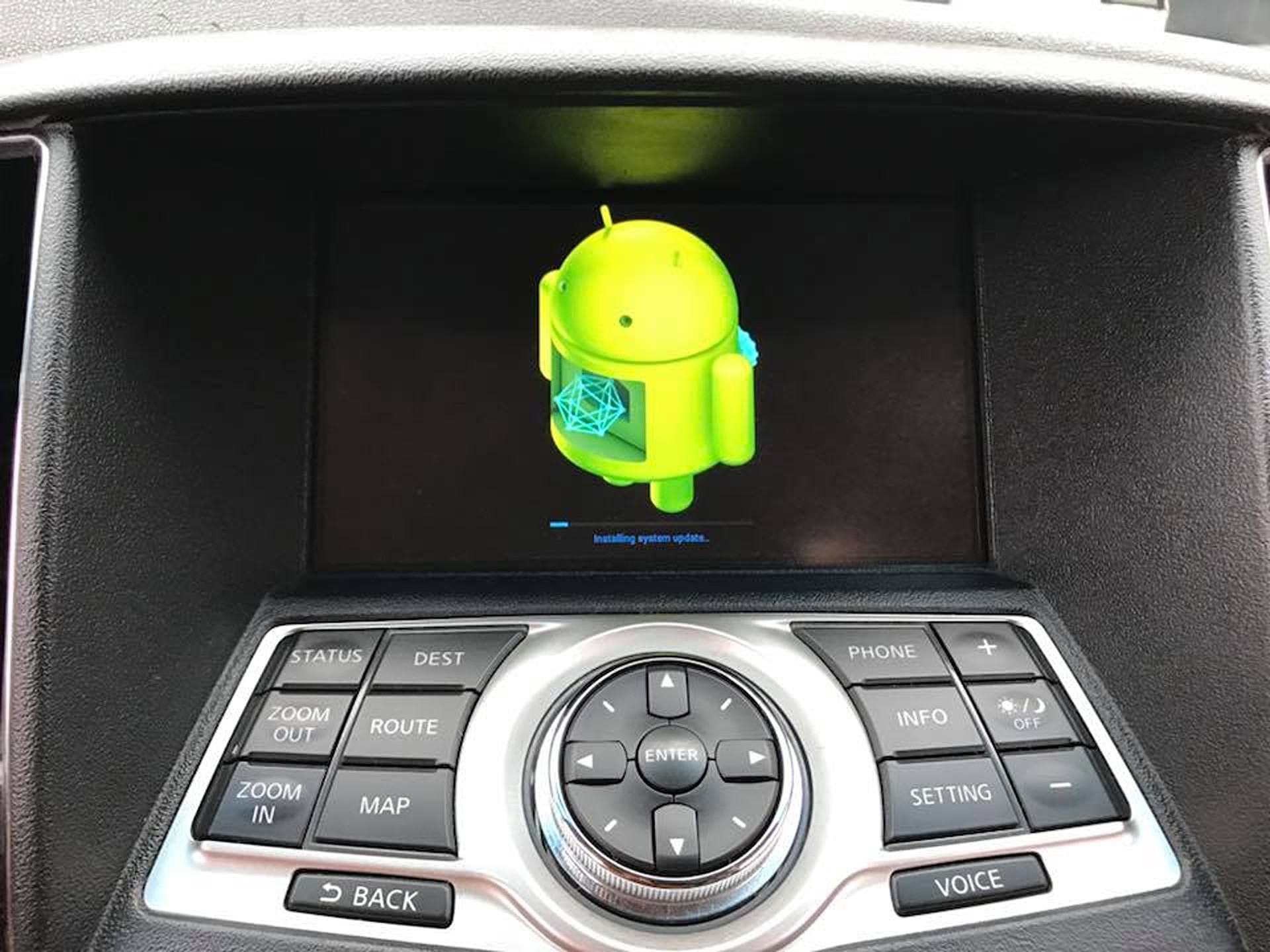
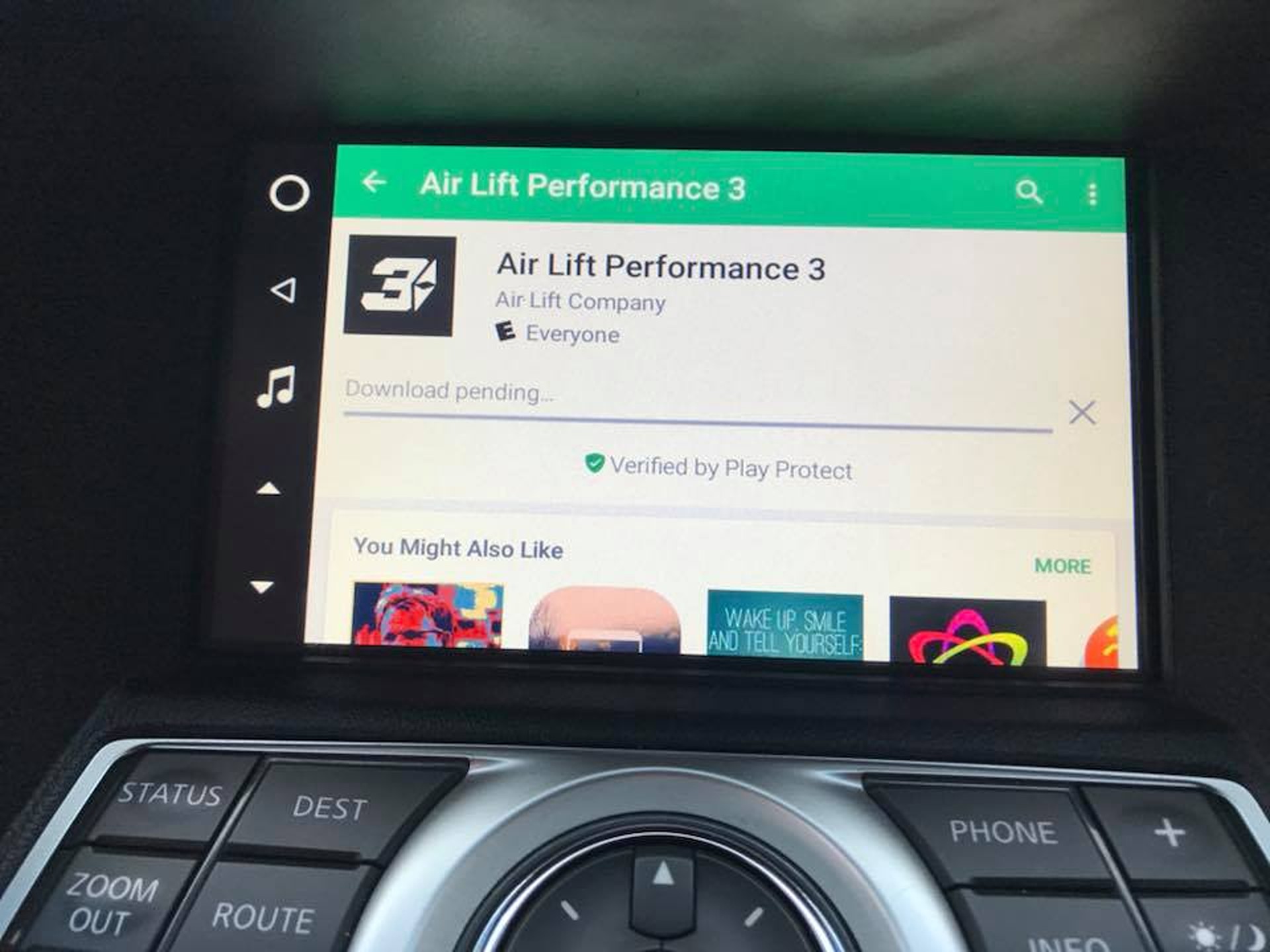
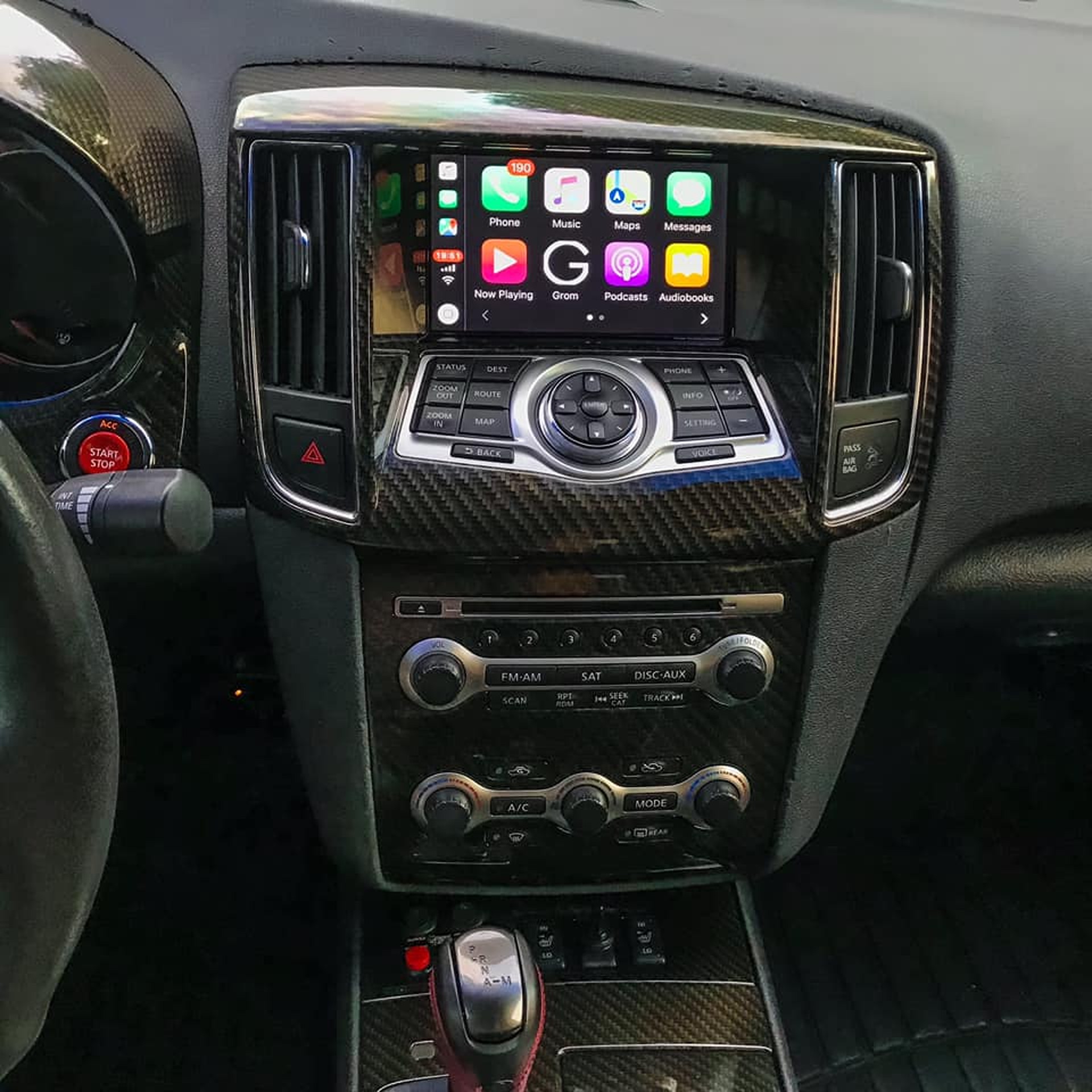
Credit: Derek Giles
Order Link: https://gromaudio.com/store/all-nis9_wlq1mu_wlq1tc_.html
Price: $679.95
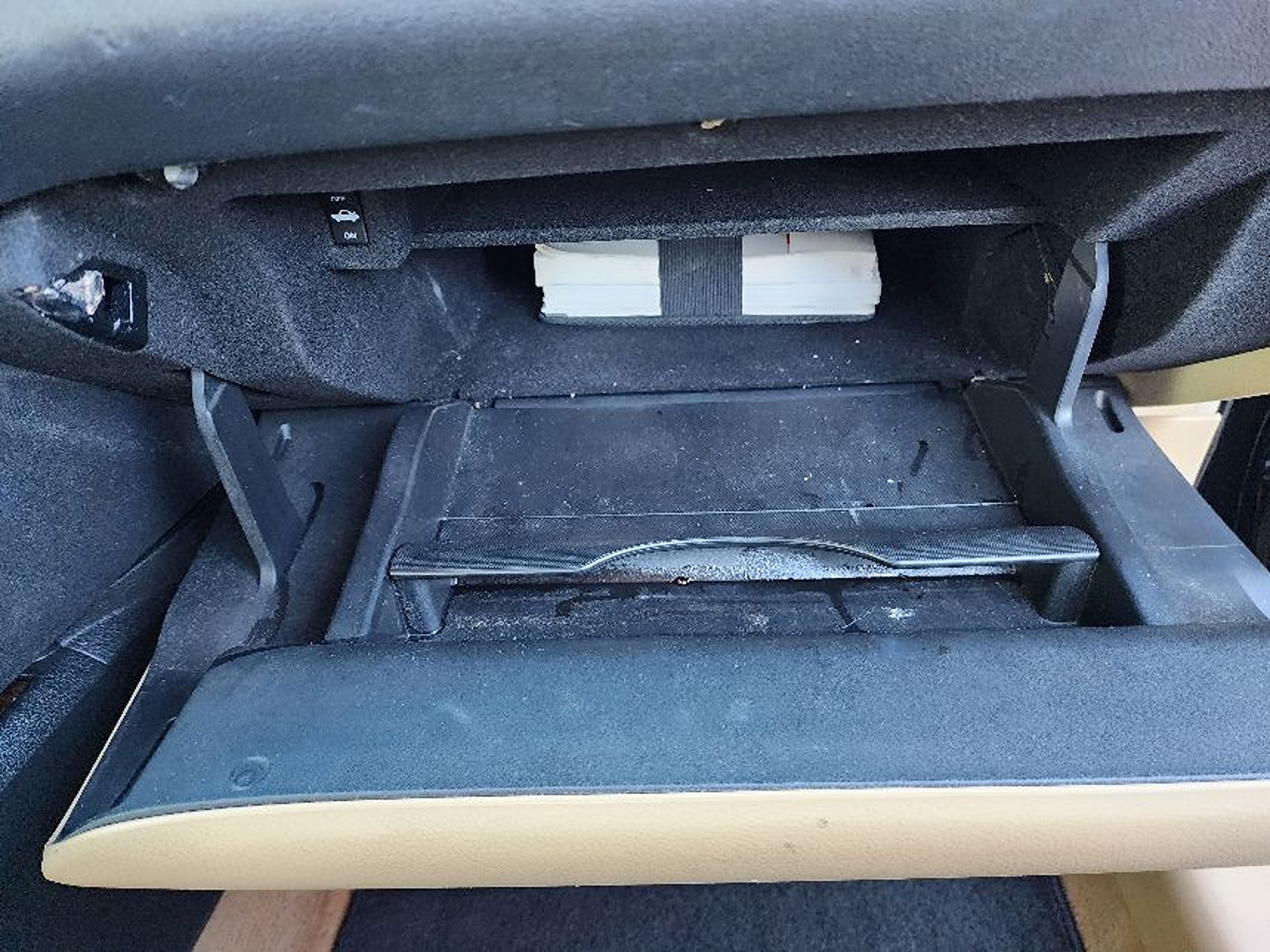
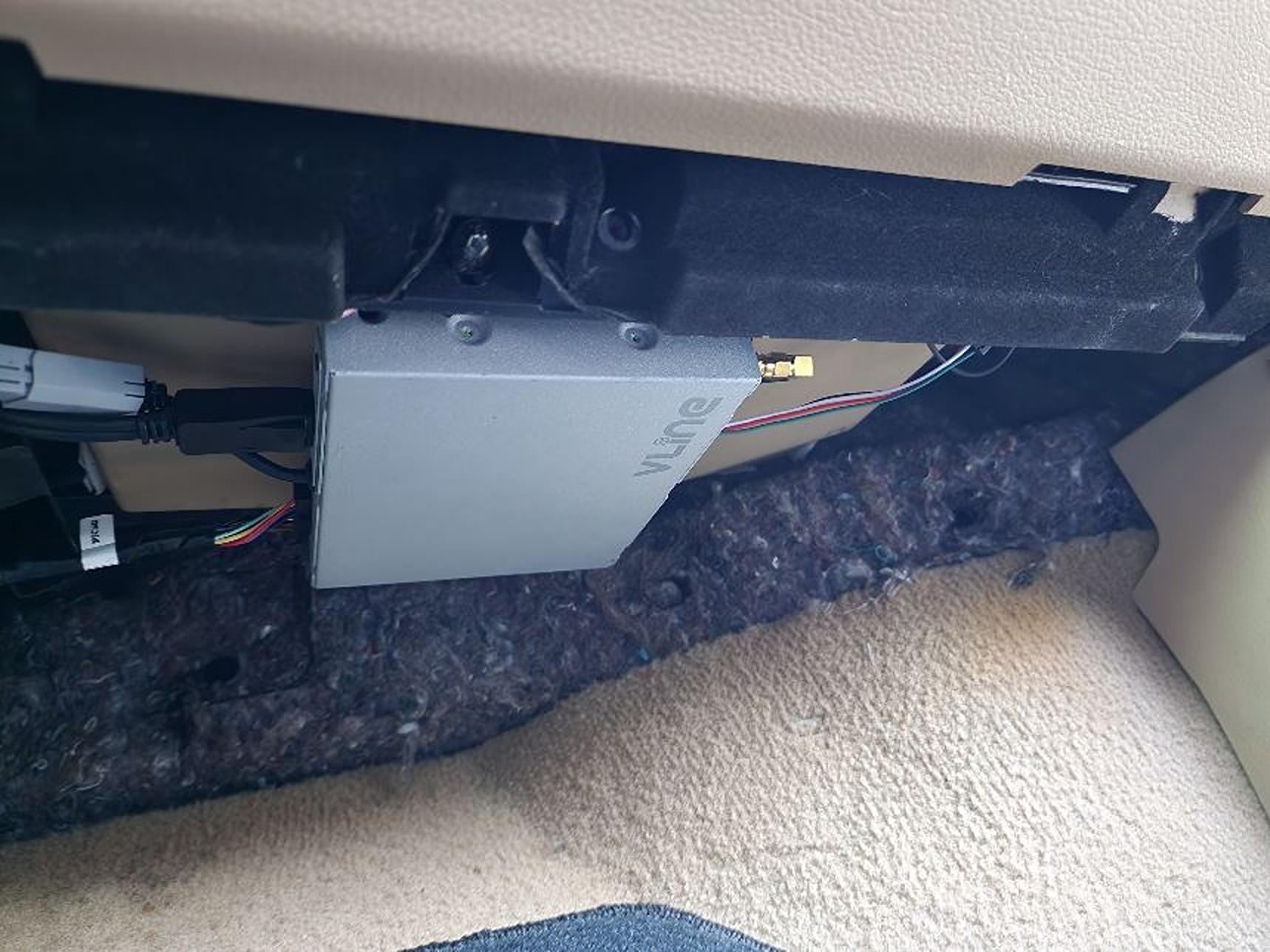
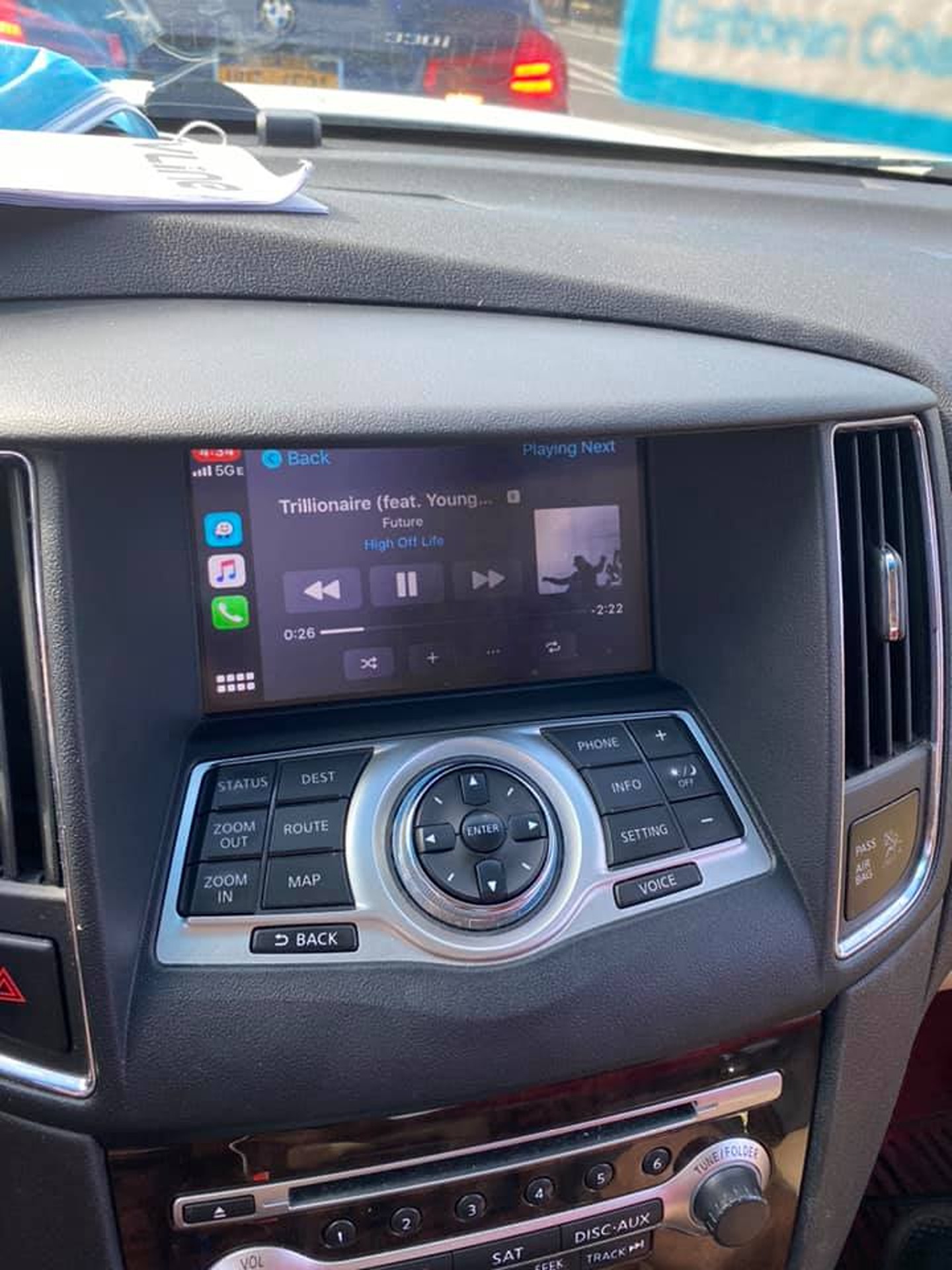
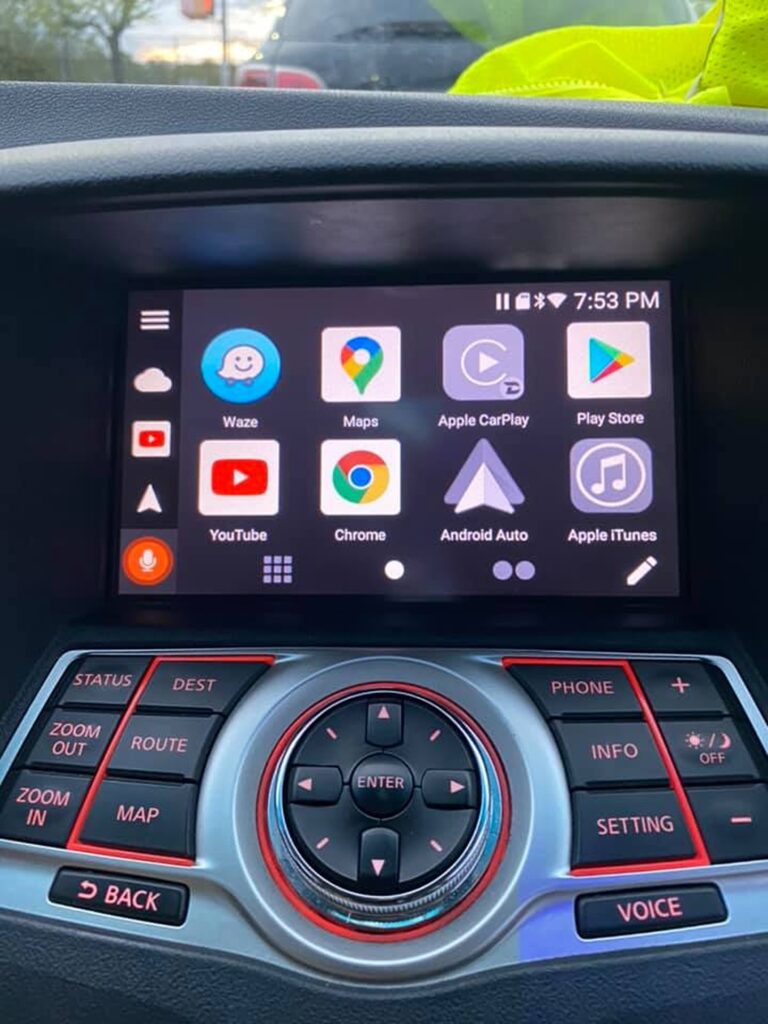
I just installed the Grom VLine VL2 Android Auto and Apple CarPlay add-on. I didn’t want to cut holes in my glove box for wires. I really disliked the idea of having all those wires or the VLine in my glove box, so I looked around and found the perfect place for it. There is just the right space at the bottom of the glove box enclosure for the wires and VLine to fit comfortably. I used Velcro to attach it there.
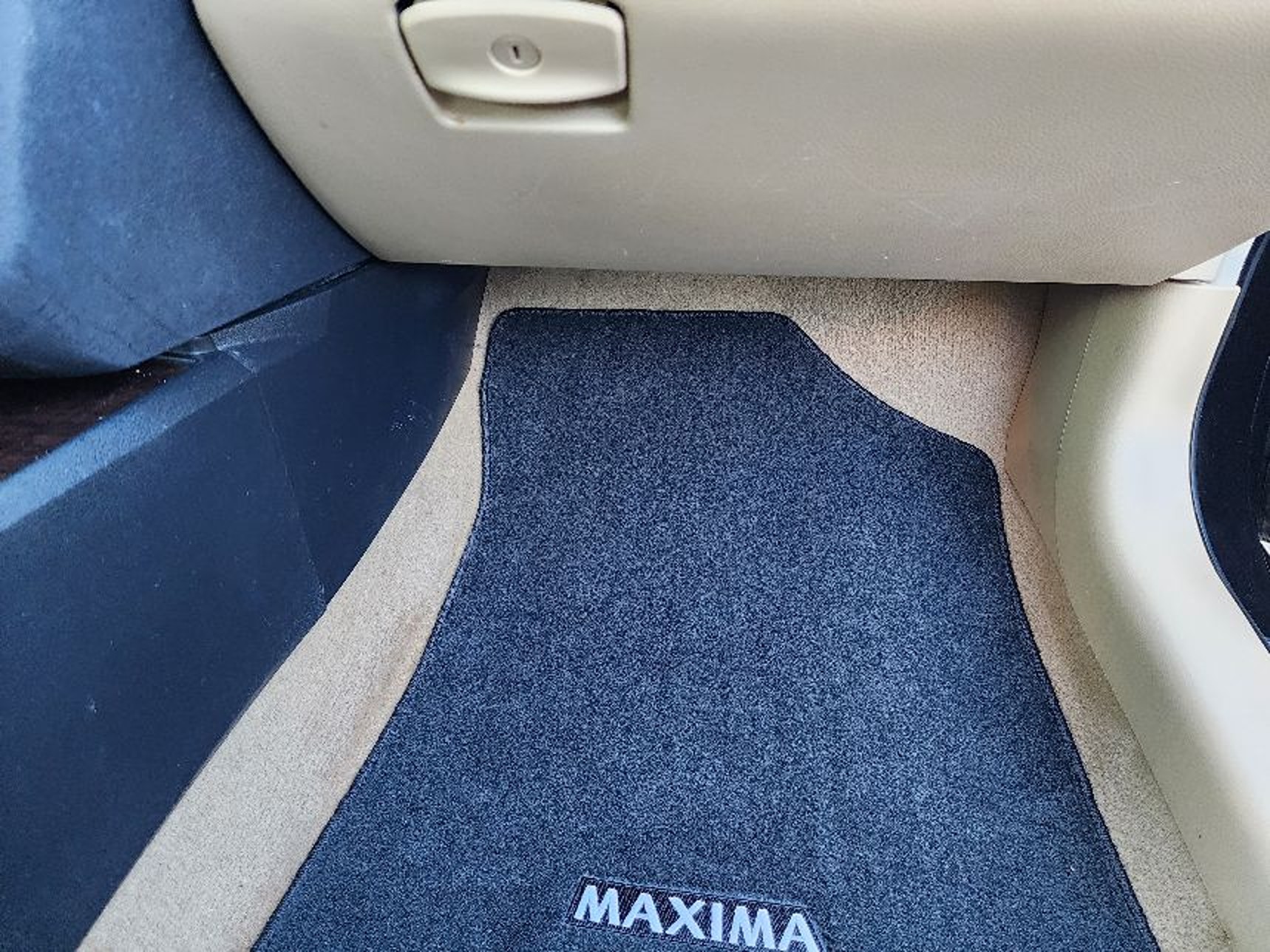
Down there, the VLine doesn’t move, so there’s no need for extra wire to allow for movement every time the glove box is opened, and I don’t have to worry about the VLine getting bounced around. I can’t tell anything has been done to my system. If I need to access the box to reset the system, as some have had to, I can just reach under there and unplug the cable, or I can pull the box down to get to the wiring or the SD card. I’ll post a couple of photos below to show how it looks—or doesn’t.